Skip to the main content.
HR Glossary

Applicant tracking
system
(ATS)

HR technology
What is an applicant tracking system (ATS)?

An applicant tracking system (ATS) is software that runs the hiring process from job ad to offer: it posts roles, collects applications, moves candidates through stages and keeps the record of every decision. It handles the process. Whether it helps you pick the right person depends on what it measures.

What an ATS does

The core of every ATS is the same. It publishes a job ad to your careers page and job boards, captures every application in one place, lets the hiring team screen, shortlist, schedule interviews and leave feedback, and sends candidates the emails that keep them informed. Underneath, it keeps an audit trail: who applied, who reviewed them, what was decided and when. For a team still hiring through a shared inbox and a spreadsheet, that alone saves hours per role and stops good candidates going missing.

What most ATS platforms miss

An ATS is very good at moving people through stages and much weaker at telling you who to move. Most screening still comes down to keyword matching against a CV and the judgement of whoever reads it. That is the process risk handled and the people insight risk left alone: the hire who looked right on paper and leaves in six months. An ATS that also measures how a candidate works, and how that matches the team they are joining, changes what the shortlist is based on.

Choosing one in Australia

Ask how it handles high volume and low volume roles, whether it posts to the boards Australian candidates use, how it supports a structured interview with consistent questions and scoring, and how it stores, retains and deletes candidate data, because every application holds personal information. Then ask the harder question: what evidence will this give us that the person we hire is the right one, beyond a CV and a gut feel?

Where
Compono Hire fits.

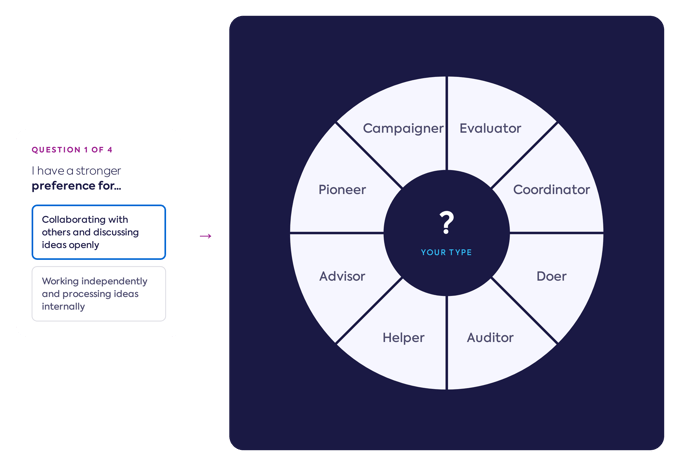
Compono Hire is an applicant tracking system (ATS) that measures fit before you make the offer, alongside the process every ATS runs.

See how a shortlist changes when every candidate is ranked against your culture and your top performers, not just their CV.

See how it works

Common questions

What is the difference between an ATS and an HRIS?

An ATS covers candidates up to the offer. A human resource information system (HRIS) covers employees after they start: records, leave, payroll links and reporting. Many organisations run both and pass the hired candidate from one to the other.

Do small businesses need an ATS?

Once you hire more than a handful of people a year, or more than one person is involved in each hire, an ATS usually earns its keep in time saved and candidates not lost. Below that, a consistent process matters more than the software.

This page is general information, not legal advice. We check figures annually and update them on a best-efforts basis, but employment rules change and we cannot promise everything here is current or complete. Before you act on it, confirm the detail with the official source for your jurisdiction or your own adviser. Last reviewed October 2026.