


 Compono
Why we don't hire against your desired culture
 Justin Coutts
Discover why hiring against desired culture can backfire. Learn to benchmark candidates against current culture for a successful team dynamic.

Run psychometric assessments early in the hiring process, ideally before the first interview, so the results shape the conversation. When psychometric testing in recruitment happens at the end, with the final two candidates, your team has usually already picked a favourite. The data then gets explained away instead of used.
It’s one of the themes that surfaced when talent leader Edan Haddock sat down with Compono for Episode 8 of his Movember podcast series, 30 Days. 30 Episodes. One Mission. Reflecting on the conversation, Edan raised a question worth sitting with: what if we stopped doing psychometrics at the end?
Quick answers
- At Compono, we believe the best time to use psychometric testing in recruitment is early, at or soon after application, before interviews create strong opinions about candidates.
- Assessments run with the final two candidates tend to get rationalised away, because gut feel and unconscious bias are already embedded in the decision.
- Psychometric data should start better interview conversations, not deliver a final verdict on who gets the job.
- A score should never decide who gets hired. Its value is helping interviewers ask sharper, more specific questions.
- As AI makes polished CVs easy to produce, early insight into how someone works becomes a more useful signal than the application itself.
Most hiring processes follow a familiar order. You advertise, screen, interview, maybe interview again. Then, right near the end, the final two candidates get sent off to complete psychometrics.
Edan describes what happens in between. "Everyone develops opinions. The hiring manager has a favourite. Talent probably has a favourite." By the time the assessment arrives, hours of conversation have already done their work.

Compono's Head of Talent Solutions, Justin Coutts made the same point when Edan spent time with the team. Gut feel and unconscious bias may already be part of the decision. So if the assessment says something uncomfortable about the preferred candidate, it's easy to rationalise it away.
Psychologists call this confirmation bias: we weigh new information in favour of what we already believe. An assessment that lands after the decision is mostly made doesn't challenge that belief. It gets filed.
Edan opens the episode with a confession most recruiters will recognise. Earlier in his career, he'd interview someone and tell the hiring manager, "Yeah, they're great. I'd have a beer with them."

What does that actually tell you about someone's ability to do the role? Very little. Mostly it tells you they feel familiar, communicate like you and make you comfortable.
The problem is that the pub test rarely disappears. It just gets better vocabulary. As Edan puts it, "We stop saying I'd have a beer with them, and instead we say they're a really strong culture fit. Sounds much better. But sometimes it's the same bloody thing."
Late-stage psychometrics don't fix this. They arrive after the familiarity effect has already shaped who made the final two.
Moving assessment to the front of the process changes its job. Instead of a final hurdle, it becomes interview preparation.
Edan gives a few examples of what that looks like in practice:
"That's much more useful," Edan says, "than receiving a forty-seven-page psychometric report after we've basically already decided who we're hiring."
Fit also works both ways. Candidates are deciding whether you're the right place for them, too. Raising these differences early gives them better information as well.
This is the part people tend to get wrong, so Edan is clear about it. Early psychometrics are not about letting a score decide who gets the job. "It absolutely shouldn't," he says.
The value is in improving judgement, not replacing it. Compono's Head of Marketing, Mathan Allington made the point during the demo: you can still run your standardised interview questions. You also walk in knowing which areas are worth exploring behaviourally.
Edan sums it up neatly. The useful question isn't "tell me who to hire". It's "tell me what I might not be seeing".
"Technology shouldn't remove curiosity from recruitment. It should give us more reasons to be curious." Edan Haddock, Edan Haddock Total Talent
If you want the science behind what a good assessment actually measures, and which ones are worth your candidates' time, read Rudy Crous's guide to psychometric testing in recruitment. This piece is about timing. Rudy's covers the instrument itself.
Justin raised another reason this matters in 2026. Candidates can use AI to tailor applications perfectly to a job description. Employers increasingly use AI to screen them. He called it an AI arms race.

CVs aren't disappearing, and skills and experience still matter. But if everyone can produce a brilliant application, the CV tells you less than it used to. Richer signals about how someone works, what motivates them and what environment helps them perform become more useful, and they're most useful when they're available before you've formed an opinion.
Here's how the order shifts when assessments start conversations instead of ending them.
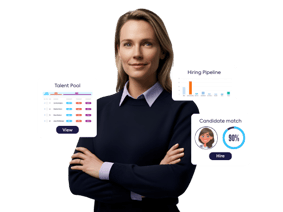
This is how Compono Hire works. Compono Hire is an applicant tracking system (ATS) that brings candidate work personality and team culture data in early, alongside the jobs, applications and pipeline management you'd expect.
You can see how Compono Hire works here.
Moving psychometrics to the front of your process is a small change in sequence with a big change in purpose. The data stops being a box to tick and starts being a reason to ask better questions. And the candidate who makes your final two will have got there for clearer reasons than "I'd have a beer with them".
Before you change your process, check what your current hiring signals. The Culture-Candidate Checker reads your job ad or careers page and shows the culture it signals across four validated dimensions, plus the work personalities likely to thrive or struggle.
Try for free: start the Culture-Candidate Checker It takes a few minutes, with no payment details and no sales call.
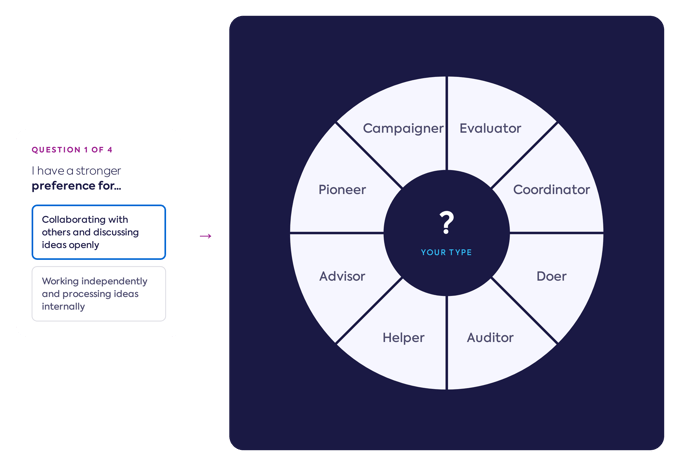
Then take the free Work Personality assessment to see the eight ways of work behind the results. Four questions, about two minutes.
Ideally at or shortly after application, before interviews begin. That way the results inform what you ask candidates, rather than arriving after the hiring team has already formed preferences.
A score alone shouldn't decide who gets hired. Psychometric results are most useful for highlighting areas to explore in interview, alongside skills, experience and structured questions.
Before. Testing after interviews risks confirmation bias, where the team explains away results that don't match the candidate they already like.
No. They give interviewers more context so the conversation goes deeper. Standardised interview questions still matter.

Discover why hiring against desired culture can backfire. Learn to benchmark candidates against current culture for a successful team dynamic.

Discover why we invest more in tech research than hiring decisions and learn effective strategies for building better teams through "Inside-Out"...

Inclusive hiring improves when fairness is built into the process. What the WEF says leaders are redesigning, and how HR teams can apply it.
 Daryl Ning
 Gigi Curley