
.webp)

 Mathan Allington


Recruitment software with candidate matching: a 2026 guide
 Mathan Allington
How recruitment software with candidate matching cuts hiring time, reduces bias and improves quality of hire. See how it works.
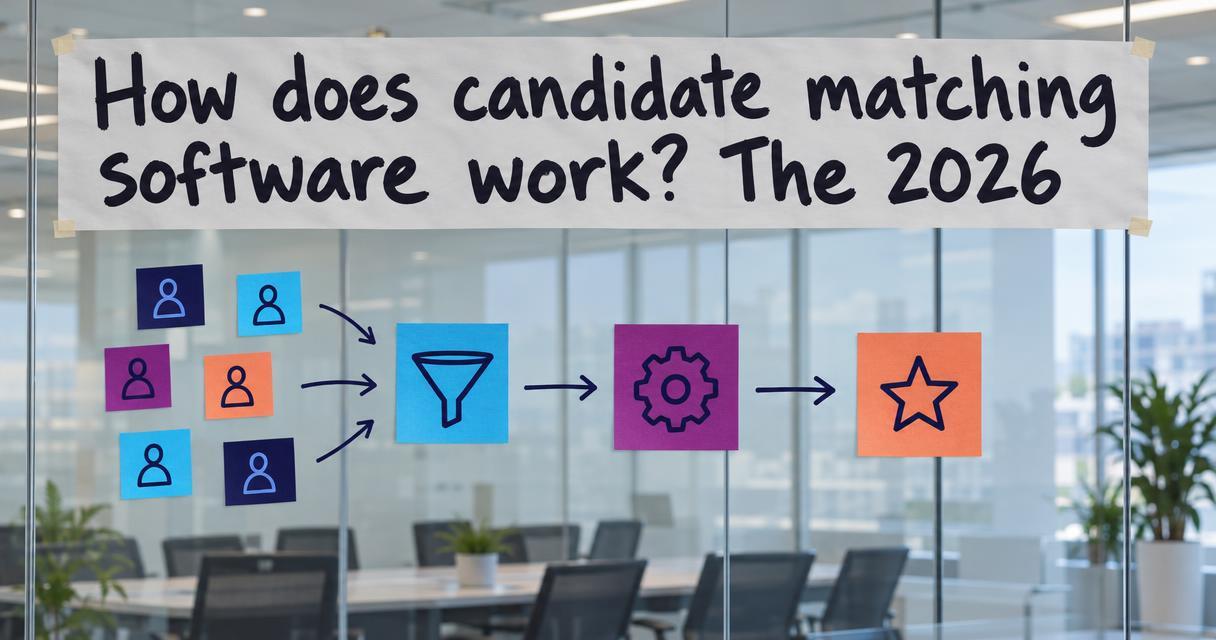
How does candidate matching software work? It works by parsing job descriptions and applicant profiles into structured data, then using artificial intelligence algorithms to calculate a fit score based on skills, experience, and behavioural traits.
Last reviewed October 2026
Key takeaways
- Modern algorithms read for context and semantic meaning rather than relying on exact keyword matches.
- Systems parse raw text, create mathematical vector embeddings, and rank candidates by similarity to the job profile.
- The best platforms evaluate both technical capability and organisational fit to predict retention accurately.
- Human-in-the-loop oversight is legally essential for compliance with incoming AI hiring regulations.
- Automated matching significantly reduces irrelevant applications and cuts the average time to hire.
Recruiters used to rely entirely on boolean searches and exact keyword matching to filter applications. This approach treated hiring as a pure process risk. It managed the volume of incoming files but completely ignored the nuance of human experience. If an applicant used the term "client relations" instead of "customer service", the system rejected them.
That rigid filtering system is incomplete. It assumes that having a specific word on a document is the same thing as being able to do the job. Today, hiring teams need tools that manage both process risk and people insight risk. They need to understand what a person can do and how they will fit into the existing team changing.
Modern applicant tracking systems solve this problem with intelligent algorithms. They bridge the gap between what a candidate writes and what a hiring manager actually needs. The technology has shifted from simple text matching to complex contextual analysis, fundamentally changing how talent acquisition operates.
The transition from legacy systems to modern AI-driven platforms relies on a specific sequence of technical steps. When a candidate submits an application, the software does not simply search for matching text strings. Instead, it breaks down the entire profile into measurable data points.
Candidate matching software parses job descriptions and resumes into structured data, extracting skills, experience, education, location, and other hiring criteria before comparing profiles. This process normalises the information. It takes the messy, unstructured text of a PDF and organises it into clean database fields.
Once the data is structured, the system applies contextual logic. Modern systems use natural-language processing to interpret context and meaning rather than relying solely on exact keyword matches. The software understands that a "software engineer" and a "full stack developer" share significant overlap, preventing qualified people from falling through the cracks.
The real engine behind modern matching is semantic vector embedding. AI matching platforms can convert job requirements and candidate profiles into vector representations, then rank candidates by semantic similarity. This means the system translates words into mathematical coordinates in a multi-dimensional space.
Words with similar meanings sit close together in this mathematical space. Therefore, the system automatically recognises relationships between concepts without needing a manually programmed synonym list. It knows that leadership experience correlates with managing teams or directing projects. It evaluates the entire market of the applicant's background against the job description.
After mapping the data, the system generates a definitive result. Matching engines typically apply weighted criteria (such as must-have skills, preferred qualifications, experience, and geography) to calculate a candidate fit score. Hiring managers can adjust these weights. They might make specific technical certifications non-negotiable while leaving location as a flexible preference.
The output is a ranked shortlist. The recruiter sees the most relevant candidates at the top of their dashboard, along with a breakdown of why the system scored them highly. This transparency helps human decision-makers verify the algorithm's logic before moving a candidate to the interview stage.
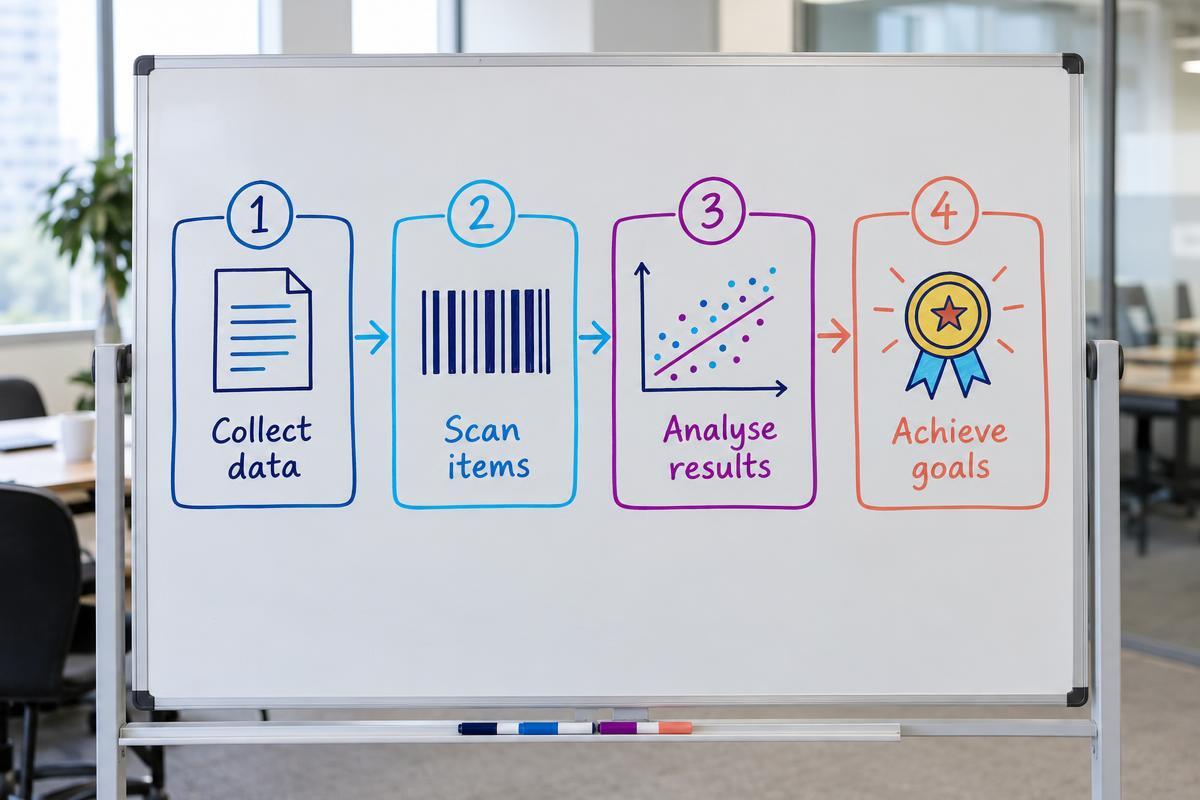
Understanding the technical shift requires looking at exactly how the old and new methods handle the same data. The difference dictates how candidate matching software improves hiring quality for modern organisations.
| Feature | Legacy keyword filtering | Semantic AI matching |
|---|---|---|
| Search method | Exact match boolean logic | Contextual language processing |
| Synonym handling | Requires manual programming | Understands natural language variations |
| Skill evaluation | Binary pass or fail | Assesses depth and recency of experience |
| Profile ranking | Alphabetical or chronological | Scored dynamically by role relevance |
| Context awareness | None | Differentiates between leading and assisting |
A keyword system treats a candidate who took a one-day introductory course the exact same way as a professional with a decade of daily experience. The semantic matching system reads the surrounding context (such as job titles, project descriptions and tenure) to weight the actual depth of that experience appropriately.
Skills and qualifications only tell you if a person is capable of doing the work. They do not tell you how that person will approach the work, or whether they will clash with the existing team. Hiring on skills alone is like buying a house from the floor plan. You are missing the neighbourhood.
Comprehensive systems now measure behavioural alignment alongside technical capability. They look at work style preferences, intrinsic motivations and communication habits. This is where you assess a candidate's Work Personality to see if they naturally lean toward execution, analysis, or team coordination.
Compono Hire is an applicant tracking system (ATS) that matches candidates to culture, not just keywords. It scores applicants across skills, qualifications and organisational fit in one central dashboard. When you understand who people are, not just what they can do, hiring gets better and people stay longer.
As artificial intelligence takes a larger role in screening resumes, regulators are stepping in to protect candidates. Managing people insight risk now means ensuring your algorithms do not perpetuate historical biases or discriminate against protected classes.
New York City Local Law 144 explicitly targets automated employment decision tools. It requires employers to subject their AI matching software to independent, third-party bias audits annually. The European Union AI Act goes further, officially classifying recruitment and candidate ranking algorithms as high-risk systems. This classification demands strict data governance, transparency and human oversight.
Data privacy protocols under the General Data Protection Regulation (GDPR) and the California Consumer Privacy Act (CCPA) also dictate how candidate profile data can be enriched or stored. If your matching engine scrapes external web data to build a fuller candidate profile, you must secure explicit consent. The technology cannot operate in a black box.
Compliance frameworks consistently demand human oversight. You cannot let an algorithm autonomously reject candidates without a person monitoring the parameters. A human must define the scoring criteria, review the shortlists, and make the final employment offer.
The technology exists to highlight talent you might have missed, not to make irreversible hiring choices in the dark. AI can get you shortlisted, but a human still decides. Auditing your software for adverse impact ensures that the machine supports fair, objective outcomes rather than amplifying existing prejudices.
Adopting advanced matching technology transforms the recruitment workflow and delivers measurable business outcomes. It removes the manual burden of reading hundreds of identical applications, freeing HR leaders to focus on strategic workforce planning and candidate engagement.
The adoption rate reflects these advantages. A 2025 benchmark covering more than 66,000 candidate surveys and 110 organisations found that 39% of North American employers used AI recruiting technology to screen, match, or rank applicants. The companies using these tools report significant improvements in funnel efficiency and placement quality.
One reported case study used relevance scores from 0 to 100 based on job requirements, past roles, distance, and shift availability. In that same study, automated matching reduced irrelevant applications reaching employers by 65% and cut average time to hire by 58%. When recruiters only spend time speaking with highly aligned candidates, the entire hiring machine accelerates.
These numbers align with our own observations in the field. When businesses use intelligent matching correctly, they see rapid improvements in process speed and team quality. The Coffee Club's recipe for hiring success demonstrates how deploying smart technology enables consistent, high-quality recruitment across hundreds of locations simultaneously.
Our platform handles process risk and people insight risk at the same time. Compono Hire scores every applicant on their skills, qualifications and cultural alignment, so you can find the right person faster without compromising on team fit.
Candidate matching software reduces bias by evaluating applicants strictly against pre-defined, job-relevant criteria rather than demographic information. By anonymising resumes and focusing semantic analysis purely on skills and experience, the system ignores factors like name, gender or educational prestige that often trigger unconscious bias in human reviewers.
Modern matching tools can read most standard resume formats, including PDF and Word documents. Advanced natural-language processing allows the parser to work through complex layouts, columns and creative designs to extract structured data accurately, though simple text-based formats remain the most reliable for parsing engines.
Semantic search in recruitment is a technology that analyses the intent and contextual meaning behind words rather than looking for exact character matches. If a recruiter searches for a "front-end developer", a semantic search will also return candidates who list "UI engineer" or "React specialist" because it understands those roles require the same underlying skill sets.
No, candidate matching software does not replace recruiters. It automates the administrative heavy lifting of sorting and ranking initial applications. This frees recruiters to spend their time on strategic work like interviewing, relationship building, negotiating offers and assessing the nuanced cultural fit that machines cannot fully evaluate.
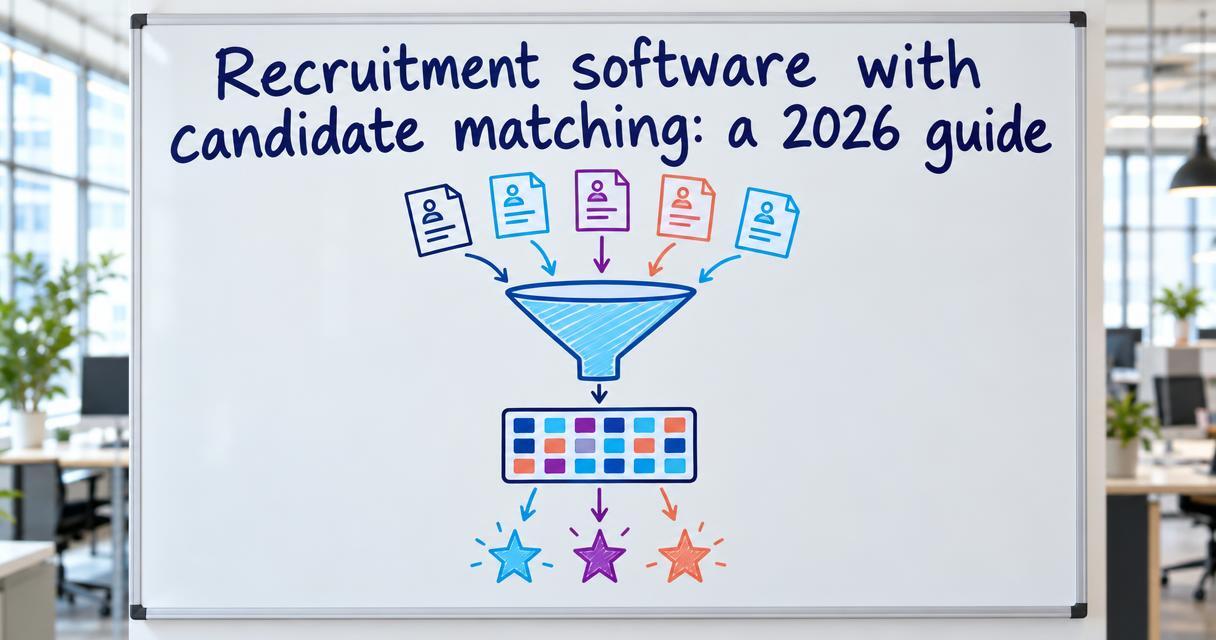
How recruitment software with candidate matching cuts hiring time, reduces bias and improves quality of hire. See how it works.

Can an applicant tracking system really improve hiring outcomes? How modern ATS tools reduce bias and help you find people who stay longer.

What hiring application software actually does, the features that matter when you compare options, and how to tell if your team needs one.
 Compono