

.webp)

 Rudy Crous


Solving the AI slop problem in recruitment software
 Mathan Allington
AI-written applications are clogging hiring pipelines. Why keyword filters miss them, and how matching on work personality surfaces real candidates.
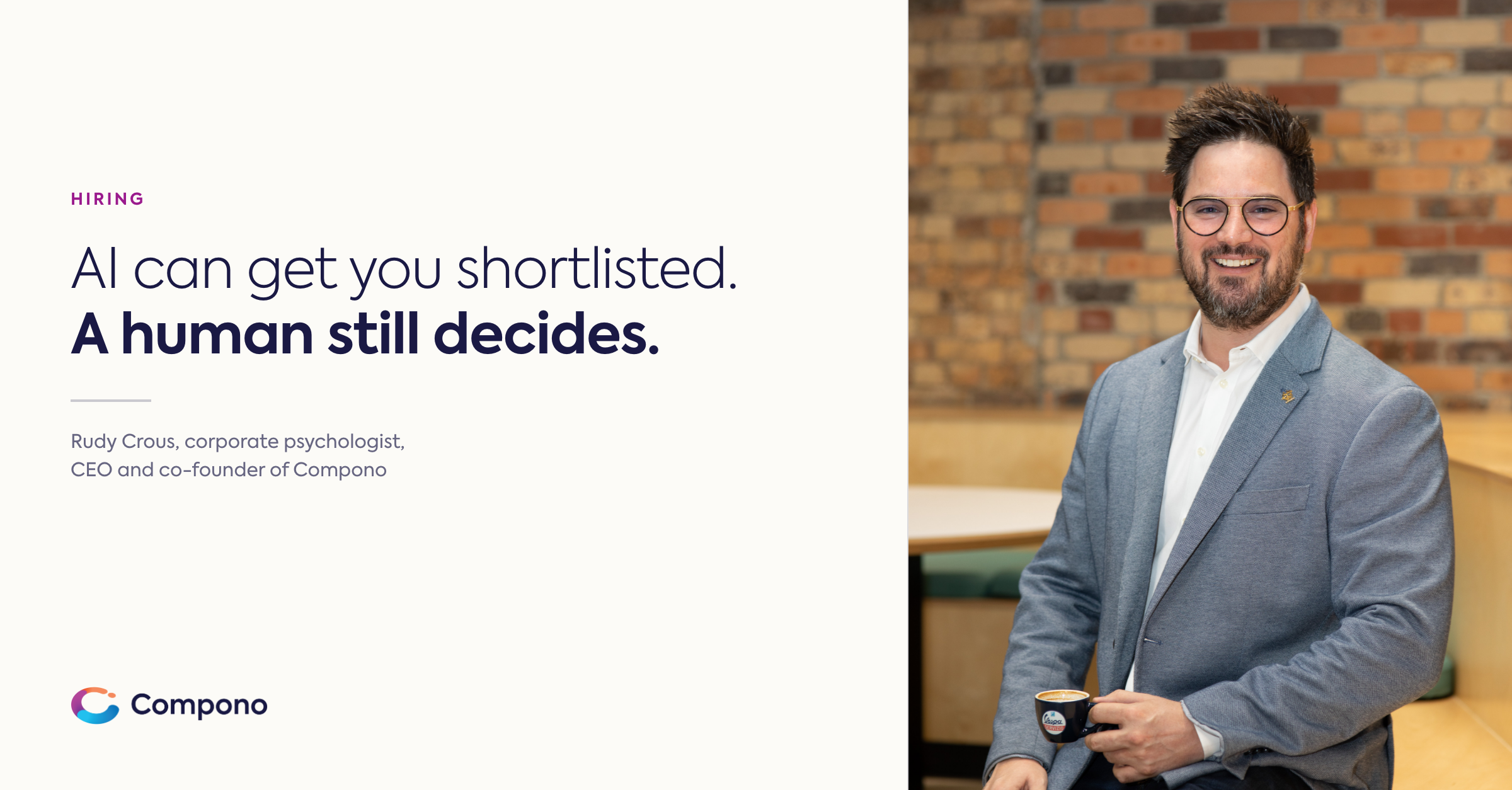
I spent 25 minutes on ABC Radio National on Monday with Lisa Leong, talking about how you get hired when both sides of the table have handed the job to a machine.
The honest picture is a bit absurd when you say it out loud. Candidates are using AI to write applications. Employers are using AI to read them. Software talks to software for a few rounds, and then a human being still has to sit down and choose who they want to work with.
Most of the advice floating around at the moment only deals with the first half of that.
My first bit of advice to job seekers isn’t romantic. Don’t avoid AI. Use it to your advantage.
That starts with writing a CV a screening system can actually read. Use the language from the job ad. Use the job titles you really held, not the clever internal ones your last employer invented. Keep the formatting plain. Strip out the graphics and the tables, because they turn a readable document into mush the moment a parser gets hold of it.
I know that advice feels like surrender. It isn’t. You’re not writing for the robot because the robot matters. You’re writing for the robot so a person gets the chance to read you at all.

The AI screens you in or screens you out. There’s still a person at the other end who decides whether you fit the team and the job.
Skills can be taught. Qualifications can be obtained. Fit is a very tough thing to replace, and it’s the thing most applications say nothing about. If you have understood what the organisation is actually trying to do, what the team is missing, and what you bring that the people already there don’t, say so plainly. That’s the part no screening tool has an opinion about.
The CV, meanwhile, is carrying less weight than it used to. Employers trust it less every year, and the arms race over who wrote what is only warming up. There’s talk now of the AI vendors watermarking their own output so employers can tell what was machine-written. Whether that particular idea sticks or not, the direction is obvious enough. Assume the thing you paste in can be recognised for what it is.
This is the part I care most about, and it’s aimed at the people doing the hiring.
Recruitment has always involved discernment. You’re working out who has the capability the role needs. That’s the job. The risk isn’t in making the judgement, it’s in what you’ve handed the judgement to.
On the same episode, Dr Natalie Sheard from the University of Melbourne laid out her research into discrimination by AI hiring systems, and the litigation that follows when those systems quietly bake bias into a process at scale. She’s right to be worried, and the fix is less exotic than people expect.
If you were buying a psychometric assessment, you’d ask for the evidence before you signed. What’s the validity? What’s the reliability? Nobody would let you skip that.
Somehow, when the same decision arrives wrapped in a nice interface, the questions stop. Teams buy on the demo, on price, and on how good the dashboard looks in the boardroom.
So stop for a second and ask your vendor about the psychometric properties of the tool. If the answer is a shrug, or a lot of noise about proprietary models, you’ve learned something useful. Those rules should apply to anything screening, ranking, or matching your candidates, and if the vendor can’t answer, you’re the one explaining it later.
One more thing worth holding onto. The purpose of a good process is to filter people in, not out. If your tool is only ever narrowing the pile, you’re optimising for the wrong outcome.
Plenty of people are now facing an avatar instead of a person, and reporting how bleak that feels. I understand it. My practical advice is still the same as it was ten years ago.
Know the job you applied for. Hit the criteria. Keep each answer to somewhere between 90 and 120 seconds, and use STAR: situation, task, action, result. Give the example, then give the evidence. What did you actually change, and how would someone measure it.
Then practise. Out loud, more than once, like an athlete would. I boxed as a young bloke and the fear before you step in is always worse than the round itself, but only if you’ve done the work beforehand. Nobody performs well cold.
And if the avatar asks what fruit you would be, relax. It’s not about the fruit. Say whatever fruit you like. What’s being assessed is whether you can think on your feet and hold a logical line under pressure. That’s been true since long before any of this was automated.
The tools have changed enormously in two years. What a good hire looks like hasn’t moved at all.
I joined Lisa Leong on ABC Radio National’s This Working Life alongside Dr Natalie Sheard, a lawyer and researcher at the University of Melbourne. There’s a write-up of the interview on our press page.

AI-written applications are clogging hiring pipelines. Why keyword filters miss them, and how matching on work personality surfaces real candidates.
Real Hey Compono user stories plus the research on AI coaching effectiveness: honest disclosure, faster change, and support at 2am when you need it.
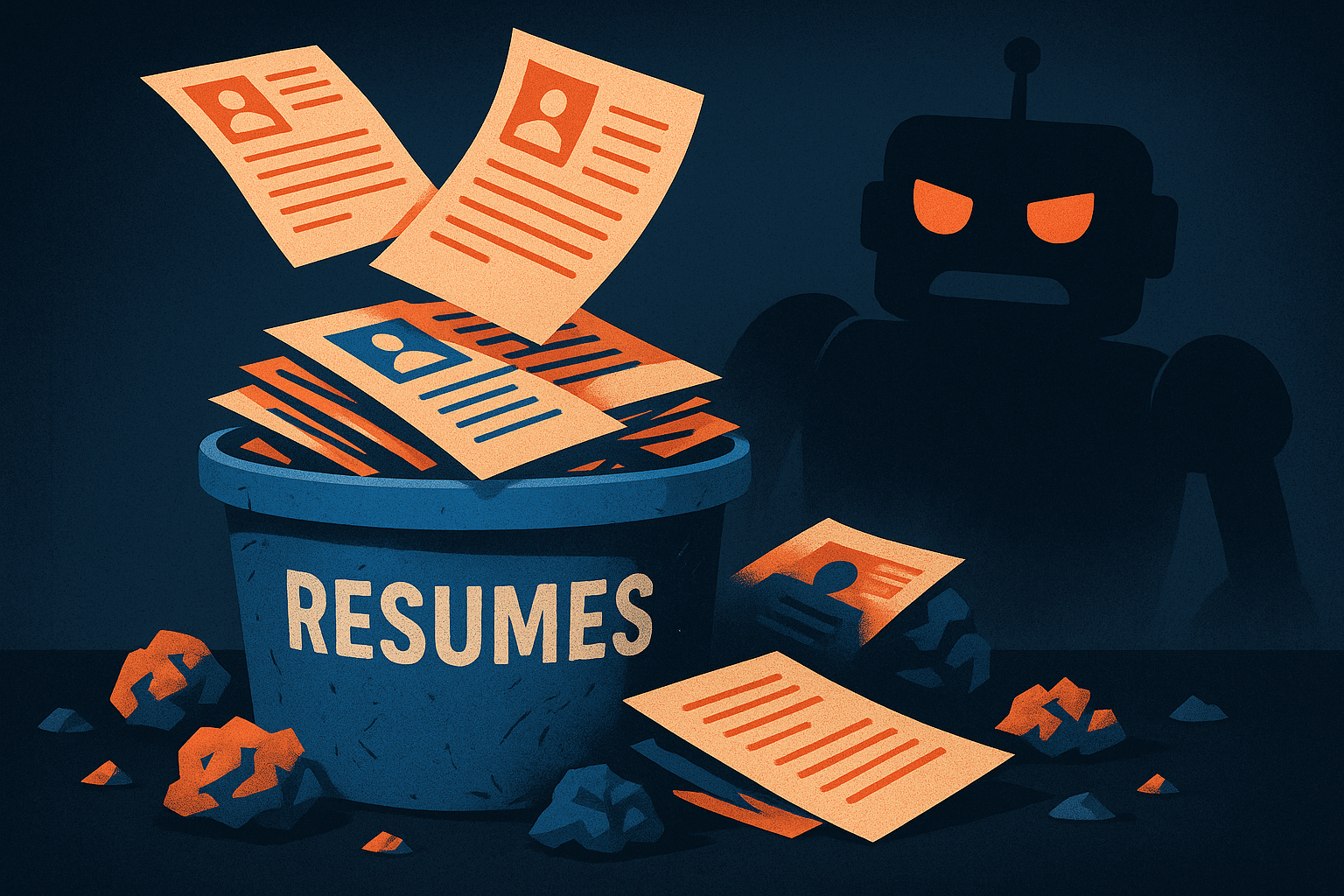
AI-generated résumés are chaos. Discover how “hiring slop” is burying genuine talent and learn smarter hiring strategies that go beyond the broken...