


 Mathan Allington

Can you ask about age in a job interview in Australia?
 Mathan Allington
Asking about age in a job interview carries legal risks under Australian law. Discover the exceptions, compliance rules, and what to ask candidates.
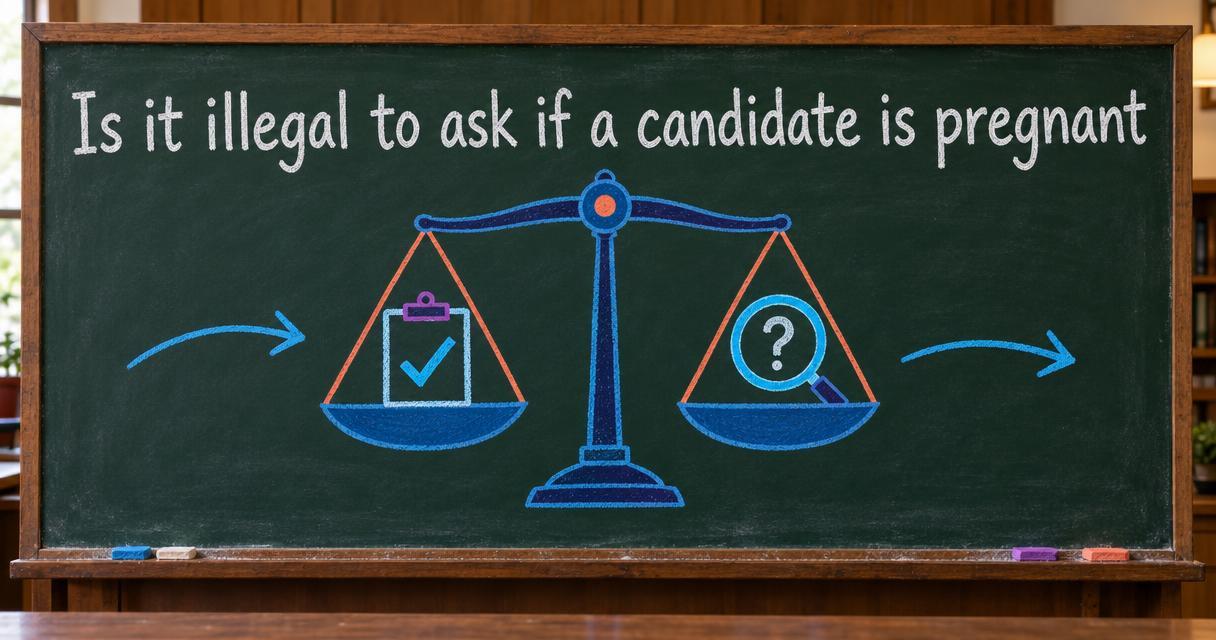
If you are wondering is it illegal to ask if a candidate is pregnant australia, the answer is a definitive yes because pregnancy is a protected attribute under federal law.
Last reviewed November 2026
Key takeaways
- The Sex Discrimination Act 1984 prohibits employers from making hiring decisions based on pregnancy or potential pregnancy.
- Asking a candidate if they are pregnant exposes the business to adverse action claims under the Fair Work Act 2009.
- Workplace health and safety concerns do not legally justify asking direct questions about family planning.
- Employers must use structured interviews to assess a candidate entirely on their capacity to perform the inherent requirements of the role.
The interview room should evaluate merit and capacity to do the job. Bias often creeps in when interviewers confuse personal attributes with professional capability. Despite strong federal protections, discrimination against pregnant candidates and workers remains a systemic problem in the Australian labour market.
A 2024 University of South Australia survey of 1,048 pregnant and parent workers found 89% reported discrimination during pregnancy. The problem often extends beyond the hiring phase. In the same 2024 survey, 23.3% of respondents said they received hints that they should quit because of their pregnancy. The regulatory bodies are also seeing a rise in formal grievances. Alleged pregnancy-discrimination complaints received by the Australian Human Rights Commission increased from 54 in 2021 to 72 in 2025, according to SBS News.
When recruiters and hiring managers ask inappropriate questions, they introduce severe legal and financial risks to their organisation. They also miss out on top talent who withdraw their applications after experiencing a discriminatory interview process.
In Australia, asking a candidate about their pregnancy status breaches several layers of legislation. The primary shield for candidates is the federal Sex Discrimination Act 1984. Pregnancy is a protected attribute under Australia’s Sex Discrimination Act 1984, making questions such as "Are you pregnant or planning to become pregnant?" legally risky in recruitment, as noted by Your HR Toolkit.
The Fair Work Act 2009 reinforces this through its general protections provisions. An employer takes adverse action if they refuse to hire someone because they possess a protected attribute. If a candidate is asked about pregnancy and subsequently does not receive a job offer, the burden of proof rests entirely on the employer to prove the decision was based on merit.
This applies equally to recruitment agencies and direct employers. A recruitment agency cannot screen out a pregnant candidate just because a client prefers someone who will not need parental leave. Both the agency and the client share liability for discriminatory practices. To check your compliance, you can review interview questions that are illegal or risky under Australian employment law.
Many employers mistakenly believe they must ask about pregnancy to comply with workplace health and safety obligations. They assume that if a role involves heavy lifting or exposure to specific chemicals, they have a legal right to know if a candidate is pregnant. This is a myth that routinely lands businesses in legal trouble.
You must evaluate the person against the inherent requirements of the job. If the role requires lifting 20-kilogram boxes, you ask the candidate if they can safely perform that specific physical task. You do not ask if they are pregnant. If the candidate accepts the role and discloses a pregnancy later, the employer then works with them to manage health and safety risks appropriately.
Mixing WHS requirements with discriminatory screening questions violates the law. Employers need to trust their occupational health assessments rather than relying on illegal interview questions to manage risk.
Being asked an illegal question during an interview is jarring. Candidates often feel pressured to answer to avoid seeming uncooperative. You have the right to decline the question, but the way you handle it can help you maintain professionalism while setting a boundary.
One strategy is to redirect the question to the core requirements of the job. If an interviewer asks about your family plans, you could say: "I assume you are asking because you need to know if I am fully committed to the travel requirements of this role. I can assure you I am completely available for the travel schedule outlined in the job description."
Another approach is a polite but firm refusal. You might say: "I prefer to keep my personal life separate from my professional life, but I am very excited about the responsibilities of this position and my capacity to deliver results for your team." If the interviewer presses the issue, it is a strong indicator of a toxic culture. Walking away from an employer who openly violates anti-discrimination laws in recruitment is often the smartest career move.
If you face adverse action because of your pregnancy status, you have legal avenues for recourse. The first option is the Fair Work Commission. If you believe you were denied a job specifically because of a protected attribute, you can lodge a general protections dispute. Strict time limits apply, especially if the discrimination resulted in dismissal from an existing job.
The second option is the Australian Human Rights Commission. You can lodge a formal complaint regarding discrimination under the Sex Discrimination Act. The AHRC will generally attempt conciliation to resolve the dispute. If conciliation fails, you may take the matter to the Federal Court or the Federal Circuit and Family Court of Australia.
Keep careful records. Write down the exact questions asked during the interview, the names of the interviewers, the date, and any subsequent communication regarding the job offer. Documentation is your strongest asset when challenging discriminatory recruitment practices.
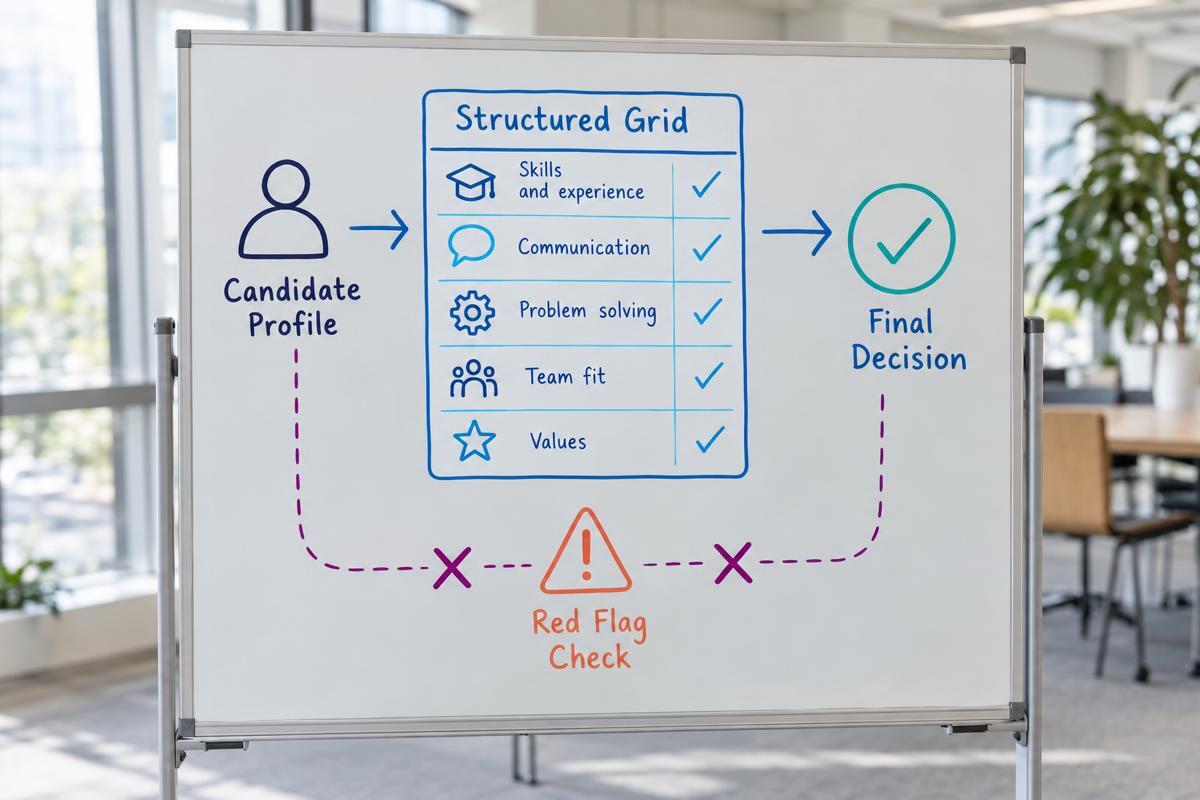
To avoid legal risk and hire the best person for the job, employers must move away from conversational, unstructured interviews. Unstructured interviews encourage managers to ask personal questions to "break the ice", which frequently cross the line into illegal territory. Instead, employers should use structured interviews built on objective scoring rubrics.
Every question must relate directly to the competencies required for the role. Instead of asking about personal commitments, focus on behavioural interviewing. Ask candidates to describe a time they managed competing priorities or handled a high-stress project. This gives you concrete evidence of their capability without violating their privacy.
Standardising the interview process ensures every candidate is asked the exact same questions in the exact same order. This removes the opportunity for rogue interviewers to ask about pregnancy, creating a fair, legally compliant, and defensible hiring process.
To hire fairly and stay compliant with Australian law, you need a system that enforces objective candidate evaluation. Compono provides the tools to build structured, scored interviews that evaluate candidates on merit and culture fit rather than protected personal attributes.
No. Asking about your family plans, marital status, or intentions to have children is unlawful in Australia. These questions relate to protected attributes under the Sex Discrimination Act 1984 and cannot be used to make hiring decisions.
You have no legal obligation to disclose your pregnancy during a job interview in Australia. You are only required to disclose medical conditions if they prevent you from safely performing the inherent physical requirements of the role.
You can politely decline to answer by steering the conversation back to your professional qualifications. If you are rejected for the role and believe it was due to this question, you can lodge a complaint with the Fair Work Commission or the Australian Human Rights Commission.
Withdrawing a job offer solely because a candidate reveals they are pregnant is a form of adverse action. This is illegal under the Fair Work Act 2009. The employer would need to prove they withdrew the offer for a completely different and lawful reason.
No. Employers should ask all candidates if they can perform the specific physical tasks required by the job safely. They cannot single out female candidates to ask if they are pregnant under the guise of occupational health and safety.
Asking about age in a job interview carries legal risks under Australian law. Discover the exceptions, compliance rules, and what to ask candidates.
Learn what Australian employers can legally ask about disability during a job interview, the difference between general inquiries and inherent.

The candidate experience survey questions worth asking in 2026, and how to measure the feedback and improve your hiring process.
 Compono