

.webp)

 Mathan Allington


Psychometric Testing for Recruitment: 2026 Guide & Alternatives
 Mathan Allington
The advantages and disadvantages of psychometric testing for recruitment in 2026, and how behavioural science is replacing pass or fail exams.

Yes, psychometric testing is legal in Australia, provided the assessment is strictly job-related, scientifically valid, and does not breach anti-discrimination laws.
Key takeaways
- Psychometric testing is completely legal for Australian employers when used fairly and consistently to assess inherent job requirements.
- No government body officially certifies tests as "legal", compliance is determined by a tool's scientific validity and lack of discriminatory impact.
- Tests must not indirectly discriminate against candidates on the basis of neurodiversity, mental health, or other protected attributes under Australian law.
- To be legally defensible, assessments must be scientifically reliable, validated for their intended purpose, and administered by qualified professionals.
- Using modern, job-specific behavioural frameworks, rather than clinical psychological tests, significantly reduces legal risk for employers.
Modern hiring is complicated. As Australian employers seek better ways to predict candidate success, many are turning to data-driven assessment tools. But with increased scrutiny on workplace fairness, diversity, and inclusion, HR leaders and business owners are rightly asking a critical question: is psychometric testing legal in Australia?
The short answer is yes, but the legal environment is nuanced. The days of throwing a generic, unvalidated personality quiz at a candidate and making a hiring decision based on a "gut feeling" about the results are over. Today, the Fair Work Commission and anti-discrimination bodies expect employers to use rigorous, fair, and highly relevant tools.
If you are considering implementing assessments in your recruitment process, or if you want to audit your current tools for compliance, this guide will walk you through what psychometric testing measures, how Australian employers use it, and the essential legal and fairness considerations you must navigate in 2026.
Before diving into the legalities, it is important to understand exactly what these tools are evaluating. Psychometric testing is a broad term that encompasses a variety of structured assessments designed to measure an individual's mental capabilities and behavioural style. Broadly, these fall into two categories: cognitive ability tests and personality or behavioural assessments.
Cognitive ability tests measure aptitudes such as numerical reasoning, verbal reasoning, and abstract problem-solving. These are generally straightforward from a legal perspective, provided the level of cognitive ability being tested is genuinely required for the job. For example, testing a prospective data analyst on numerical reasoning is highly relevant; testing a warehouse packer on advanced verbal reasoning may not be.
Personality and behavioural assessments, on the other hand, look at how a person naturally prefers to work, communicate, and interact with others. This is where the legal considerations become more complex. Clinical psychological tests, those designed to diagnose mental health conditions, have no place in standard employment screening. Instead, employers must use occupational assessments that focus strictly on workplace behaviours and traits.
Australian businesses across all sectors use psychometric testing to make more informed, objective decisions about their people. The most common application is in recruitment and selection. By adding an objective data point to the hiring process, employers can look beyond the polished résumé and rehearsed interview answers to understand a candidate's true potential.
Beyond hiring, these tools are frequently used for leadership development, succession planning, and team building. When a business understands the natural work preferences of its employees, it can tailor communication styles, design better project teams, and identify future leaders who possess the right behavioural traits for management roles.
In high-stakes environments, such as mining, aviation, or emergency services, testing is also used to manage risk. In these sectors, ensuring an employee has the right safety-conscious behavioural profile is just as important as checking their technical qualifications.
The legal framework governing psychometric testing in Australia is primarily built around anti-discrimination legislation, including the Disability Discrimination Act 1992 and the Fair Work Act 2009. The core principle is that an employer must not use a test that unfairly disadvantages a candidate based on a protected attribute.
As industry experts note, personality testing at work is legal in Australia provided the assessment is strictly job-related, scientifically valid, and does not breach anti-discrimination laws. The challenge for employers is ensuring their chosen tool meets these criteria in practice.
One of the biggest concerns is indirect discrimination. This occurs when a seemingly neutral test inadvertently screens out candidates with specific conditions. For example, psychometric testing presents significant legal risks in Australia due to potential indirect discrimination claims, as tests measure traits that may reflect underlying medical or developmental conditions like neurodiversity or mental health. If a highly qualified neurodivergent candidate fails a test because it relies heavily on interpreting subtle social cues that are not actually required for the job, the employer could be facing a discrimination claim.
It is also crucial to understand that there is no government body that approves psychometric tests or certifies them as "legal"; legality is determined by courts and regulators after use based on evidence of fairness, relevance, and lack of unlawful disadvantage to protected groups. The burden of proof lies entirely with the employer to show that the test was fair and necessary.
However, testing is fully supported by the legal system when used correctly. For instance, in McDonald v Resolution Life Australasia Limited (2024), the NSW Supreme Court confirmed insurers have a right to compel plaintiffs to undergo psychometric testing as part of appropriate medical examination, highlighting that the courts recognise the scientific validity of these tools when applied in the right context.
Because the legal responsibility rests on the employer, selecting the right assessment tool is paramount. You cannot simply download a free personality quiz from the internet and use it to make hiring decisions. Doing so exposes your business to significant legal and reputational risk.
So, what makes a tool legally sound? Legally defensible psychometric assessments must be scientifically reliable, validated for their intended purpose, administered by a qualified registered psychologist, and relevant to the inherent requirements of the role.
When evaluating vendors, HR leaders must ask for technical manuals and validity studies. To be legally defensible, a test must demonstrate validation (scientifically proven to measure what it claims), job relevance (questions relate directly to tasks), and consistency (given to every applicant for the same role). Consistency is particularly vital, you cannot ask only certain candidates to complete a test based on their background or age, as this is direct discrimination.
the tool should measure traits that genuinely matter for the specific job. If you are hiring a software developer who will work entirely independently, scoring them poorly because they lack extroverted sales traits is not only bad hiring practice, it is legally risky, as it fails the "inherent requirements of the role" test.
To navigate these legal complexities, many modern Australian businesses are moving away from traditional, clinical-feeling psychometric tests and towards frameworks specifically designed for the workplace. This is where focusing on work personality becomes a highly practical and legally sound strategy.
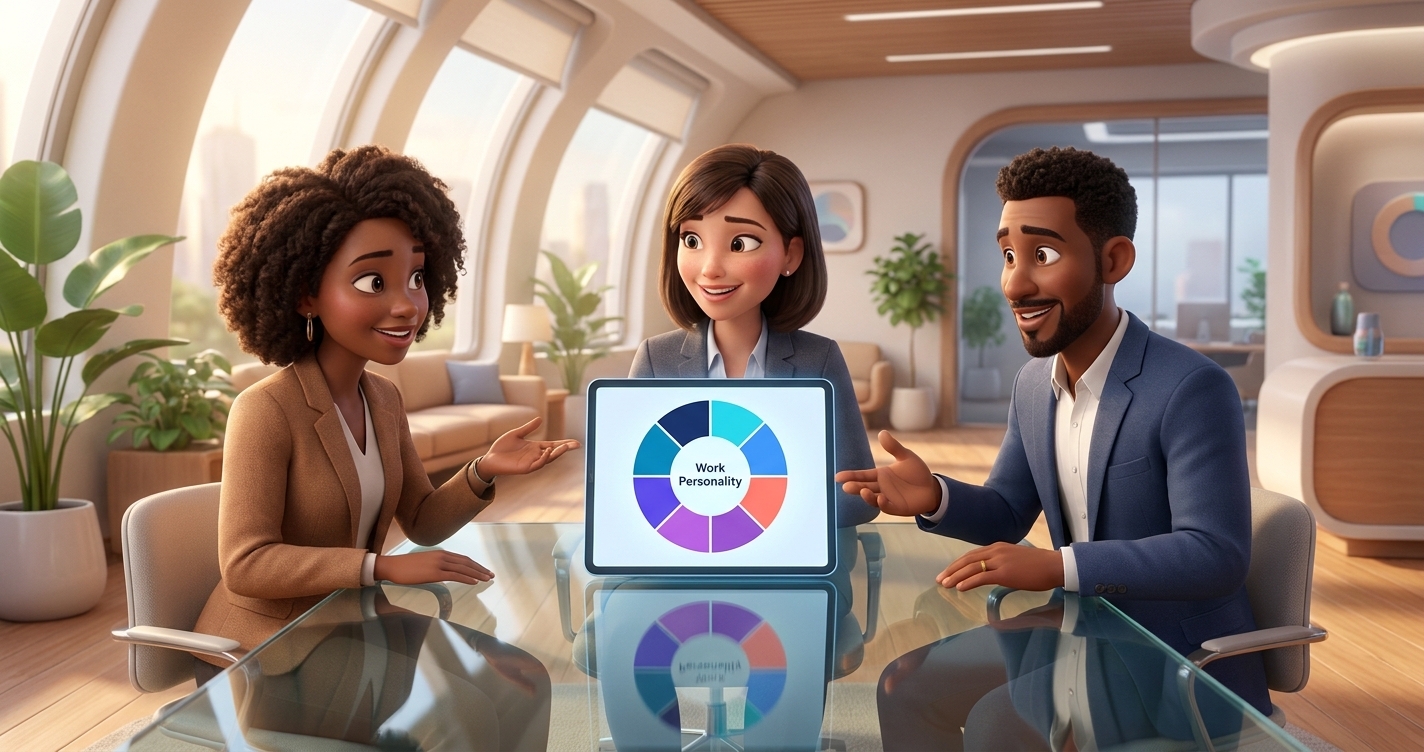
At Compono, we have fused academic research into high-performing teams with personality theory to map the natural work preferences of individuals. Rather than trying to diagnose deep psychological traits, our approach focuses entirely on the 8 key work activities that all high-performing teams do: Evaluating, Coordinating, Campaigning, Pioneering, Advising, Helping, and Doing. This keeps the assessment strictly focused on occupational behaviours, drastically reducing the risk of measuring traits tied to neurodiversity or mental health.
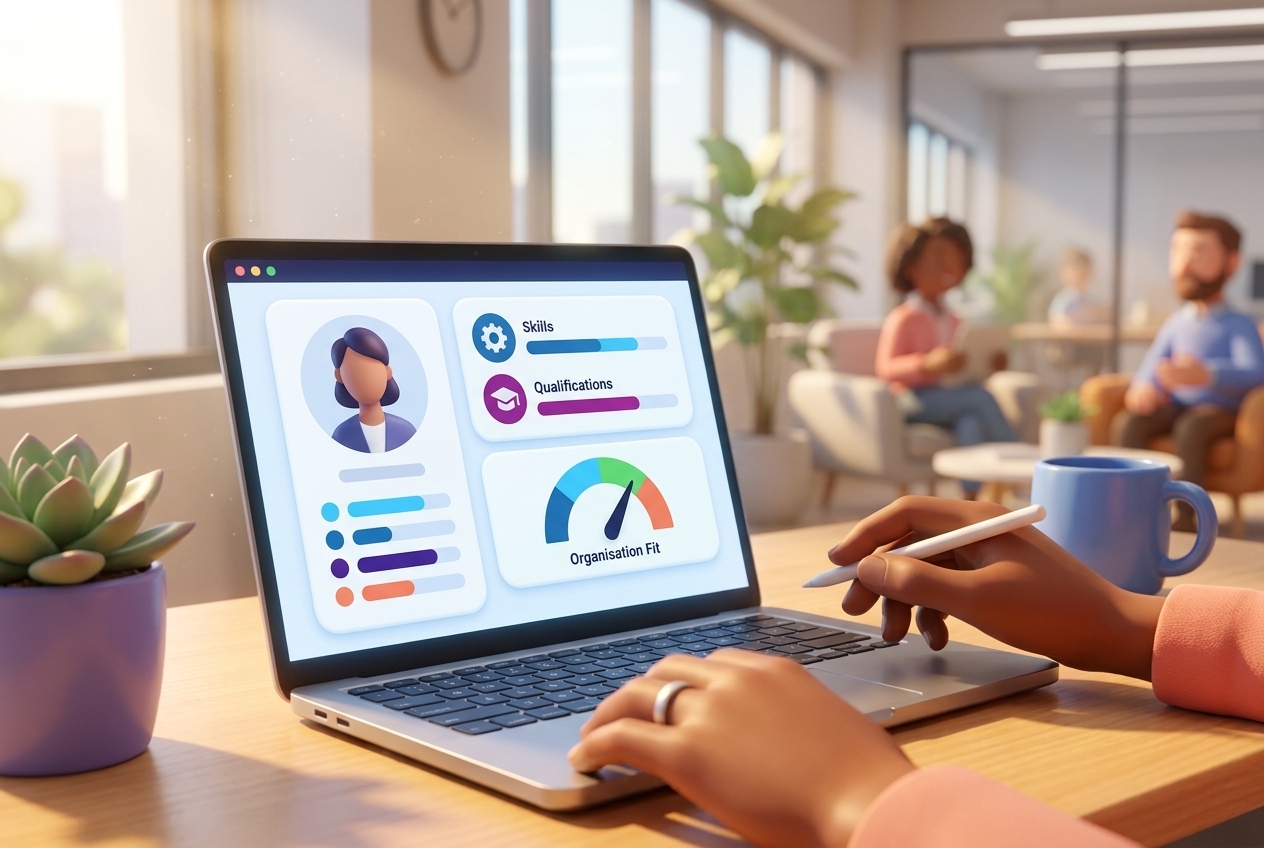
When integrating these insights into your hiring process, a whole-of-business approach is best. For example, Compono Hire is not a "personality-only" assessment tool. It evaluates candidates comprehensively across three critical dimensions: Organisation Fit, Skills, and Qualifications. By ensuring that behavioural insights are just one part of a broader, objective evaluation of a candidate's ability to perform the inherent requirements of the role, employers can confidently make data-driven decisions that are both fair and legally defensible.
Ultimately, understanding work personality allows leaders to balance the work activities that need to be done with people's natural preferences, setting the groundwork for high-performing teams without crossing into invasive or discriminatory territory.
Key insights
- Psychometric testing is a legal and highly effective way to improve hiring decisions in Australia, provided the tools used are scientifically valid and directly related to the job.
- Employers bear the legal responsibility for ensuring their chosen assessments do not indirectly discriminate against protected groups, particularly neurodivergent candidates.
- To ensure legal defensibility, testing must be applied consistently to all candidates for a specific role, rather than selectively.
- Moving away from clinical psychological tests toward modern, workplace-specific behavioural frameworks helps mitigate legal risks while providing more actionable insights.
- The safest and most effective hiring strategies evaluate candidates holistically across skills, qualifications, and organisational fit, rather than relying on personality metrics alone.
Ready to build high-performing teams using scientifically backed, legally defensible, and job-relevant candidate assessments?
If you'd like to talk through how Compono can support your team, we're happy to walk you through it. No pressure, just a conversation.
Related reading
Yes, an employer can require candidates or existing employees to complete a psychometric test, provided it is a reasonable and lawful direction. The test must be relevant to the inherent requirements of the role, and the employer must ensure the process does not breach anti-discrimination laws or the Fair Work Act.
You cannot "fail" a personality or behavioural assessment in the traditional sense, as there are no right or wrong answers, only different working styles. However, you can fail a cognitive ability or aptitude test if you do not meet the benchmark required for the specific role.
If a test unfairly screens out a neurodivergent candidate because it measures traits unrelated to the actual job, the employer could face an indirect discrimination claim. Employers are legally required to make reasonable adjustments to the testing process if requested, such as allowing extra time for cognitive tests or providing alternative assessment methods.
It depends on the complexity of the tool. While modern software platforms automate the delivery and scoring of many workplace assessments, the underlying science and validation of the tool must be developed by qualified organisational psychologists to be legally defensible.
No, an employer generally cannot use the results of a personality or psychometric test as the sole basis for termination. Performance management and termination must be based on actual job performance, conduct, and adherence to company policies, in accordance with Australian employment law.
The advantages and disadvantages of psychometric testing for recruitment in 2026, and how behavioural science is replacing pass or fail exams.
How pre-employment behavioural assessment tools help you evaluate candidates accurately, reduce hiring bias, and improve team retention.
.png)
AI has made every CV look polished. Here is why employers are turning to psychometric assessments to find real fit, and how to build them into hiring.