

.webp)

 Mathan Allington


What is a behavioural profile test for modern teams
 Compono
Discover what a behavioural profile test is and how HR leaders use work personality data to improve hiring decisions and team performance.
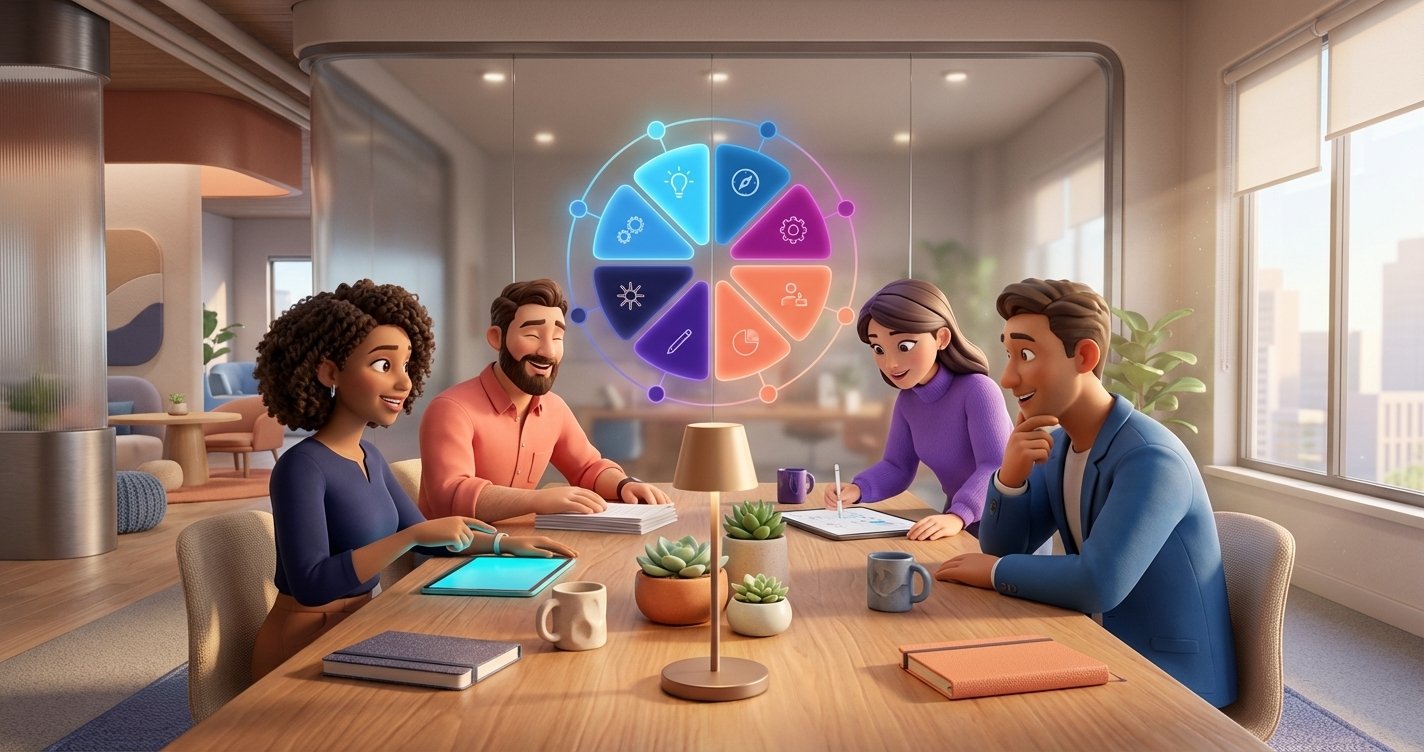
Myers Briggs was never designed for hiring. The MBTI is a self-reflection tool built on Jungian theory, and it lacks the predictive validity to tell you whether a candidate will succeed in a specific role. Work personality assessments, which measure how people actually behave at work, are the evidence-based alternative.
Last reviewed July 2026.
The MBTI is popular for a reason: it is familiar, easy to talk about, and gives people a sense of categorisation that feels helpful. But modern hiring needs more than a four-letter label. At Compono, we believe understanding a person's natural work preferences is the key to building high-performing teams that last.
Key takeaways
- Myers Briggs was designed for personal development, not for recruitment or predicting workplace success.
- Effective hiring looks at specific work personality types that map directly to professional tasks and team needs.
- High-performing teams balance eight key work activities, including evaluating, coordinating and pioneering.
- Scientifically backed assessments reduce bias and produce a better fit for both the candidate and the organisation.
When you use Myers Briggs as a primary filter for recruitment, you run into a significant problem: the tool cannot tell you if someone will actually succeed in a specific role. The MBTI was built to help individuals understand their preferences in life, not to help a hiring manager decide between two candidates for a project management role. Even the test's publishers discourage using it for selection.
In a professional setting, knowing someone is an "introvert" or an "extrovert" is not enough. You need to understand their work personality: the specific work activities they are naturally motivated to engage in, and the ones they are likely to avoid. Relying on broad personality tests means hiring for vibes rather than fit, and it produces teams that get along socially but struggle to execute because they lack diversity of work styles.
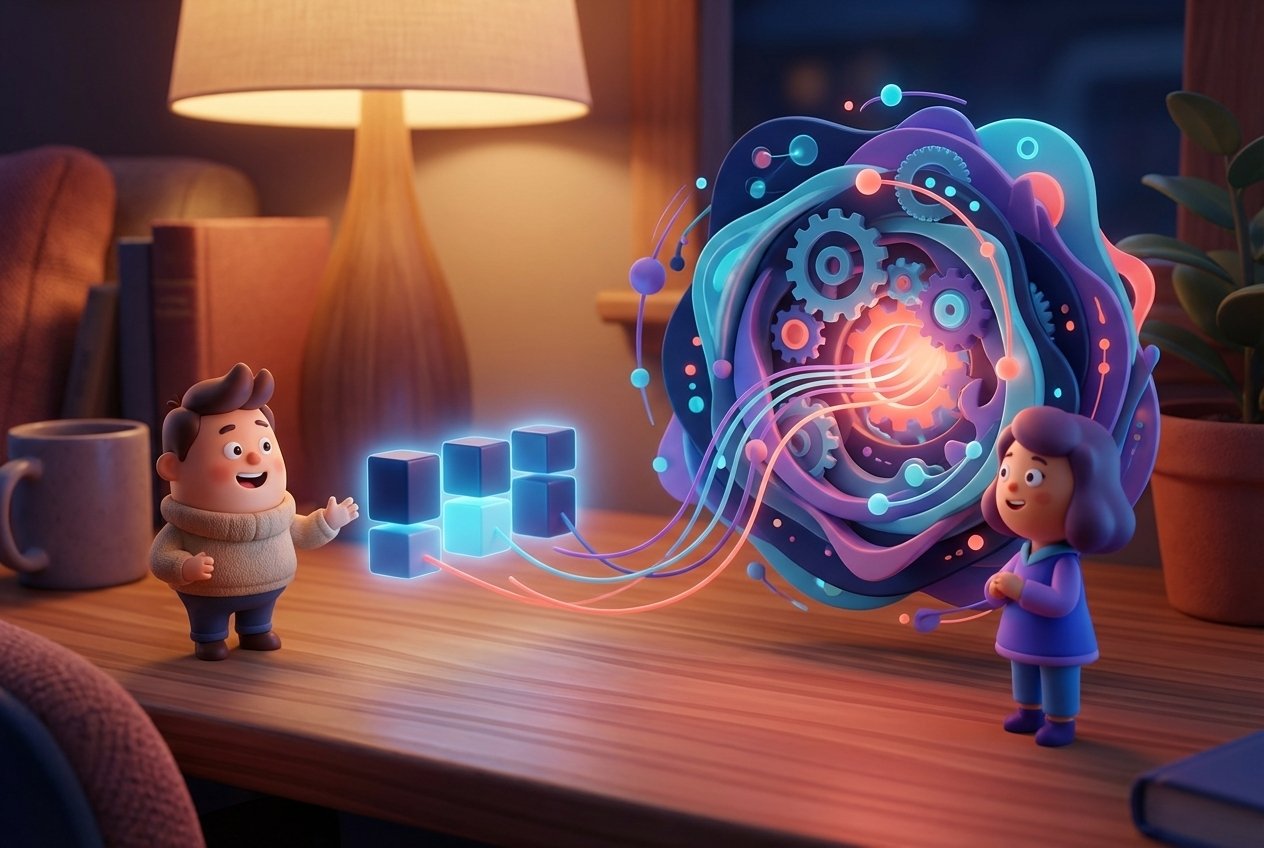
Compono's research identified eight key work activities that every high-performing team must cover, and mapped them to specific work personality types: the Doer, Auditor, Helper, Advisor, Pioneer, Campaigner, Evaluator and Coordinator. This gives a far clearer picture of how a candidate will contribute than a Myers Briggs result ever could.
Consider the Pioneer. An MBTI profile might simply label them "intuitive", but our model identifies them as someone who thrives on new ideas and keeps a team open to change. The Auditor, by contrast, brings the attention to detail that gets work finished to standard. When you understand these distinctions, hiring becomes strategic. You are not looking for a "good person", you are looking for the specific behaviours your team currently lacks. If your team generates plenty of ideas but keeps missing deadlines, you probably need a Coordinator to bring structure and focus.
One of the biggest risks of Myers Briggs hiring is pigeonholing. People are more complex than a four-letter code. A modern hiring process looks at organisation fit: how a candidate aligns with your culture, the specific job requirements and the existing team dynamic, all at once.
Compono Hire assesses candidates across three dimensions (organisation fit, skills and qualifications) and scores them automatically in real time,. You can select the exact work personality you need for a role, whether that is someone who sells the vision like the Campaigner or someone who weighs the options like the Evaluator. It removes the guesswork and the unconscious bias that creeps in when decisions rest on gut feel or outdated frameworks.
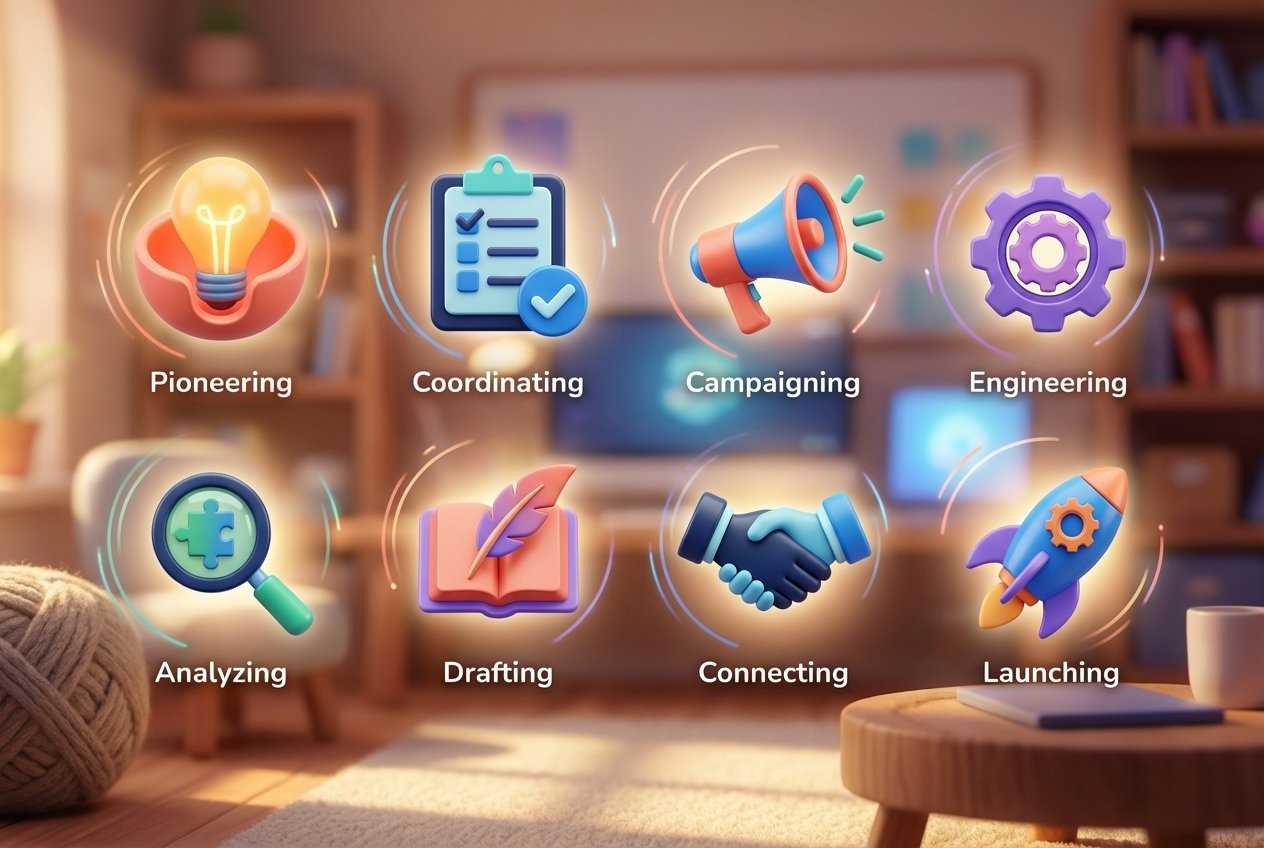
Hiring is only the beginning. Once someone joins, their work personality keeps influencing how the group functions. Teams missing the Helper often see harmony suffer. Teams without the Advisor may act before they have investigated a problem properly. High performance comes from covering all eight work activities, not from stacking the team with one type.
With Compono Engage, leaders can map the collective work personality of an entire team and spot gaps in team design before recruitment even starts. When people work in ways that match their natural preferences, engagement rises, strengths get used, and burnout from energy-draining tasks drops. That is a win for the individual and for the organisation.
Myers Briggs can be a fun team-building exercise, but it does not provide the long-term intelligence needed to scale a business. Compono has fused academic research with personality theory to simplify these human dynamics, so leaders can see how teams think, how they react under pressure, and how to resolve conflict before it escalates. Moving from outdated labels to the science of work personality turns hiring from a game of chance into a strategic advantage.
Four questions, about two minutes, and you will know which of the 8 work personality types you are and what it means for how you work.
Take the Free AssessmentMyers Briggs measures broad psychological preferences for how people perceive the world. Work personality assessments focus on professional behaviours and motivations, and are designed to predict how someone will perform specific tasks and interact within a team, which makes them far more useful for hiring decisions.
It is not illegal in most jurisdictions, but psychologists and the test publishers themselves discourage it because the MBTI was not designed or validated for selection. Using assessments built specifically for the workplace is both fairer and more defensible.
The eight types are the Doer, Auditor, Helper, Advisor, Pioneer, Campaigner, Evaluator and Coordinator. Each corresponds to a critical work activity that high-performing teams need covered.
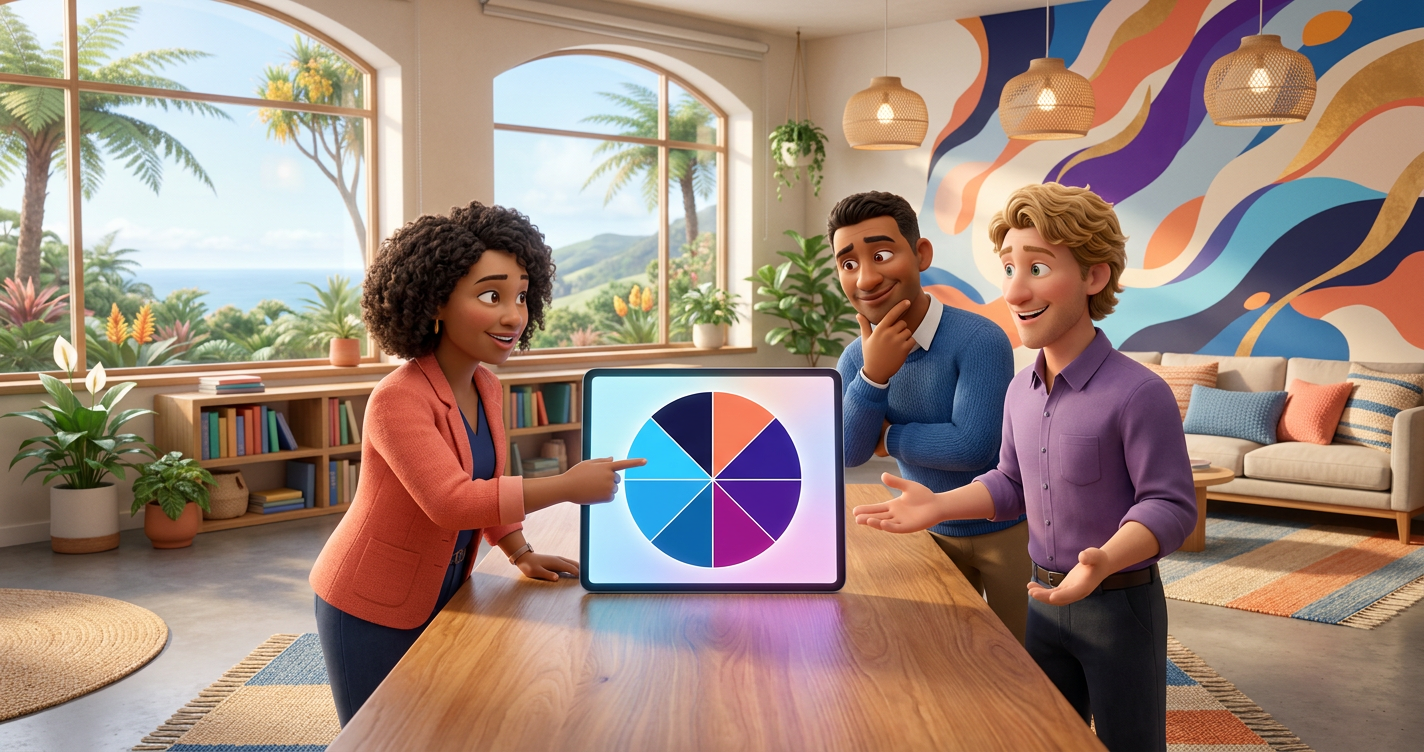
Map your existing team members' work personalities onto a team wheel. The gaps become obvious quickly. A team full of Pioneers with no Coordinator, for example, will likely struggle with execution and deadlines, which tells you exactly who to hire next.
Discover what a behavioural profile test is and how HR leaders use work personality data to improve hiring decisions and team performance.

Discover how a personality test for work ANZ helps teams improve collaboration and performance. Learn to use work personality insights for better...
How a personality test for work in New Zealand can improve hiring, reduce conflict and strengthen team culture with Compono work personality.