

.webp)

 Mathan Allington


Hiring at scale: how to grow your team without losing your culture
 Mathan Allington
How to hire at scale without losing quality: build a repeatable, evidence-based system that matches work personality to every role.

The most common hiring mistakes come from relying on gut feel instead of objective data: prioritising skills over behaviour, letting unconscious bias drive interviews, ignoring the existing team's makeup, and running a poor candidate experience. Fixing them means defining what the role actually requires, assessing work personality, and standardising how you evaluate every candidate.
Last reviewed July 2026.
Most of us have been there. The candidate looks perfect on paper, aces the interview, and you feel the relief of a search finally over. Three months later the cracks show: technically brilliant but clashing with the team, or unable to adapt to how you work.
The cost of a bad hire is not just the salary. Count the recruitment time, the training investment, the hit to team morale, and the lost productivity while the role sits vacant again. Most of these errors trace back to one root cause: the process is too subjective. Interviews favour the most charismatic person, not the most capable one. The fix is to look past the resume at the person behind the credentials, with data to back you up.

The skills trap is the most frequent mistake we see. Certifications and years of experience look reassuring, but skills can be taught. Behaviour and natural work preferences are much harder to change. Hire elite technical ability with a work personality that clashes with the team and you are inviting friction.
A Doer executes tasks with precision, but put them in a role that demands constant risk-taking and reinvention and they feel stifled. A Pioneer thrives on new ideas but struggles when the job is 90% routine administration. The failure happens before the search even starts: the business never defines the work activities the role actually requires. Ask what this person needs to do every day to succeed. Are they evaluating, coordinating or campaigning? When the role's requirements align with a candidate's natural strengths, engagement follows.
We all think we are great judges of character. We have a pleasant chat and walk away with "a good feeling about them". Research says gut feel is often a polite term for unconscious bias: we hire people who are like us, went to the same universities, share our hobbies.
That bias kills diversity of thought. A team of people who think identically will be harmonious right up until it hits a ceiling, because it lacks the healthy friction that solves complex problems. The counter is structure: standardised interview questions, consistent criteria, and objective scoring. The Compono platform scores and ranks candidates on the same data-backed criteria for every applicant, rather than the interviewer's mood on the day.

Hiring never happens in a vacuum. Every new person changes the chemistry of the whole team, yet businesses keep searching for the best candidate in isolation instead of the best candidate for that specific group.
If your team is full of big-picture thinkers and short on detail people, hiring another visionary means more unfinished projects. What you may need is an Auditor, someone who genuinely enjoys order and compliance. High-performing teams cover eight key ways of working, from advising and helping through to evaluating and doing. Map your team's current shape, then hire for the gaps. That turns recruitment from seat-filling into deliberate team design.
In a competitive market, the candidate is interviewing you too. A clunky, slow or impersonal process sends good people to other offers, and they tell their networks about the experience afterwards.
A smooth process signals a healthy organisation. Clear job ads, a simple application, and prompt communication at every stage. Tools like Compono Hire automate the administrative load and keep candidates informed, which frees your team for the human side of hiring. The recruitment process is a candidate's first taste of your culture. If it feels broken, they assume the rest of the business is too.
Compono Hire assesses work personality and organisation fit with validated culture-fit prediction, so you hire for the team, not just the CV.
Talk to usA poor-fit hire increases conflict, lowers morale and erodes trust in leadership. Existing team members pick up the slack, which drives burnout and resentment, and repeated turnover from bad hiring destabilises the culture over time.
Use a structured process backed by objective data: standardised interview questions, anonymised resumes where possible, and work personality assessments that evaluate candidates on natural strengths rather than similarity to the interviewer.
A resume shows what someone has done. A work personality assessment shows how they are likely to behave, what energises them and what drains them. Long-term performance is driven by engagement, so alignment between preferences and the role is what predicts retention.
Sometimes. If the issue is a task mismatch rather than a values clash, realigning responsibilities to better match the person's work personality can work. It takes open communication and flexibility on the role. If core values are misaligned, a fresh start is usually better for both sides.

How to hire at scale without losing quality: build a repeatable, evidence-based system that matches work personality to every role.
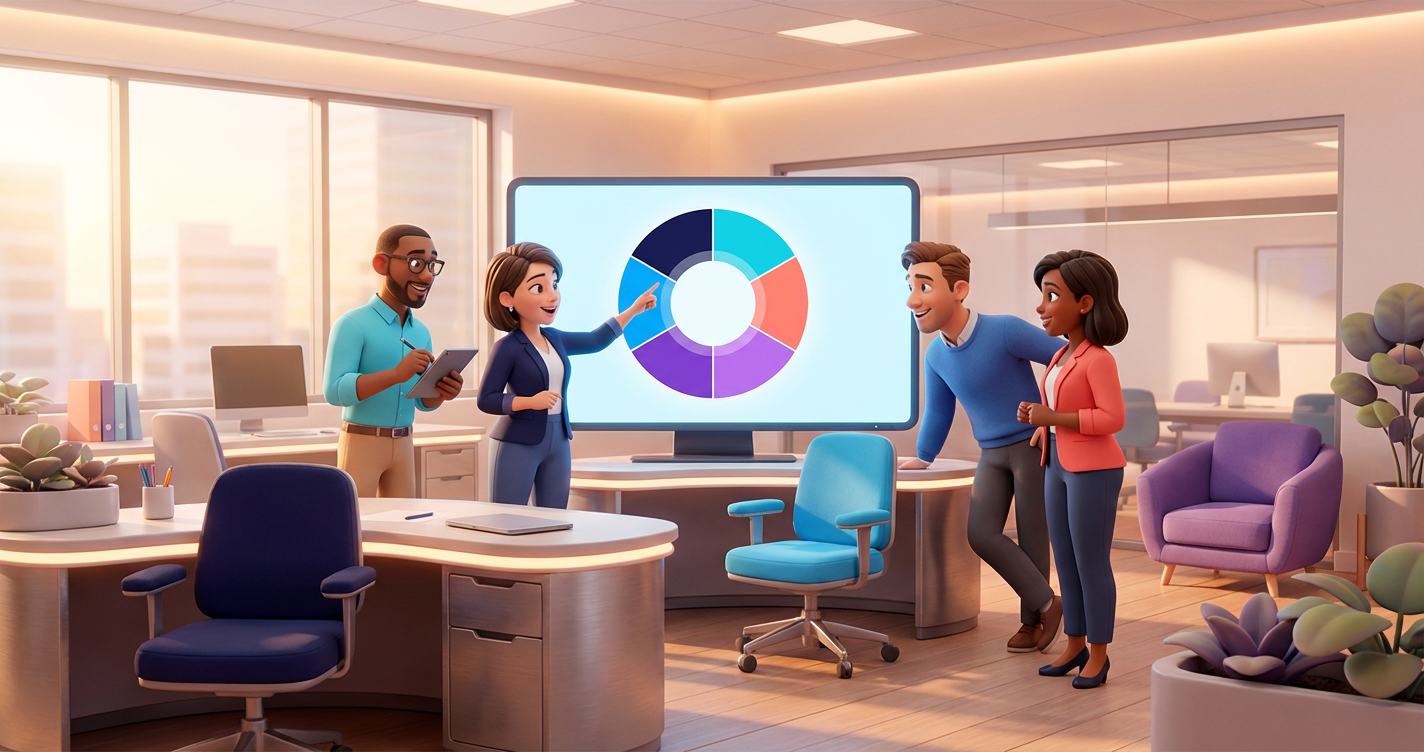
How to use DISC assessment in hiring the right way. Understand the four styles, where DISC helps, and how work personality predicts real role fit.
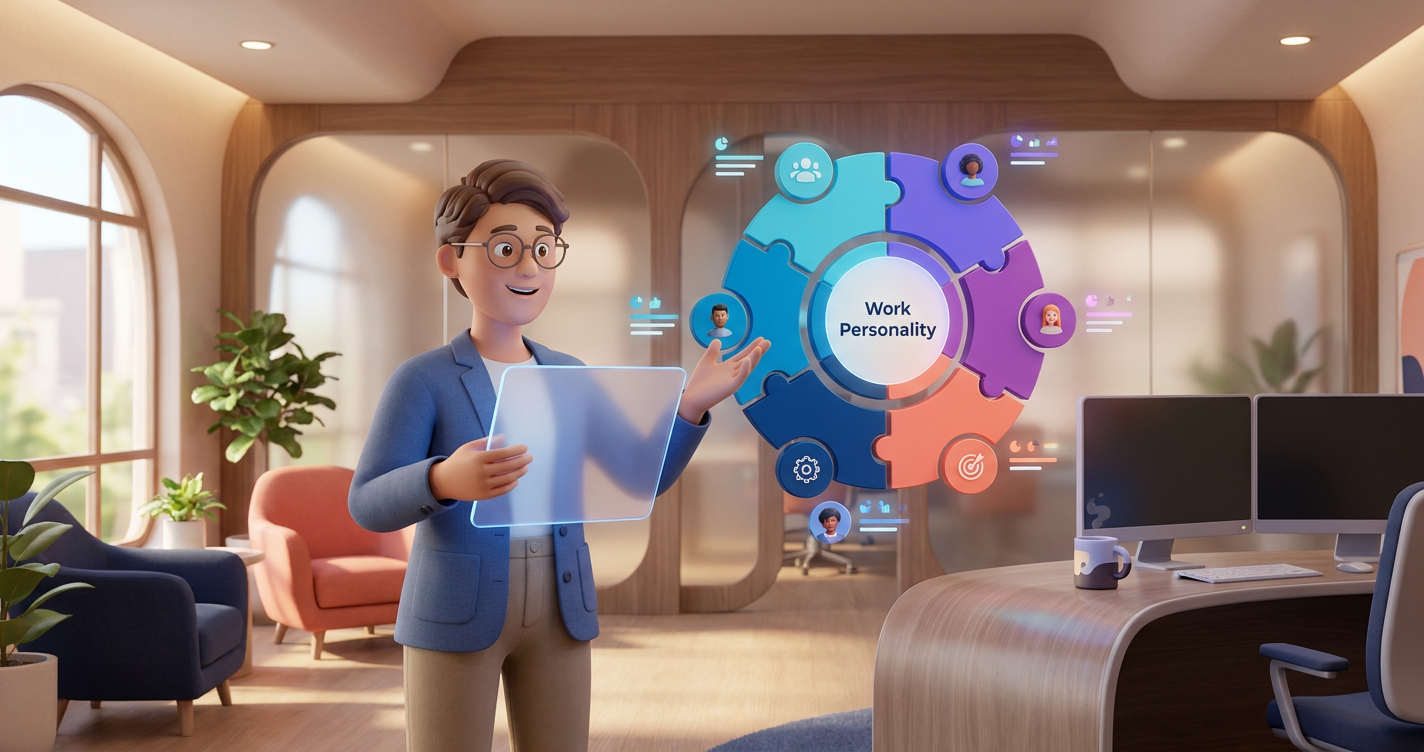
Predictive hiring uses data on work personality and role fit to show who is likely to stay and do well, instead of ranking CVs by experience.
 Compono