

.webp)

 Compono


How to reduce bad hires and build high-performing teams
 Compono
Evidence-based ways to reduce bad hires by aligning work personality with role requirements, and improve retention and team performance.

Behavioural assessment hiring is the process of evaluating a candidate's natural work preferences and personality traits to predict how they will perform and interact within a specific team environment.
By moving beyond the static data of a CV, this approach allows you to understand the 'how' and 'why' behind a person's professional actions. We believe that when you match the right work personality to the right role, you create a foundation for long-term engagement and team success.
Key takeaways
- Behavioural assessments provide objective data on a candidate's natural work preferences, reducing reliance on gut feel during the hiring process.
- Mapping a candidate's work personality to existing team gaps ensures a more balanced and cognitively diverse workforce.
- Integrating these assessments early in the recruitment funnel significantly improves quality of hire and long-term employee retention.
- Modern teams use behavioural data to tailor leadership styles and communication, fostering a more inclusive and harmonious culture.
For decades, the standard recruitment process has relied almost exclusively on the CV. While a resume is excellent for verifying technical skills and past experience, it tells you very little about how a person actually works. You might find a candidate with a flawless background in project management, but if their natural preference is to work in isolation, they may struggle in a highly collaborative team that requires constant communication and empathy.
This gap between technical ability and behavioural fit is where many hiring decisions falter. We often see organisations hire for skills but fire for behaviour. When a new starter doesn't gel with the team or finds the work environment draining, it usually isn't because they lack the talent – it's because their natural work personality is misaligned with the role's daily demands. This misalignment leads to disengagement, lower productivity, and eventually, costly turnover.
To solve this, modern leaders are turning to behavioural assessment hiring. This methodology uses evidence-based psychological frameworks to reveal a candidate's dominant traits before they ever step into the office. At Compono, we've spent over a decade researching the eight key work activities that define high-performing teams, helping you move from guesswork to workforce intelligence.
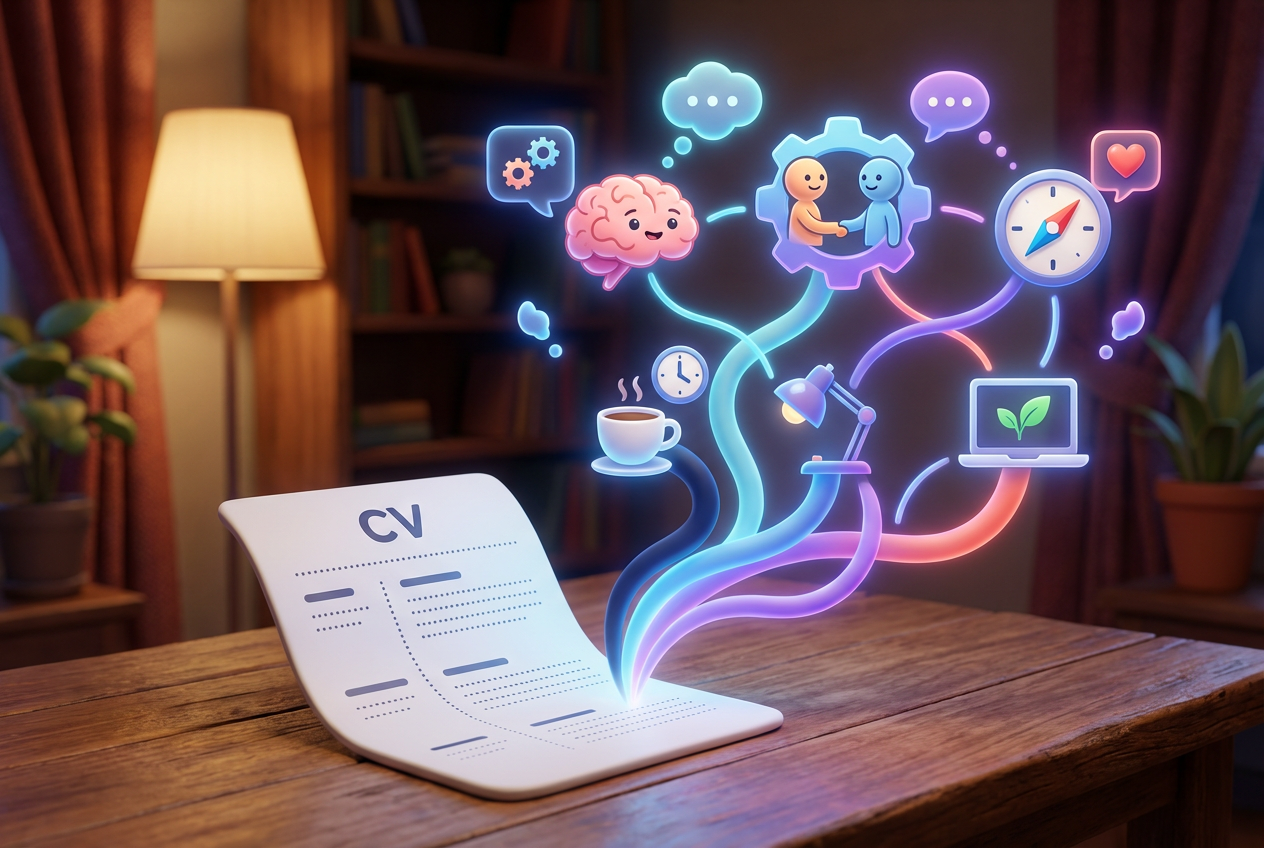
Every high-performing team requires a mix of different strengths to succeed. Research shows there are eight essential activities that teams must perform: Evaluating, Coordinating, Campaigning, Pioneering, Advising, Helping, Auditing, and Doing. If your team is full of Pioneers who love big ideas but lacks Doers to execute them, projects will likely stall at the conceptual stage.
Behavioural assessment hiring allows you to map these personalities during the recruitment phase. For example, if you are hiring for a compliance role, you might look for an Auditor – someone who is naturally thorough, accurate, and risk-averse. Conversely, a sales leadership role might benefit from a Campaigner, known for being persuasive, energetic, and future-focused. By identifying these traits early, you ensure the person you hire will find the work naturally energising rather than exhausting.
Using a tool like Compono Hire allows you to assess candidates across three critical dimensions: Organisation Fit, Skills, and Qualifications. This holistic view ensures that you aren't just hiring a 'culture fit' in a vague sense, but a 'job fit' based on the specific work activities the team needs to thrive. It's about building a balanced ecosystem where every individual's strengths support the collective goal.
One of the most significant benefits of behavioural assessment hiring is its ability to mitigate unconscious bias. We all have natural inclinations to favour people who are similar to us – a phenomenon known as affinity bias. In a traditional interview, a hiring manager might be charmed by a candidate's charisma, overlooking the fact that the role requires a more reserved, detail-oriented approach. Objective assessments provide a standardised benchmark that treats every candidate equally.
When you use data to drive your decisions, you create a fairer process. Instead of relying on a 'gut feeling' after a thirty-minute chat, you have a clear report detailing how a candidate handles conflict, how they communicate, and what motivates them. This is particularly useful for roles that require a specific temperament, such as a Helper for customer success or an Evaluator for strategic planning. The data acts as a neutral third party in the decision-making process.
Furthermore, these insights don't just help with the 'yes' or 'no' decision; they prepare you for the 'how'. Knowing that a new hire is a Coordinator means you can prepare a structured onboarding process that satisfies their need for order and clear priorities. This level of preparation shows the new employee that you understand their needs from day one, which significantly boosts early-stage engagement and long-term loyalty.

Maintaining a consistent culture becomes increasingly difficult as an organisation grows. When you are hiring ten people a month, it's easy for the 'secret sauce' that made your early team successful to get diluted. Behavioural assessment hiring acts as a safeguard, ensuring that every new addition aligns with the core values and work styles that drive your business. It allows you to scale your culture without losing its essence.
Consider a scenario where a business is expanding into new markets. The leadership team might need Advisors who can navigate complex interpersonal dynamics and build collaborative networks. By using assessments, the business can identify these traits in candidates across different regions, ensuring a consistent standard of leadership and collaboration regardless of geography. This consistency is what separates successful global brands from those that struggle with fragmented regional cultures.
For organisations going through such transitions, Compono Engage provides the workforce intelligence needed to monitor how these new hires are integrating. By combining hiring data with ongoing engagement insights, you can see a real-time picture of your team's health. This proactive approach allows you to identify potential friction points – such as a clash between a direct Evaluator and a sensitive Helper – before they escalate into significant cultural issues.
Key insights
- Behavioural assessments move recruitment from subjective 'gut feel' to objective, data-driven workforce intelligence.
- Identifying a candidate's work personality ensures they are naturally suited to the daily activities of the role, reducing burnout.
- A balanced team requires a mix of the eight work personalities to cover all essential high-performance activities.
- Using objective data in the hiring process is one of the most effective ways to reduce unconscious bias and improve diversity.
- Insights from behavioural assessments provide a manual for how to manage, motivate, and retain new hires from their first day.
Building a high-performing team starts with understanding the people within it. By implementing behavioural assessment hiring, you can ensure that every new hire is a strategic addition to your culture and performance.
Most modern assessments, including those from Compono, are designed to be efficient and user-friendly. They typically take only a few minutes to complete, ensuring a positive candidate experience while providing deep insights into work preferences.
Reliable behavioural assessments are built with consistency checks to identify patterns of 'social desirability' or faking. However, because there are no 'right' or 'wrong' personalities – only different fits for different roles – candidates are generally encouraged to be honest to find a role where they will truly thrive.
Yes, while they share some psychological foundations, behavioural assessments for hiring are specifically mapped to work-related activities and professional environments. They focus on how a person behaves in a business context rather than their general social personality.
While particularly vital for leadership and team-dependent roles, behavioural assessments provide value across all levels. Understanding the work personality of an entry-level employee is just as important for their long-term development and retention as it is for a senior executive.
By revealing the different work personalities within a team, these assessments help members understand why they might clash. For example, a detail-oriented Auditor and a fast-moving Pioneer can learn to value each other's strengths rather than seeing them as obstacles, leading to better collaboration.

Evidence-based ways to reduce bad hires by aligning work personality with role requirements, and improve retention and team performance.

Discover how to hire better people by focusing on work personality and team fit. Learn the steps to improve your recruitment process with Compono.

Discover what a behavioural profile test is and how HR leaders use work personality data to improve hiring decisions and team performance.