

.webp)

 Compono


Effective ways to improve quality of hire for modern teams
 Compono
Quality of hire improves when you measure more than the CV. How hiring data and work personality cut bias in shortlisting and reduce early turnover.
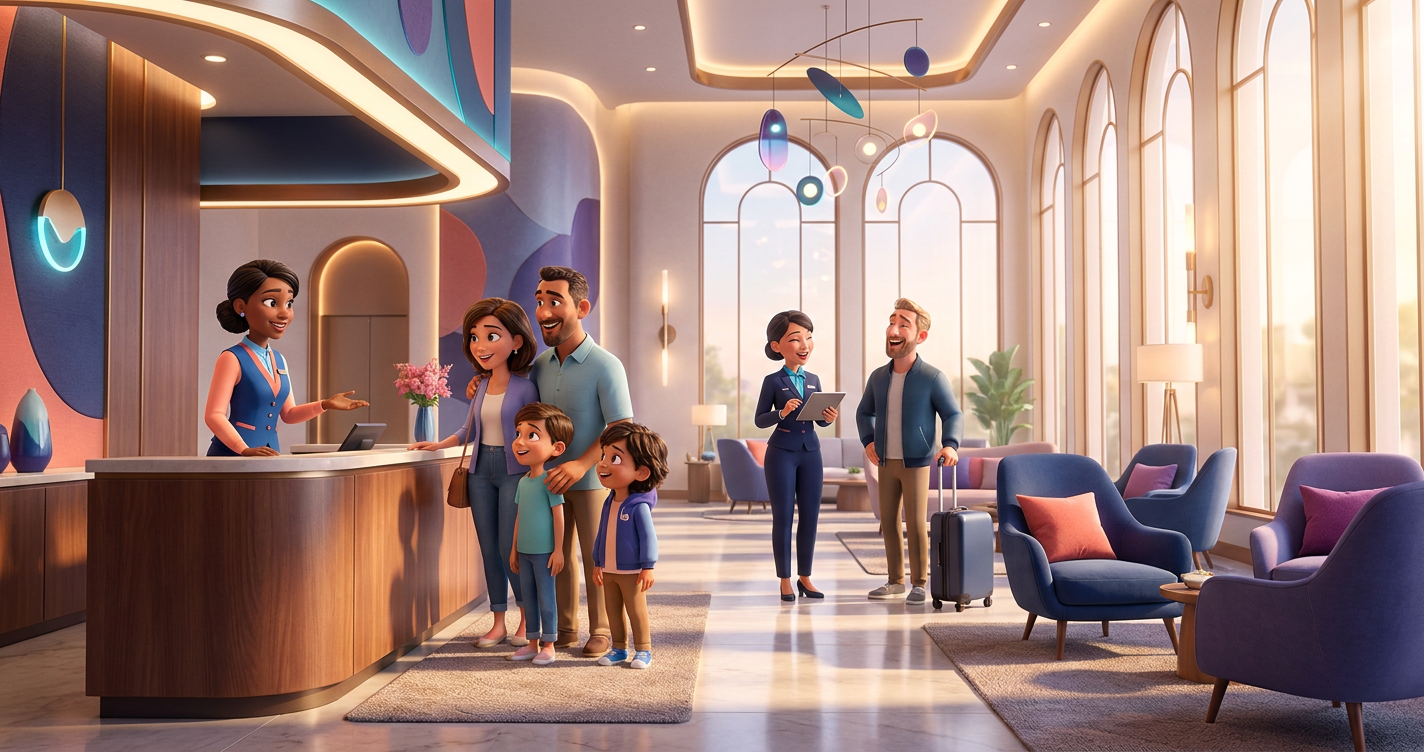
Culture fit hiring in hotels works by identifying candidates whose natural work behaviours and values align with a property’s specific service standards and team dynamics to ensure long-term guest satisfaction.
In an industry where the guest experience is the primary product, finding people who inherently enjoy helping others and can manage high-pressure shifts is more important than checking off a list of past employers on a resume. Because hospitality is a high-touch environment, a single team member who doesn't mesh with your service philosophy can disrupt the entire guest journey – making culture alignment the secret to operational stability.
Key takeaways
- Culture fit in hospitality focuses on finding candidates with the natural temperament for service-oriented roles.
- Hiring for alignment reduces the high turnover rates typically seen in hotel environments by improving employee engagement.
- Workforce intelligence tools allow hotel managers to move beyond resumes and assess the actual work personality of candidates.
- Successful hotel cultures are built on consistent micro-decisions and shared values rather than just technical skills.
In the modern hotel industry, the struggle isn't just finding people who can check guests in or make a bed; it is finding people who will do it with the genuine warmth your brand promises. Most hotel managers face a revolving door of staff because traditional hiring processes focus almost entirely on experience. If a candidate has worked at a front desk before, they get the job – but this doesn't tell you if they actually enjoy the work or if they will get along with your existing night manager.
When we look at why new hires fail, it is rarely due to a lack of technical skill. It is almost always a mismatch in work style, communication, or values. In a 24/7 hotel environment, these mismatches lead to friction, burnout, and eventually, another resignation. This is why many leading properties are shifting their focus toward workforce intelligence to understand who a candidate is before they ever step into the lobby for an interview.
We have seen that hotels with strong cultures don't just happen by accident. They are the result of intentional hiring that looks at the 'soft' traits that are actually the hardest to teach. You can train someone to use a specific property management system in a week, but you cannot easily train someone to be a natural Helper who finds genuine satisfaction in supporting others during a stressful check-in rush.
Before you can hire for culture fit, you need to define what your culture actually is. A boutique luxury hotel in the city has a very different cultural DNA compared to a high-volume beach resort or a budget-friendly airport hotel. One might value quiet, meticulous attention to detail, while the other requires high-energy, fast-paced multitasking. If you haven't defined these traits, your hiring managers will likely just hire people they personally like, which is a recipe for bias rather than fit.
At Compono, we believe that culture is not an event; it is the sum of every small decision your team makes. To build a framework for hiring, you should look at your top performers – the people guests always mention in reviews. What are their common traits? Are they naturally Coordinators who keep the back-of-house running like clockwork, or are they Campaigners who can upsell a room upgrade with ease?
Once you have identified these 'success profiles', you can start to use objective data to find more people like them. This moves the process away from gut feel and toward a scientific approach to recruitment. By understanding the inherent work personality of your team, you can identify the gaps you need to fill to maintain a balanced and high-performing environment.
In a hotel, different departments require vastly different work personalities. Your housekeeping team needs to be methodical and detail-oriented – traits often found in an Auditor. Your sales and events team needs to be visionary and persuasive, much like a Pioneer or a Campaigner. Hiring for culture fit means ensuring each person is placed in a role that aligns with their natural energy.
This is where Compono Hire becomes an essential tool for hotel recruitment. Instead of just reading a CV, you can assess how a candidate's work personality fits the specific requirements of the role and the wider team. This ensures that the person you hire for the night shift isn't just capable of staying awake, but is someone who naturally thrives in independent, methodical work environments.
When team members are in roles that match their natural preferences, they are significantly more engaged. This leads to better guest interactions and lower turnover. In fact, workforce engagement is the single biggest predictor of success in the hospitality sector. When people feel they 'fit', they are more likely to stay, even when the industry gets tough.
Many hotel groups are moving away from the traditional resume entirely. Why? Because a resume can be polished, but a person’s inherent work behaviour is much harder to mask. Psychometric assessments help you see through the 'interview mask' to understand how a candidate will behave on a Tuesday morning when three guests are complaining and the elevator is broken.
Using these insights allows you to ask better interview questions. Instead of asking 'Tell me about a time you provided good service', you can use data-driven insights to ask, 'We noticed you prefer structured environments – how do you handle it when a guest request requires you to break from the standard procedure?' This creates a much more authentic conversation and helps you determine if they are a 'hell yes' for your specific team culture.
We often see that the balance between culture fit and diversity is a concern for HR leaders. It is important to remember that culture fit isn't about hiring people who are all the same. It is about hiring people who share the same values and service standards, even if they come from vastly different backgrounds. A diverse team with a unified service vision is the ultimate goal for any modern hotel property.
Culture fit hiring isn't just about the person you need today; it is about building a talent pool for the future. In the hotel world, people move between properties frequently. If you have a clear understanding of your culture, you can maintain a database of 'silver medallist' candidates who were a great fit but perhaps didn't have the specific technical skill for a previous role.
By focusing on inside-out hiring, you can also look at your existing staff and see who has the potential to move into leadership. A great waiter might have the natural traits of an Evaluator, making them a perfect candidate for a future Duty Manager role. Using workforce intelligence to map your internal talent is just as important as screening external applicants.
When you prioritise fit, you create a workplace where people actually want to be. This reputation spreads, making it easier to attract top talent in a competitive market. Ultimately, your hotel’s culture is your most valuable asset – and hiring is the process that protects it.
Key insights
- Culture fit hiring in hotels requires a shift from resume-based screening to behavioural and personality-based assessment.
- Defining a property’s unique service standards is a prerequisite for finding the right cultural match.
- Aligning a candidate's natural work personality with their specific role reduces turnover and increases service quality.
- Diversity thrives when a team is unified by shared values and a common service philosophy.
- Data-driven recruitment tools like Compono Hire help managers make objective decisions that protect the team dynamic.
Building a high-performing hotel team starts with understanding the people behind the service. By moving beyond the resume and focusing on culture alignment, you can create a more stable, engaged, and guest-focused workforce.
If you'd like to talk through how Compono can support your team, we're happy to walk you through it. No pressure, just a conversation.
Measuring culture fit involves using behavioural questions tailored to your specific service values. However, the most effective way is to use a work personality assessment before the interview so you can validate their natural tendencies against your team’s requirements.
Not if it is done correctly. Culture fit should be about shared values and service standards – such as a commitment to guest satisfaction – rather than shared backgrounds or personalities. A diverse team can be perfectly aligned on culture if they all believe in the same service mission.
While every hotel is different, front-of-house roles typically benefit from Helpers who enjoy service, Campaigners who can engage guests, and Advisors who are flexible and empathetic. The key is ensuring they have the natural energy for high-frequency human interaction.
Technical skills can be taught, but core values and natural work temperaments are much harder to change. It is far more effective to hire someone whose natural work personality already aligns with your culture than to try and 'fix' a personality mismatch later.
The biggest mistake is relying on 'gut feel'. Without objective data or a defined cultural framework, managers often hire people who are similar to themselves, which leads to bias and can actually weaken the team’s overall performance and diversity.
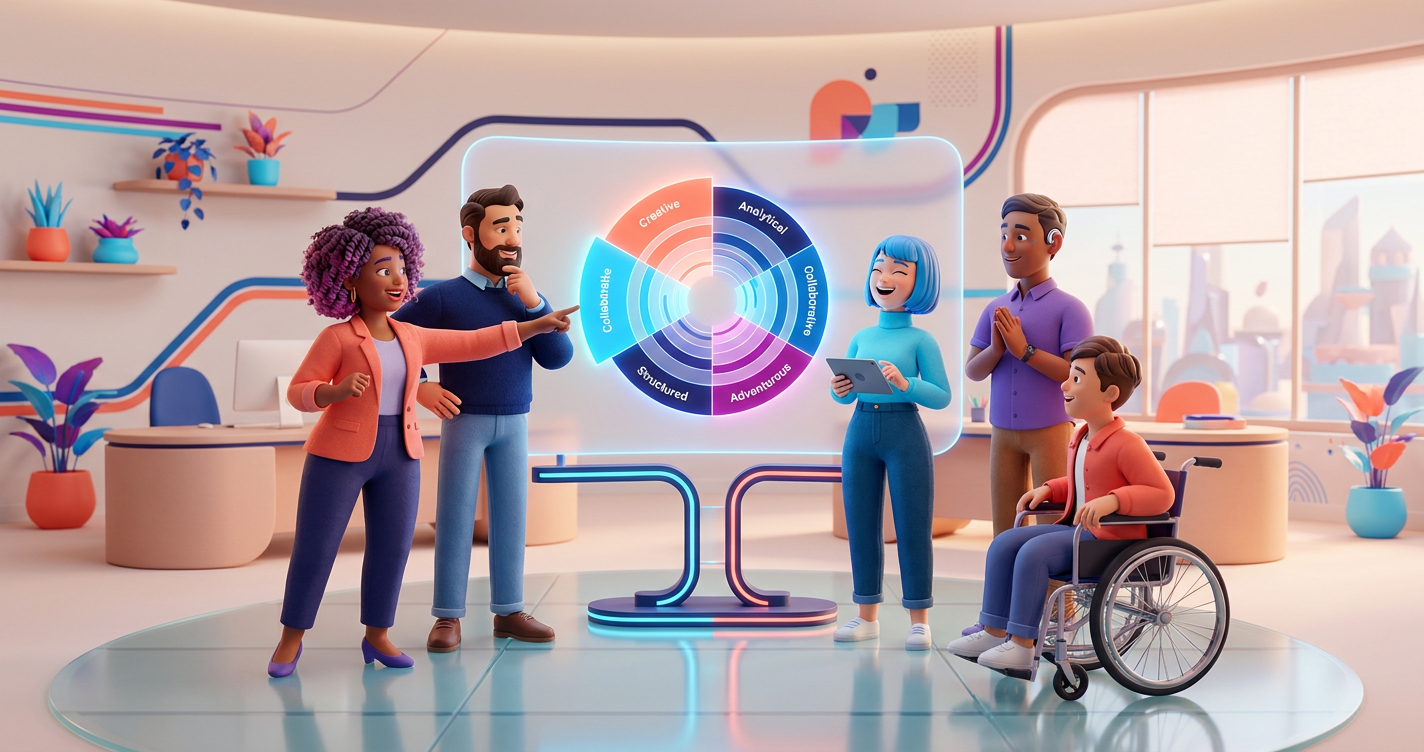
Quality of hire improves when you measure more than the CV. How hiring data and work personality cut bias in shortlisting and reduce early turnover.

How super funds use behavioural assessment to hire: what to measure beyond technical skill, and how to read culture fit without relying on a gut call.
What culture fit means in the hotel industry, how to hire for it across shifts and seasons, and why it turns up in turnover and guest reviews.