

 Mathan Allington
The complete panel interview scoring guide for fair hiring
 Mathan Allington
A practical panel interview scoring guide to align your hiring team, resolve conflicting scores, reduce bias and make legally defensible recruitment.

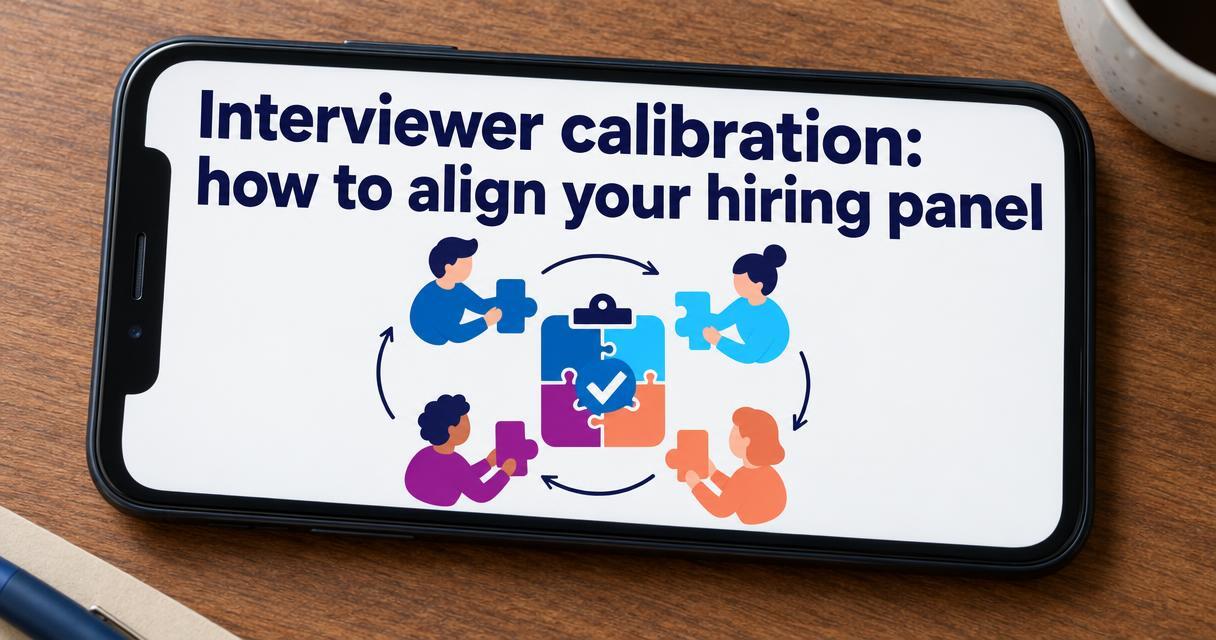
Interviewer calibration is the process of aligning a hiring panel on exactly how to evaluate candidates, ensuring every interviewer uses the same criteria and scoring standards.
Last reviewed November 2026
Key takeaways
- Interviewer calibration prevents the hawk versus dove problem where one strict reviewer sinks a candidate and a lenient one passes everyone.
- A calibrated panel relies on a shared scoring rubric rather than gut feeling or personal preference.
- Regular calibration sessions create psychological safety, allowing junior staff to challenge senior leaders on hiring decisions using evidence.
- Tracking scorecard data over time reveals when an interviewer drifts from the agreed standard and requires retraining.
Most hiring panels walk into an interview with completely different ideas of what a good candidate looks like. One manager looks for technical mastery. Another looks for someone they want to have a coffee with. When the debrief happens, the loudest voice in the room usually wins.
This lack of alignment costs companies great people. In fact, a 2025 report by Aptitude Research found that 82% of recruiters reported losing quality talent because of a poor interview process. The same report noted that only 19% of companies reported that hiring managers consistently follow interviewers' recommendations.
When your panel is not calibrated, you do not have a hiring process. You have a lottery. Candidates succeed or fail based on who they happen to speak to, rather than their actual ability to do the job. Uncalibrated panels hire people who look and sound like them, embedding bias deeply into your organisation.
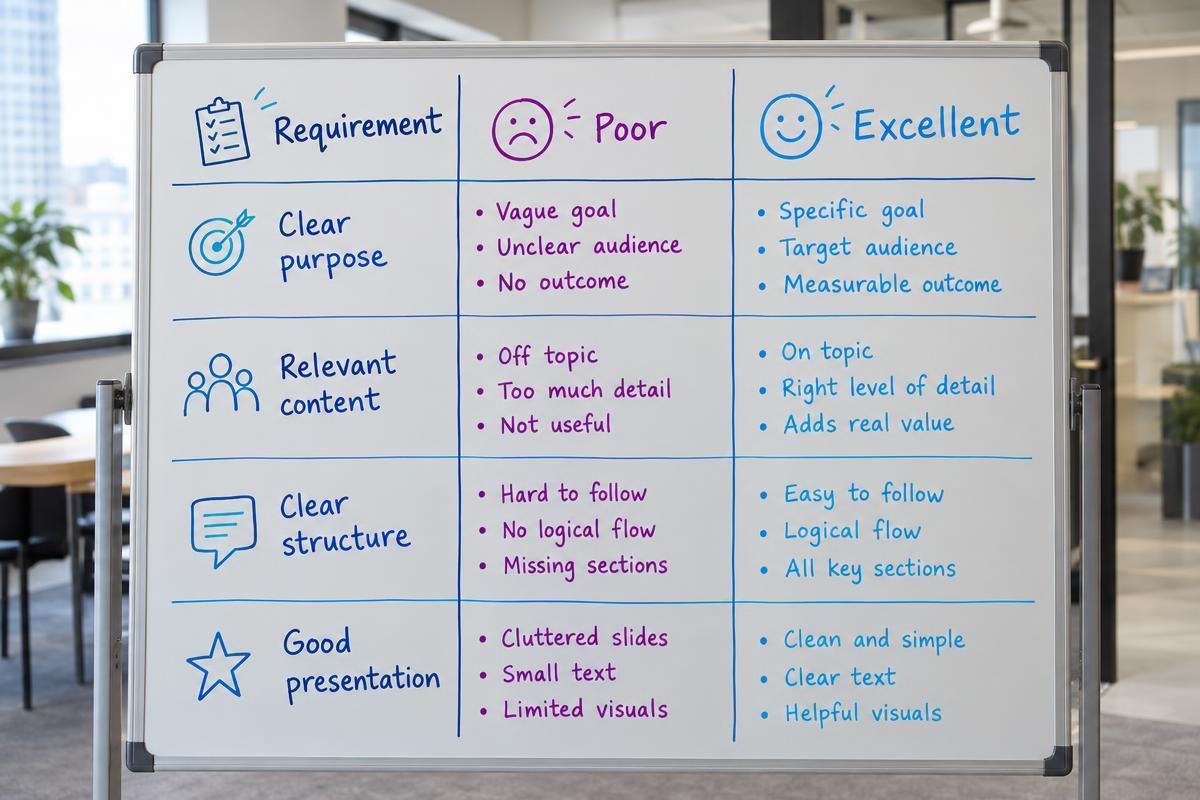
Even with a clear job description, interviewers naturally drift toward their own biases and habits over time. We call this the hawk and dove changing in recruitment.
Hawks grade harshly. They expect perfection, focus heavily on flaws, and rarely give top scores. Doves grade leniently. They pass candidates who show potential rather than proof, often ignoring red flags if the person seems friendly. When a hawk and a dove interview the same person, the resulting scores tell you nothing about the candidate. The numbers only tell you about the interviewers.
Uncalibrated panels are a major driver of unfairness in the hiring cycle. According to Aptitude Research, 54% of candidates surveyed in 2025 reported experiencing bias during the interview process. You fix this by setting objective standards before the first candidate walks through the door.
Read our bias-free hiring guide for practical steps on removing subjective opinions from your evaluation process.
A calibration session happens before interviews begin. The panel meets to review the role, agree on the exact questions to ask, and define what a great answer actually sounds like in practice.
This meeting is also where you build psychological safety. Junior interviewers often hesitate to disagree with senior leaders during a candidate debrief. You must establish rules upfront that evidence outweighs seniority. If a junior staff member points to the rubric to show why a candidate failed a technical question, the senior manager cannot overrule them with a gut feeling.
A 2025 systematic review published in F1000Research concludes that structured interviews paired with scoring rubrics and interviewer calibration can improve consistency, fairness perceptions, and alignment among interviewers. Everyone needs to agree on the evidence required to pass.
Running a structured interview ensures every candidate faces the exact same test under the exact same conditions.
You cannot calibrate a panel without a rubric. A formal scorecard moves the conversation from vague impressions to concrete facts. It forces interviewers to justify their ratings.
Create a simple scale for each competency and define the behaviours that match each number. For example, a score of three might mean the candidate meets the baseline requirement, while a five means they have mentored others in this specific skill. Another 2025 review in F1000Research states that calibration sessions and fact-based criteria can reduce variance unrelated to candidate competence and help panelists reach more consistent evaluations.
| Score | Communication capability | Evidence required |
|---|---|---|
| 1 - Poor | Fails to explain concepts clearly. | Rambles, does not answer the actual question asked. |
| 3 - Meets standard | Explains technical ideas to a general audience. | Provides clear, structured examples using the STAR method. |
| 5 - Excellent | Adapts communication style flawlessly. | Proactively checks for understanding and works through complex objections. |
Give your panel the tools they need to score on facts. We recommend reviewing our interview scorecard template guide to see exactly how these frameworks operate in high-volume environments.
Calibration is not a one-off event. Over time, even aligned interviewers drift. You need to track scorecard data to spot inconsistencies before they ruin your talent pipeline. If one manager consistently scores candidates lower than the rest of the business, they need retraining.
Modern applicant tracking systems make this drift visible. Using candidate matching software gives you a ranked view of who fits the role based on evidence, automatically flagging scoring outliers. This keeps your panel honest and ensures your rubrics actually work.
Many businesses struggle to maintain this discipline. Aptitude Research found that 15% of organisations said hiring managers lacked the training or support needed to conduct effective interviews. Data shows you exactly who needs that support and where your process breaks down.
Setting up clear feedback loops is non-negotiable. Learn how to run a structured interview properly, and hold your panel accountable for the scores they submit.
We built an applicant tracking system that matches candidates to your culture and role requirements using hard evidence. It helps your panel evaluate the same traits fairly and objectively, keeping your hiring process completely calibrated.
An interview calibration meeting is a preparation session where the hiring panel agrees on the criteria, questions, and scoring methods they will use to evaluate candidates for a specific role.
You review their scorecard data alongside the rest of the panel. Show them where their scores deviate from the agreed rubric and provide training on how to use fact-based criteria instead of gut feeling.
Psychological safety allows junior staff to challenge the opinions of senior leaders during candidate debriefs. When decisions are based on evidence rather than hierarchy, you make better hires and prevent leadership bias.
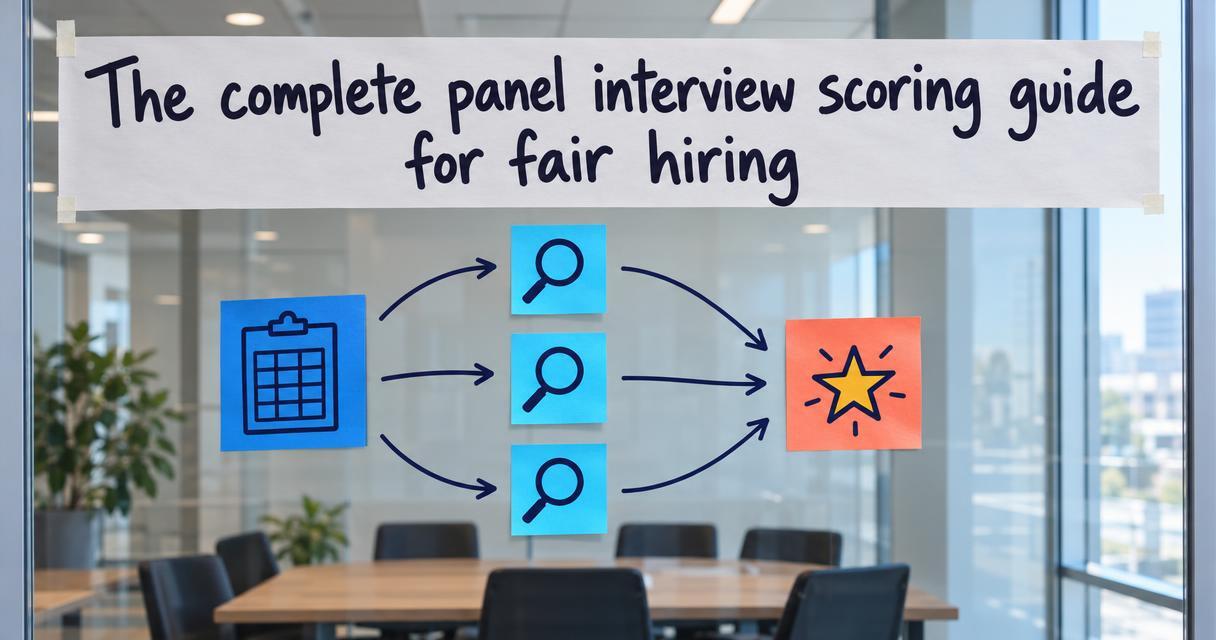
A practical panel interview scoring guide to align your hiring team, resolve conflicting scores, reduce bias and make legally defensible recruitment.
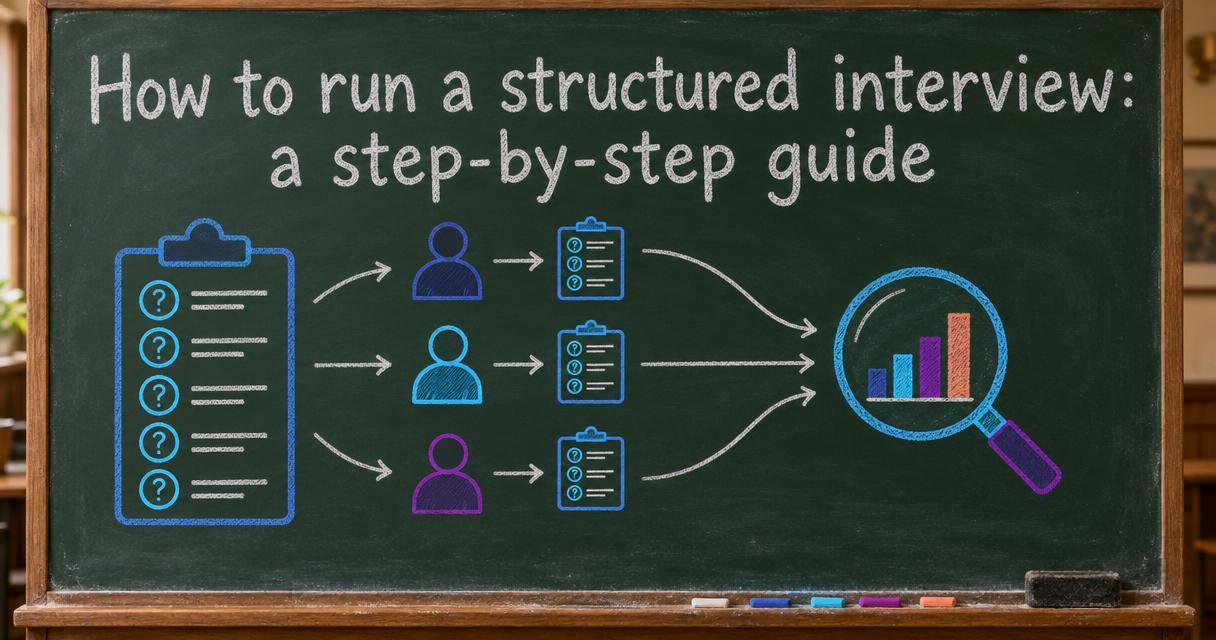
To run a structured interview that reduces hiring bias and accurately predicts job performance. Discover how to build rubrics and score candidates...
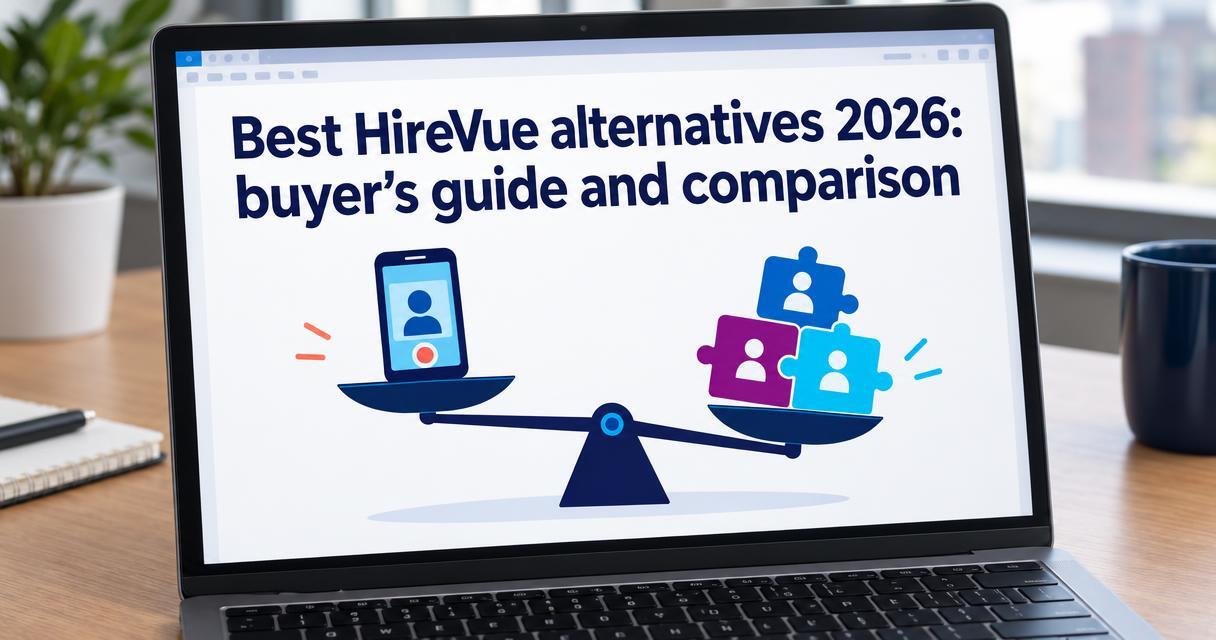
Compare the best HireVue alternatives for 2026. Discover pricing, features, and how to choose candidate assessment software that applicants actually.