


 Mathan Allington

Best Testlify alternatives 2026: a buyer's guide for hiring
 Mathan Allington
Compare the best Testlify alternatives for 2026. Discover how top assessment platforms manage recruitment costs, evaluate skills, and measure culture...
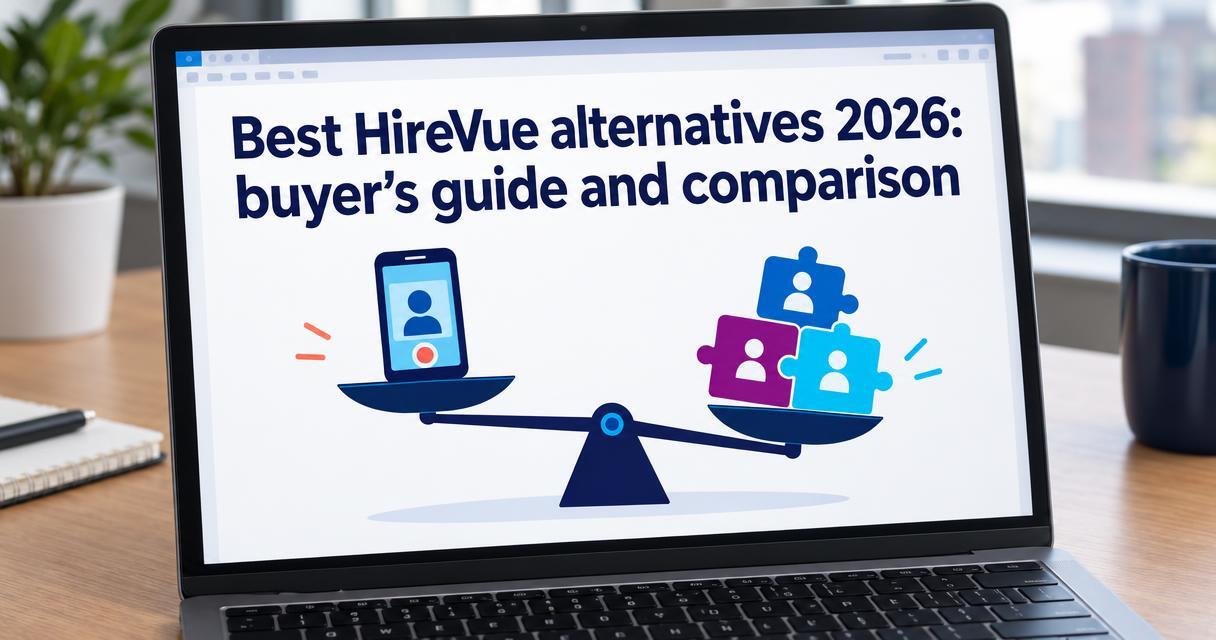
The best HireVue alternatives in 2026 are candidate assessment and video screening platforms that improve completion rates, measure genuine organisational fit, and deliver a better applicant experience.
Last reviewed November 2026
Quick answer
- Price: Mid-market alternatives offer flexible, transparent pricing, while legacy enterprise video platforms average a median annual contract of $20,900.
- Best for: HR teams wanting to evaluate culture fit and skills without alienating top talent through repetitive algorithmic one-way video prompts.
- Verdict: Choose an alternative that integrates directly into your applicant tracking system and values human insight over basic process automation.
HireVue defined the category for enterprise video screening. The platform has hosted more than 70 million interviews and serves more than 700 major customers, including approximately half of the Fortune 100, according to data compiled by SocialTalent. For massive global enterprises processing millions of entry-level applications, that scale is useful.
However, the recruitment market has shifted significantly. Candidates are pushing back against asynchronous interviews that feel cold, intrusive, or overly automated. In fact, 38% of job seekers reported abandoning a hiring process because it included an AI interview, according to a 2026 Greenhouse survey of 2,950 active job seekers cited by Hirevire. When almost four in ten candidates refuse to complete a screening step, the tool designed to find talent becomes the exact mechanism driving it away.
Cost is another major factor pushing mid-market businesses toward alternatives. Vendr marketplace data places the median annual HireVue contract at $20,900, with reported contracts ranging from $9,794 to $41,056, according to SocialTalent. For companies with 60 to 1,000 employees, these enterprise tier lock-ins consume a massive portion of the HR technology budget.
Regulatory compliance is also forcing HR leaders to rethink their tools. Laws like NYC Local Law 144 and the broad requirements of the EU AI Act demand strict independent bias audits for automated employment decision tools. Many organisations prefer platforms that test written competencies or psychological preferences rather than attempting to analyse facial expressions or vocal tones.
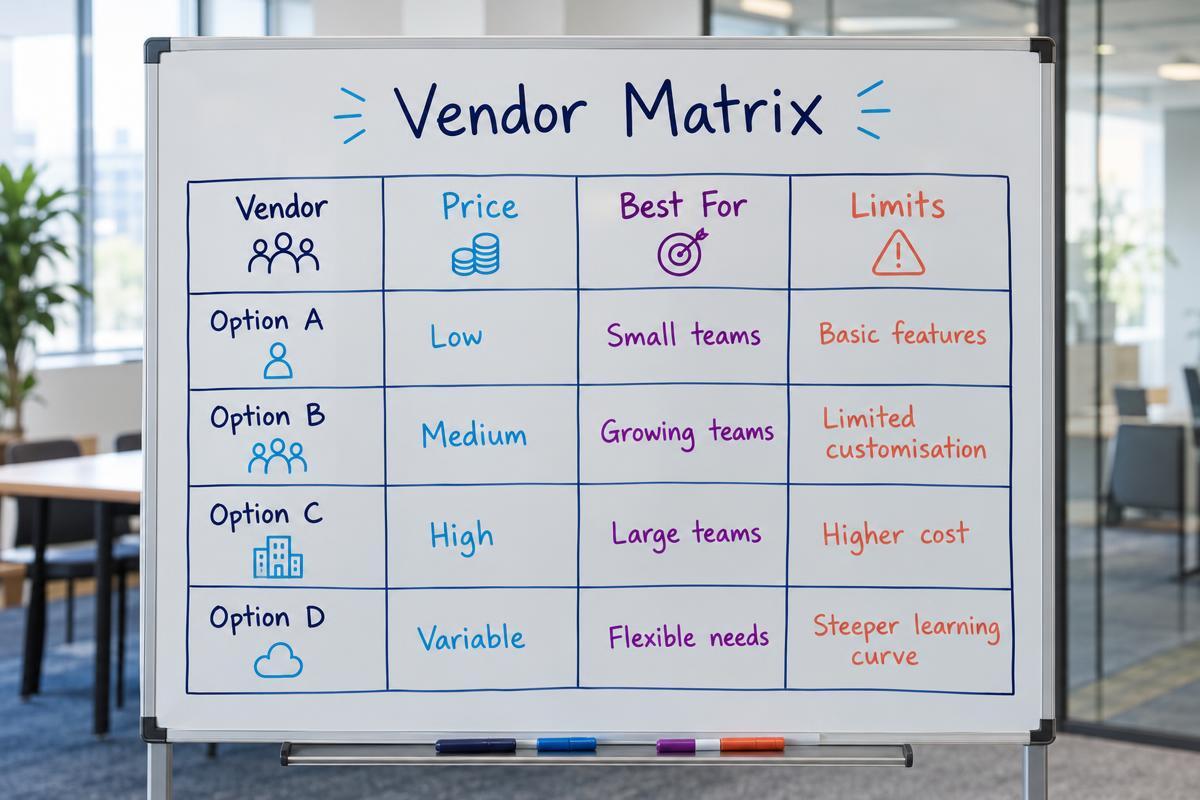
When you evaluate recruitment technology, you need to map out exactly what you want your platform to measure. Using a free HR tech requirements builder helps you clarify whether you need a standalone video tool or a comprehensive assessment platform.
First, look at completion rates and candidate drop-offs. If your assessment process takes an hour and requires candidates to record five separate videos on their phone, completion rates will plummet. The best software respects the candidate's time. It provides a clean, accessible interface that accommodates neurodiverse applicants and standardises the experience for everyone.
Second, scrutinise what the AI actually evaluates. Some legacy systems originally tried to map physical traits to job performance. Modern systems evaluate the substance of an answer against specific job competencies. Ask vendors to explain exactly how their scoring models work and ask to see their bias audit results.
Third, examine the applicant tracking system integrations. A video screening tool is useless if it creates an entirely separate data silo. Your hiring managers need to review resumes, assessment scores, and screening notes in a single dashboard.
Here is a summary ranking of the best alternatives for modern hiring teams in 2026.
| Platform | Starting price | Best for |
|---|---|---|
| Compono Hire | Pricing on request | Mid-market culture fit assessment |
| Spark Hire | $249 per month | High-volume video screening |
| Willo | $59 per month | Remote asynchronous interviews |
| Hireflix | $75 per month | Small business video interviews |
| VidCruiter | Pricing on request | Public sector structured interviews |
| Vervoe | Pricing on request | Skills-based practical testing |
Compono makes Compono Hire. We've included it and kept every entry's strengths and limits honest.
Compono Hire is an applicant tracking system (ATS) that matches candidates to your culture. Most recruitment software only manages process risk by tracking resumes and compliance checklists. Compono Hire manages both process risk and people insight risk by evaluating whether an applicant will actually thrive in your specific work environment.
When franchises like The Coffee Club need to maintain one hiring standard across 400 outlets, they use Compono to measure organisational fit consistently. Users report an 8% reduction in staff turnover and rate the platform 4.8 out of 5 on Capterra. By replacing awkward one-way video prompts with validated behavioural insights, hiring managers can run highly targeted, human-led interviews based on deep data.
Spark Hire is a widely used one-way video interviewing platform. It allows recruiters to set custom questions and review recorded answers asynchronously. This works well for entry-level roles where you need to process hundreds of applications quickly. If you are evaluating Spark Hire alternatives, you should weigh the administrative efficiency of video screening against the risk of alienating experienced candidates who expect a two-way conversation.
Willo provides a clean, accessible interface for asynchronous video and audio interviews. It focuses heavily on the candidate experience, offering a straightforward browser-based recording process that works on any device. Teams hiring globally use it to bypass scheduling conflicts and review responses at their own pace.
Hireflix is designed for absolute simplicity. It allows hiring managers to set up an interview campaign in minutes. You record your questions, send a link to candidates, and review their responses. It is a solid choice for small organisations that want to test asynchronous screening without committing to a massive software rollout or a long implementation process.
VidCruiter offers a comprehensive suite of video interviewing, automated reference checking, and structured interview guides. It appeals heavily to public sector employers because it provides reliable audit trails and strict compliance features. It forces interviewers to score candidates on predefined rubrics, which helps standardise the evaluation process.
Vervoe replaces the traditional video interview with practical skills tests. Candidates complete job-related tasks, write code, or answer scenario-based questions. The platform automatically grades these responses. This approach gives hiring managers a clear picture of what a candidate can actually do, rather than how well they perform on camera.
Moving away from a legacy video platform requires a clear migration strategy. You must audit your current screening process to see exactly where candidates drop out. Gem’s 2026 recruiting benchmarks found that interviews per hire have increased 33% since 2021, according to The Cognitive. Adding more interview stages damages the candidate experience and stretches your time to hire.
When you switch platforms, you have a rare opportunity to reduce hiring bias by replacing subjective video reviews with structured, data-backed assessments. Map your new screening questions to the core competencies of the job. Communicate clearly to your hiring managers that the new tool is designed to provide deeper insights, not just faster processing.
Train your recruitment team on how to interpret assessment data correctly. A score is only useful if the person reading it understands what it means for the day-to-day reality of the role. Choose a vendor that provides excellent local support and strategic guidance during the rollout phase.
If you are tired of losing great candidates to clunky video screening processes, you need an applicant tracking system built around human insight and proven culture fit.
Many candidates feel uncomfortable recording themselves without natural conversational feedback. The process can feel impersonal and transactional, leading to higher abandonment rates during the application phase. Candidates prefer two-way conversations where they can ask questions and gauge the company culture.
Yes, but they face strict regulatory oversight. Laws like NYC Local Law 144 and the EU AI Act require employers to conduct independent bias audits and provide transparency about how algorithms evaluate candidates. Many companies are moving away from visual AI entirely to reduce their compliance risks.
A standalone video tool is helpful if your current applicant tracking system lacks any native screening capabilities. However, integrating candidate assessments directly into a single ATS provides a smoother experience for applicants and keeps all your hiring data in one central location.
Absolutely. You can use validated psychometric and behavioural science tools to measure an applicant's work personality and organisational fit. These assessments provide deeper, more objective insights than a hiring manager trying to read body language on a recorded video.
Compare the best Testlify alternatives for 2026. Discover how top assessment platforms manage recruitment costs, evaluate skills, and measure culture...

The exact costs of Spark Hire in 2026. We break down the pricing tiers, video interviewing limits, and the best alternatives for smarter hiring teams.
Explore the top Maki People alternatives in 2026. Compare pricing, ATS integrations, and behavioural assessment capabilities for mid-market HR teams.