 Compono


Compare HR software features to solve people problems

Most HR leaders are drowning in data but starving for clarity. You might have a system that tracks every leave request and payroll cycle perfectly,...


Become the expert on delivering
valid and fair assessments for
your training and education.
Hire
|
Engage
|
Develop
|
|
Automatically match to candidates who are a great fit for your team culture and who are intrinsically motivated to succeed. |
Deeply understand your organisation with science-backed analytics on your culture, team design, and engagement. |
Back your onboarding, compliance and skill development with industry-leading credentialling, competency and capability expertise.
|


.png?width=383&height=200&name=team%20(1).png)
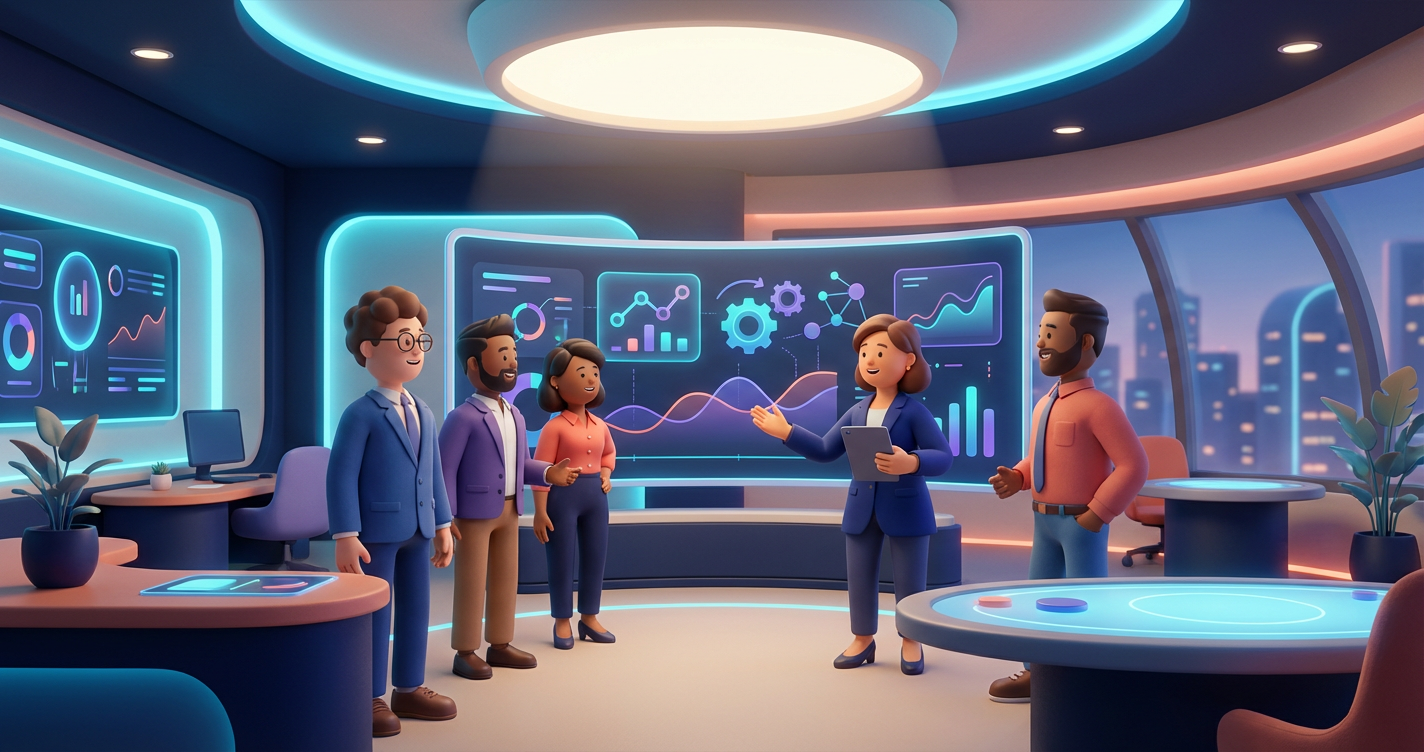
Building a high-performing business requires more than just managing payroll and policies; it requires a seat at the table where the big decisions are made. Learning how to be strategic in HR is about shifting your focus from the immediate 'what' to the long-term 'why', ensuring every people-focused initiative directly supports your organisation's broader commercial objectives.
For too long, HR was viewed as a back-office function – a department responsible for compliance, contracts, and the occasional awkward conversation. However, the modern workplace has undergone a significant transformation. Today, people leaders are expected to be architects of culture and drivers of performance, meaning the 'administrative' tag is no longer enough.
Being strategic means you are no longer just reacting to problems as they arise. Instead, you are forecasting needs, identifying skill gaps before they become critical, and ensuring that the human capital within your business is positioned to deliver maximum value. It is the difference between simply filling a vacancy and building a talent pipeline that sustains growth for the next five years.
To make this transition, you need to understand the language of the boardroom. This involves moving beyond 'HR speak' and into the realm of data, ROI, and strategic alignment. When you can demonstrate how a reduction in turnover affects the bottom line, or how a specific work personality mix improves project delivery, you become a truly strategic partner.

The first step in learning how to be strategic in HR is gaining a deep understanding of your company's business plan. You cannot support a strategy you don't fully comprehend. Are you aiming for aggressive market expansion, or is the focus on consolidating and improving internal efficiencies? Your people strategy should look different in each scenario.
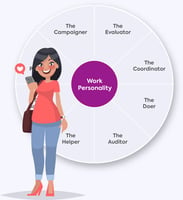
If the business goal is innovation, your HR strategy should prioritise hiring for 'The Pioneer' – those imaginative individuals who thrive on problem-solving. If the goal is operational excellence, you might focus on identifying The Auditor types within your teams to ensure precision and methodical execution. Strategic HR is essentially the art of matching human potential to the specific gears of the business machine.
We often see HR teams working in a vacuum, creating beautiful engagement programmes that have no clear link to what the CEO is trying to achieve. To avoid this, every initiative should pass the 'so what?' test. If you can't explain how a new training programme helps the business reach its quarterly targets, it might be a nice-to-have, but it isn't strategic.
Strategic HR leaders don't rely on 'gut feel'. They rely on data. In today's landscape, people intelligence is the currency of influence. By collecting and analysing the right metrics, you can provide insights that other departments simply cannot access. This goes beyond basic headcount reporting; it's about understanding the 'why' behind the numbers.
For example, if you notice a dip in productivity in a specific department, a strategic approach doesn't just suggest 'more training'. It uses tools to analyse the team dynamic. At Compono, we help leaders gain this level of insight through our Compono Engage module, which allows you to measure and understand the factors driving performance and culture in real time.
When you present data-backed solutions, your credibility skyrockets. Instead of saying 'the team feels unhappy', you can say 'our data shows a correlation between a lack of role clarity and a 15% decrease in output'. This level of precision is what defines a strategic HR professional. It allows you to move from being a cost centre to a value creator.

Strategic HR is forward-looking. Effective workforce planning ensures you have the right people, with the right skills, in the right roles – both now and in the future. This requires a sophisticated understanding of your current team's capabilities and a clear-eyed view of where the industry is heading.
Consider the different roles within your team. You might have The Evaluator, who provides objective analysis to keep the team focused, or The Coordinator, who ensures efficient workflows and deadlines are met. Understanding these nuances allows you to build balanced teams that are resilient to change.
Strategic planning also involves succession planning. It’s about identifying the next generation of leaders and nurturing their development today. This proactive behaviour reduces the risk associated with key-person dependency and ensures that when opportunity knocks, your business is already at the door. It turns recruitment from a desperate scramble into a controlled, strategic exercise.
Culture isn't something that happens by accident; it is something you design. A strategic HR leader understands that culture is the 'operating system' of the business. If the OS is buggy, no amount of high-spec hardware (talented individuals) will make the system run smoothly. Your role is to ensure the environment supports the desired behaviours.
This involves creating clear feedback loops and ensuring that performance management is a continuous conversation rather than an annual event. When you align individual goals with organisational purpose, you create a sense of shared mission. This is where high performance truly lives.
To support this, we've developed 'The Compono Culture, Engagement & Performance Model', which provides a framework for how modern teams can thrive. You can explore this model in depth through our detailed guide here. By implementing such frameworks, you ensure that 'culture' becomes a measurable, manageable strategic asset rather than a vague concept.
Being a strategic HR partner means aligning people management practices with the overall business strategy. It involves using data to make informed decisions that improve organisational performance, rather than just focusing on administrative tasks.
HR improves ROI by reducing turnover costs, improving employee productivity through better engagement, and ensuring that the right talent is in the right roles to execute the business strategy efficiently.
Data removes the guesswork from people management. It allows HR leaders to identify trends, predict future needs, and demonstrate the tangible impact of HR initiatives on the business's bottom line.
Start by spending time with leaders in other departments to understand their challenges. Review the company's annual reports and strategic plans, and look for ways that people-related initiatives can solve those specific business problems.
Key skills include business acumen, data literacy, change management, and the ability to influence senior stakeholders. Understanding work personality types and how they impact team dynamics is also a significant advantage.

Most HR leaders are drowning in data but starving for clarity. You might have a system that tracks every leave request and payroll cycle perfectly,...

Building a high-performing team in 2026 isn't just about gathering the smartest people in a room and hoping for the best. It requires a deliberate,...

Have you ever hired someone who looked perfect on paper, only to find they clashed with the team within a month? Resumes show you what a person has...