

.webp)

 Mathan Allington


How to Build a Bias-Free Culture Fit Assessment in 2026
 Mathan Allington
How to design a culture fit assessment that measures behaviour, not background, so you protect diversity and still hire the people who will do well.

Culture fit hiring software is a specialised recruitment technology that uses behavioural science, psychometrics, and data analytics to objectively measure how well a candidate's work preferences align with your organisation's core values and team dynamics.
Key takeaways
- Traditional "culture fit" assessments based on gut feeling often introduce systemic bias and erode workplace diversity.
- Modern culture fit hiring software relies on objective data, psychometrics, and behavioural science to evaluate candidates fairly.
- Balancing skills-based hiring with cultural alignment is critical, as a vast majority of new hire failures stem from poor organisational fit.
- Understanding the distinct work personalities within your existing teams allows you to hire for "culture add" rather than creating an echo chamber.
- Implementing the right technology reduces turnover, improves team performance, and creates a more inclusive hiring process.
For decades, hiring managers have relied on the infamous "beer test", the idea that if you could see yourself having a drink with a candidate, they were a good cultural fit for the company. It was a simple, intuitive way to build teams. It was also deeply flawed. Relying on gut feeling to determine who belongs in your organisation is a fast track to building a homogeneous workforce that lacks diversity of thought, background, and experience.
Today's workplace demands a more sophisticated approach. The cost of a bad hire is simply too high, and the risks associated with biased recruitment practices are too severe. In fact, 89% of hiring failures occur due to poor cultural fit, with 89% of new hires who fail within 18 months struggling to integrate into the workplace. When the stakes are this high, leaving culture to chance, or to the subjective opinions of a hiring panel, is no longer a viable business strategy.
This is where the recruitment environment has fundamentally shifted. We are seeing a rapid move away from subjective interviews towards data-driven, objective methodologies. The rise of sophisticated technology has transformed how we evaluate candidates, allowing us to look beyond the résumé and deeply understand the behavioural drivers that predict long-term success. If you want to build high-performing, resilient teams in 2026, you need to understand how to use these tools effectively.
At its core, culture fit hiring software is designed to answer a complex question: will this person thrive in our specific work environment? Unlike traditional Applicant Tracking Systems (ATS) that primarily filter candidates based on keywords, qualifications, and past experience, culture fit tools evaluate the behavioural and psychological alignment between the candidate and the company.
This software typically use psychometric assessments, situational judgment tests, and behavioural mapping to create a comprehensive profile of a candidate's work preferences. It looks at how they communicate, how they handle conflict, what motivates them, and how they approach problem-solving. It then compares these traits against the established cultural blueprint of the organisation or the specific team they are joining.
The goal is not to find a clone of your existing employees. Instead, modern culture fit hiring software aims to identify individuals who share your organisation's core values while bringing diverse working styles that complement your existing team design. It provides a measurable, objective framework for what has historically been a highly subjective process.
By quantifying culture, this software allows HR leaders and hiring managers to make evidence-based decisions. It shifts the conversation from "I just didn't get a good vibe from them" to "Their preference for non-directive leadership might clash with this highly structured role." This level of insight is invaluable for reducing turnover and ensuring that new hires can hit the ground running.
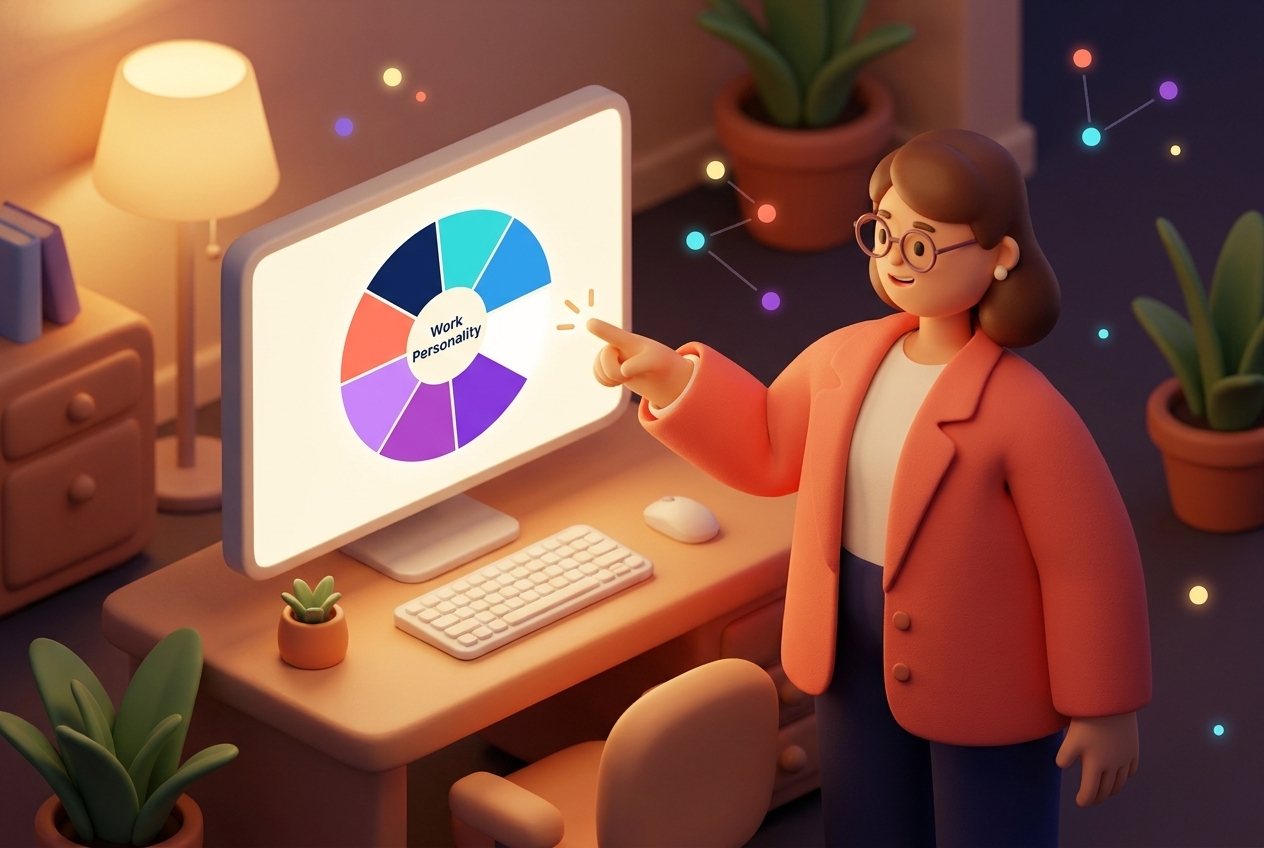
To understand why culture fit hiring software is so vital, we must first examine why the traditional concept of "culture fit" is so problematic. For many organisations, hiring for culture fit has inadvertently become a proxy for hiring people who look, think, and act exactly like the current leadership team. It is a breeding ground for unconscious bias.
When humans evaluate other humans without a structured framework, we naturally gravitate towards those who are similar to us. This is known as affinity bias. It is why a hiring manager might favour a candidate who went to the same university, shares the same hobbies, or uses similar vocabulary. In fact, research shows that candidates with linguistic similarity to current employees are 33–53% more likely to be hired, highlighting a systemic bias in manual "culture fit" evaluations.
This echo chamber effect is detrimental to business performance. Teams that lack cognitive diversity are more prone to groupthink, less innovative, and slower to adapt to market changes. When everyone approaches a problem from the exact same angle, critical blind spots go unnoticed. a biased hiring process actively excludes talented individuals from underrepresented backgrounds, damaging your employer brand and limiting your talent pool.
The fallout from getting this wrong is immediate and costly. It is not just about missing out on great talent; it is about the rapid departure of the talent you do hire. Statistics reveal that 30% of new hires depart within the first 90 days, citing cultural mismatch and unclear expectations as primary reasons. This high turnover rate drains resources, disrupts team momentum, and forces HR teams into a perpetual cycle of backfilling roles. To break this cycle, you must read up on why new hires fail and address the root cause: subjective, unstructured recruitment.
As the flaws in traditional culture fit became apparent, forward-thinking HR leaders began advocating for a new paradigm: "culture add". Instead of asking, "Does this person fit into our existing mould?" the question became, "What unique perspective, skill, or working style does this person add to our culture?"
Culture add acknowledges that a healthy company culture is not static; it evolves with every new person who joins the team. It encourages hiring managers to look for candidates who align with the core values of the business (such as integrity, customer focus, or transparency) but who bring different lived experiences and problem-solving approaches to the table.
However, hiring for culture add is incredibly difficult to do without the right tools. It requires a deep, objective understanding of what your current culture actually is, and where the gaps lie. You cannot identify what is missing if you do not have a clear picture of what is already there.
This is precisely where culture fit hiring software proves its worth. By mapping the behavioural profiles of your existing workforce, the software reveals the dominant working styles within your teams. It highlights the gaps, perhaps your marketing team is full of visionary thinkers but lacks someone with the structured, detail-oriented approach needed to execute those visions. Armed with this data, you can intentionally seek out candidates who provide the necessary "culture add" to balance the team.
The most significant advantage of using dedicated software for cultural evaluation is the removal of human bias from the initial screening process. When you rely on data rather than intuition, you level the playing field for all applicants, regardless of their background, accent, or personal interests.
Modern platforms achieve this through scientifically validated psychometric assessments. These assessments do not care where a candidate went to school or what sports they play. Instead, they measure inherent behavioural traits, cognitive abilities, and work preferences. They evaluate how a person naturally responds to stress, how they prefer to collaborate, and what kind of leadership style brings out their best work.
Artificial Intelligence (AI) plays a crucial role in this process. AI algorithms can analyse vast amounts of assessment data to identify patterns that correlate with success in specific roles, without factoring in demographic information. It is a shift that is gaining widespread industry support; 66% of hiring managers believe AI can reduce cultural bias in recruiting, suggesting growing confidence in AI-driven culture fit tools.
By standardising the evaluation criteria, culture fit hiring software ensures that every candidate is measured against the same objective yardstick. This not only makes the hiring process fairer but also more legally defensible. It provides clear, data-backed reasons for why a candidate was or was not selected, protecting the organisation from claims of discriminatory hiring practices.
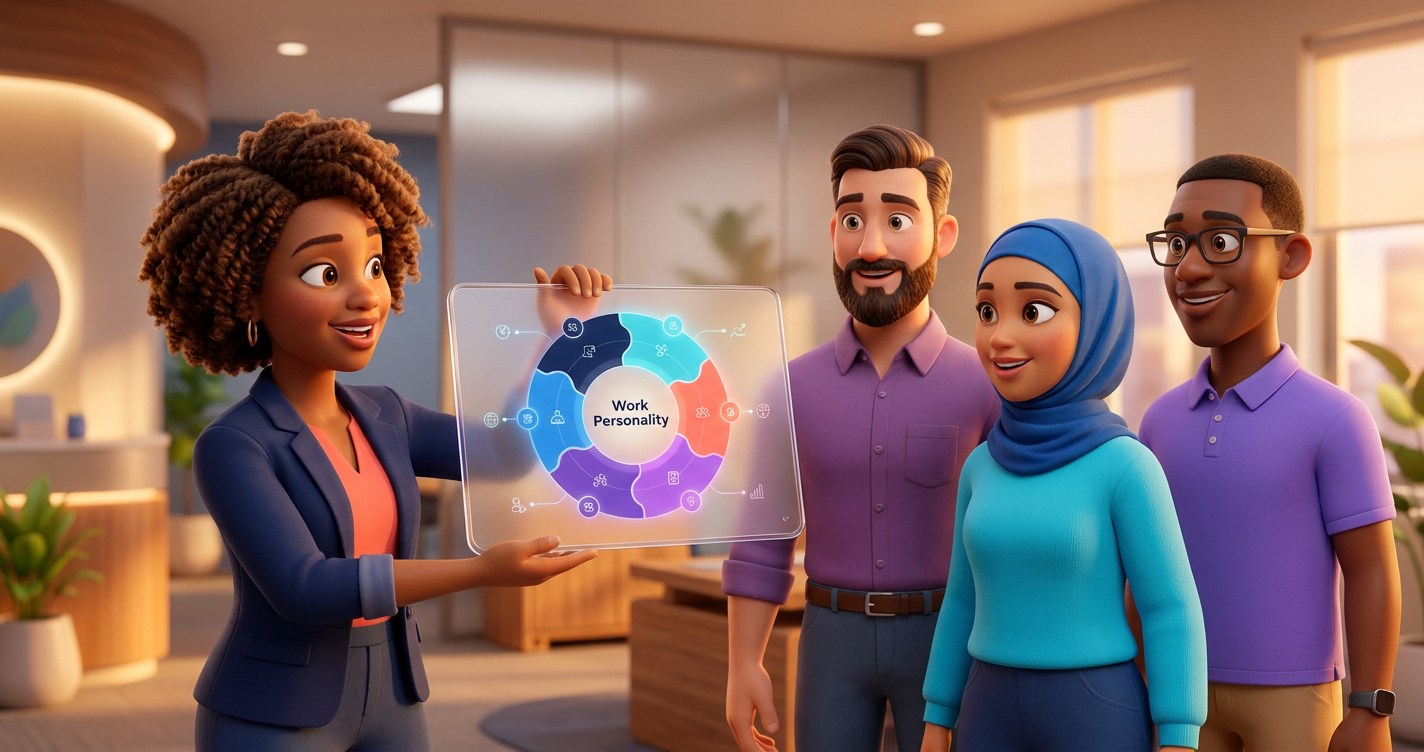
To truly understand how culture fit hiring software operates, it is helpful to look at the behavioural frameworks it uses. At Compono, our research into high-performing teams has identified eight key work activities that must be balanced for a team to succeed: Evaluating, Coordinating, Campaigning, Pioneering, Advising, Helping, and Doing. These translate into eight distinct Work Personalities.
When a candidate completes a psychometric assessment, the software maps their dominant preferences against these profiles. Understanding these personalities is the key to objective culture alignment:
The Campaigner:
Enthusiastic and future-focused, Campaigners are visionary thinkers who excel at inspiring others and selling the dream. They thrive in dynamic environments but may struggle with routine tasks. A team heavy on Doers but lacking a Campaigner might struggle to innovate or communicate their vision effectively.
The Evaluator:
Logical, analytical, and results-driven. Evaluators weigh up options and make objective, data-backed decisions. They are essential for risk management but can sometimes be perceived as overly critical if not balanced with empathetic team members.
The Coordinator: Organised, structured, and dependable. Coordinators are the backbone of efficient execution, setting priorities and enforcing deadlines. They ensure projects stay on track, though they may resist spontaneous changes.
The Doer: Practical, task-oriented, and focused on the present. Doers are the reliable engines of a team, excelling at getting things done efficiently. They prefer clear instructions and stable workflows over abstract brainstorming.
The Auditor: Reserved, meticulous, and detail-oriented. Auditors enforce standards and ensure accuracy. They are cautious and risk-averse, providing a necessary counterweight to overly impulsive team members.
The Helper: Empathetic, supportive, and harmony-seeking. Helpers are the glue that holds teams together, focusing on interpersonal relationships and team well-being. They excel in collaborative environments but may avoid necessary conflict.
The Advisor: Flexible, open-minded, and collaborative. Advisors investigate problems and seek compromise, adapting easily to changing circumstances. They promote harmony but may sometimes delay decisions to ensure everyone is heard.
The Pioneer: Imaginative, innovative, and spontaneous. Pioneers thrive on exploring new possibilities and challenging the status quo. They are vital for creative problem-solving but require structured team members to help execute their ideas.
By using culture fit hiring software to map these personalities, managers can visually see the composition of their teams. If a team is entirely composed of Pioneers and Campaigners, they will generate brilliant ideas but fail to execute them. The software highlights this gap, allowing the hiring manager to specifically target a Coordinator or a Doer, a true "culture add" that will improve the entire team's performance.
As the market for recruitment technology expands, not all tools are created equal. If you are evaluating culture fit hiring software in 2026, there are several critical features you must demand to ensure you are getting objective, actionable insights rather than superficial personality quizzes.
First, the platform must be built on validated behavioural science. Look for software that use solid psychometric assessments that have been rigorously tested for reliability and validity. The tool should measure inherent work preferences and cognitive styles, not just self-reported moods or easily manipulated situational questions.
Second, the software should offer team-level analytics. Assessing a candidate in isolation is only half the battle. The true power of culture fit hiring software lies in its ability to compare a candidate's profile against the existing team dynamic. You need visual dashboards that map out the current team's strengths and blind spots, allowing you to clearly see how a new hire will impact the group's overall performance.
Third, smooth integration with your existing HR tech stack is non-negotiable. The culture fit assessments should trigger automatically within your Applicant Tracking System, and the results should be easily accessible to hiring managers without requiring them to log into multiple platforms. A fragmented user experience will lead to low adoption rates among your recruitment team.
Finally, look for tools that provide actionable interview guides based on the assessment results. If a candidate scores highly as a "Pioneer" but the role requires strict adherence to compliance processes, the software should automatically generate specific interview questions to probe how the candidate handles rigid structures. This bridges the gap between data collection and practical application.
Purchasing culture fit hiring software is just the first step; the real transformation happens when you integrate it into a broader, culture-first recruitment strategy. This requires a shift in mindset from traditional "outside-in" hiring (focusing purely on external market factors and résumé keywords) to Inside-Out hiring.
Inside-Out hiring starts by looking internally. Before you even write a job description, you must use your software to analyse the behavioural makeup of the team that is hiring. What are their dominant work personalities? Where are the communication breakdowns occurring? What kind of leadership style does this specific team respond to best? By answering these questions with data, you create a highly targeted behavioural profile for your ideal candidate.
Once you have this profile, you can tailor your job advertisements to attract individuals with those specific traits. Instead of a generic list of requirements, your ad can speak directly to the work preferences of an Evaluator or a Helper, naturally drawing in candidates who are a strong organisational fit.
During the screening phase, the Compono Hire platform allows you to automate this process. Rather than manually reviewing hundreds of CVs, the software assesses candidates against your predefined criteria for Organisation Fit, Skills, and Qualifications. This ensures that only the most aligned candidates make it to the interview stage, drastically reducing time-to-hire while simultaneously improving the quality of your shortlist.
A common misconception about culture fit hiring software is that it prioritises personality over competence. This is a dangerous fallacy. A candidate who perfectly aligns with your culture but lacks the fundamental skills to do the job will fail just as quickly as a highly skilled candidate who is a toxic cultural fit.
The most effective recruitment strategies treat skills and cultural alignment as equal, dual pillars of candidate evaluation. As industry data shows, 75% of HR professionals believe skills-based hiring must be paired with culture alignment to ensure candidates fit both role requirements and organisational values. You cannot have one without the other.
When reviewing candidates, use your software to create a whole-of-business view. Look at their technical assessments or past experience to verify their capability, and use the psychometric data to verify their behavioural suitability. If a candidate is highly skilled but shows a significant misalignment with your core values, it is often better to pass. Skills can be taught and refined through platforms like Compono Develop; deeply ingrained behavioural preferences and values are much harder to change.
It is also crucial to remember that cultural alignment is not a static achievement, it requires ongoing nurturing. Once a candidate is hired, the data gathered during the recruitment phase should inform their onboarding and development plans. If you know a new hire is an "Auditor" who thrives on detail and structure, their onboarding should be highly organised and methodical, setting them up for immediate success.
To justify the investment in culture fit hiring software, HR leaders must be able to demonstrate a clear Return on Investment (ROI). Fortunately, when you shift from subjective hiring to data-driven recruitment, the business impact is highly measurable across several key metrics.
The most immediate metric is early attrition. By tracking the percentage of new hires who leave within the first 90 to 180 days, you can directly measure the effectiveness of your cultural alignment efforts. A significant drop in early turnover is the clearest indicator that your software is successfully identifying candidates who belong in your organisation.
Beyond retention, you should measure time-to-productivity. Candidates who are a strong cultural fit integrate into their teams faster, require less behavioural coaching, and reach full productivity sooner than those who struggle to adapt to the work environment. This acceleration has a direct, positive impact on your bottom line.
Finally, track overall team engagement and performance. When teams are balanced with the right mix of work personalities, collaboration improves, conflict decreases, and output rises. You can monitor this ongoing cultural health using tools like Compono Engage, which allows you to continuously measure sentiment and alignment long after the recruitment process has ended. When you hire for true organisational fit, you are not just filling an empty seat; you are building the foundation for long-term business success.
Key insights
- Subjective "culture fit" interviews are prone to affinity bias, leading to homogeneous teams and poor diversity outcomes.
- Data-driven culture fit hiring software uses psychometrics to measure behavioural traits objectively, ensuring a fair and equitable screening process.
- Shifting the focus from "culture fit" to "culture add" allows organisations to identify and hire for the specific behavioural gaps within their existing teams.
- A successful hire requires a balance of both technical skills and cultural alignment; one cannot compensate for the lack of the other.
- Investing in objective recruitment technology delivers measurable ROI through reduced early attrition, faster time-to-productivity, and higher overall team engagement.
If you are still relying on gut feeling to build your workforce, you are leaving your company's most important asset to chance. The shift towards objective, data-driven recruitment is not just a trend; it is a fundamental requirement for building resilient, diverse, and high-performing teams in the modern business environment.
Ready to remove bias from your recruitment process and start hiring for true organisational fit? See how our platform can transform your talent acquisition strategy.
Related reading
Culture fit traditionally looks for candidates who share the exact same traits, backgrounds, and viewpoints as the existing team, which can lead to a lack of diversity and "groupthink". Culture add, on the other hand, looks for candidates who share the organisation's core values but bring new perspectives, diverse experiences, and complementary working styles that enrich the team and fill existing behavioural gaps.
Yes, when built on validated behavioural science. By replacing subjective human opinions (like the "beer test") with objective data derived from psychometric assessments, the software evaluates candidates based purely on their working style and cognitive traits. This blind assessment process ignores demographic factors, ensuring every candidate is measured fairly against the same criteria.
Absolutely not. The most effective recruitment strategies use a dual approach, evaluating both technical capability and behavioural alignment. A candidate must have the necessary skills to perform the role, but they must also have the right work preferences to thrive in your specific environment. Culture fit software is designed to be used alongside skills assessments, not instead of them.
Modern assessments are designed to be highly engaging and efficient to prevent candidate drop-off. For example, the Work Personality assessment used by Compono takes under two minutes to complete, providing deep insights into a candidate's characteristics, preferences, and potential blind spots without creating a burdensome application process.
You don't need to guess. The best way to define your culture is to measure it objectively. By having your existing employees complete the same behavioural assessments used in the recruitment process, the software can map the dominant work personalities and values across your organisation. This provides a data-backed blueprint of your actual culture, rather than just the aspirational words written on a wall.

How to design a culture fit assessment that measures behaviour, not background, so you protect diversity and still hire the people who will do well.

How to assess culture fit without screening for sameness: what to measure, which questions to ask, and how to keep the decision defensible.
What an assessment platform can and cannot tell you about a candidate, and where psychometric data does change who you end up hiring.
 Compono