

.webp)

 Compono


How to replace paper assessments for better hiring
 Compono
What changes when candidate assessments come off paper: fewer transcription errors, faster shortlists, and a hiring record you can audit.
An assessment platform works by replacing subjective gut feel with objective data to predict job performance, culture fit, and long-term retention.
Modern platforms use behavioural science and psychometrics to measure traits that a resume cannot capture – such as cognitive ability and work personality – which leads to a 30% to 50% improvement in quality of hire for most organisations. If you have ever wondered whether the investment in these tools pays off, the answer lies in the shift from hiring for what someone has done to hiring for who they actually are.
Key takeaways
- Assessment platforms provide objective data that significantly outperforms traditional resume screening and unstructured interviews in predicting job success.
- The most effective platforms evaluate three distinct dimensions: Organisation Fit, job-specific skills, and professional qualifications.
- Using work personality insights helps managers understand team dynamics, reducing conflict and improving collaboration before a new hire even starts.
- Evidence-based hiring reduces the cost of turnover by ensuring new starters align with the company culture and long-term performance goals.
Most hiring managers still rely on a process that has not changed much in decades. You post an ad, scan a pile of resumes, and pick the people who look best on paper for a chat. The issue is that resumes are essentially marketing documents – they tell you what a person wants you to know, not necessarily how they will behave when things get difficult on a Tuesday afternoon.
Research suggests that traditional interviews are only slightly better than a coin toss at predicting future performance. We are all prone to unconscious bias, often favouring people who went to the same university or share our hobbies. This is where an assessment platform steps in to level the playing field. It provides a standardised way to measure every candidate against the same criteria, ensuring you do not miss out on top talent just because their resume was not formatted perfectly.
When we look at why new hires fail, it is rarely due to a lack of technical skill. Most failures happen because of a poor fit with the team culture or a mismatch between the individual's natural work preferences and the actual demands of the role. An assessment platform acts as a diagnostic tool, identifying these red flags before you sign a contract.

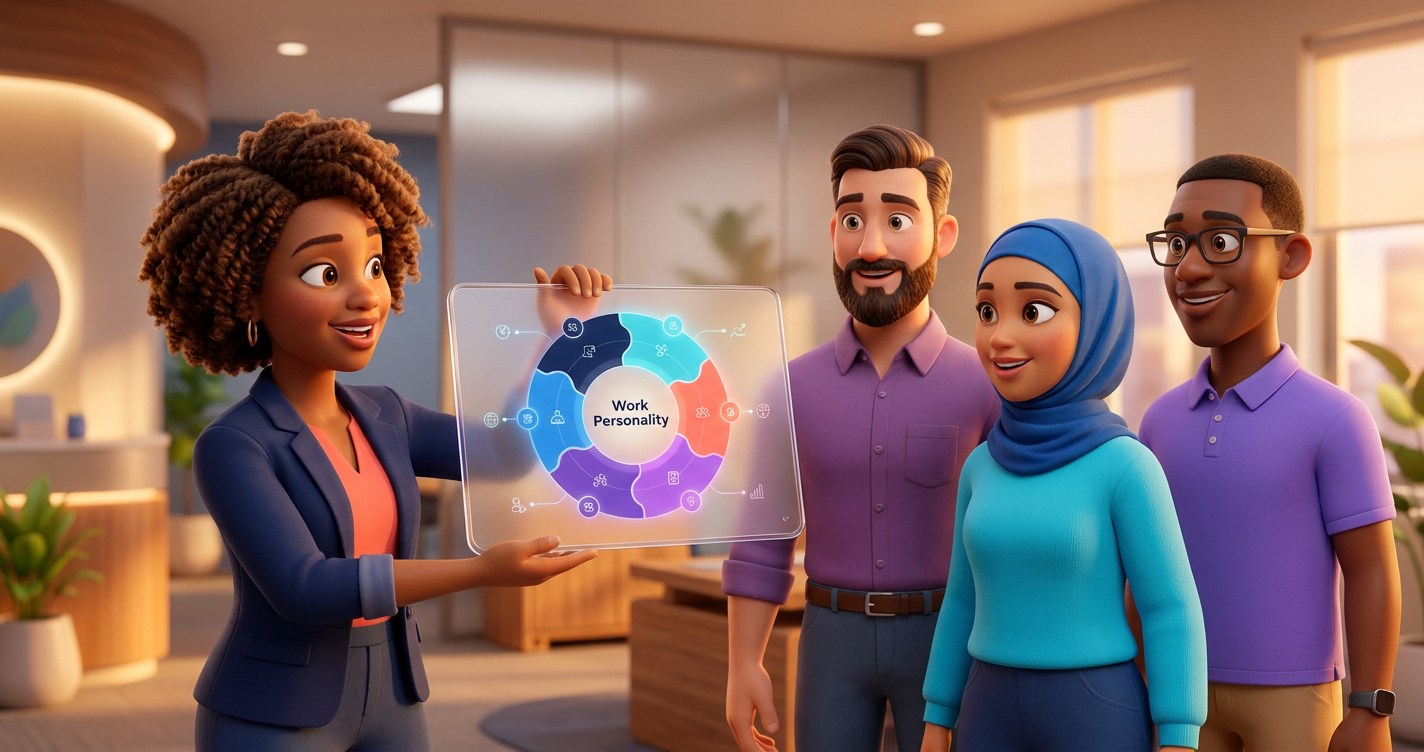
To understand if an assessment platform really works, we have to look at the psychology behind it. At Compono, we have spent years researching how personality traits translate into workplace behaviours. We categorise these into eight distinct work actions that define high-performing teams: Evaluating, Coordinating, Campaigning, Pioneering, Advising, Helping, and Doing.
For example, a team full of Pioneers will be incredible at coming up with new ideas but might struggle with the finish line if they lack a Doer to handle the practical execution. An assessment platform allows you to see these gaps in real time. It is not just about finding a 'good' candidate; it is about finding the right piece of the puzzle for your specific team at this specific moment.
By using a work personality framework, you can move away from vague terms like 'culture fit' and start talking about 'culture add'. You can identify if a candidate brings a perspective or a way of working that your team currently lacks, which is the true foundation of a diverse and high-performing workforce.
The true cost of a bad hire is often estimated at 1.5 to 2 times the person's annual salary. This includes recruitment costs, onboarding time, and the lost productivity of the team. Assessment platforms work by significantly increasing the 'hit rate' of your recruitment process. When you have objective data showing that a candidate has the cognitive capacity and the behavioural traits required for a role, the likelihood of them staying beyond the first six months increases dramatically.
At Compono, our Workforce Intelligence Platform uses these insights to help you build smarter teams. By assessing Organisation Fit alongside skills and qualifications, Compono Hire ensures you are making decisions based on a holistic view of the person. This reduces the 'honeymoon period' shock where a new starter realises the role isn't what they expected, or a manager realises the hire isn't who they seemed to be in the interview.
This data-driven approach also creates a better experience for the candidate. They receive feedback on their own work personality, helping them understand where they thrive. Even if they do not get the job, they leave the process with a positive impression of your brand because the selection felt fair, transparent, and grounded in something more substantial than a ten-minute chat.
For HR leaders, the shift from manual screening to an assessment platform is a move from being a 'corporate police' figure to becoming a strategic coach. Instead of spending hours in spreadsheets, you can spend your time interpreting insights and advising senior leadership on team design. This is particularly vital for mid-market companies that need to scale quickly without losing their unique culture.
When you use an assessment platform, you are building a library of people intelligence. You can look at your top performers and identify the common traits they share. Are your best salespeople all Campaigners? Do your most efficient project managers tend to be Coordinators? This information becomes a blueprint for future success, allowing you to replicate high performance across the entire organisation.
Furthermore, these platforms help in balancing culture fit and diversity. By focusing on objective behavioural data rather than subjective 'likability', you naturally reduce the affinity bias that often leads to teams becoming echo chambers. You start hiring people because they can do the work and thrive in your environment – regardless of their background or previous job titles.
Key insights
Assessment platforms work because they provide a consistent, scientific framework for evaluating human potential that goes far beyond what a resume can offer. By measuring work personality and organisation fit, these tools allow managers to predict team synergy and long-term retention with high accuracy. The result is a more efficient recruitment process, reduced turnover costs, and a more diverse, high-performing workforce that is built on data rather than guesswork.
Investing in the right tools is the first step toward transforming your people strategy. By moving away from manual processes, you can focus on building the culture and engagement your team needs to succeed.
Understanding how people intelligence can transform your hiring process is the key to building a resilient organisation. Start exploring how data can help you make more confident people decisions today.
Yes, assessment platforms are often even more critical for small teams. In a small environment, a single bad hire can have a devastating impact on culture and productivity. Using data to ensure a new person fits the existing team dynamic is a vital safeguard for growth.
Modern assessment platforms like Compono use sophisticated forced-choice questions and consistency checks that make it very difficult to 'game' the system. Rather than asking if you are 'good at details', we ask you to choose between several positive traits to find your true dominant preference.
Most high-quality assessments are designed to be completed in under 15 minutes. The goal is to gather deep insights without creating a 'barrier to entry' that causes top talent to drop out of your application funnel.
Not at all. An assessment platform works best when it informs the interview. It provides you with specific questions to ask based on a candidate's potential blind spots, making your face-to-face time much more productive and insightful.
While there is an upfront cost, the return on investment is usually seen within the first one or two hires. By avoiding the cost of a bad hire and reducing the time spent on manual screening, most companies find the platform pays for itself very quickly.

What changes when candidate assessments come off paper: fewer transcription errors, faster shortlists, and a hiring record you can audit.

The Predictive Index measures four behavioural drives plus cognitive ability to predict how people work. Learn what that means for smarter hiring.

What behavioural screening catches that a resume cannot: risk appetite, how someone handles pressure, and whether they will raise a problem early.
 Mathan Allington