

.webp)

 Compono

1 min read
Hiring at scale: how to grow your team without losing your culture
 Mathan Allington
Last reviewed July 2026
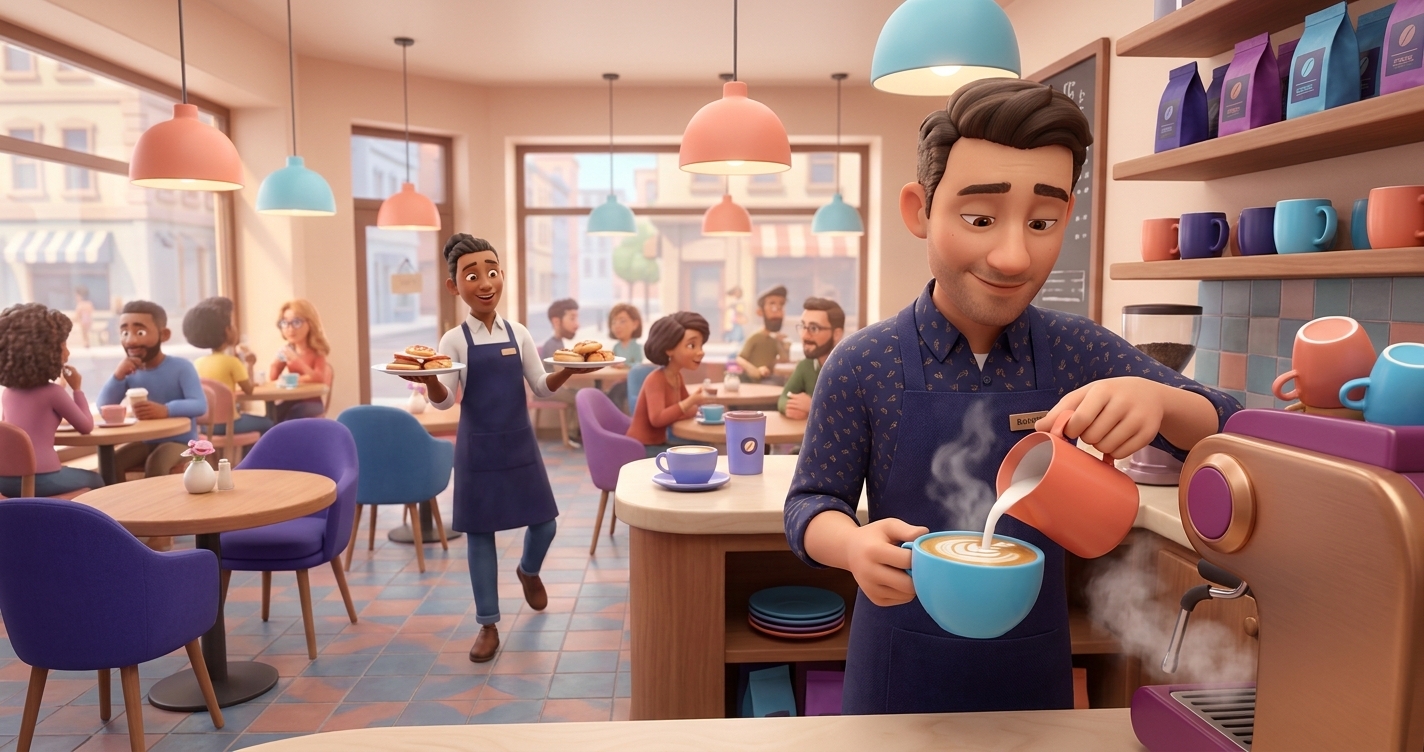
Why cafes and restaurants need behavioural hiring comes down to a simple reality: a resume cannot tell you if a candidate will panic during a Sunday brunch rush or stay calm with a difficult customer.
Key takeaways
- Resumes highlight technical skills but fail to measure a candidate's ability to handle stress, collaborate, or adapt to sudden changes.
- Matching natural personality traits to specific roles ensures staff are naturally suited to the demands of the kitchen or the floor.
- Using behavioural insights reduces the high turnover rates that traditionally plague the hospitality industry.
- Multi-location venues can use behavioural data to maintain a consistent customer experience across all their franchises.
The hospitality industry runs on tight margins, high energy, and unpredictable variables. A POS system might crash during the breakfast rush. A supplier might short-deliver your fresh produce on a Friday afternoon. A table of twelve might walk in five minutes before the kitchen closes.
To survive and thrive in this environment, venue managers need staff who possess specific inherent traits. You need people who are resilient, adaptable, and capable of working as a cohesive unit when the pressure spikes.
Traditional recruitment methods rely heavily on past experience. A manager looks at a CV, sees two years of experience at a local cafe, and assumes the candidate can handle the job. This approach is the primary reason hospitality suffers from notoriously high turnover rates.
When you hire purely for technical skills, you ignore the behavioural traits that actually dictate how someone will perform on the floor.
Staff turnover is often accepted as an inevitable part of running a cafe or restaurant. Managers spend hours every week interviewing replacements, training new starters, and covering shifts when people quit without notice.
This constant churn drains your profits. Every time a staff member leaves, you lose the time invested in training them. You also risk damaging your customer experience. Regular patrons notice when the service becomes inconsistent or when their favourite barista is suddenly gone.
High turnover also places an unfair burden on your remaining team members. When you are constantly short-staffed, your best employees have to work harder to cover the gaps. This leads to burnout, frustration, and eventually, more resignations.
Fixing this cycle requires a fundamental shift in how you evaluate candidates. You need to look past their technical history and start measuring their natural work preferences.
Technical skills can be taught relatively quickly. You can teach a new hire how to carry three plates, operate the till, or extract the perfect espresso shot. You cannot teach someone how to remain patient when a customer complains about their order.
A candidate might have five years of experience in fine dining. They know how to open wine at the table and explain a complex menu. If they lack the ability to collaborate with a stressed kitchen team, their technical skills become irrelevant.
This is where behavioural hiring changes the game. By evaluating candidates on their natural behavioural traits, you can predict how they will handle the reality of the venue. Compono Hire automates this process by assessing candidates across culture, job, and personality fit before you even look at their resume.
When you understand a candidate's natural tendencies, you can make informed decisions about where they belong in your venue.
A successful restaurant operates like a complex machine. The back of house and front of house require entirely different skill sets and work personalities to function effectively.
In the kitchen, you need structure, precision, and a relentless focus on the immediate task. The environment is loud, hot, and requires immense concentration. People who thrive here often align with The Doer personality type. They are practical, results-driven, and find satisfaction in executing tasks with accuracy.
The front of house demands a completely different approach. Floor staff need to be highly perceptive, empathetic, and capable of reading the mood of a table. They need to genuinely enjoy interacting with people and resolving issues smoothly.
These traits align closely with The Helper personality type. Helpers are naturally supportive, approachable, and excel at creating an inclusive environment where guests feel valued.
Placing a highly structured, introverted person on the floor will drain their energy quickly. Putting a highly sociable, people-oriented person on a solitary prep station will leave them bored and disengaged. Behavioural hiring ensures you put the right personality in the right position.
If you operate a single cafe, you can often manage culture through sheer personal presence. When you expand to three, five, or fifty locations, you can no longer be on the floor every day to guide the team.
Scaling a hospitality business requires a repeatable, data-driven approach to recruitment. You need to ensure the team in your newest location delivers the exact same customer experience as your flagship venue.
Many franchise networks struggle with this consistency. Each store manager hires based on their own gut feeling, leading to wild variations in service quality across the brand. Implementing a standardised behavioural assessment removes this guesswork.
When you define the specific traits that make your brand successful, you can test every applicant against that benchmark. This is exactly how The Coffee Club transformed their recruitment process, ensuring every new hire aligned with their core values regardless of which store they applied to.
Using a dedicated multi-location hiring solution gives head office visibility over the entire recruitment process while equiping local managers to make data-backed decisions.
The hospitality talent market is highly competitive. Good chefs, reliable baristas, and experienced floor managers are always in demand. If your hiring process is slow or cumbersome, the best candidates will simply accept a job somewhere else.
Many operators hesitate to introduce behavioural assessments because they worry it will slow down their recruitment. Modern behavioural science is designed to be fast and engaging.
A well-designed assessment takes only a few minutes to complete. It gives the candidate immediate insight into their own working style, making the application process feel valuable rather than tedious. This positive interaction sets the tone for their entire employment journey.
When you sit down for an interview with a candidate who has completed a behavioural assessment, the conversation completely changes. You spend less time verifying their work history and more time discussing how they would handle specific scenarios in your venue.
Unconscious bias is a significant problem in hospitality hiring. Managers often hire people who look, talk, or act like themselves. They might favour candidates who previously worked at venues they personally admire.
This bias creates homogenous teams that lack diversity of thought. It also causes managers to overlook exceptional candidates who might not fit their preconceived idea of what a waiter or chef should look like.
Behavioural hiring levels the playing field. It focuses entirely on objective data regarding a person's natural work preferences. When you evaluate candidates based on their actual behavioural fit, you open your doors to a much wider talent pool.
You might find that a candidate with zero hospitality experience has the exact resilience, empathy, and problem-solving skills needed to become your best floor manager. Without behavioural data, their resume would likely end up in the bin.
Your workplace culture is defined by the people you hire and the behaviours you tolerate. In hospitality, a toxic culture spreads quickly. One negative, highly reactive staff member can drag down the morale of an entire shift.
When you hire people whose natural traits align with your venue's values, culture becomes self-sustaining. Resilient teams support each other during difficult services. Empathetic floor staff naturally cover for one another. Structured kitchen staff maintain order even when the docket machine won't stop printing.
This alignment reduces workplace conflict and creates an environment where people actually want to work. When your staff are happy and engaged, your customers receive better service. Your turnover drops, your training costs decrease, and your venue becomes known as a great place to work.
Shifting away from resume-based hiring requires a change in mindset, but the operational benefits are undeniable. By focusing on how people behave rather than just where they have worked, you build a team capable of handling whatever the hospitality industry throws at them.
Key insights
The hospitality industry relies on resilience, teamwork, and adaptability, traits that traditional resumes cannot measure. By implementing behavioural hiring, cafes and restaurants can match candidates' natural work personalities to the specific demands of front-of-house and back-of-house roles. This data-driven approach significantly reduces staff turnover, eliminates hiring bias, and ensures a consistent customer experience across single venues and large franchise networks alike.
Ready to build a more resilient hospitality team that stays longer and performs better under pressure?
If you'd like to talk through how Compono can support your team, we're happy to walk you through it. No pressure, just a conversation.
Turnover is high because managers often hire based on technical skills or past experience rather than checking if a candidate has the resilience and temperament to handle high-pressure, fast-paced environments.
Behavioural hiring uses short assessments to measure a candidate's natural work preferences. This data helps managers see if an applicant naturally possesses the empathy needed for the floor or the structured focus required in the kitchen.
Modern behavioural assessments take only a few minutes to complete. They actually speed up the overall process by automatically filtering candidates who are the best fit, saving you from interviewing people who won't suit your venue.
Yes. By defining the specific traits that make your brand successful, you can use behavioural data to ensure every franchise or location hires staff who deliver a consistent customer experience.
Front-of-house roles generally require high empathy, strong communication, and adaptability. People with 'The Helper' or 'The Campaigner' work personalities often thrive in these customer-facing positions.
1 min read
Last reviewed July 2026
1 min read
Hiring managers use work personality tests to identify the natural work preferences of candidates, ensuring they have the right mix of motivations...
1 min read
Volume hiring assessments filter large applicant pools by scoring every candidate against the same objective criteria before a human reads a single...
 Compono