

 Mathan Allington
How to assess employee Potential
 Mathan Allington
To assess employee potential accurately using objective capability data, psychometrics and structured frameworks. See how it works.

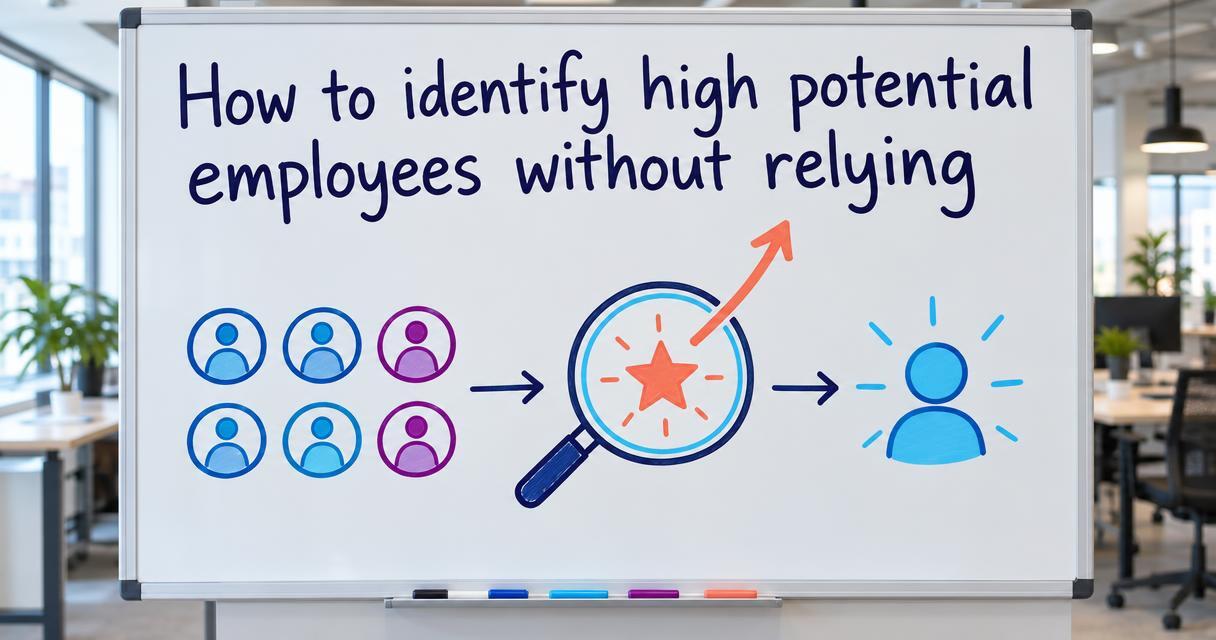
How to identify high potential employees requires looking beyond past performance to measure a person's capability, drive, and behavioural fit for future leadership roles.
Last reviewed November 2026
Key takeaways
- High performance proves someone can do their current job well, while high potential indicates they have the agility and drive to succeed in more complex future roles.
- Relying solely on manager nominations introduces bias and often overlooks quiet achievers, especially in remote or hybrid work environments.
- Objective identification requires psychometric assessments and capability data to measure learning agility, behavioural alignment, and leadership traits.
- Transparent communication with employees who are not selected for high-potential programs is required to maintain team morale and retain reliable core performers.
- Measuring the return on investment involves tracking promotion velocity, retention rates of identified talent, and the reduced cost of external executive hiring.
HR leaders spend months building comprehensive leadership development programs, only to fill them with the wrong people. The most common mistake is confusing high performance with high potential. Someone who hits every sales target or writes flawless code is a high performer. That does not mean they have the capability or desire to lead a team.
When you rely on gut feel and manager nominations, you often end up promoting people to their level of incompetence. We see this constantly in mid-market organisations. A manager nominates their most productive team member for a fast-track program because they like them and want to reward them. This is the halo effect in action. The result is usually a lost top performer and a struggling new leader.
The data backs this up. According to The Talent Strategy Group, only 44% of employers say they are correct when evaluating employee potential. To fix this, you need a system that separates what people do today from what they can do tomorrow. You need objective data to find the people who can actually steer your business through its next phase of growth.
Before you can identify high-potential employees, you must define what potential actually looks like in your organisation. A high-potential employee (often called a HiPo) is someone who possesses the ability, engagement, and aspiration to rise to and succeed in more senior positions.
Research from the FHRD shows that 67% of organisations define high-potential employees by the capabilities needed for future roles. Past performance is a baseline requirement, but it is not the deciding factor. You are looking for specific indicators of future success. These indicators generally fall into three distinct categories.
First is cognitive ability and learning agility. Can the person absorb new information quickly and adapt to changing circumstances? Second is drive and ambition. Do they actually want to take on more responsibility, or are they perfectly happy in their current role? Third is social skills and emotional intelligence. Can they influence others and build cooperative relationships across different departments?
The distinction between performance and potential is the foundation of any talent strategy. A high performer stands out in their current role. They meet deadlines, exceed targets, and require very little supervision. They are incredibly valuable to your business. However, their skills might be strictly technical or highly specialised.
A high-potential employee might be slightly less productive in their technical output because they are spending time mentoring junior staff, questioning outdated processes, or seeking out cross-functional projects. To clarify the difference, look at these contrasting behaviours.
| High Performer Behaviours | High Potential Behaviours |
|---|---|
| Excels at executing known processes and achieving set targets. | Questions existing processes and suggests structural improvements. |
| Focuses heavily on their own output and individual metrics. | Takes an active interest in team output and company strategy. |
| Seeks feedback to improve their specific technical skills. | Seeks feedback to understand their impact on the wider business. |
| Solves problems within their specific domain of expertise. | Anticipates future problems and works through ambiguity well. |
| Mastery of the current role is their primary career goal. | Actively seeks stretch assignments outside their comfort zone. |
Understanding this distinction helps you avoid the trap of rewarding great work with a promotion that the employee is not suited for. You need to predict employee success based on behavioural evidence, not just past output.
Most organisations lean heavily on manager opinions to spot talent. A study by Talogy found that 91% of HR professionals and 88% of leaders use performance ratings or manager recommendations to identify high-potential employees. This approach is inherently flawed because humans are terrible at objectively assessing other humans without a structured framework.
When managers nominate candidates, several cognitive biases take over. Affinity bias causes managers to favour employees who share their background, education, or working style. Proximity bias means managers nominate the people they see in the office most often, automatically disadvantaging remote or hybrid workers. The halo effect occurs when a manager lets one positive trait (like exceptional presentation skills) blind them to glaring weaknesses in other areas.
To remove this bias, you need objective data. This is where psychometric assessments and behavioural science come in. Only a fraction of companies use these tools for internal mobility, yet they provide the most accurate read on a person's natural working style and leadership potential. By measuring traits like how someone handles ambiguity or makes decisions under pressure, you remove the subjective lens of the line manager.
To find your future leaders, you need a structured, repeatable framework. This framework should combine objective performance data with behavioural and capability insights. Moving from subjective nominations to a data-driven approach requires a clear process.
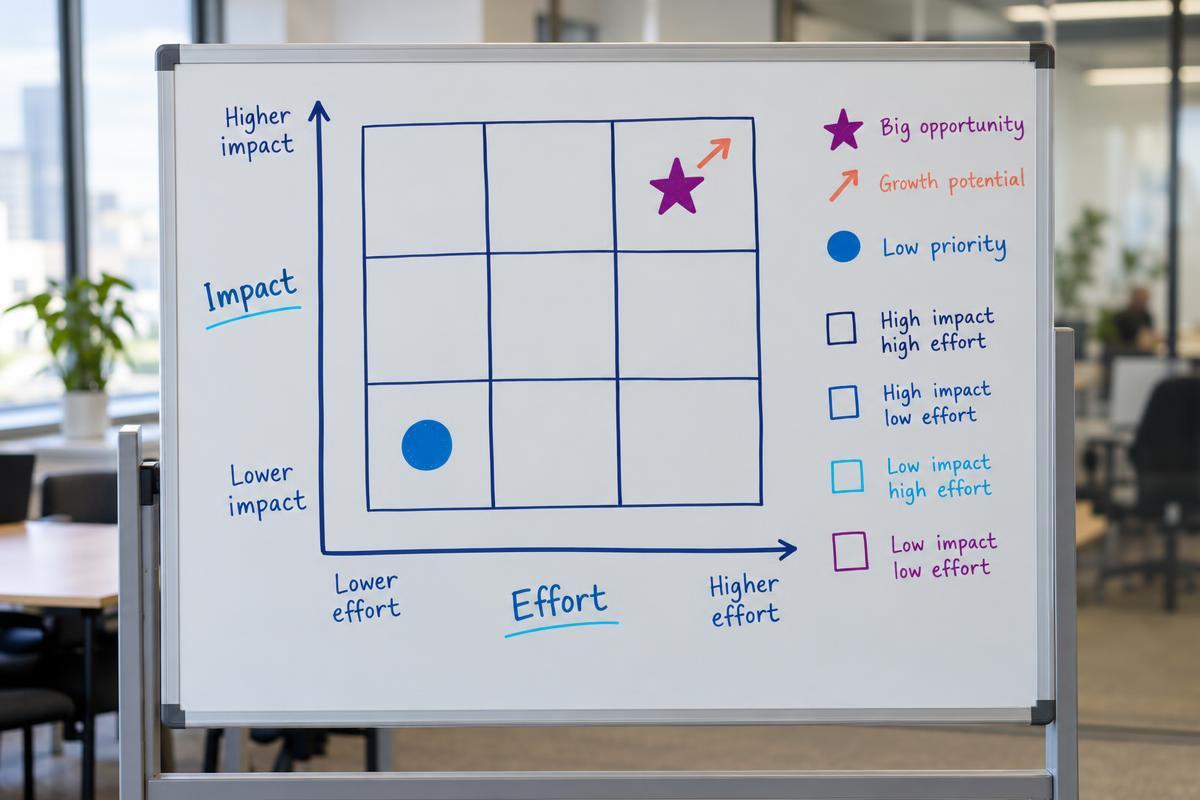
Start by mapping your workforce using a 9-box grid. This tool plots employees across two axes: current performance and future potential. High performers with high potential sit in the top right box. These are your prime candidates for leadership tracks. Those with high performance but low potential remain valuable core contributors, but they belong on a technical development track rather than an executive one.
Next, run objective capability assessments. Look at the specific skills required for your future operational needs. A reliable skills matrix helps you identify where your capability gaps are and who has the foundational skills to bridge them. Compono Develop supports this by tracking capability data across your workforce, giving you clear visibility into who is ready to step up and who needs more structured learning.
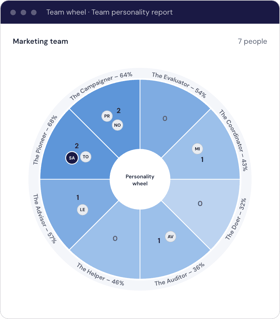
Finally, assess their work personality. Some people are natural pioneers who thrive on innovation, while others are coordinators who excel at bringing people together. Understanding these behavioural profiles helps you match the right high-potential candidate to the right future role. It removes the guesswork from predicting leadership potential.
The shift to distributed work has made traditional talent spotting much harder. You can no longer rely on observing who stays late or who commands a meeting room. Identifying high potential employees in a remote environment requires a different set of signals based on digital behaviour and asynchronous collaboration.
Look for asynchronous leadership. Who takes the initiative to document processes so others can follow them? Who naturally steps in to unblock a project in a digital workspace without being asked? These behaviours demonstrate proactive problem-solving and a team-first mentality. When someone consistently leaves clear trails of documentation and updates, they are showing consideration for their colleagues' time.
Communication clarity is another massive indicator of potential in hybrid teams. Employees who can convey complex ideas concisely in writing and keep remote stakeholders aligned possess the exact social skills required for modern leadership. You are looking for the person who can defuse a tense email thread or summarise a messy video call into three actionable bullet points.
Identifying your high-potential employees is only half the battle. How you communicate with the rest of your workforce is equally important. If you launch a highly visible leadership program and exclude your steady, reliable high performers, morale will plummet. You risk losing the very people who keep your daily operations running.
You must have a transparent talent communication matrix. Be clear about what the high-potential track entails. Often, when core performers understand the extra hours, stress, and ambiguity involved in a leadership track, they are perfectly content to stay in their current lane. Provide alternative development paths for these technical experts so they still feel valued and have room to grow in their craft.
When you get this right, the return on investment is significant. Targeted talent programs improve retention where it matters most. Talogy research notes that more than 50% of high-potential employees report that being identified increased their commitment to their employer. Track your retention rates among this identified cohort, measure their promotion velocity, and calculate the cost savings of promoting internally versus hiring external executives.
Internal promotions reduce onboarding time, lower recruitment costs, and preserve institutional knowledge. By using objective tools to predict job performance, you ensure those investments yield actual business results.
Identifying and nurturing your future leaders requires clear visibility into what your people can actually do, not just what their manager thinks they can do.
The most common mistake is confusing high performance with high potential. Companies often assume that their best salesperson or most efficient engineer will automatically make a great leader. While high performance is necessary, potential requires a different set of skills, including emotional intelligence, learning agility, and the desire to lead others.
Learning agility is best measured through objective psychometric assessments and behavioural observations. You can identify it by looking at how an employee responds to unfamiliar situations, whether they actively seek out feedback, and how quickly they apply new concepts to solve complex problems outside their normal scope of work.
Yes, transparent communication is highly recommended. Research shows that informing employees of their high-potential status increases their commitment and engagement. However, you must also be clear about the expectations and additional pressures that come with the designation, and provide clear development pathways for those who are not on the list.
To reduce bias, stop relying solely on manager nominations. Start a structured assessment framework that uses objective capability data, psychometric profiling, and tools like the 9-box grid. This ensures decisions are based on measurable traits and evidence rather than subjective opinions or proximity bias.
High performers with low leadership potential are the backbone of your organisation. Keep them engaged by offering technical development tracks, lateral moves, or subject matter expert roles. Recognise their contributions and provide them with autonomy and mastery opportunities without forcing them into management positions they do not want.
To assess employee potential accurately using objective capability data, psychometrics and structured frameworks. See how it works.
A talent calibration meeting aligns manager evaluations to ensure fair performance reviews. Learn how to run them, audit for bias and communicate...
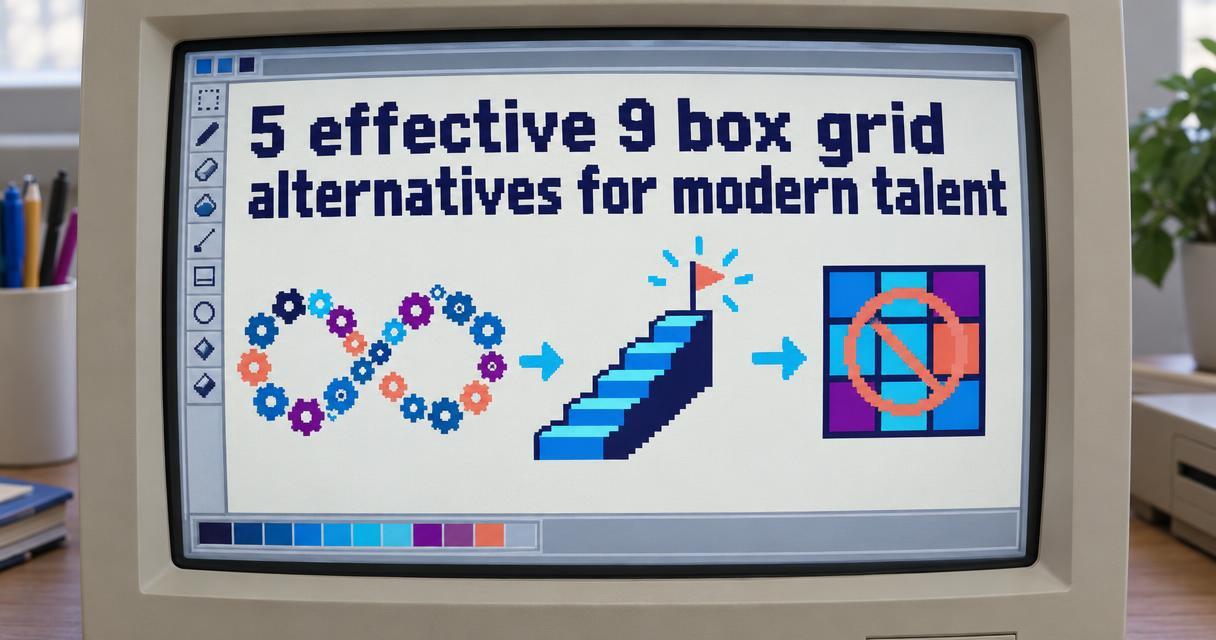
The most effective 9 box grid alternatives. Learn why continuous feedback, skills matrices, and four-box models outlast subjective potential ratings.