.webp)

 Compono


1 min read
Compare HR software features to solve people problems
 Mathan Allington
To compare HR software features properly, score every feature against the two risks HR actually manages: process risk (admin errors, compliance...

People problems are real. They come from tools that manage process but ignore decisions. If you are an HR leader in today's workplace, you have likely felt the frustration of having a library of software that makes you faster at doing admin, but no better at making the critical people calls that actually move the needle for your business.
We need to stop pretending that more automation is the same thing as better leadership. The truth is that most HR leader tools on the market today are designed to solve for process risk - things like compliance, payroll accuracy, and administrative speed. While those things are necessary, they are only half the equation. The bigger risk, the one that keeps you up at night, is people insight risk.
In this guide, we will explore why the current landscape of HR technology often leaves leaders feeling stuck in a transactional loop. We will look at the two-risk framework and how you can choose tools that protect your reputation, empower your teams, and finally bridge the gap between being the corporate police and a strategic advisor.
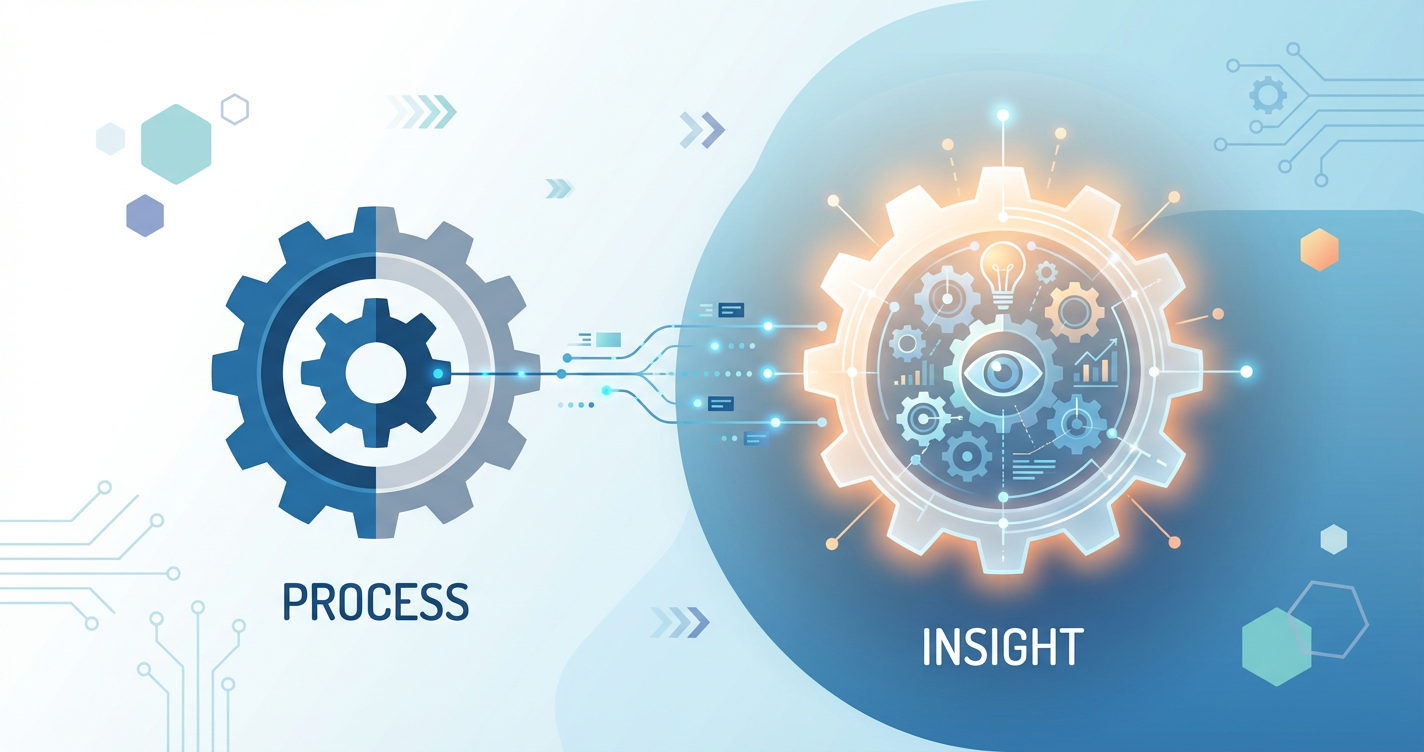
Most HR software was built by engineers looking to standardise workflows, not by people who understand human behaviour. As a result, we have ended up with a tech stack that is excellent at tracking what people have done in the past, but almost useless at predicting what they will do in the future. You might have a system that tells you exactly when an employee's first aid certificate expires, but it won't tell you why your highest-performing team is suddenly showing signs of burnout.
This is the "completeness gap." When your tools only solve for the transactional, you are forced to rely on gut feel for the transformational. You end up guessing more than you would like on hiring, culture, and development. When those guesses go wrong, it is not the software vendor who wears the blame - it is you. HR is always in the spotlight, and when people decisions fail, the function looks reactive rather than strategic.
We believe you are better than the tools you are currently using. You shouldn't have to choose between a system that manages your admin and one that provides deep people intelligence. To move forward, we have to recognise that people problems don't appear from nowhere; they happen when tools manage process risk but ignore people insight risk.

To choose the right HR leader tools, you first need to understand the two types of risk you are actually managing every day. The first is process risk. This is the risk of admin errors, compliance breaches, and manual inefficiency. Most legacy systems handle this well. They centralise data and automate the boring stuff. The result is a faster process, which is great, but speed without direction is just a faster way to get to the wrong destination.
The second, and more dangerous, type is people insight risk. This is the risk of making the wrong calls about who to hire, how to build a team, or where culture is breaking down. It is the risk of "qualified on paper" candidates failing in three months because they didn't fit the team dynamic. It is the risk of losing your best talent because you didn't understand their work motivations.
When you use tools that only solve for process, you are essentially optimising for the wrong thing. You might fill a seat in record time (low process risk), but if that person turns out to be a toxic hire (high people insight risk), the cost to your business is far greater than a slow hiring process ever would have been. Compono helps you reduce both. We believe that Compono is the intelligence layer that your current systems are missing.
Recruitment is often where the two-risk conflict is most obvious. Most applicant tracking systems (ATS) are built to filter resumes based on keywords. They are designed to help you reject 90% of applicants as quickly as possible so you can get to an interview. This optimises for speed, but it completely ignores fit. It treats a resume as a complete picture of a human being, which any experienced HR leader knows is absolute rubbish.
Resumes tell you what someone has done, but they don't tell you who they are or how they work. Bad hires aren't bad luck; they are the result of tools that prioritise speed and keywords over actual behavioural alignment. When you only see the skills and qualifications, you are missing the most important part of the puzzle: the human variability that determines whether someone will actually thrive in your unique environment.
For example, a high-performing recruiter might use an applicant tracking system that includes behavioural science to rank candidates based on culture fit and motivation before even looking at a CV. This concept, which we call people decision intelligence, is at the heart of Compono Hire. It allows you to move fast without the guesswork, ensuring you find the right people for the role, the team, and the company culture.
Another area where HR leader tools often fall short is culture and engagement. Most tools in this category are essentially digital suggestion boxes. They measure sentiment - how people feel right now - and give you a pulse score. While knowing your engagement score is better than not knowing it, a score alone doesn't tell you what to fix. It tells you the "what," but never the "how" or the "why."
Culture problems don't fix themselves, and they certainly don't get fixed by looking at a dashboard that says engagement is down by 4%. They persist when tools measure sentiment but don't explain how people work together. To change culture, you need to understand the underlying behaviours and work preferences that drive those feelings in the first place. You need to see the subcultures across different locations and teams to know where the friction actually sits.
Instead of just measuring happiness, strategic leaders use tools that map organisational culture against 12 validated dimensions. By understanding the gap between your current culture and your desired culture, you can make defensible decisions about where to invest your time and resources. This is how you move from measuring the mood to actually designing the environment.
You can learn more about this approach in The Compono Culture, Engagement & Performance Model.
The final piece of the HR leader tools puzzle is development. Most learning management systems (LMS) are built for the "police" side of HR. They are great at ensuring 100% of your staff have clicked through the mandatory fire safety module. But as we've said before, completion does not equal capability. Just because someone finished a course doesn't mean they are better at their job or more ready for a promotion.
Capability gaps aren't training gaps; they are the result of tools that track clicks but ignore what people actually need to perform. To build a high-performing workforce, you need to connect learning to the actual work types and personalities within your teams. You need to know what a specific person needs to grow in their specific role, rather than pushing the same generic content to everyone.
When you understand the natural work preferences of your individuals, you can tailor development to their strengths. For instance, if you identify someone as having an "Advisor" work personality, their development path should look very different from someone who is a "Doer." By using a system that integrates work personality insights with learning delivery, you ensure that your L&D budget is actually building the capability your business needs to succeed.
Beyond traditional payroll and HRIS, essential tools now include people intelligence platforms that combine applicant tracking with behavioural science, culture diagnostic tools that map performance drivers, and learning systems that focus on capability development rather than just completion rates.
If you find yourself still "guessing" on hiring decisions, struggling to explain why turnover is high despite good engagement scores, or spending more time on admin than on strategic advice, your tools are likely solving for process risk but ignoring people insight risk.
Process risk involves administrative errors and compliance failures. People insight risk is the danger of making the wrong decisions about people—such as hiring the wrong fit or failing to develop the right capabilities—which often has a much higher financial and reputational cost.
When you can use data to predict and understand how different people work best, you can deliberately build teams with complementary strengths. This diversity of work styles, when managed correctly, drives more innovation and better problem-solving than a standardised workforce.
The shift requires adopting tools that handle the transactional "grunt work" automatically while surfacing the data-driven insights needed to advise the business on culture, talent strategy, and organisational design.
1 min read
To compare HR software features properly, score every feature against the two risks HR actually manages: process risk (admin errors, compliance...

1 min read
The right HR platform for a growing team centralises your people data, includes hiring and engagement tools rather than bolting them on, and tells...