

.webp)

 Mathan Allington


Staff Induction Checklist Template Australia Guide (2026)
 Mathan Allington
Looking for a comprehensive staff induction checklist template in Australia? Discover our 2026 guide to compliance, culture, and new-hire success.

An employee onboarding portal is a centralised digital platform that guides new hires through their first days, weeks, and months at a company by providing access to essential documents, training materials, team introductions, and IT provisioning.
Key takeaways
- Modern employee onboarding portals must move beyond digital filing cabinets to become comprehensive experience platforms.
- Automating IT and access logistics through your portal prevents the common frustration of new hires waiting weeks for their tools.
- Hybrid and remote workforces require digital-first onboarding workflows to maintain high satisfaction and cultural connection.
- Personalising the onboarding journey based on behavioural insights significantly accelerates a new starter's time-to-productivity.
- Integrating your onboarding portal with broader engagement and performance systems ensures a smooth transition from new hire to tenured employee.
The first few weeks at a new job are a vulnerable time for any professional. They are navigating new social dynamics, learning complex internal systems, and trying to validate their decision to join your organisation. While 74% of new hires say their employer used some kind of onboarding platform, the reality of these digital experiences often falls short of expectations.
In fact, only 12% of employees believe their company does onboarding well. This highlights a massive gap between simply having an employee onboarding portal and actually using it to drive engagement, retention, and long-term success. Too often, organisations treat their portal as a glorified checklist, a place to dump compliance PDFs, tax forms, and a generic welcome video.
When companies fail to design a structured, empathetic onboarding journey, they risk losing top talent before they even reach full productivity. If you want to understand the root causes of this turnover, exploring why new hires fail reveals that it is rarely a lack of skill, but rather a breakdown in role clarity, cultural integration, and early support. An effective portal is the primary tool HR leaders have to bridge this gap and set the foundation for a thriving workforce.
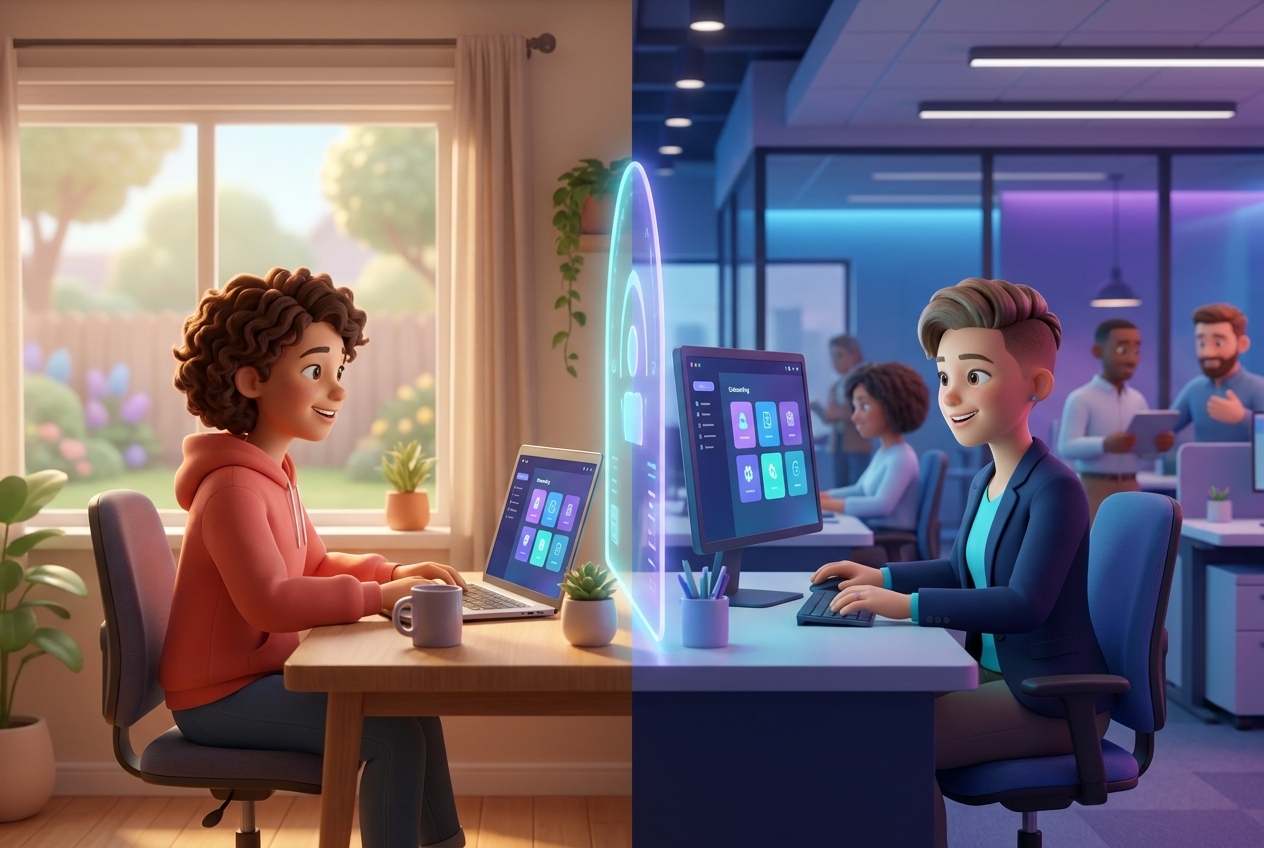
Historically, the onboarding process was a highly administrative function. HR teams would hand over thick folders of paperwork, point the new hire to their desk, and hope for the best. As these processes digitised, the first generation of employee onboarding portals simply replicated this administrative burden online.
Today's workplace demands far more. An effective onboarding process boosts new hire retention by 82%. Achieving this level of retention requires a shift in mindset: your portal is not a digital filing cabinet; it is the digital front door to your company culture.
A modern employee onboarding portal should act as a guided journey. Instead of overwhelming a new starter with 50 tasks on day one, the portal should drip-feed information at the right moments. Week one might focus heavily on cultural immersion, meeting key stakeholders, and understanding the company vision. Week two can transition into more role-specific training and goal setting. By pacing the flow of information, you reduce cognitive overload and allow the new hire to actually absorb what they are learning.
One of the most frustrating experiences for an eager new starter is arriving on day one, whether in the office or logging in from home, and finding they cannot actually do any work. Shockingly, 43% of new hires wait more than a week for workstation logistics and tools.
This logistical failure immediately signals to the employee that the organisation is disorganised. It drains their initial enthusiasm and creates unnecessary friction between HR, IT, and department managers. A solid employee onboarding portal solves this by acting as a central orchestrator for cross-departmental workflows.
Before the employee's start date, the portal should automatically trigger workflows that notify IT to provision hardware, set up software licences, and grant system access. It should also alert facilities to prepare a desk or send a home-office stipend. When all these moving parts are managed within a single platform, the new hire experiences a frictionless day one, complete with all the tools they need to succeed.
The shift towards flexible work arrangements has fundamentally changed how we bring people into an organisation. You can no longer rely on "osmosis", the passive learning that happens when a new hire sits next to a veteran employee and absorbs information by simply listening to office conversations.
Data shows that hybrid onboarding leads to the highest satisfaction at 75%, suggesting that portals must support flexible, asynchronous workflows. An employee onboarding portal becomes the great equaliser in a hybrid environment, ensuring that a remote worker in Perth receives the exact same high-quality induction as an in-office worker in Sydney.
To achieve this, your portal must facilitate digital connections. This includes interactive organisational charts, video introductions from leadership, and automated prompts to schedule virtual coffee chats with cross-functional team members. By intentionally designing these digital touchpoints, you ensure remote and hybrid employees feel just as connected to the company mission as those sitting in the headquarters.
Culture is not something you can easily put into a standard operating procedure document. It is experienced through interactions, feedback, and shared values. When designing the best onboarding portal for your team, the focus must heavily weight towards human connection.
An effective portal facilitates "pre-boarding", the critical window between a candidate signing their contract and their official first day. By granting early access to the portal, you can share team welcome videos, company history, and what to expect on day one. This proactive communication mitigates new-starter anxiety and builds excitement.
the portal should smoothly transition the employee from their probationary onboarding phase into their long-term employee lifecycle. At Compono, we see this firsthand. When organisations use a platform like Compono Engage, they can transition new hires from the administrative steps of an onboarding portal directly into a continuous cycle of feedback, alignment, and cultural integration, ensuring the momentum of the first 90 days is never lost.
A major flaw in traditional onboarding is the "one-size-fits-all" approach. A senior software engineer requires a vastly different induction experience than an entry-level sales representative. Beyond just their job title, individuals also have different learning styles, communication preferences, and behavioural traits.
When you understand a candidate's natural work preferences during the recruitment phase, something Compono Hire facilitates through behavioural science and psychometric insights, you can tailor their onboarding journey to match. For example, a highly analytical new hire might appreciate deep-dive documentation and asynchronous reading, while a highly collaborative new hire might benefit more from shadowing sessions and interactive group workshops.
By feeding these insights into your employee onboarding portal, managers can customise their leadership style from day one. They know exactly how their new team member prefers to receive feedback, how they tackle problems, and what motivates them. This level of personalisation dramatically accelerates the time it takes for a new hire to feel comfortable, confident, and productive in their new role.
Key insights
- Treating your onboarding portal as a simple checklist leads to disengagement; it must be designed as a paced, immersive journey.
- Automating cross-departmental workflows within the portal is essential to prevent new hires from waiting weeks for IT access and equipment.
- Hybrid onboarding models yield the highest satisfaction, requiring portals that facilitate asynchronous learning and digital relationship building.
- Pre-boarding features help mitigate new-starter anxiety by connecting candidates to the company culture before their official first day.
- Use behavioural insights to personalise the onboarding experience allows managers to support new hires according to their unique work preferences.
Transforming your new starter experience requires moving beyond basic checklists and embracing a platform that connects your people, processes, and culture from day one.
Related reading
A comprehensive portal should include pre-boarding materials, compliance and tax forms, IT provisioning workflows, interactive organisational charts, training modules, and a structured 30-60-90 day plan. It should also feature welcome messages and cultural immersion content to help the new hire feel connected to the company vision.
While orientation might only take a few days, a true onboarding process should last at least 90 days, and in many organisations, up to a full year. An employee onboarding portal should support this extended timeline by drip-feeding relevant information and scheduling regular check-ins as the employee grows into their role.
By providing a structured, stress-free introduction to the company, a portal reduces the anxiety and confusion that often leads to early turnover. It ensures new hires have the tools they need immediately, clarifies role expectations, and build early relationships with colleagues, all of which are critical drivers of retention.
Yes, an onboarding portal is arguably the most critical tool for remote and hybrid employees. It replaces the organic, in-person learning that happens in an office with structured digital touchpoints, ensuring remote workers receive consistent training, clear communication, and opportunities for virtual team integration.
Success can be measured through several key metrics: time-to-productivity (how fast a new hire reaches full capacity), new hire retention rates (particularly at the 90-day and 1-year marks), and eNPS (Employee Net Promoter Score) gathered through feedback surveys embedded directly within the portal during the first few months.
Looking for a comprehensive staff induction checklist template in Australia? Discover our 2026 guide to compliance, culture, and new-hire success.
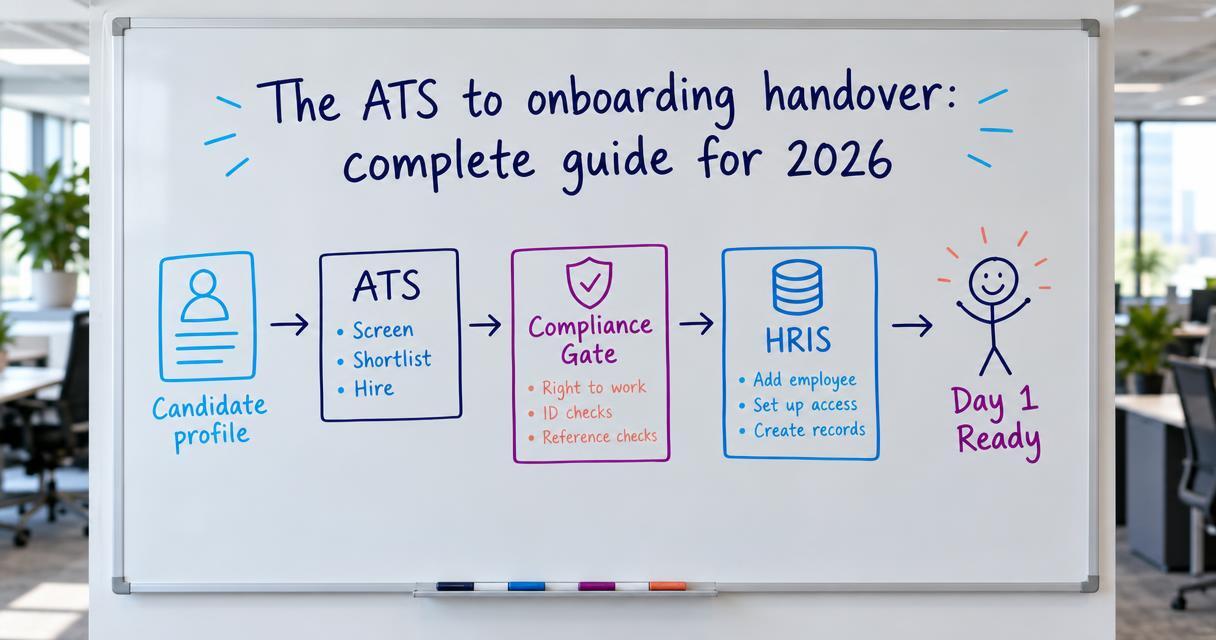
To fix the broken ATS to onboarding handover. Discover the root causes of preboarding failures and how to connect your hiring and HR systems.
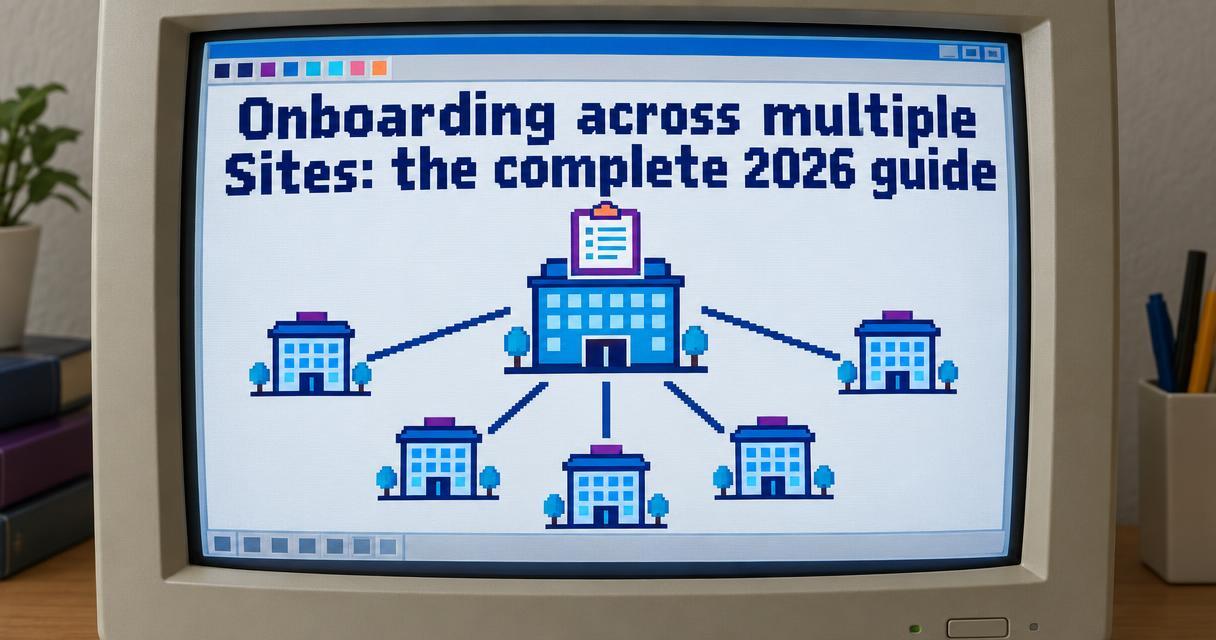
To standardise onboarding across multiple sites while maintaining local flexibility. Discover the frameworks and tools that drive new hire...