

.webp)

 Mathan Allington


How to choose the best employee onboarding software
 Mathan Allington
The onboarding features that actually cut early turnover, a four-step shortlist method, and what to ignore when you compare onboarding systems.
Employee onboarding best practices come down to four things: start before day one, structure the first year in phases, cover the 5 Cs (compliance, clarification, confidence, connection, culture), and measure the results. Around 20% of new employees leave within their first 45 days, while structured onboarding lifts retention by up to 82%.
Last reviewed July 2026.
Replacing an employee costs about 33% of their annual salary, so poor onboarding becomes an expensive problem very quickly. The flip side: companies with structured onboarding see retention improve by up to 82% and productivity climb by over 70%. The difference between those two outcomes is a planned process that treats new hires as an investment worth protecting.
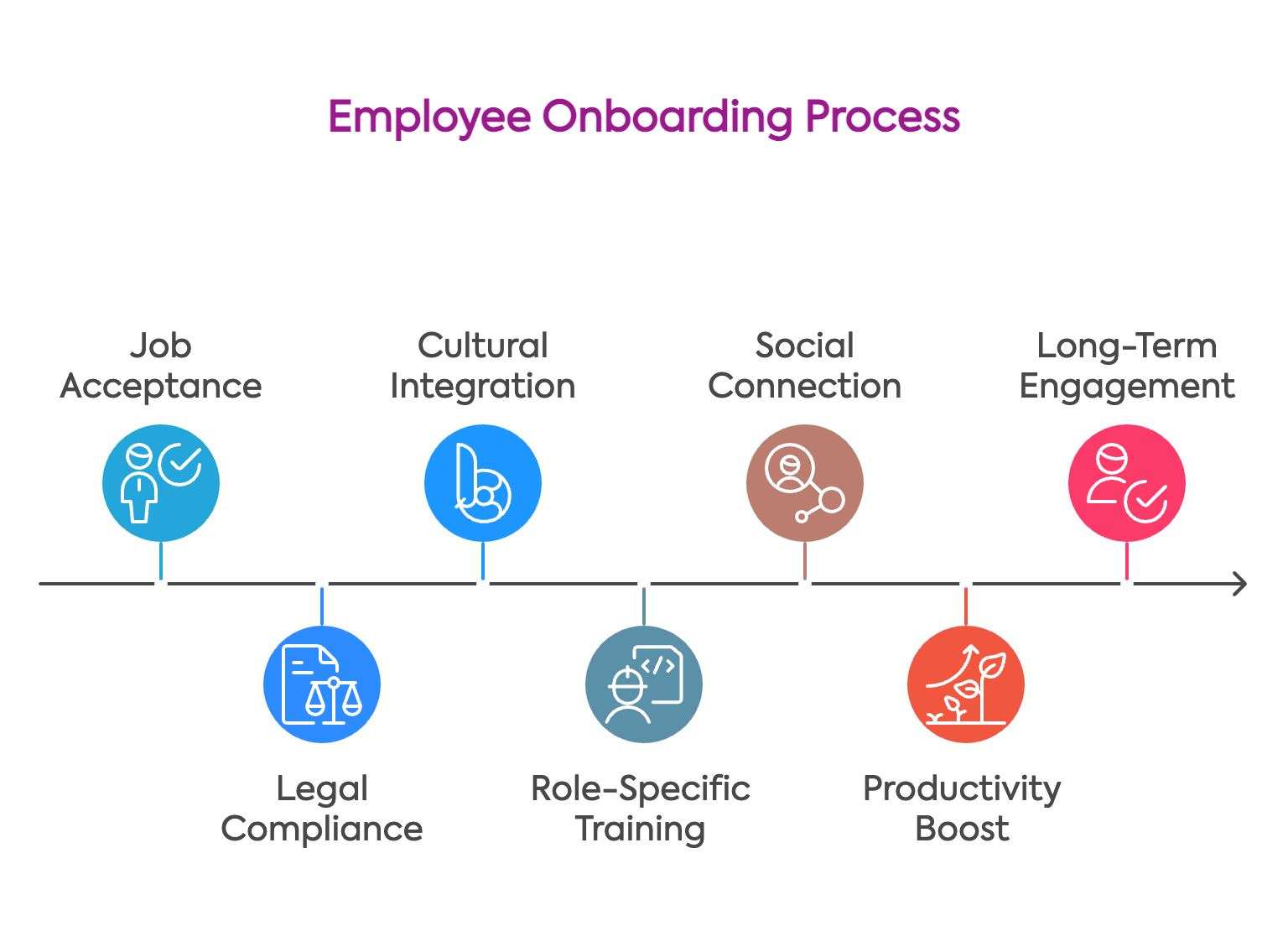
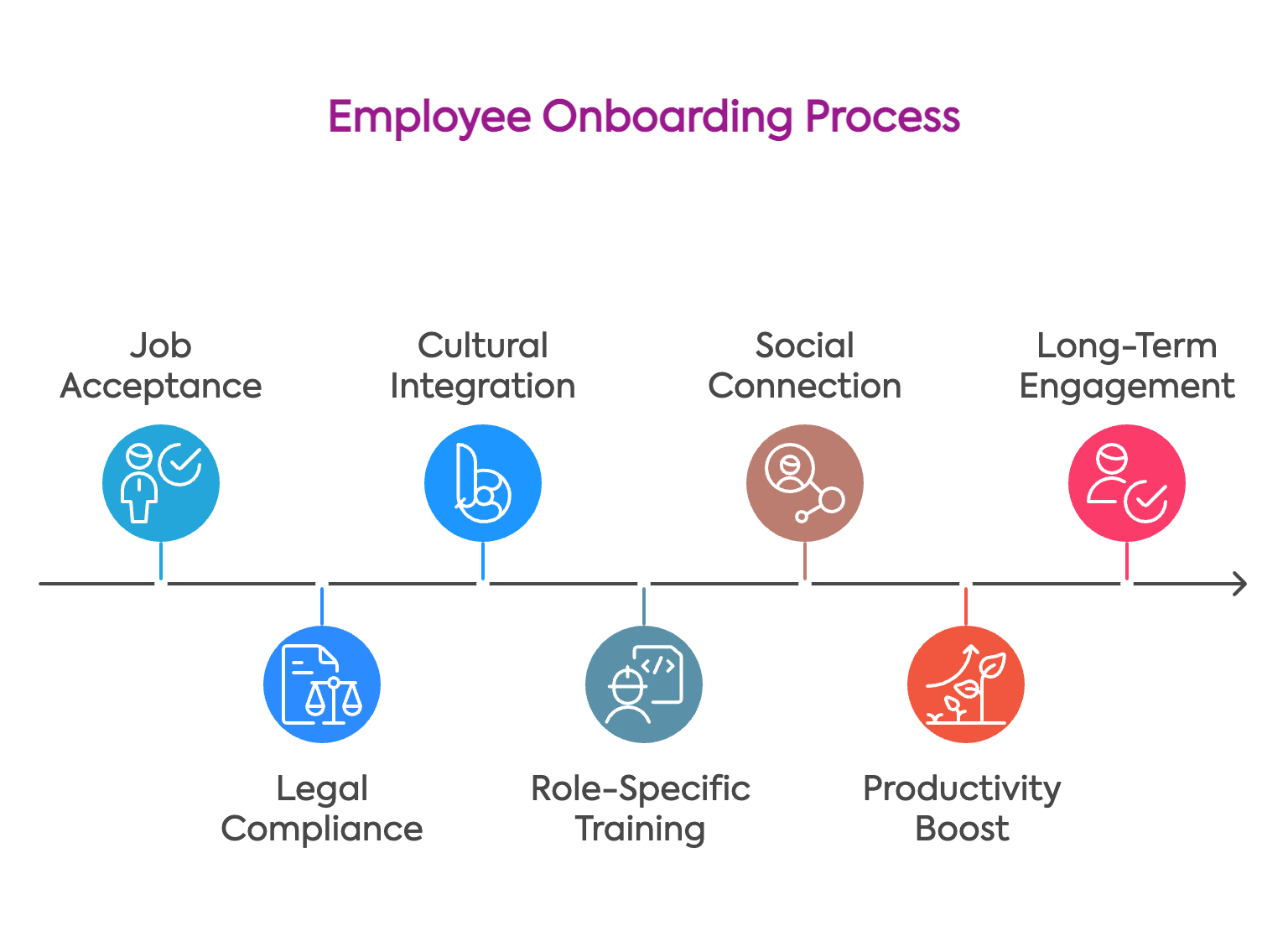
Employee onboarding is the process that integrates new hires into an organisation from job acceptance through their first year. It is the bridge between "you're hired" and "you're thriving here", covering legal compliance, cultural assimilation, role training and relationship building.
A strong onboarding process addresses four areas:
Platforms like Compono Develop handle the routine steps automatically, from compliance tracking to tailored training paths, which frees HR teams to focus on the human side of a new hire's first months.
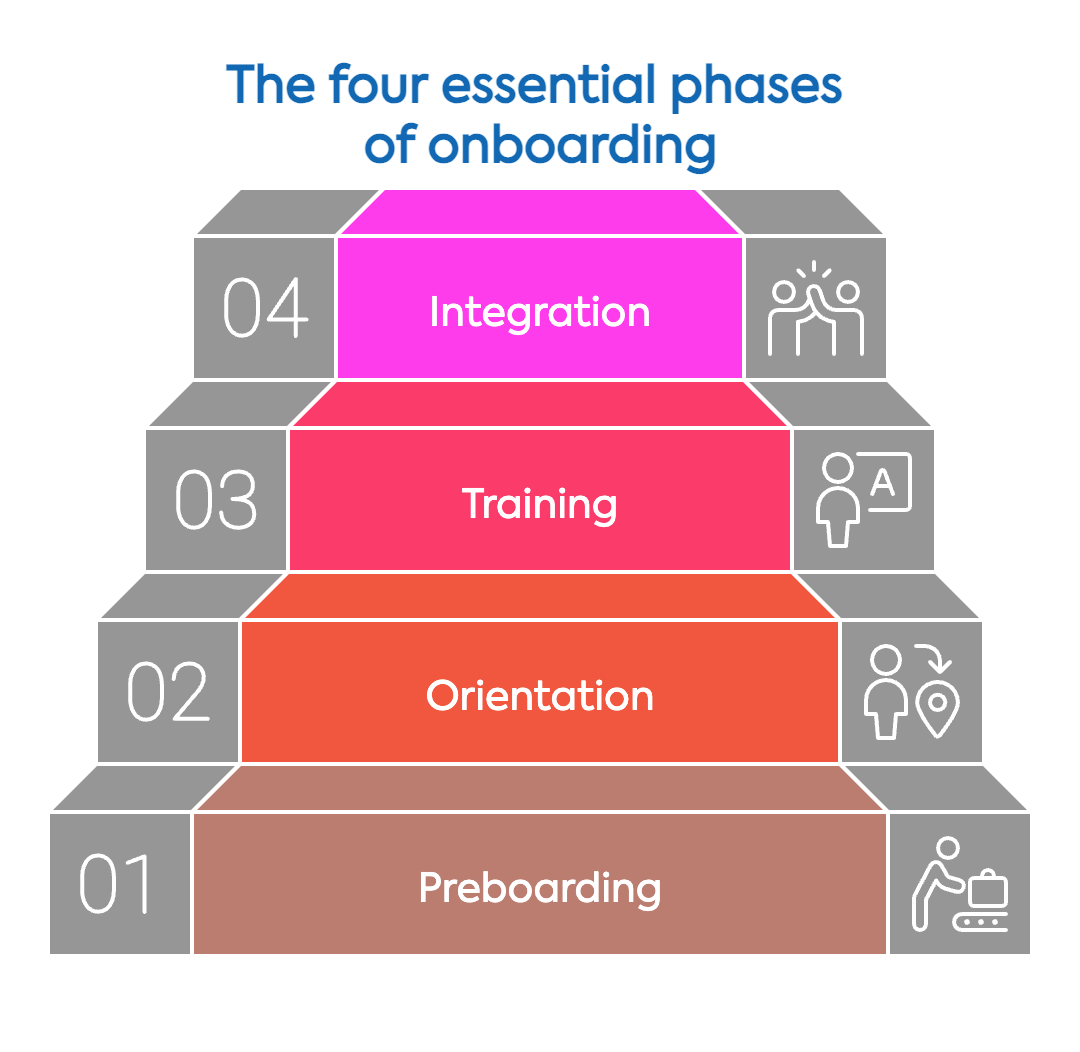
Onboarding starts the moment a candidate accepts. Send a welcome pack with the employee handbook, first-day schedule and practical details within 24 hours of acceptance. Complete tax, super and policy paperwork electronically before arrival so day one is about people, not forms. Coordinate with IT so laptops, email and system access work from the first hour, and assign a workplace buddy so the new hire already knows a friendly face.
Orientation is the new employee's first real taste of working with you. Run a proper tour (including the coffee machine), make introductions with context about how each person will work with the new hire, and walk through the company mission, values and structure. Review policies so expectations are clear from the start, and check the workspace is set up properly, including any accommodations.
This phase moves people from learning the basics to contributing. Blend learning formats, mixing job shadowing with self-paced online modules, because different people absorb information differently. Set measurable goals for 30, 60 and 90 days; ambiguity is the enemy of good performance. Give access to a learning management system and hold weekly manager check-ins so small issues never become big ones.
Integration is the longest phase and where new employees reach full potential. Build social connection through team lunches and cross-departmental work, run formal reviews at 90 and 180 days, and pair new hires with mentors who can share the unwritten rules formal training never covers. Gather feedback on the onboarding experience itself so the process improves with every hire.
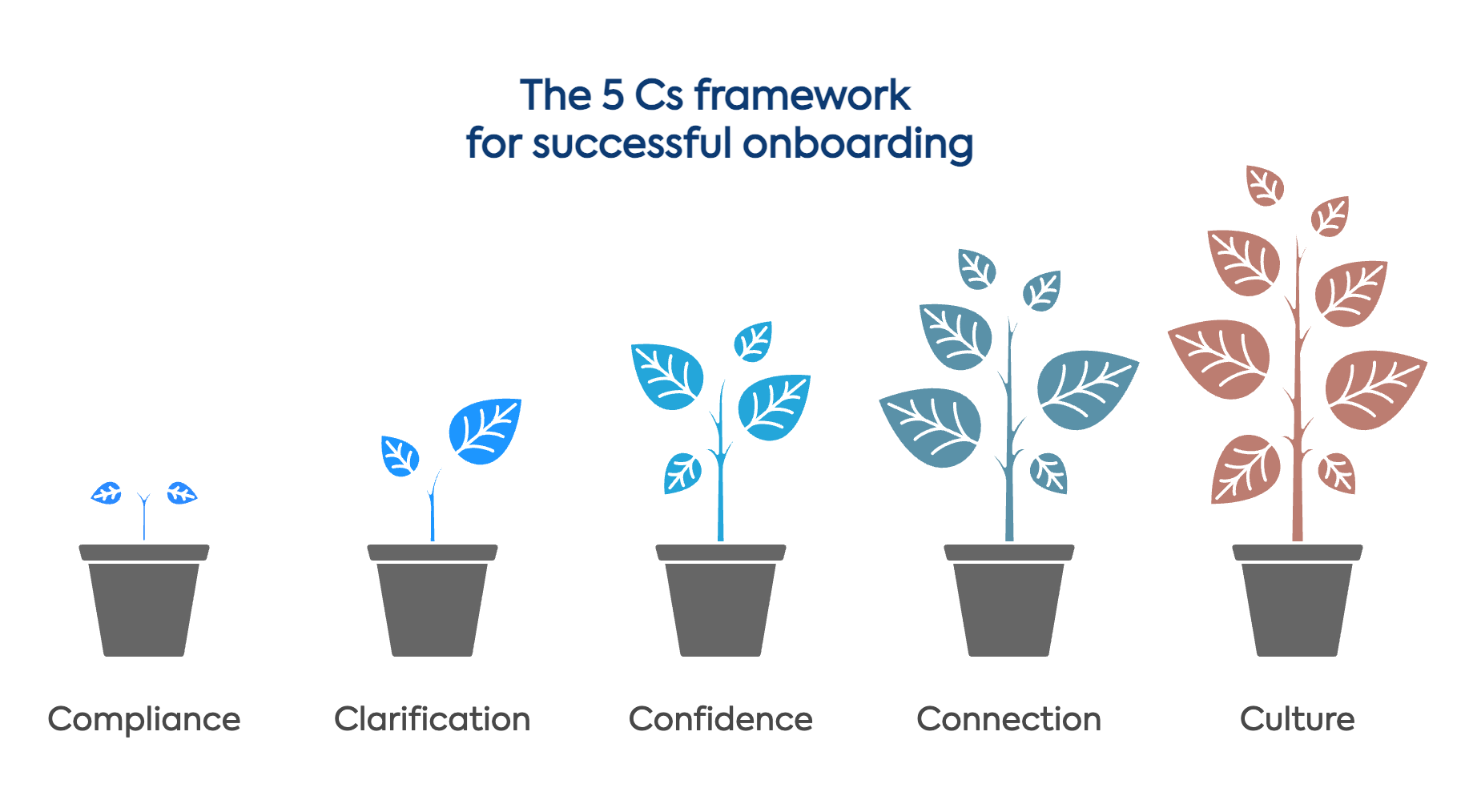
Compliance. Complete all legal requirements, from employment verification to safety training, and keep documentation organised for audits. Industry-specific needs (healthcare privacy training, security clearances) belong here too, with mobile-friendly tools for remote staff.
Clarification. Define responsibilities, reporting lines and performance indicators clearly from day one. Explain communication norms, decision-making processes and realistic ramp-up timelines so nobody is guessing what success looks like.
Confidence. Build skills progressively rather than dumping everything in week one. Design early wins through manageable projects, create safe spaces for questions, and celebrate milestones genuinely and promptly.
Connection. Facilitate relationships through structured introductions, buddy systems and cross-functional collaboration. Employees with strong workplace relationships are more engaged and far less likely to leave.
Culture. Share the stories and behaviours that show your values in action. Culture is caught more than taught: new employees learn the real culture by watching how people behave, so leadership modelling matters more than posters.
Modern onboarding software automates workflow management, task assignments and deadline tracking across departments, replacing email chains and spreadsheets. Digital document management with electronic signatures handles the admin side, while integration with HRIS, payroll and learning platforms stops people re-entering the same data. Mobile access is now essential, not optional.
AI tools are adding personalisation on top: chatbots answering routine policy questions around the clock, learning paths adapted to role and experience, and predictive analytics that flag at-risk new hires early enough to prevent early turnover.
You cannot improve what you do not measure. Four metrics matter most:
For the financial case, compare program costs against reduced turnover, faster productivity and lower cost per hire. Even rough estimates usually show good onboarding pays for itself many times over, and tracking the long-term career progression of well-onboarded employees makes the case stronger every year.
Ship technology and equipment to remote employees before their start date so they are productive from day one. Run virtual office tours, schedule frequent video check-ins during the first 30 days, and create informal digital spaces where casual conversation can happen. For hybrid teams, coordinate in-office days during the first weeks to maximise face-to-face time, and make sure remote staff get equal access to information, training and support regardless of location.
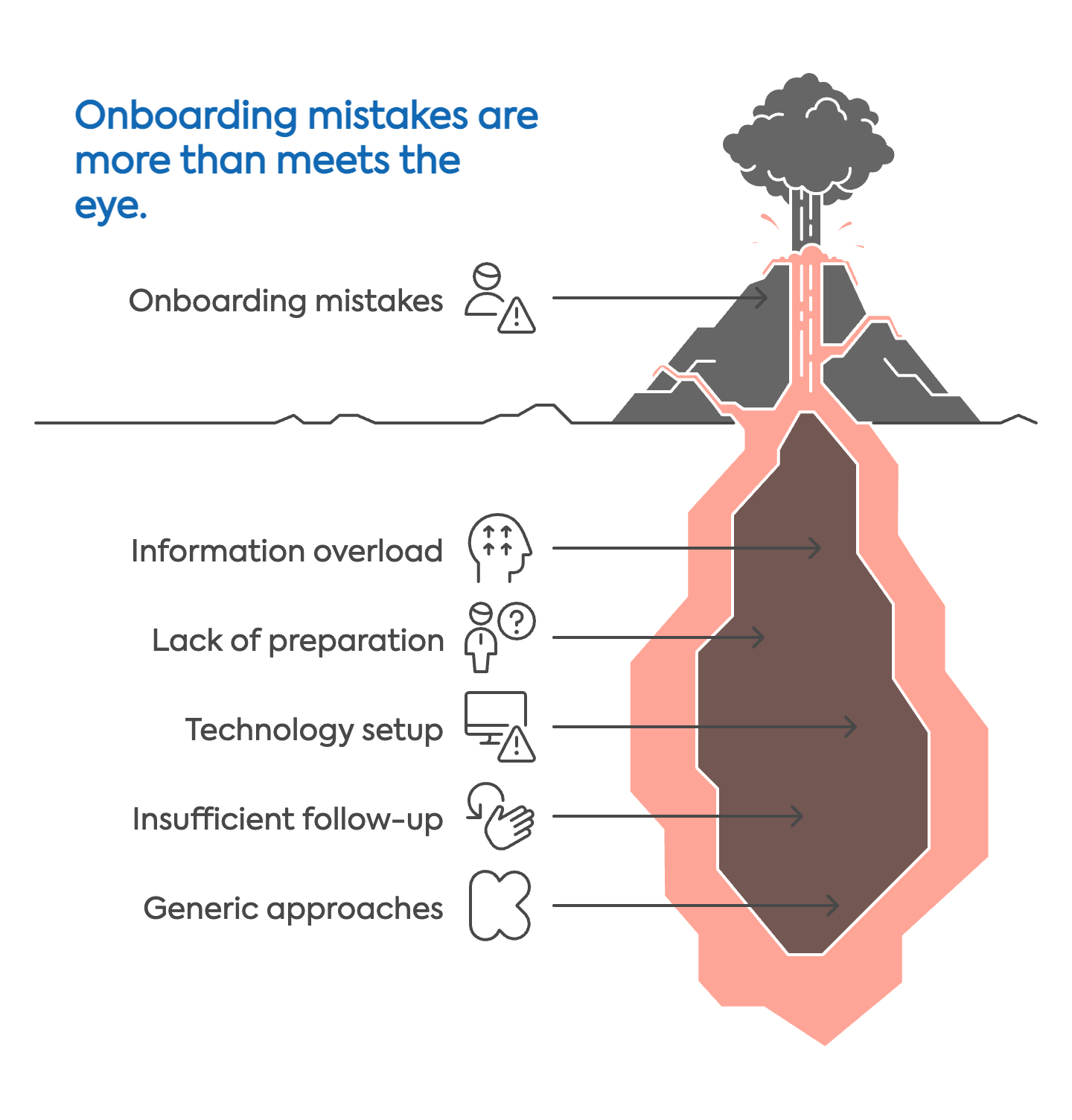
Information overload on day one is the most frequent mistake; spread content across the first weeks instead. Unprepared managers create confusion, so give them checklists and clear timelines for their part. Missing technology setup wastes critical first days and signals disorganisation. Support that disappears after week one leads to disengagement, and generic one-size-fits-all programs ignore the different backgrounds and learning styles people arrive with.
Great onboarding requires planning, consistent execution and refinement based on feedback. Start with the essentials (the four phases and the 5 Cs), measure what matters, and improve with every hire. New employees are deciding about their future with you from the moment they accept the offer. Give them every reason to stay.
Compono Develop automates compliance, builds role-specific training paths and tracks every new hire from offer to full productivity.
Talk to usEffective onboarding runs from offer acceptance through the first year, not the first week. The most intensive support happens in the first 90 days, but formal reviews at 90 and 180 days plus ongoing mentorship carry integration through to twelve months.
Compliance, clarification, confidence, connection and culture. Together they cover the legal requirements, role expectations, skill building, relationships and cultural understanding a new employee needs to succeed long term.
Around 20% of new employees leave within their first 45 days, and the most common reasons are feeling underappreciated or unsupported during onboarding. Structured programs address this directly, improving retention by up to 82%.
Orientation is a short, structured introduction to policies, people and the workplace, usually in the first week. Onboarding is the broader process spanning preboarding, orientation, training and integration across the first year.

The onboarding features that actually cut early turnover, a four-step shortlist method, and what to ignore when you compare onboarding systems.
An onboarding portal gives new starters one place for forms, policies, training and introductions. What a good one includes and why people ignore bad...

How to choose a workplace induction platform that automates onboarding, builds belonging and lifts retention from day one. A practical guide from...