

.webp)

 Mathan Allington


Culture fit matching software: how to build high-performing teams
 Mathan Allington
How culture fit matching tools score candidates on values and work style, what that predicts about retention, and how to use them without hiring...
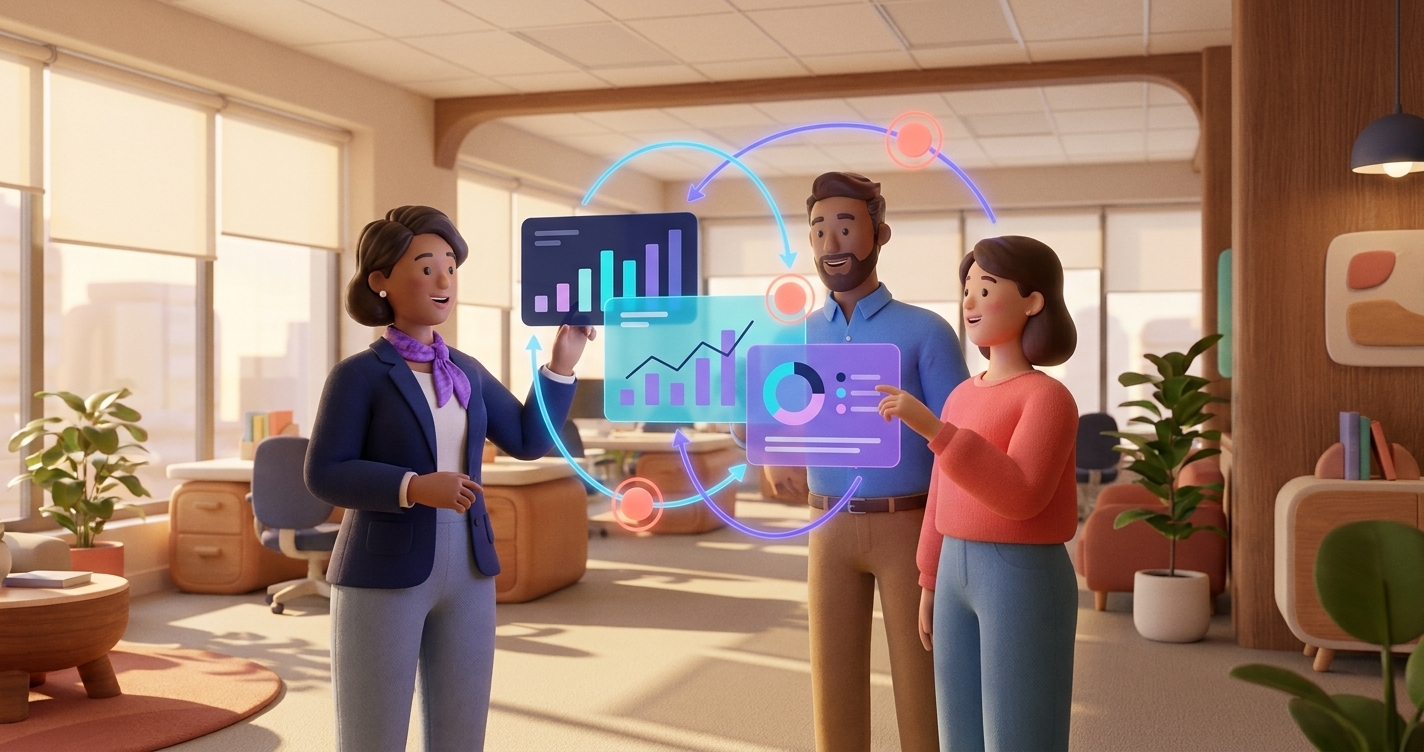
A culture assessment tool is a strategic platform that measures the shared values, behaviours, and underlying sentiment of your workforce to provide actionable insights into organisational health.
Key takeaways
- A modern culture assessment tool moves beyond annual surveys to provide continuous, real-time insights into team dynamics.
- Measuring culture accurately allows leaders to identify disengagement risks before they impact the bottom line.
- High-performing teams rely on data-driven cultural insights to align their daily behaviours with broader organisational goals.
- Integrating behavioural science into your assessment process ensures you measure actual work preferences, not just surface-level sentiment.
- Organisations that treat culture as a measurable business asset consistently outperform their competitors in both retention and profitability.
For decades, business leaders have relied on intuition to gauge the mood and health of their workplace. Managers would walk the floor, have casual chats in the breakroom, and assume they had a firm grasp on the company culture.
Today's workplace is far too complex for this informal approach. With distributed teams, hybrid working models, and rapidly shifting employee expectations, relying on "gut feel" is a recipe for high turnover and low productivity.
When leaders fail to accurately assess their environment, minor frustrations quietly snowball into systemic cultural issues. This is why a dedicated culture assessment tool has shifted from a "nice-to-have" HR initiative to a critical business necessity.

At its core, a culture assessment tool is a diagnostic instrument designed to evaluate the invisible forces that drive how work gets done in your organisation. It moves beyond basic job satisfaction to examine the deeper psychological and behavioural patterns of your teams.
Unlike a traditional annual survey that simply asks staff if they are happy, a sophisticated tool analyses alignment. It measures whether the lived experience of your employees matches the aspirational values painted on your boardroom wall.
These platforms typically use a mix of quantitative data, like pulse survey scores, and qualitative feedback to build a comprehensive picture. By use these insights, HR leaders can pinpoint exactly where the culture is thriving and where toxic behaviours might be taking root.
It is common to conflate culture with engagement, but they are distinct concepts that require different measurement approaches. Culture is the environment you create; engagement is how employees respond to that environment.
Your culture encompasses the rules, norms, and shared beliefs that dictate everyday behaviour. Engagement, on the other hand, measures the emotional commitment an employee has to the organisation and its goals.
A solid culture assessment tool evaluates the foundation itself. It helps you understand if your environment is designed to build high performance, rather than just asking if people are currently working hard.
Investing in a culture assessment tool is not just an exercise in improving morale, it is a strategic move with a direct impact on your financial performance. The link between a healthy culture and business success is well documented in modern research.
When employees feel aligned with their company's culture, they are significantly more likely to stay, perform at their peak, and advocate for the brand. Research shows that team employee engagement explains 70% of the variance in team performance, with management quality acting as the primary differentiator in culture outcomes.
The financial upside of getting this right is substantial. top-quartile business units with highly engaging cultures achieve 23% higher profit than bottom-quartile units, driven largely by lower turnover and higher productivity.
A strong culture also acts as a buffer during periods of organisational stress or economic uncertainty. When the foundational values of a company are clearly understood and measured, teams can navigate change with far less friction.
This resilience is crucial for modern businesses facing constant market disruption. If you want to understand this dynamic deeply, it is worth exploring the link between culture, engagement, and team performance.
By using a culture assessment tool to continuously monitor these metrics, leaders can course-correct before minor misalignments become major operational roadblocks.
Not all assessment platforms are created equal. As we work through the complexities of the 2026 workplace, legacy survey tools are rapidly being replaced by dynamic, continuous listening platforms.
To truly understand your workforce, you need a tool that goes beyond static questionnaires. The best platforms integrate behavioural science and real-time analytics to provide a multi-dimensional view of your organisation.
When evaluating a culture assessment tool for your business, there are several non-negotiable features you should look for to ensure you get actionable, accurate data.
The annual engagement survey is dead. In its place, continuous listening models allow organisations to gather feedback in real-time, providing a much more accurate reflection of the current cultural climate.
This approach uses short, frequent pulse surveys to track sentiment over time. It allows leaders to see how specific events, like a leadership change or a new product launch, instantly impact the mood of the workforce.
This is where a platform like Compono excels. The Compono Engage module allows leaders to pulse-check sentiment and gather continuous feedback without overwhelming staff, ensuring data is always fresh and relevant.
A leading culture assessment tool doesn't just ask people how they feel; it seeks to understand how they naturally prefer to work. Incorporating psychometrics and behavioural science adds a layer of objective truth to your cultural data.
By understanding the work personalities within your teams, you can assess whether your culture supports their natural strengths or forces them to work against their grain.
This scientific approach helps strip away the bias inherent in self-reported surveys. It allows you to measure company culture based on actual behavioural alignment rather than fleeting emotional states.
Artificial intelligence is rapidly changing how HR teams process and interpret cultural data. Modern tools use AI to analyse open-text feedback, identifying themes and sentiments that human analysts might miss.
The adoption of these technologies is accelerating rapidly. In fact, 54% of workers across all industries have used AI in the last 12 months, highlighting the growing integration of technology in workplace culture assessments and daily workflows.
Predictive analytics take this a step further by flagging flight risks or identifying teams that are trending toward burnout. This turns your culture assessment tool from a reactive reporting system into a proactive strategic asset.
Selecting the right software is only the first step in your journey. The true value of a culture assessment tool is opened up through thoughtful implementation and a commitment to action.
Many organisations fail to see a return on their investment because they treat the assessment as a tick-box exercise. To drive real change, the rollout must be handled as a strategic change management initiative.
Here are the critical phases you must master to ensure your culture assessment program delivers measurable business value.
Before launching any assessment, the executive team must be completely aligned on why the data is being collected and what they intend to do with it. If leaders view the tool as just an "HR project", the initiative is doomed to fail.
Leaders must be prepared to hear uncomfortable truths about their management styles and the environment they have created. They must commit to transparency, agreeing to share the high-level results with the broader company.
Without this top-down commitment, employees will quickly sense that their feedback is going into a black hole, leading to cynicism and plummeting participation rates in future assessments.
Survey fatigue is the enemy of accurate cultural data. When employees are bombarded with endless, repetitive questionnaires, they begin to click through blindly just to clear their inbox.
To combat this, your culture assessment tool should be configured to ask targeted, relevant questions. Keep pulse surveys short, ideally taking no more than two minutes to complete.
More importantly, the best cure for survey fatigue is action. When employees see that their previous feedback led to tangible improvements in their daily work life, they are far more likely to engage deeply with the next assessment.
Data without action is merely trivia. The ultimate goal of a culture assessment tool is to provide leaders with the insights they need to make meaningful interventions in the workplace.
Once the data is analysed, HR teams should work with line managers to develop targeted action plans. These plans should focus on one or two key areas for improvement rather than trying to fix everything at once.
Regularly communicate progress back to the team. Saying "you spoke, we listened, and here is what we are doing" builds immense trust and reinforces a culture of continuous improvement.
As we look toward the future, the environment of workplace culture is becoming increasingly digitised. The tools we use to measure and shape our environments must evolve to keep pace with these changes.
We are moving toward an era of "ambient listening," where culture assessment tools will gather anonymised data from collaboration platforms like Slack and Microsoft Teams to gauge sentiment without relying solely on direct surveys.
However, this technological leap brings new challenges regarding privacy and governance. Currently, only one in five companies has a mature governance model for autonomous AI agents, indicating a critical gap in structured culture oversight for emerging technologies.
Organisations that successfully navigate this balance, use advanced AI while maintaining strict ethical boundaries and employee trust, will dominate the talent market in the years to come.
Key insights
- Organisations that treat culture as a measurable asset consistently outperform their competitors in both retention and profitability.
- The most effective culture assessment tools use continuous listening rather than relying on outdated, once-a-year surveys.
- Leadership accountability is the bridge between collecting cultural data and driving meaningful behavioural change in the workplace.
- As artificial intelligence reshapes how we work, culture tools must adapt to measure the impact of these technologies on team dynamics.
If you are ready to stop guessing about your team dynamics and start making data-driven decisions, it is time to upgrade your approach to workplace culture.
Related reading
A culture assessment tool is a software platform used by HR and business leaders to measure the shared values, behaviours, and overall sentiment of an organisation. It helps identify gaps between the desired company culture and the actual lived experience of employees.
Modern best practice suggests moving away from annual surveys and adopting a continuous listening approach. This typically involves short, targeted pulse surveys sent out monthly or quarterly to track cultural shifts in real-time.
Culture refers to the environment, values, and norms that dictate how things are done in a company. Engagement is the emotional response and level of commitment an employee has toward their work as a result of that culture.
Yes. By identifying toxic behaviours, burnout risks, or misalignments in values early, leaders can intervene before employees decide to leave. Data-driven cultural improvements directly correlate with higher staff retention rates.
Honesty requires psychological safety. You must guarantee anonymity, use a reputable third-party culture assessment tool, and most importantly, prove to employees that their feedback will not result in retaliation but will actually drive positive change.
How culture fit matching tools score candidates on values and work style, what that predicts about retention, and how to use them without hiring...

What a culture alignment assessment measures, the signs your organisation needs one, and what you do with the results once they land.

What validated actually means for an assessment tool (reliability, validity, norms), how to check a vendor's evidence, and the red flags to watch.
 Compono