

.webp)

 Compono


1 min read
How to achieve a lasting time to hire reduction
 Mathan Allington
To reduce time to hire, find the specific bottlenecks in your process, move quality checks like fit and personality assessment to the start of the...
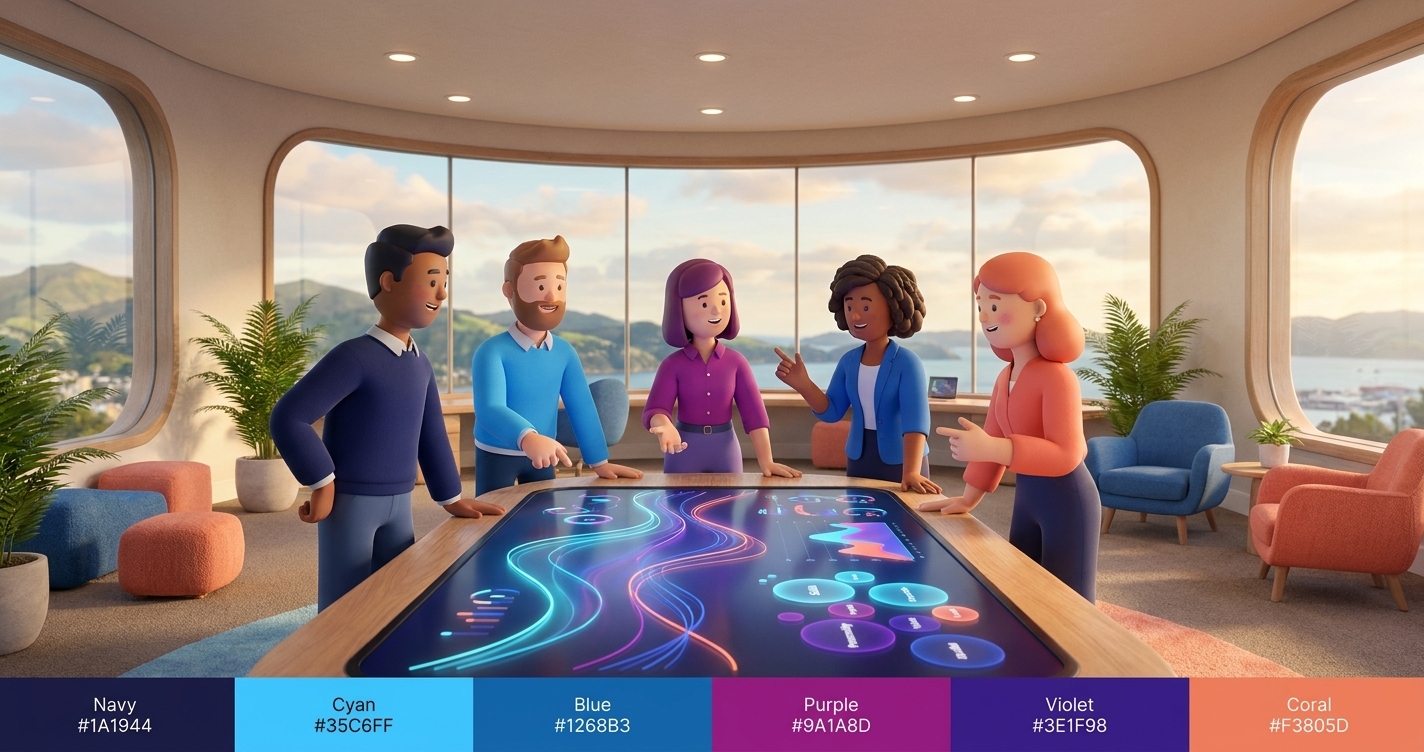
A hiring platform for New Zealand businesses is a centralised software system that moves recruitment beyond basic applicant tracking by combining job posting, behavioural assessment, and candidate communication into one workflow.
In a competitive talent market, relying on a basic digital filing cabinet to manage applications is no longer enough to secure high-performing team members.
Key takeaways
- Modern recruitment requires tools that assess candidate fit rather than just storing resumes.
- Evaluating work personality alongside technical skills improves long-term retention.
- Automated scoring helps teams manage high application volumes fairly and efficiently.
- Proactive talent pooling reduces time-to-hire for future vacancies.
Many organisations still rely on legacy applicant tracking systems that function as little more than digital filing cabinets. These systems were built to store resumes and track compliance. They were never designed to help you make intelligent hiring decisions.
When you rely on outdated tools, your recruitment process becomes reactive. Hiring managers spend hours manually sifting through applications, looking for keywords that might indicate competence. This manual screening process is slow and highly susceptible to unconscious bias.
We often see companies struggle with retention simply because their initial screening process failed to evaluate the whole person. When you read our research on why new hires fail, you quickly see that early turnover is rarely a people problem. It is almost always a tools and process problem.
A modern hiring platform for New Zealand businesses addresses this gap. It shifts the focus from merely tracking applications to actively assessing candidate potential. This change in approach gives HR leaders the data they need to make confident, objective decisions.

Resumes are notoriously poor predictors of on-the-job success. They tell you what a candidate has done in the past, but they offer very little insight into how that person will behave in your specific work environment.
A candidate might look perfect on paper, with all the right qualifications and experience. Put them into a highly collaborative team when they prefer working in isolation, and their performance will likely suffer. You need a way to look past the self-reported achievements on a CV.
This is where understanding a candidate's work personality becomes valuable. By evaluating natural behavioural preferences early in the process, you can identify people who will naturally thrive in the role you are filling.
The Compono Hire module handles this by evaluating candidates across organisation fit, skills, and qualifications. This gives you a complete picture of the applicant before you even schedule an interview, saving your hiring managers hours of wasted time.
Posting a job ad often results in hundreds of applications. Reviewing each one manually is exhausting work that naturally leads to fatigue. When fatigue sets in, reviewers start taking mental shortcuts, which introduces bias into the shortlisting process.
You might accidentally screen out a great candidate simply because their resume formatting was hard to read. You might advance an average candidate because they went to a familiar university. These small, unintentional biases degrade the quality of your talent pool over time.
A smart hiring platform uses objective scoring keys to evaluate every applicant against the exact same criteria. When you manage high application volumes using automated scoring, every candidate gets a fair assessment based on their actual capability and fit.
This approach speeds up the initial screening phase dramatically. Instead of reading 200 resumes, your hiring managers can focus their energy on interviewing the top 10 candidates who have already demonstrated strong alignment with the role.
The recruitment process is often the first real interaction a person has with your company culture. If your application process is clunky, slow, or confusing, top talent will simply abandon it and apply elsewhere.
Candidates expect clear communication and reasonable response times. When applications disappear into a black hole with no acknowledgment, it damages your employer brand. People talk about bad interview experiences, and that reputation can make future hiring much harder.
A modern hiring platform automates routine communication. It sends confirmation emails, updates candidates on their status, and provides polite rejections to those who are unsuccessful. This level of professional courtesy keeps candidates engaged and protects your brand reputation.
The assessment phase should also add value for the applicant. When candidates complete a work personality profile, sharing those insights with them creates a positive experience. They learn something about their own working style, even if they do not get the job.
Not every great candidate is right for the role you are currently trying to fill. You will frequently interview excellent people who narrowly miss out to someone with slightly more relevant experience. Losing touch with these "silver medalists" is a massive waste of recruitment effort.
A strategic hiring platform allows you to tag and categorise these strong candidates. You can build dedicated talent pools based on skills, location, or work personality types. When a new role opens up next quarter, you already have a warm list of vetted people to contact.
Proactive talent pooling reduces your time-to-hire significantly. It cuts down on advertising costs and takes the pressure off your recruitment team. Instead of starting from scratch every time someone resigns, you can tap into an existing network of interested professionals.
This approach shifts your HR function from reactive order-taking to strategic talent architecture. You begin building the workforce you need for next year, rather than just scrambling to fill the gaps you have today.
Culture is not what you write on the office wall. Culture is defined by the people you hire, promote, and tolerate. If you want to protect and grow your company culture, you have to be intentional about who you let through the front door.
When hiring managers conduct unstructured interviews, they tend to hire people who are similar to themselves. This "likeability bias" creates homogenous teams that lack diversity of thought. A good hiring platform introduces structure and objective data to the interview process.
By defining the specific behavioural traits required for success in a role, you give interviewers a clear framework to follow. They can ask targeted questions based on the candidate's assessment results, probing into specific areas of alignment or potential friction.
This data-driven approach leads to better hiring decisions. It helps you build teams that are diverse in their thinking but aligned in their core values. That alignment is the foundation of high performance.
Key insights
- A dedicated hiring platform transforms recruitment from a reactive administrative chore into a strategic business advantage.
- Integrating behavioural science into the screening process helps predict on-the-job success far better than resumes alone.
- Objective scoring criteria reduce unconscious bias and speed up the shortlisting phase for hiring managers.
- Maintaining communication and providing assessment feedback creates a candidate experience that protects your employer brand.
Ready to upgrade your recruitment process and find candidates who truly fit your team culture?
An Applicant Tracking System (ATS) is primarily designed to store resumes and track where candidates are in the hiring pipeline. A hiring platform goes further by integrating candidate assessment, behavioural profiling, and objective scoring to help you make better hiring decisions.
You assess culture fit objectively by defining the specific behaviours and values required for the role, and then using validated psychometric or work personality assessments to measure candidates against those criteria. This removes the subjective "gut feeling" from the interview process.
Yes. A hiring platform uses automated scoring keys to evaluate incoming applications against your specific requirements. This quickly surfaces the most suitable candidates, saving your team from reading hundreds of unqualified resumes manually.
Work personality reveals how a person naturally prefers to operate, communicate, and solve problems. Understanding this helps you determine if a candidate will thrive in your specific work environment and team structure, which directly impacts long-term retention.
Most candidates are happy to complete short, relevant assessments, especially if they receive value in return. Providing candidates with a summary of their work personality results creates a positive experience and shows that you take recruitment seriously.

1 min read
To reduce time to hire, find the specific bottlenecks in your process, move quality checks like fit and personality assessment to the start of the...

1 min read
Behavioural assessments like the Predictive Index measure four core drives, dominance, extraversion, patience, and formality, alongside cognitive...
1 min read
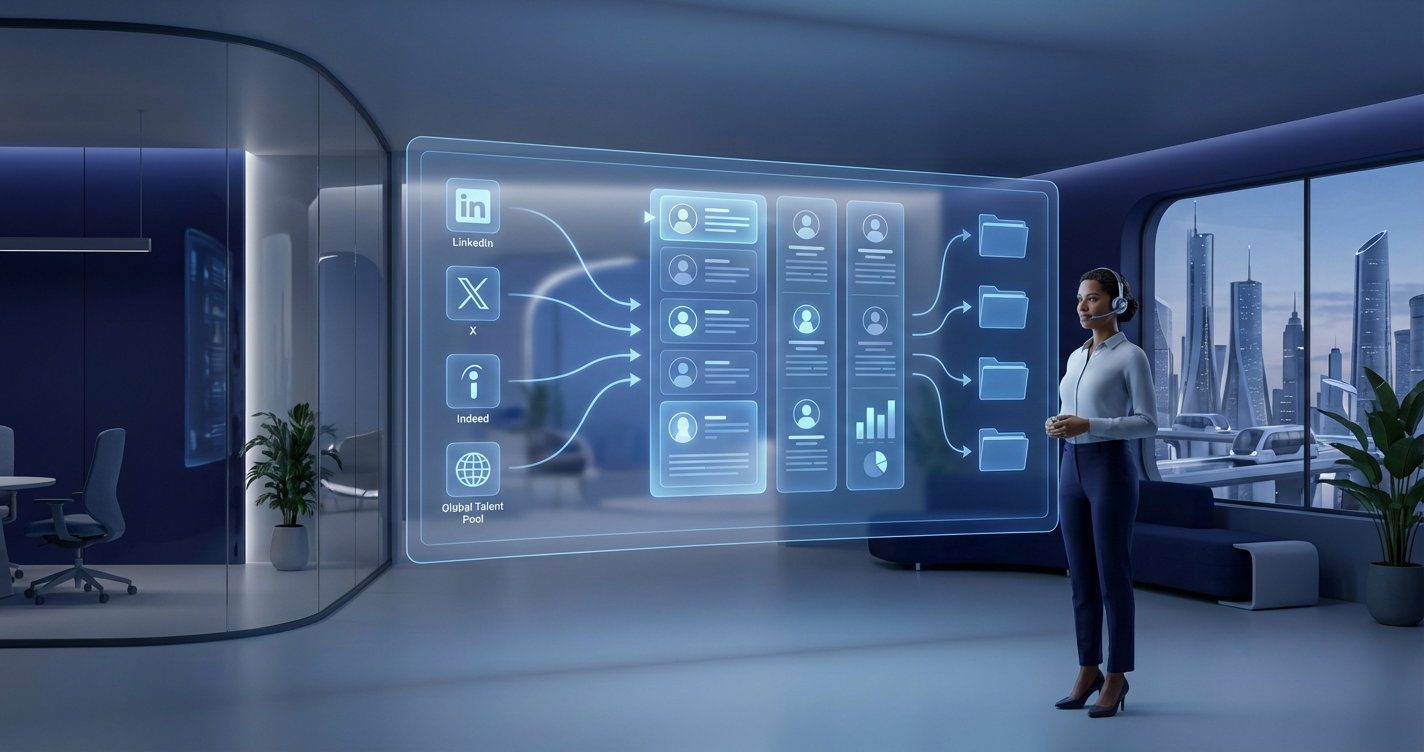
To manage high application volumes, centralise every sourcing channel into one view, move assessment to the front of the process, rank candidates...