

.webp)

 Mathan Allington


The Ultimate Guide to Choosing a Talent Intelligence Platform in 2026
 Mathan Allington
What a talent intelligence platform does, how to compare them on skills data and bias reduction, and the questions to ask before you buy.
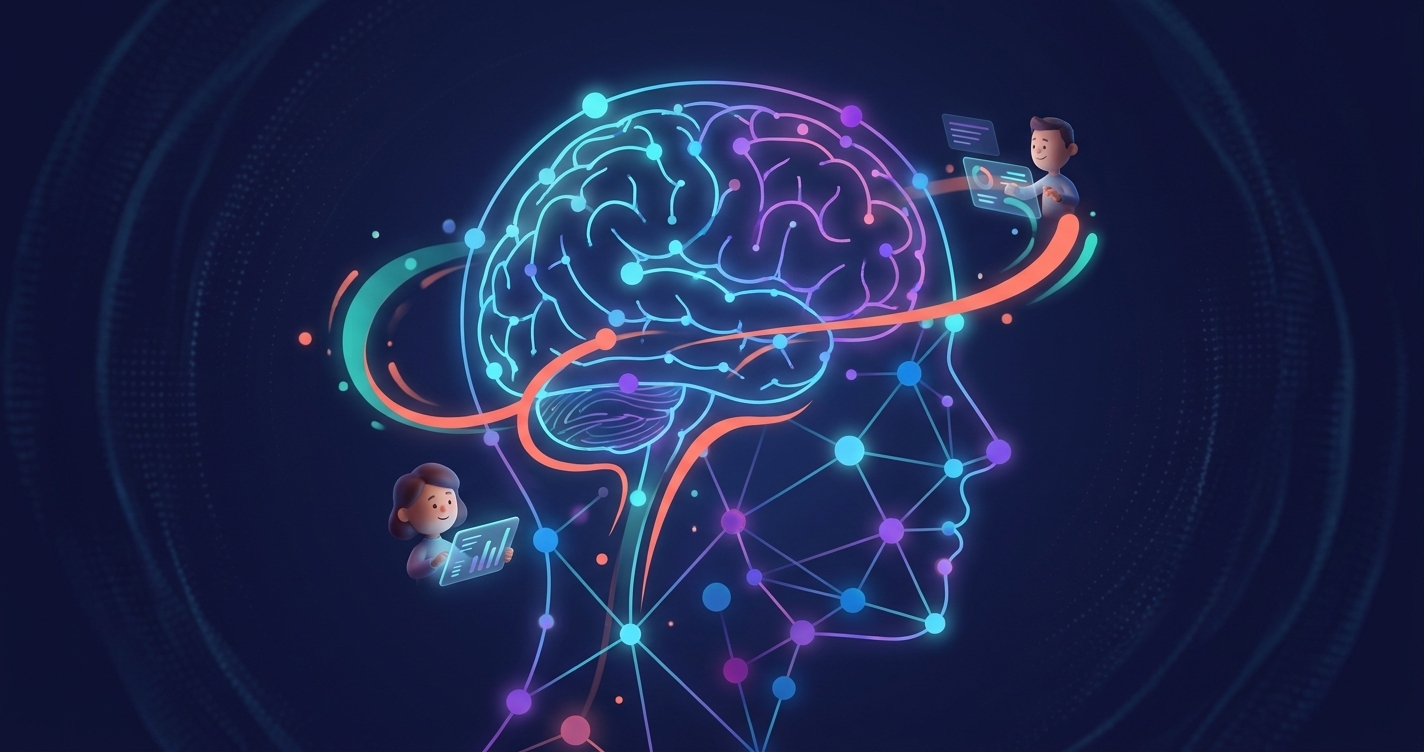
A workforce intelligence platform is an advanced software system that aggregates, analyses, and activates employee data, including skills, tasks, behaviours, and market signals, to help leaders make strategic, evidence-based decisions about their people.
Key takeaways
- A modern workforce intelligence platform goes beyond basic HR metrics to connect skills, tasks, and market data.
- AI-driven insights help leaders predict talent gaps and align their workforce with strategic business goals.
- Organisations are rapidly adopting these platforms to build resilience and work through the growing AI skills gap.
- Implementing the right platform transforms HR from a reactive administrative function into a proactive strategic partner.
Today's HR teams are drowning in data but starving for intelligence. You likely have spreadsheets tracking headcount, an applicant tracking system full of resumes, and an HRIS logging employee tenure. Yet, when the executive team asks if you have the right people to execute next year's strategy, those disconnected systems offer little help.
This is the fundamental problem with traditional HR reporting. It is inherently backward-looking. It tells you what happened last quarter, who left, who was hired, and how much was spent on training. It rarely tells you why it happened, and it almost never tells you what will happen next.
A workforce intelligence platform bridges this gap. It takes siloed data from across your organisation and applies advanced analytics and behavioural science to uncover patterns. Instead of just counting heads, it helps you understand the minds, motivations, and capabilities within your business.
The shift from basic reporting to true intelligence is no longer a luxury; it is a competitive necessity. As business environments become more volatile, the ability to rapidly assess and deploy talent is what separates thriving companies from struggling ones.
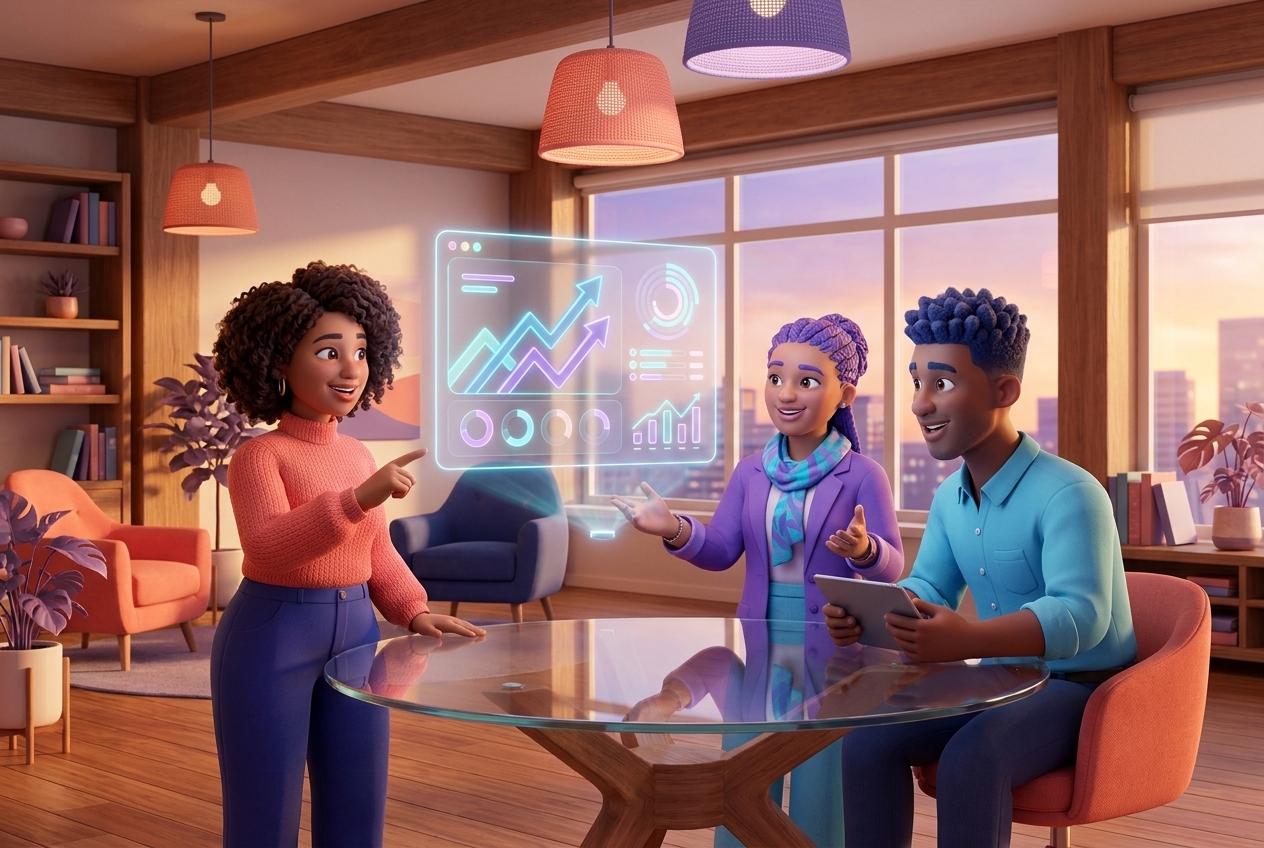
To truly understand your organisation's capabilities, a workforce intelligence platform must operate across three distinct layers. Most organisations have invested heavily in one or two of these areas, but the strategic advantage lives in connecting all three.
Skills are the currency of the modern workplace. However, tracking them manually through annual performance reviews is highly ineffective. A solid platform uses AI to infer skills from actual work output, project participation, and continuous feedback.
This is a major priority for modern HR leaders. In fact, recent industry research shows that 36% of respondents identified AI-driven skills inference from work and performance data as the single capability most likely to improve workforce decision-making. When you know exactly what your people can do, you can deploy them more effectively.
Skills tell you what your people can do, but tasks tell you what they are actually doing. Why are tasks the missing piece most organisations haven't named? Because understanding the granular work that drives your business allows you to redesign jobs for maximum efficiency.
When a workforce intelligence platform analyses tasks, it can identify bottlenecks, highlight areas ripe for automation, and reveal where high-value employees are wasting time on low-value administrative work. This task-level visibility is crucial for sustainable growth.
Internal data is only half the story. To make informed decisions, your platform must contextualise your internal workforce data against external market signals. This includes salary benchmarks, emerging skill trends, and competitor hiring patterns.
By blending internal capabilities with external realities, leaders can make proactive decisions about whether to build, buy, or borrow the talent they need for future projects.
Gathering data is only the first step. The true value of a workforce intelligence platform lies in its ability to drive critical business outcomes. This means moving beyond descriptive analytics (what happened) into predictive and prescriptive analytics (what will happen and what you should do about it).
For example, rather than just reporting on turnover rates, a sophisticated platform can identify the early warning signs of employee burnout. It can alert managers when a high-performing team is at risk of disengagement, allowing for timely interventions before top talent walks out the door.
This level of insight requires a deep understanding of human behaviour. At Compono, we believe that culture, engagement, and performance are inextricably linked. Our platform uses behavioural science to map the natural work preferences of individuals, helping leaders understand not just what their people do, but how they prefer to do it.
When you align an employee's natural work personality with their daily tasks, engagement soars. A workforce intelligence platform makes this alignment scalable across the entire enterprise.
Artificial intelligence is the engine that powers modern workforce intelligence. However, the goal of AI in HR is not to replace human judgment, but to augment it. AI is built to bring out the best in your people by removing bias, uncovering hidden potential, and automating administrative heavy lifting.
The appetite for this technology is growing rapidly. We are seeing a massive shift in how teams operate, with 52% of talent leaders planning to add autonomous AI agents to their teams in 2026. These agents can handle everything from initial candidate screening to personalised learning recommendations.
But AI with results that are anything but artificial requires a foundation of trust. Employees need to know that their data is being used to support their career growth, not just to monitor their productivity. Transparency in how AI algorithms make recommendations is non-negotiable for modern HR teams.
When evaluating a workforce intelligence platform, look for AI you can trust. The system should provide explainable insights, clear data governance, and a user experience that prioritises employee well-being alongside business performance.
The business environment of 2026 is defined by rapid technological change and shifting economic pressures. To survive, organisations must be agile. They must be able to pivot their strategies and realign their workforce almost instantly.
This is why leading advisory firms stress that organisations need to build workforce resilience through talent intelligence, using workforce data and insight to anticipate risk and respond to emerging challenges such as the AI skills gap. Without a clear view of your current capabilities, navigating these challenges is like flying blind.
The market reflects this urgent need. The workforce intelligence platform market was valued at USD 1.48 billion in 2025 and is projected to reach USD 3.86 billion by 2031. This explosive growth indicates that business leaders across all sectors, from mid-market enterprises to global corporations, recognise the critical importance of people data.
Whether you are a fast-growing startup or an established enterprise, investing in People Intelligence for Business is no longer optional. It is the foundational infrastructure required to build a resilient, future-ready organisation.
With the market expanding so rapidly, choosing the right workforce intelligence platform can feel overwhelming. The key is to look beyond flashy dashboards and focus on the underlying science and data architecture.
First, evaluate the platform's ability to integrate with your existing HR tech stack. A platform is only as intelligent as the data it consumes. It must smoothly pull data from your ATS, HRIS, and performance management tools to create a single source of truth.
Second, assess the platform's analytical depth. Does it just provide charts, or does it offer actionable recommendations? The best platforms use behavioural science to explain the "why" behind the data, helping managers understand team dynamics, work personalities, and cultural fit.
Finally, consider the user experience. A workforce intelligence platform should not be a tool exclusively for data scientists or HR analysts. It should provide intuitive, easy-to-understand insights that equip frontline managers to lead their teams more effectively every single day.
Key insights
- Traditional HR reporting is backward-looking; workforce intelligence uses predictive analytics to anticipate future talent needs.
- Connecting skills, tasks, and market data is essential for a whole-of-business view of your organisation's capabilities.
- AI in HR is designed to augment human decision-making, removing bias and uncovering hidden employee potential.
- Organisational resilience relies on the ability to rapidly assess and deploy talent in response to market changes.
- The best platforms combine solid data integration with behavioural science to explain the "why" behind employee performance.
Ready to turn your scattered HR data into clear, actionable intelligence?
If you'd like to talk through how Compono can support your team, we're happy to walk you through it. No pressure, just a conversation.
Related reading
A workforce intelligence platform is a software solution that aggregates HR, performance, and operational data to provide actionable insights about an organisation's employees. It uses advanced analytics and AI to help leaders make strategic decisions regarding hiring, retention, skills development, and workforce planning.
While people analytics often focuses on historical HR metrics and reporting (like turnover rates or time-to-hire), workforce intelligence takes a broader, predictive approach. It combines internal people data with external market trends, task analysis, and behavioural science to forecast future needs and recommend strategic actions.
AI can process vast amounts of complex data much faster than human analysts. In workforce planning, AI helps infer employee skills from their daily work, predicts flight risks, identifies unbiased candidates for promotion, and models different organisational structures to improve team performance.
These platforms typically ingest data from multiple sources, including Human Resource Information Systems (HRIS), Applicant Tracking Systems (ATS), Learning Management Systems (LMS), performance reviews, employee engagement surveys, and even external market salary and skills databases.
While implementation timelines vary, many organisations begin seeing a return on investment within the first few months. Early wins usually come from improving recruitment spend, reducing unwanted turnover through predictive alerts, and identifying internal talent for open roles instead of paying premium external hiring costs.
What a talent intelligence platform does, how to compare them on skills data and bias reduction, and the questions to ask before you buy.
Where Culture Amp stops: engagement data with no hiring or development context, and what to ask in a demo if you need the fuller picture.
How learning pathways software ties employee development to business goals, and what to look for when you compare platforms.
 Compono