

.webp)

 Mathan Allington


HRIS system for NZ: the complete 2026 Buyer's guide
 Mathan Allington
An HRIS system for NZ? Learn how to navigate local compliance, connect payroll, and choose HR software that improves team performance.
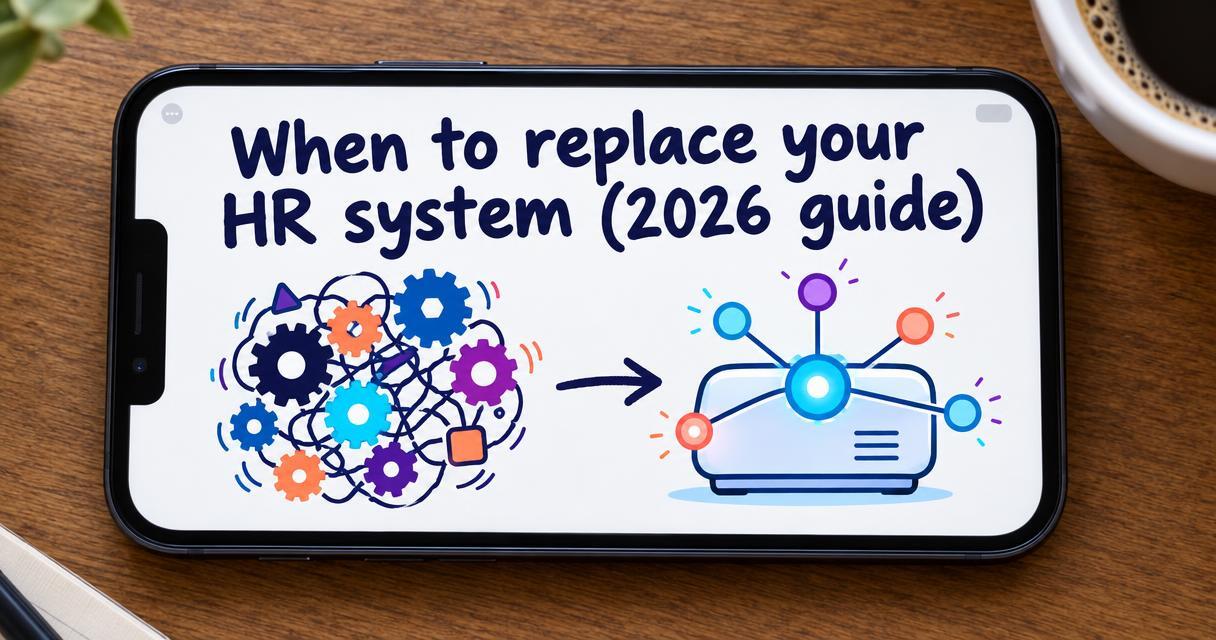
The right time to replace your HR system is when your leadership team spends more time managing HR processes than driving business strategy.
Last reviewed October 2026
A disconnected tech stack creates friction that slows down hiring and leaves executives guessing about workforce performance.
Key takeaways
- Informal processes and legacy HR tech stop scaling when headcounts grow, creating hidden costs in leadership time.
- A system needs replacing when you cannot connect people data across recruitment, onboarding, and performance management.
- Upgrading is for missing features, while replacing is for broken data architecture.
- Never replace a system during peak operational periods or without clear stakeholder alignment.
- Modern HR software must move beyond basic systems of record to become systems of intelligence.
Early-stage companies do not need comprehensive HR departments. They get by with basic tools, informal processes, and a lot of manual effort. This works fine when you have thirty employees. It breaks down completely when you approach one hundred.
The cost of chaos starts to appear as hiring slows and culture drifts. Managers spend hours tracking down basic employee information. HR teams become administrators instead of strategic partners. This administrative burden has a real financial impact on the business. When leaders spend more time on HR admin than on strategy, business growth stalls.
Informal processes stop scaling, and the cracks in your technology foundation become obvious. When systems cannot talk to each other, data becomes siloed. You end up making people decisions based on gut feeling rather than evidence. Strategic HR investment compounds quickly, but only when implemented at the right growth stage with the right architectural foundation.
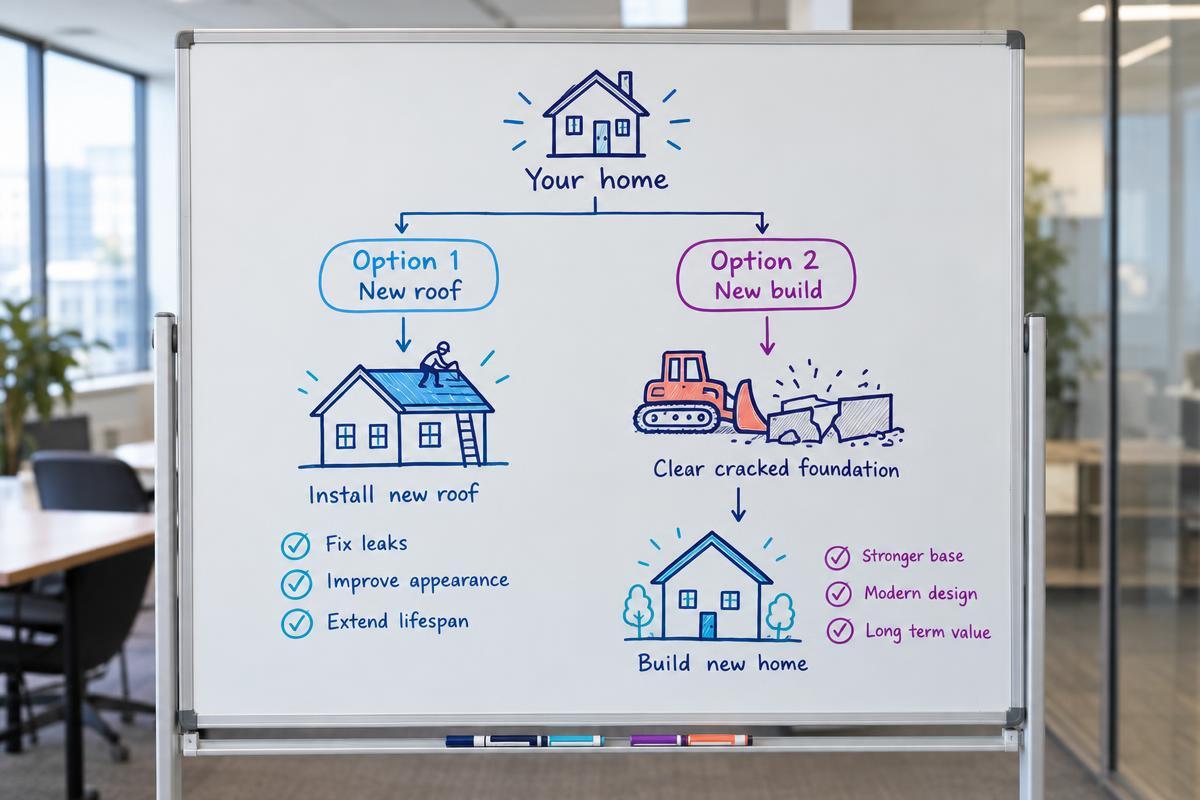
Knowing when to replace your HR system requires looking at how your team actually works. Several clear indicators suggest your current technology is holding you back.
If your HR team relies on manual spreadsheets to track performance, compensation, or capability gaps, your software is failing. A system of record should hold all core people data. When users export data to manipulate it externally, the system is no longer the single source of truth. This creates security risks and guarantees that your reporting is always out of date.
Your payroll, applicant tracking, and learning platforms must communicate. If staff spend hours downloading CSV files from one platform to upload into another, you have a major problem. The problems caused by disconnected HR software compound as headcount grows. Manual data entry inevitably leads to errors, compliance breaches, and frustrated administrators.
Technology only delivers value when people use it. If managers avoid logging into the performance module or employees bypass the leave system, the user experience is broken. Poor adoption usually points to clunky interfaces or workflows that do not match how work actually happens. You cannot force compliance on a system that makes people's jobs harder.
Executives need immediate answers about turnover, time-to-hire, and workforce capability. If generating a basic headcount report takes three days and input from multiple departments, your system lacks basic intelligence capabilities. Leaders cannot make agile business decisions when they are waiting on manual data consolidation.
A business with fifty employees has very different technology requirements than a business with five hundred. Growth changes the fundamental purpose of HR technology.
Startups focus on the bottom of Maslow's hierarchy for HR. They need systems of record for compliance, payroll, and basic administration. Mid-market companies need systems of design. They require tools that help them build teams, measure culture, and align employee performance with business goals. Transforming HR from administrative to strategic requires technology that surfaces insights rather than just storing files.
Scale introduces new management layers, multiple locations, and complex reporting lines. A basic HR platform often cannot handle matrix management or multi-region compliance. Your software must adapt to complex organisational structures without forcing you to change your business model to fit the software limitations.
Early HR tech was built entirely for the employer. It was about control and compliance. Modern growth requires a balance between employer needs and employee experience. Growing companies need platforms that help employees work through their own development and career progression. The technology must serve the people using it, not just the HR department auditing it.
Many companies hesitate to replace their HR system due to the perceived effort involved. They opt for upgrades or bolt-on solutions instead. Sometimes this is the right choice. Often, it just delays the inevitable.
| Scenario | Action | Rationale |
|---|---|---|
| Missing a specific feature like a new feedback tool | Upgrade | Adding a module to a stable core system is cost-effective and low risk. |
| Core data architecture prevents cross-platform reporting | Replace | Upgrading a broken foundation creates a more expensive broken foundation. |
| Choosing between dedicated hiring platforms and HRIS recruitment modules | Assess | Depends on whether the core HRIS meets your strategic talent needs. |
The sunk cost fallacy keeps many businesses tied to inadequate technology. You might have spent heavily on a system three years ago, but if it cannot support your current growth phase, that money is gone. Do not let past investments dictate future capability.
Upgrading works when the core data structure is sound. Replacing is necessary when the fundamental architecture limits your ability to understand your workforce. For example, choosing between dedicated hiring platforms and HRIS recruitment modules forces you to evaluate whether your current system can actually handle modern talent acquisition or if it just ticks a compliance box.
Even if you desperately need a new system, timing matters. A poorly timed implementation guarantees low adoption and high frustration.
Never roll out a new core HR platform during the end of the financial year, major performance review cycles, or peak hiring seasons. Your team needs bandwidth to learn the new system. Introducing massive change when people are already stretched thin guarantees resistance and increases the likelihood of critical errors.
The competitive advantage in modern HR technology lies in system integration. Do not purchase software without consulting your IT department. Collaborate with IT teams during the planning phases to prevent costly implementation delays. They need to assess security, data flows, and technical compatibility before you sign a contract.
Buying software to fix a culture problem never works. Technology amplifies your existing processes. If your processes are broken, new software will just execute those broken processes faster. Spend time building HR tech requirements to ensure you know exactly what problems you need the software to solve before you start evaluating vendors.
When you decide that replacement is the only path forward, you need to evaluate vendors based on future capability, not just current feature lists.
Features are easy to copy. Data architecture is hard to build. Look for systems that prioritise native integration. You want a single platform brain that captures the same type of data across the entire employee lifecycle. This connectivity is what turns basic HR metrics into actual business intelligence.
Traditional HR tech focuses on process and hygiene. You need a system of data and self-actualisation. The platform should help employees to take control of their learning, engagement, and career progression. Using a dedicated module like Compono Engage helps bridge this gap by giving employees a voice while providing leadership with actionable culture data.
Standard HR platforms measure technical skills and qualifications because they are easy to quantify. They ignore the behavioural traits that actually determine success. Seek out comprehensive HR software solutions that incorporate psychometric data and behavioural science into the core platform. This ensures you make decisions based on how people actually work, not just what is written on their resume.
We build workforce intelligence platforms designed to scale with your business. Our technology connects your people data natively, helping you move away from administrative chaos so you can start designing better teams.
Implementation timelines vary based on company size and system complexity. A mid-market rollout typically takes three to six months from vendor selection to full deployment. Rushing this process usually leads to poor data migration and low user adoption.
Include HR leaders, IT architecture specialists, finance representatives, and frontline managers. Multi-stakeholder alignment prevents costly implementation delays later. If you only involve HR, you risk buying a system that IT cannot integrate and managers refuse to use.
Data migration requires a thorough audit of your current records. Clean your data before moving it. Most modern vendors provide structured templates to map your legacy data into the new architecture. Never migrate outdated or duplicate records into a fresh system.
Historically, an HRIS focused on core employee records and payroll, while an HRMS included more complex talent management features. Today, the terms are largely interchangeable. The more important distinction is between traditional systems of record and modern systems of intelligence.
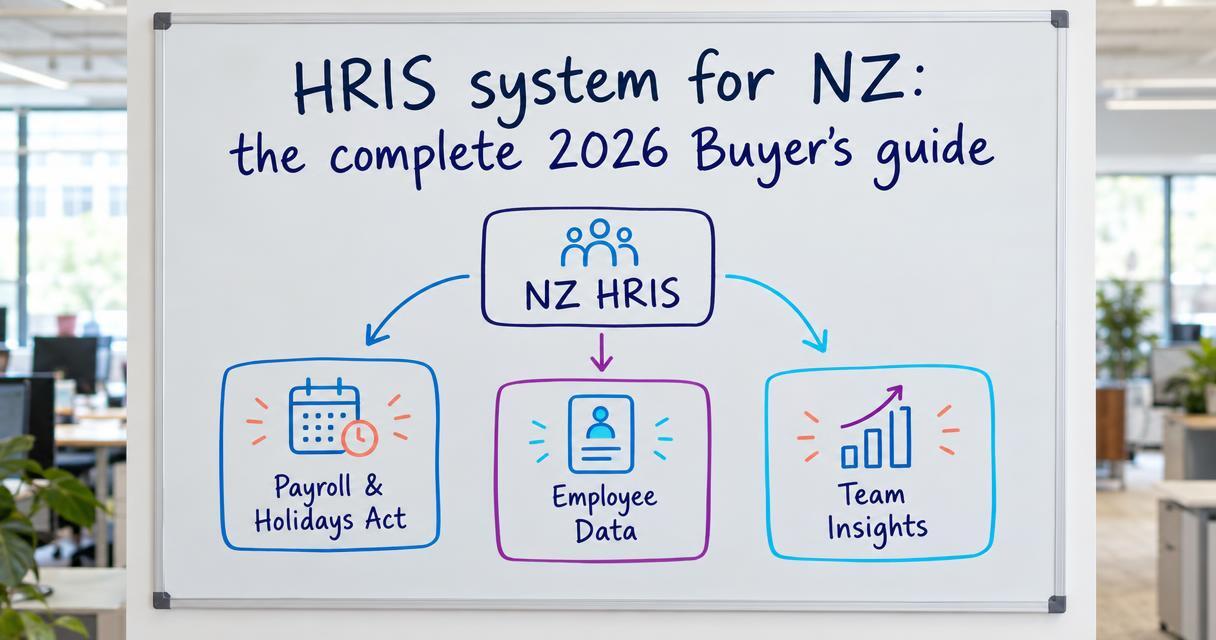
An HRIS system for NZ? Learn how to navigate local compliance, connect payroll, and choose HR software that improves team performance.
Looking for HR software that integrates with MYOB? Learn how to connect your payroll to modern HR platforms for better team management and data...
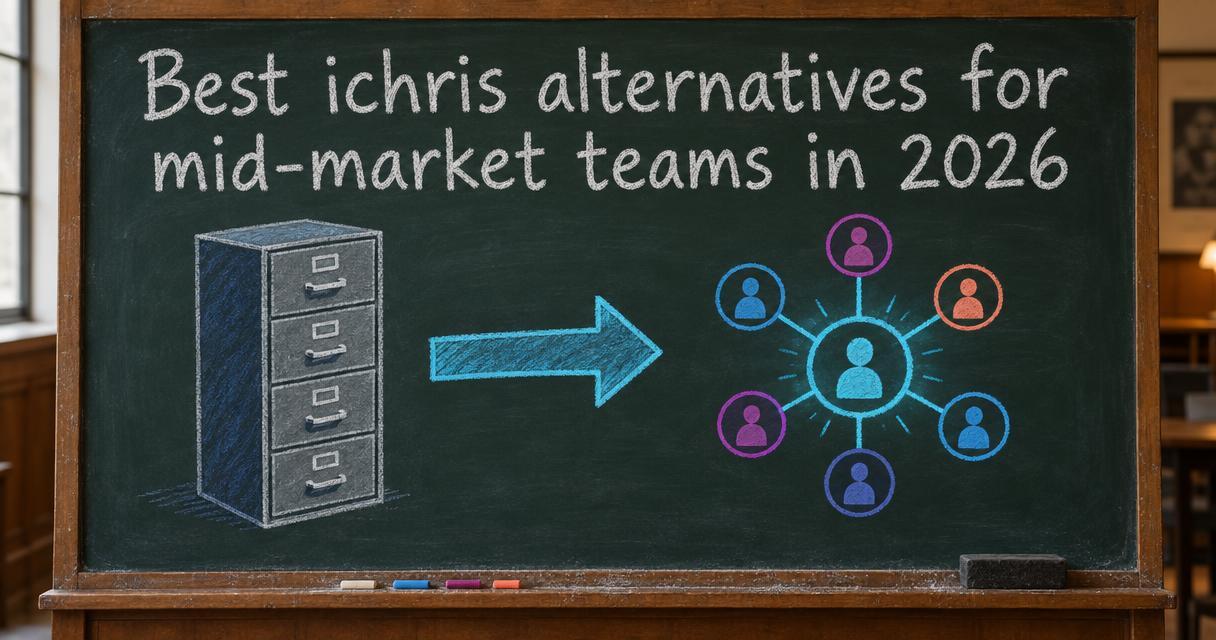
Ichris alternatives? Discover why modern HR teams are moving away from legacy databases toward intelligent workforce platforms.
 Compono