

.webp)

 Compono



1 min read
Best HR software for HR generalists
 Mathan Allington
Last reviewed July 2026
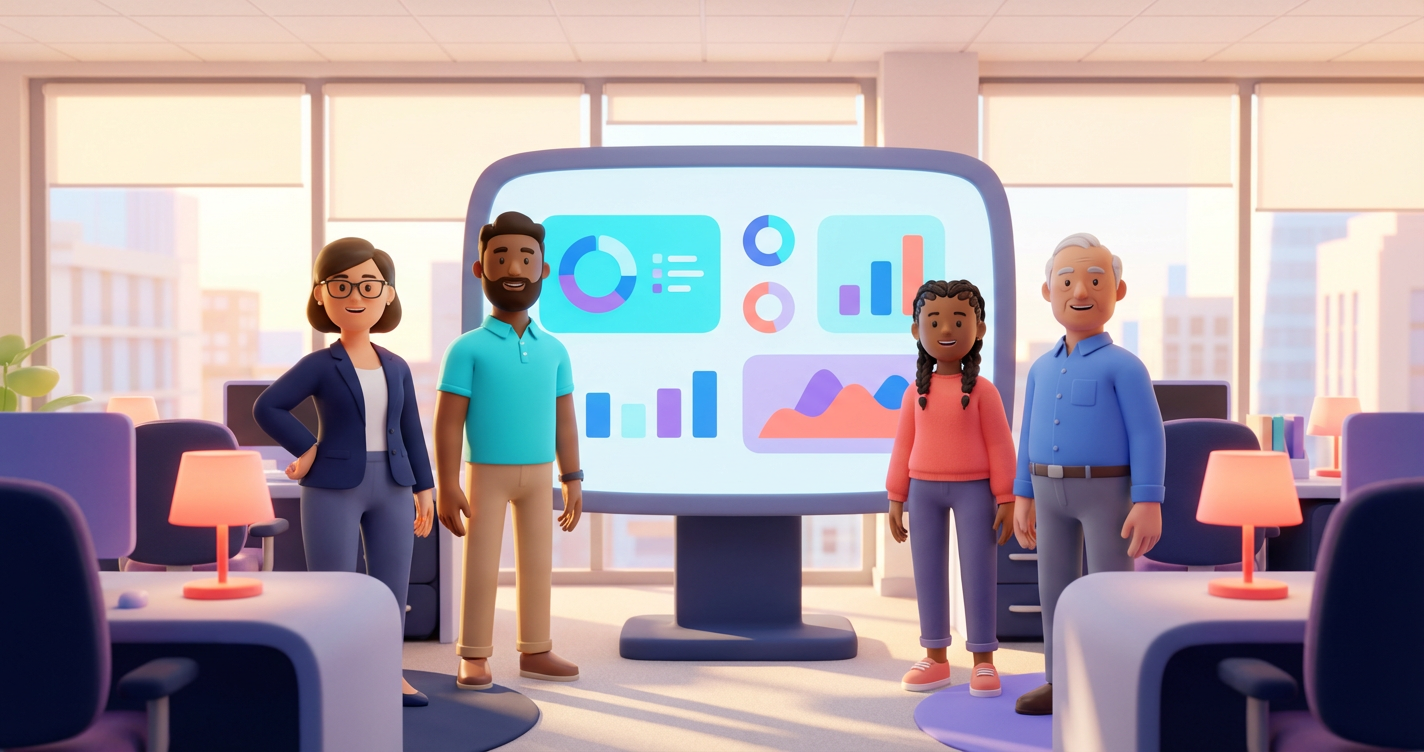
Successful HR software migration starts with a clear data audit and a phased implementation plan to ensure zero downtime for your people operations.
While moving your entire employee database and recruitment history feels like a monumental task, breaking the process into manageable stages – from auditing existing records to training your team – turns a complex technical hurdle into a strategic opportunity for growth.
Key takeaways
- Conduct a thorough data audit before moving any records to ensure you aren't migrating 'dirty' data or redundant files.
- Build a cross-functional transition team including IT, HR, and department heads to manage change resistance early.
- Prioritise user adoption by providing tailored training sessions based on how different roles will interact with the new platform.
- Run a pilot programme with a small subset of data to identify potential integration issues before the full-scale launch.
We often see organisations clinging to outdated HR systems because the thought of an HR software migration feels too overwhelming. It is the classic 'better the devil you know' scenario. However, the true cost of legacy software isn't just the monthly subscription fee. It is the lost productivity from manual data entry, the security risks of unpatched systems, and the frustration your team feels when they can't find basic information.
Modern workplaces require agility. If your current system feels like a digital filing cabinet rather than a dynamic tool, you are likely losing hours every week to administrative friction. A migration isn't just a technical move; it is a chance to rethink your entire people strategy and simplify how your team works together every day.

The secret to a stress-free transition is what happens before you even touch a line of code. We recommend starting with a 'data spring clean'. Over the years, HR databases tend to collect a lot of digital dust – duplicate candidate profiles, expired certifications, and inconsistent contact details. Migrating this mess into a new system only guarantees that your new tool will be just as cluttered as the old one.
Identify the core data sets that are essential for your operations. This usually includes active employee records, payroll history, and current recruitment pipelines. By being selective about what you move, you reduce the risk of errors and speed up the migration timeline significantly. This is also the perfect time to ensure your data handling practices align with modern privacy standards.
Migration shouldn't be a solo mission for the HR Manager. To make it stick, you need buy-in from across the organisation. We suggest forming a small but mighty transition team. This group should include someone from IT to handle technical requirements, an HR lead to oversee data integrity, and a few 'power users' from different departments who can act as internal advocates.
These advocates are crucial for managing the human side of change. People are naturally wary of new software, especially if they have spent years mastering the quirks of the old system. By involving them early, you can address their concerns and ensure the new platform actually solves their daily pain points. At Compono, we believe that culture and engagement are the bedrock of any successful change initiative.

Once your data is clean and your team is ready, the actual mapping begins. This is where you decide how information from 'Field A' in your old system fits into 'Field B' in the new one. It sounds simple, but small differences in formatting – like how dates are recorded or how job titles are categorised – can cause major headaches if not addressed early.
Always run a pilot migration. Take a small, representative slice of your data and move it into a sandbox environment. This allows you to check for broken links, missing fields, or permission errors without risking your entire database. Testing in a safe space gives your team the confidence that when the 'big switch' happens, everything will land exactly where it should.
A successful HR software migration is defined by how many people actually use the new system three months after launch. Too many companies stop at the technical go-live, leaving staff to figure out the new interface on their own. This leads to 'shadow HR' – where managers go back to using spreadsheets because they find the new tool too complex.
Tailor your training to specific roles. A hiring manager needs to know how to move candidates through a pipeline, while a general employee just needs to know how to update their details or complete an assessment. Using tools like Compono Develop can help you create structured learning pathways to ensure everyone feels confident in the new digital environment.
After the migration is complete, the work doesn't stop. You need to establish new 'rules of the road' to keep your data clean. This includes setting clear permissions for who can edit records and scheduling regular audits to catch inconsistencies. A modern platform should make this easy by providing clear visibility into your workforce intelligence.
When you have a single source of truth, you can start making better decisions. Instead of guessing why turnover is high in a certain department, you can look at the data. For example, Compono Engage allows you to see real-time insights into team dynamics, helping you move from reactive administration to proactive leadership. This is the ultimate goal of any migration – turning data into a strategic asset.
Key insights
- The primary goal of migration is to move from a system of record to a system of intelligence that supports strategic decision-making.
- Data cleansing is a non-negotiable first step; migrating poor-quality data will compromise the functionality of the new platform.
- Internal advocates are more effective at driving adoption than top-down mandates from leadership.
- Post-migration success depends on establishing clear data governance and ongoing training for new and existing staff.
Moving your HR operations to a more modern, intelligent platform is one of the best investments you can make for your team’s future. If you are feeling stuck in a legacy system that doesn't support your growth, we can help you navigate the path forward.
The timeline varies depending on the size of your organisation and the complexity of your data, but most mid-sized businesses should plan for a 3–6 month transition. This allows enough time for auditing, mapping, testing, and training without rushing the process.
If you follow a structured mapping and testing process, your essential historical data will remain intact. However, many organisations choose to archive very old records in a separate, secure storage area rather than migrating decades of data into the new live system.
Resistance is usually born from a lack of confidence. By involving employees in the selection process and providing hands-on training that focuses on how the tool makes their specific job easier, you can turn sceptics into supporters.
The most frequent error is underestimating the importance of data cleansing. Many teams try to 'fix the data later' once it's in the new system, but this usually leads to technical errors and a poor user experience that kills adoption early on.
While having IT support is helpful for security and integrations, modern platforms like Compono are designed to be managed by HR professionals. Most of the work involves data mapping and change management rather than complex coding.
1 min read
The best competency framework software in NSW provides a centralised platform to map skills, identify talent gaps, and align individual performance...

1 min read
Payroll and HR integration means your payroll system and your HR platform share one employee record. A change made once, whether it is a new hire, a...
 Compono