

.webp)

 Mathan Allington


How to choose the right talent management platform
 Mathan Allington
What a talent management platform should cover: hiring, engagement and development data in one place, plus work personality for role fit.
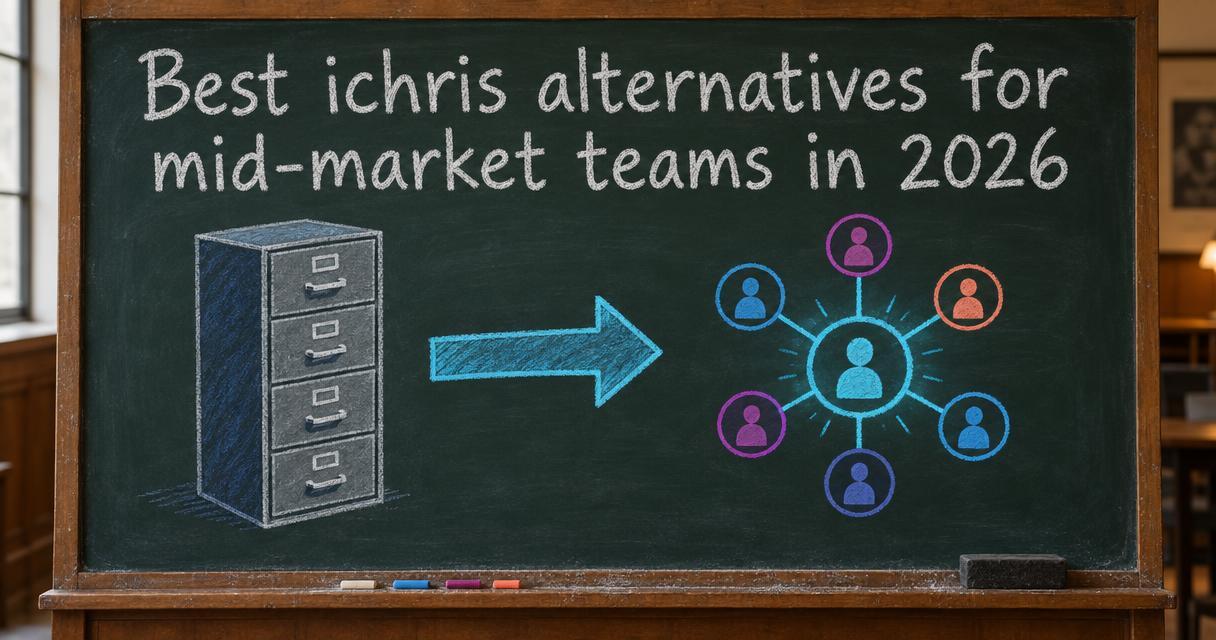
When you start searching for ichris alternatives, you are usually trying to solve a specific problem: your current human capital management system feels like a digital filing cabinet rather than a tool that actually helps you build better teams.
Last reviewed October 2026
Key takeaways
- Legacy platforms excel at payroll processing but often fail to provide actionable workforce intelligence for hiring and retention.
- Replacing an outdated system with another single monolith rarely fixes the underlying problems with candidate or employee experience.
- Modern HR teams are separating their payroll engines from their talent acquisition and engagement platforms to get the best results in both areas.
- Evaluating a new system requires looking past feature checklists to understand how the software actually improves manager decision making.
Legacy human resources technology was built for a different era. Twenty years ago, the primary goal of an HR system was compliance. Companies needed a secure place to store employee records, process payroll and track leave balances. Systems like ichris (Frontier Software) were designed exactly for this purpose. They operate as vast relational databases that keep organisations out of trouble with the tax office.
The problem is that compliance is no longer the only mandate for human resources. Today's people leaders are expected to predict performance, measure culture, identify skills gaps and hire for behavioural fit. You cannot extract those insights from a system built purely to process timesheets and payslips.
If you are frustrated by manual workarounds, clunky user interfaces and a lack of real analytics, you are not alone. Many mid-market businesses are outgrowing their legacy systems. The challenge is figuring out what to move to next. If you choose poorly, you risk spending months on a migration only to end up with a newer version of the exact same problems.
Most traditional HR platforms operate on a simple principle of data storage. You type information into a field, and the system saves it. When you need that information again, you run a report. This model works perfectly for static data like tax file numbers or home addresses.
It fails completely when dealing with human behaviour.
A modern workforce intelligence platform does not just store data. It interprets it. Instead of simply recording that an employee resigned, an intelligent system helps you understand the cultural drivers behind the turnover. Instead of just tracking how many applicants applied for a role, it evaluates which candidates actually have the right behavioural traits to succeed in your specific environment.
This is where the market has split. On one side, you have traditional Human Resource Information Systems (HRIS) that continue to focus on administrative efficiency. On the other side, you have platforms designed to drive team performance and engagement.
When you evaluate alternatives, you need to decide if you are looking for a better filing cabinet or a completely different approach to managing people.
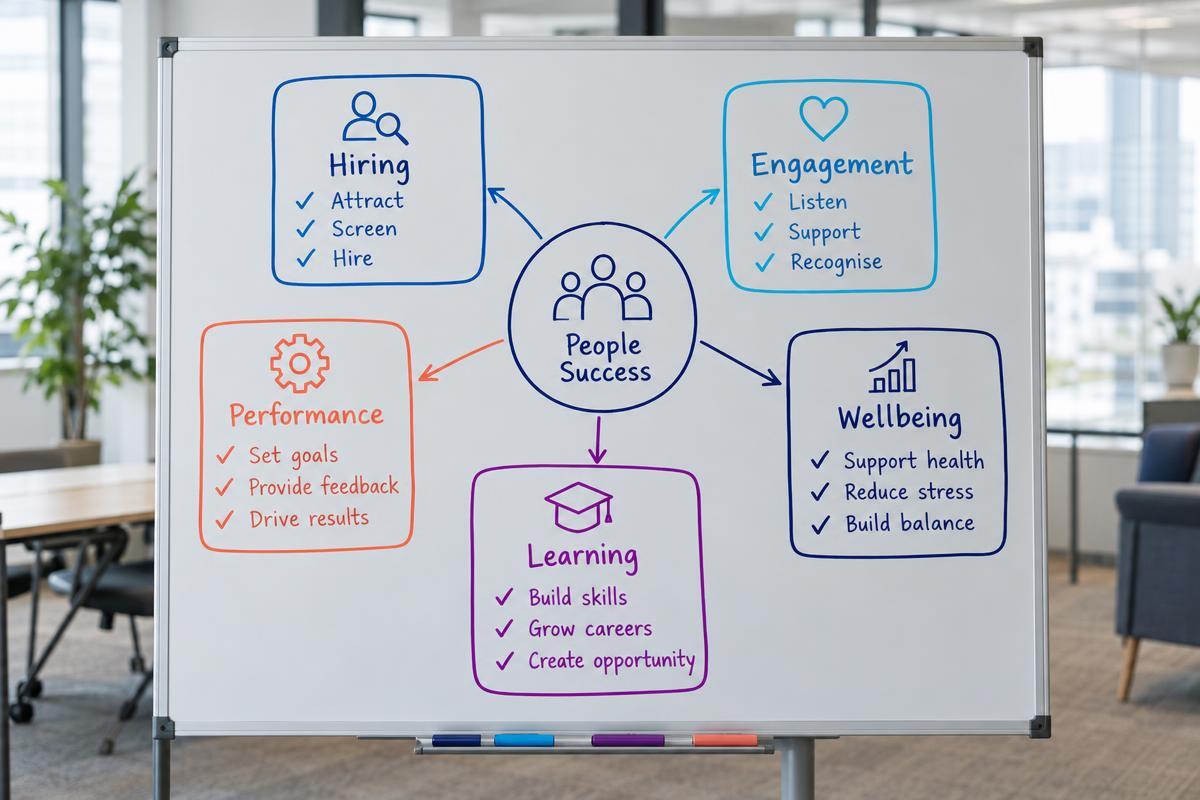
The HR technology market is crowded. Finding the right replacement depends heavily on what you actually need the software to do. Most alternatives fall into one of three distinct categories.
If your primary goal is to keep payroll, core HR and recruitment in a single system, you will likely look at the newer generation of single platforms. These systems offer a much better user experience than legacy software. They are cloud-native, feature mobile apps for employees and generally look like software built in the current decade.
When companies evaluate Employment Hero alternatives or similar platforms, they are usually looking for this kind of unified experience. The benefit is simplicity. You have one vendor, one contract and one source of truth for basic employee data.
The downside is depth. Single platforms are typically wide but shallow. Their payroll engine might be excellent, but their recruitment module is often a basic tracking board that treats candidates like digital resumes rather than complex people. They manage the process, but they do not improve the quality of your hiring decisions.
Larger organisations often look toward massive enterprise systems. These platforms can do absolutely everything, provided you have the budget and the patience to configure them. They offer extensive customisation and can handle complex multinational payroll requirements.
For mid-market businesses, these systems are usually a mistake. They require dedicated administrators to run them. The implementation process can take over a year. More importantly, their complexity often leads to terrible adoption rates among frontline managers. If your managers refuse to use the system because it takes fifteen clicks to approve a leave request, the advanced analytics features become useless.
The most effective approach for modern teams is often separating the administrative core from the talent engine. You keep a dedicated, highly compliant system for payroll and core HR, and you integrate it with specialised platforms for hiring, engagement and development.
This approach allows you to use tools that actually understand human behaviour. For example, Compono Hire is an applicant tracking system that uses behavioural science to assess candidates across organisation fit, job fit and personality fit. It does not try to process your payroll. It focuses entirely on helping you make smarter, fairer hiring decisions.
By building an integrated stack, you get the best of both worlds. Your finance team gets the rigorous payroll compliance they need, while your people team gets the advanced analytics and assessment capabilities required to build high-performing teams.
There is a persistent belief in corporate IT that having one system for everything is inherently better. Software vendors push this narrative heavily. They promise a single pane of glass and the end of data silos.
The reality is much messier.
When you buy a massive suite to replace a system like ichris, you are usually compromising on at least 60 percent of the functionality. The vendor might have started as a great payroll company, but they bolted on a learning management system to tick a box on procurement checklists. That bolted-on module is rarely fit for purpose.
We see this constantly when companies look for ELMO Software alternatives or similar broad suites. They realise that a basic survey tool included in an HRIS cannot replace a proper continuous listening strategy. A generic performance review form cannot replace meaningful employee development.
Modern APIs have solved the integration problem that drove the single trend a decade ago. Today, connecting a specialised recruitment platform to a dedicated payroll system is straightforward. You no longer have to accept mediocre talent tools just to keep your data in one place.
If you decide to move away from a legacy database, you have the opportunity to rethink how technology supports your workforce. Instead of mapping your software to your administrative processes, you can map it to the employee lifecycle.
Legacy recruitment modules are notorious for frustrating candidates. They force applicants to create accounts, manually retype their resumes and work through confusing portals. This damages your employer brand before the interview even starts.
A modern approach respects the candidate's time while gathering better data. By incorporating tools like a Work Personality assessment early in the process, you can understand how a candidate communicates and solves problems. You move beyond keywords on a page and start hiring based on actual potential and cultural alignment.
Older systems typically manage engagement through an annual survey. You send out a massive questionnaire, wait six weeks for the results, and then try to fix problems that happened months ago.
Modern teams require continuous listening. You need to understand how sentiment shifts during periods of change. You need to identify burnout risks before people hand in their notice. This requires dedicated engagement technology that analyses trends and provides managers with actionable advice, rather than just a static dashboard of scores.
Learning and development in legacy systems usually means compliance tracking. The system records who has watched the mandatory workplace safety video. That is necessary for risk management, but it does nothing to build workforce capability.
Intelligent platforms link learning directly to performance and career progression. They help identify skills gaps across the organisation and provide targeted development pathways. Compono Develop, for instance, focuses on aligning individual growth with organisational goals, ensuring that your training budget actually improves business outcomes.
Replacing a core HR system is a significant undertaking. The evaluation process needs to be rigorous, but it also needs to focus on the right metrics. Many companies get bogged down in massive spreadsheets comparing hundreds of minor features.
Instead of asking vendors if they have a specific button, ask them how their platform solves your actual business problems.
| Evaluation Area | What to look for in a modern platform |
|---|---|
| User Experience | Managers should be able to complete core tasks without training. If the interface requires a manual, adoption will fail. |
| Data and Insights | The system should surface trends automatically, not just allow you to export raw data to a spreadsheet for manual analysis. |
| Behavioural Science | Look for platforms that incorporate validated psychometrics and behavioural data into hiring and team design decisions. |
| Integration | The software must have open APIs and a track record of connecting cleanly with major payroll and core HR systems. |
When reviewing your ANZ HR technology guide options, pay close attention to the vendor's philosophy. Are they trying to automate HR administration, or are they trying to improve human decision making? The former will save you a few hours a week. The latter will fundamentally change the trajectory of your business.
It is also critical to involve the right people in the buying process. If you only consult the payroll and IT teams, you will buy a system optimised for payroll and IT. You must include hiring managers, department heads and frontline staff in the evaluation. They are the ones who will actually use the software to build their teams.
Sometimes the thought of migrating data and retraining staff is so overwhelming that companies decide to stick with their legacy system for another year. They accept the clunky interface and the manual workarounds because the alternative feels too painful.
This is a false economy. The hidden costs of legacy technology are massive.
When your hiring managers cannot trust the data in your ATS, they start keeping their own spreadsheets. When your engagement surveys are too hard to run, you miss the warning signs of turnover. Every time a great candidate drops out of your application process because the portal crashed, your business loses potential revenue.
For mid-market businesses looking to scale, these inefficiencies compound quickly. You cannot build a modern, agile workforce on top of a system designed to be a digital filing cabinet. The pain of migration is temporary. The pain of bad hiring decisions and high turnover is permanent.
Stop relying on legacy databases to make complex people decisions. Compono provides the workforce intelligence you need to hire for true fit, engage your staff meaningfully and develop high-performing teams.
The best alternative depends entirely on your business goals. If you want a direct, single replacement, modern HRIS platforms offer better user experiences. If you want to improve hiring quality and team performance, integrating a dedicated workforce intelligence platform with a standalone payroll system is the most effective approach.
It is often safer to decouple the projects. Replacing payroll carries significant compliance risk and requires intense focus. Many companies choose to upgrade their talent acquisition and engagement platforms first, as these deliver immediate improvements to culture and hiring, before tackling the core payroll migration later.
Migration timelines vary wildly based on the complexity of your data and the scope of the new software. A simple applicant tracking system implementation might take a few weeks, while a full enterprise HRIS rollout can take six to twelve months. Clean data is the biggest factor in speeding up any migration.
Yes. Most modern workforce intelligence platforms and applicant tracking systems are built with open APIs specifically to connect with established payroll systems. This allows you to upgrade your talent technology without having to rip out a payroll engine that is currently working well for your finance team.
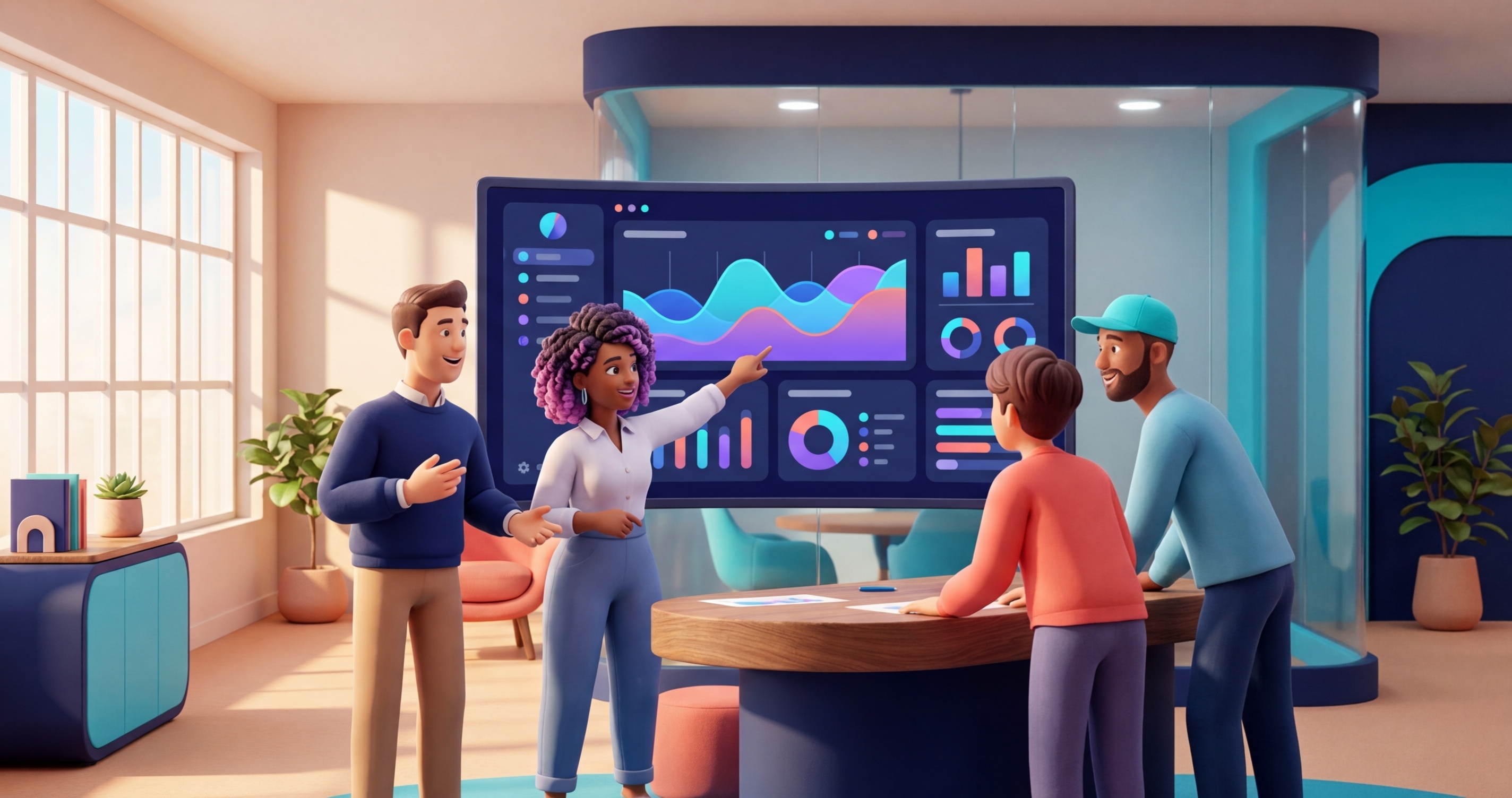
What a talent management platform should cover: hiring, engagement and development data in one place, plus work personality for role fit.
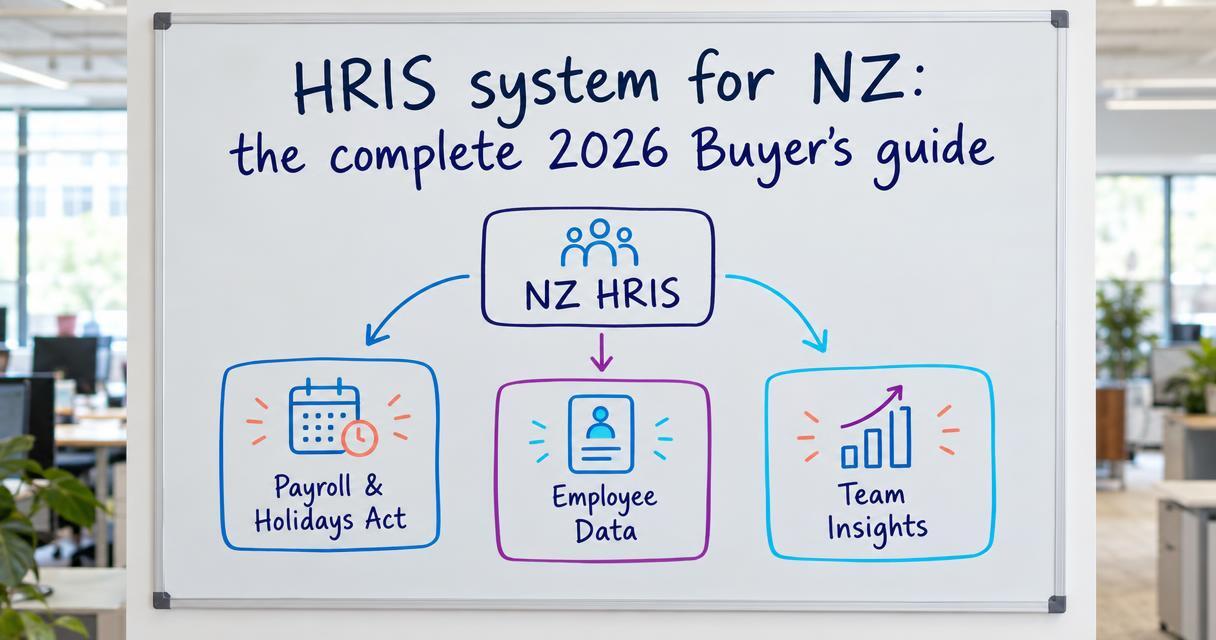
An HRIS system for NZ? Learn how to navigate local compliance, connect payroll, and choose HR software that improves team performance.
What a SaaS HR platform covers, where most stop at admin, and how connecting hiring, engagement and development turns people data into decisions.