

.webp)

 Mathan Allington


1 min read
SaaS HR platform: why modern teams need more than just software
 Mathan Allington
SaaS HR software is human resources software you reach over the internet and pay for by subscription, rather than install on servers you own. The...
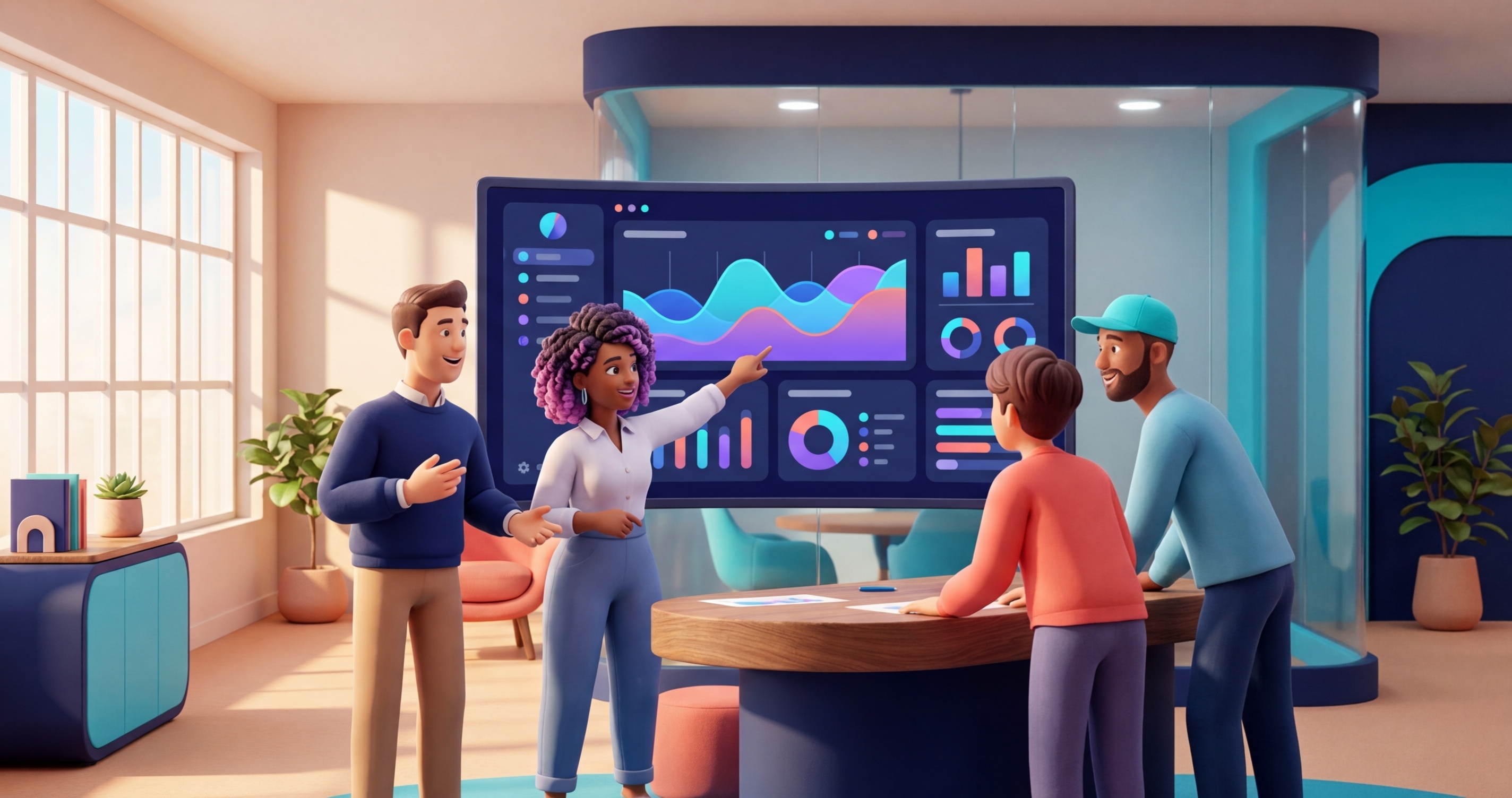
A talent management platform is one system for every decision you make about a person after you decide you need them: attracting and hiring, engaging and retaining, developing and promoting, and measuring whether any of it worked. It sits above the administrative layer your HRIS handles. For a scaling organisation, the right platform is the one that keeps hiring, engagement and development data in the same place, so the picture of a person does not reset every time they move from one stage to the next.
Last reviewed September 2026
Core HR systems are built to record what happened. Start date, salary band, leave balance, manager, exit date. They are very good at it, and every organisation needs one. What they were never designed to do is tell you why a person is likely to do well in a role, why a team is quietly disengaging, or which of your current employees could run the department in two years.
A talent management platform answers those questions. It carries assessment and interview evidence forward into onboarding, runs engagement measurement continuously rather than once a year, maps capability against the roles you will need next, and reports all of it together. The practical test is simple: if the insight you gathered about a candidate in March is invisible to their manager in July, you have a record-keeping system rather than a talent one. If you want the distinction drawn out properly, we have written up the difference between an ATS and an HRIS in detail.
Most buying confusion comes from overlapping category names. Vendors in four different categories will all claim to manage talent. Here is what each one is genuinely built for, and what it will not tell you.
| System | What it is built for | What it will not tell you | Usual owner |
|---|---|---|---|
| HRIS or core HR | Employee records, payroll, leave, compliance documentation, org structure | Whether a person fits the role, how engaged they are, or what they could do next | HR operations |
| Applicant tracking system | Moving candidates through a hiring pipeline and keeping the audit trail | Anything after the offer is signed, including whether the hire worked out | Talent acquisition |
| Learning management system | Delivering and recording courses, certifications and compliance training | Whether the training changed behaviour or closed a capability gap | Learning and development |
| Engagement or survey tool | Measuring how people feel about working there, usually on a cycle | Who is at risk, and what to do about it at an individual level | HR or people and culture |
| Talent management platform | Connecting hiring, engagement, development and succession on shared data | Payroll and statutory record keeping, which stays with your HRIS | CPO, head of people, or HR lead |
Nothing in that table is an argument for buying fewer systems. It is an argument for knowing which system owns which question, so you stop expecting an answer from software that was never built to give one.
Buyers arrive at this category using several names. A talent strategy platform usually means the planning end: workforce plans, role design, succession maps, the link between headcount decisions and business targets. A talent optimisation platform usually means the fit end: matching people to roles and teams based on how they actually work, then adjusting team composition and management approach to suit.
Both labels describe parts of the same job, and most vendors selling one will do some of the other. The useful move when you are comparing them is to ignore the label on the website and ask which of the two emphases the product was originally built around, because that is almost always where its depth sits. A product built for planning tends to have thin assessment. A product built for fit tends to have thin reporting.
Talent measurement is the discipline of putting evidence behind people decisions rather than opinion. It covers validated assessment at hiring, continuous engagement measurement, capability assessment against a defined standard, and outcome reporting that ties those inputs to retention, performance and internal mobility.
This is where the category thins out fast. Plenty of platforms will track activity, meaning applications received, courses completed, surveys sent. Far fewer will measure the thing underneath: whether the people you hired are the people who thrive, and whether development actually built capability. People analytics is the reporting discipline that sits on top of good measurement, and it falls over when the underlying data was never collected with measurement in mind.
An illustrative example, with made-up numbers to show the arithmetic. A 200-person organisation running 18 per cent annual turnover loses 36 people a year. If measurement shows that two thirds of those exits sit inside two departments, that is 24 exits concentrated where a change of manager practice or role design is possible. Without measurement you are looking at a single company-wide number and guessing which lever to pull.
Scaling changes the requirement in a way that catches people out. At 40 employees your leaders know everyone personally, so the platform mostly needs to save admin time. At 200 they do not, and the platform becomes the only reliable memory of who your people are. Buy for the second situation while you are still in the first.
A sequence that works:
Our HR tech requirements builder turns that sequence into a requirements document you can send to vendors, which is considerably more useful than a feature spreadsheet copied from a review site.
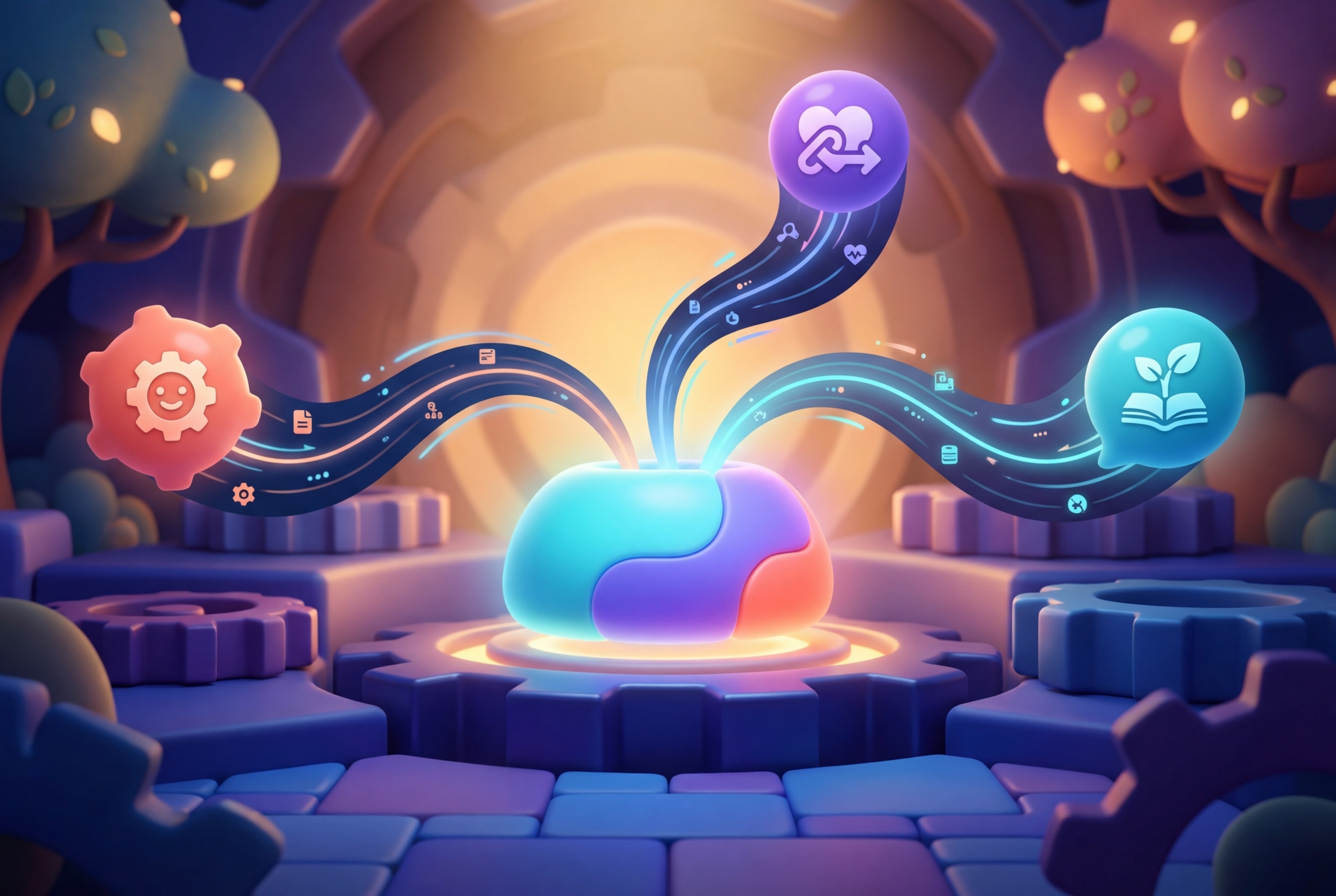
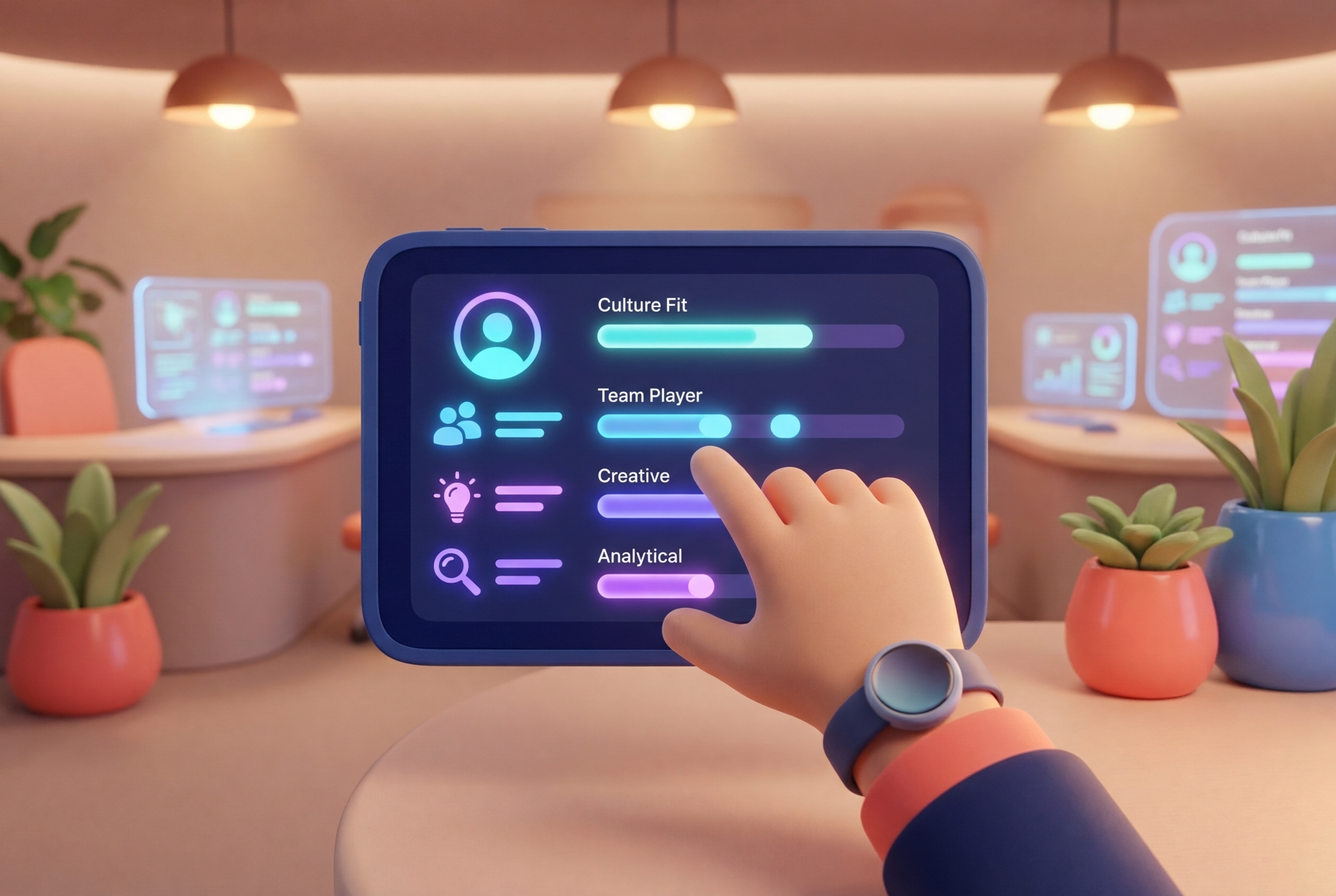
Hiring is often treated as transactional. Fill the vacancy, move on. Treated properly it is the first entry in a person's record, and the evidence you gather there is the most predictive information you will ever have about them. Hire for skills alone, ignore how the person works alongside the team they are joining, and you are buying an engagement problem for eighteen months' time.
Engagement is the second join. Annual reviews arrive too late to change anything, so the better model is continuous measurement, with concerns surfaced while they are still fixable. The value of running that inside the same platform is that engagement patterns can be read against what you already knew about the person at hire, rather than as an anonymous score with no context.
Development and succession are the third. Growth opportunity is one of the strongest retention factors there is, and people who believe they have hit a ceiling start looking. Mapping capability against the roles you will need lets you see who is ready, who is close, and where the gap is. Compono's eight work personality types (Doer, Auditor, Helper, Advisor, Pioneer, Campaigner, Evaluator and Coordinator) describe ways of working rather than boxes for people, and they give managers a shared language for those conversations. If succession is the reason you are shopping, our guide to succession planning software covers that requirement on its own terms.
Vendors who answer those cleanly tend to be the ones worth the demo time. Vendors who redirect to a feature list are telling you something too.
Compono is a workforce intelligence platform covering hiring, engagement, development and competency assurance on shared data, with work personality and culture measurement underneath all four. It suits organisations that have decided people insight is the problem worth solving, usually somewhere between 100 and several thousand employees, and it works alongside your payroll and HRIS rather than replacing them.
It is not the right fit if what you need is a payroll system, or a single point tool to solve one narrow job at the lowest possible price. Those are real requirements, and a connected platform is the wrong shape for them.
Compono connects hiring, engagement and development data so every people decision is one you can defend, rated 4.8/5 on Capterra.
Talk to usA talent management platform is one system covering hiring, engagement, development, performance and succession, built so those stages share data about the same person. It handles the strategic side of HR, while an HRIS handles records, payroll and compliance administration.
An HRIS records what happened: payroll, leave, employee files and org structure. A talent management platform informs what happens next, by carrying assessment, engagement and capability data across the whole employee lifecycle. Most organisations run both.
Broadly yes, with a different emphasis. Talent strategy usually points at workforce planning and succession, while talent optimisation points at matching people to roles and teams. Both labels sit inside the same category, so look at where the product has real depth rather than what the homepage calls it.
Start from the people decisions you currently make badly, work out what data each one needs, then test whether the platform genuinely joins that data rather than showing it in separate modules. Buy for the size you will be in two years, and check that line managers will use it weekly.
Validated assessment at hiring, engagement measured continuously rather than annually, capability assessed against a defined standard, and outcomes such as retention, internal mobility and time to productivity. Activity counts like courses completed or surveys sent are not measurement.
Generally no. Most talent management platforms sit alongside payroll and your HRIS, handling people strategy while those systems handle the administrative and statutory work. Check the integration path before you sign.
1 min read
SaaS HR software is human resources software you reach over the internet and pay for by subscription, rather than install on servers you own. The...
1 min read
Human capital management (HCM) software runs the full employee lifecycle, from hiring through development to exit, while talent management software...
1 min read
Last reviewed August 2026 The best HRIS in Australia is the one that handles local payroll, superannuation and Fair Work obligations natively,...