


 Mathan Allington


Can you ask about age in a job interview in Australia?
 Mathan Allington
Asking about age in a job interview carries legal risks under Australian law. Discover the exceptions, compliance rules, and what to ask candidates.
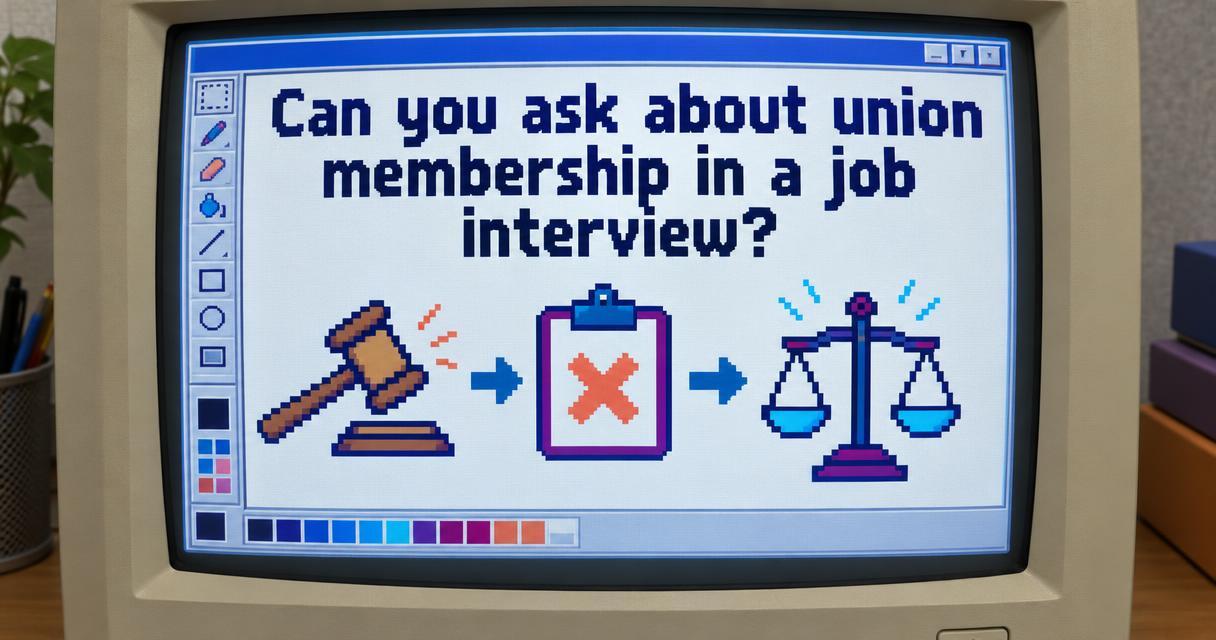
You cannot legally ask if a candidate is a union member during a job interview because industrial activity is a protected workplace right.
Last reviewed November 2026
Key takeaways
- Employment laws prohibit interviewers from asking questions about a candidate's trade union membership or industrial activities.
- If a rejected candidate claims hiring discrimination based on union status, the burden of proof often shifts to the employer to justify their decision.
- You can ask candidates if they are comfortable working under the specific conditions of an enterprise agreement, provided you do not interrogate their personal affiliations.
- Structured interviewing protects your business by generating objective, documented scoring data that defends your hiring decisions.
Hiring managers often stumble into illegal territory by mistake. They want to know if a candidate is comfortable working under a specific site enterprise agreement, so they ask a clumsy question about union affiliation. That poorly phrased question immediately breaches employment regulations and exposes the business to a discrimination claim.
The line between assessing a candidate for a role covered by collective bargaining and interrogating their industrial rights is thin. When you cross it, you compromise the integrity of your hiring process.
In Australia, the Fair Work Act 2009 and the Australian Human Rights Commission explicitly outline general protections for prospective employees. These regulations make it illegal to refuse employment based on a person's trade union membership, their participation in industrial activities, or their decision not to join a union. State anti-discrimination acts provide parallel protections that govern the entire pre-employment phase.
This approach aligns with strict global standards for labour relations. For example, the NLRB identifies refusing to hire or consider applicants because of their union membership, activities, or sympathies as unlawful discrimination. The U.S. Bureau of Labor Statistics reported that 10.0% of U.S. wage-and-salary workers belonged to a union in 2025, a reminder that union presence remains a consistent factor in the workforce. Interviewers who ask about these affiliations risk turning a routine conversation into a serious legal dispute.
These protections apply from the moment a person reads your job advertisement. You cannot screen out resumes based on past union delegate roles, and you certainly cannot ask probing questions about industrial sympathies during an interview.
When an unsuccessful candidate believes they were rejected due to their union status, the legal mechanics create a significant challenge for the employer. Under the general protections provisions of the Fair Work Act, the business faces a reverse onus of proof. The employer must present objective evidence that the adverse action was taken for lawful, merit-based reasons.
If a manager asks about union membership on a Tuesday and rejects the candidate on a Thursday, the business must prove the Tuesday conversation had zero influence on the Thursday decision. As seen in international employment tribunals, the NLRB's stated restriction covers questions about union activities or sympathies, making an interview question about a candidate's union membership legally risky because it can suggest that union affiliation may affect hiring.
Without a structured scoring system, employers struggle to produce the evidence required to mount a successful defence. Subjective interview notes or a manager's vague recollection of a "poor culture fit" rarely satisfy an employment tribunal.
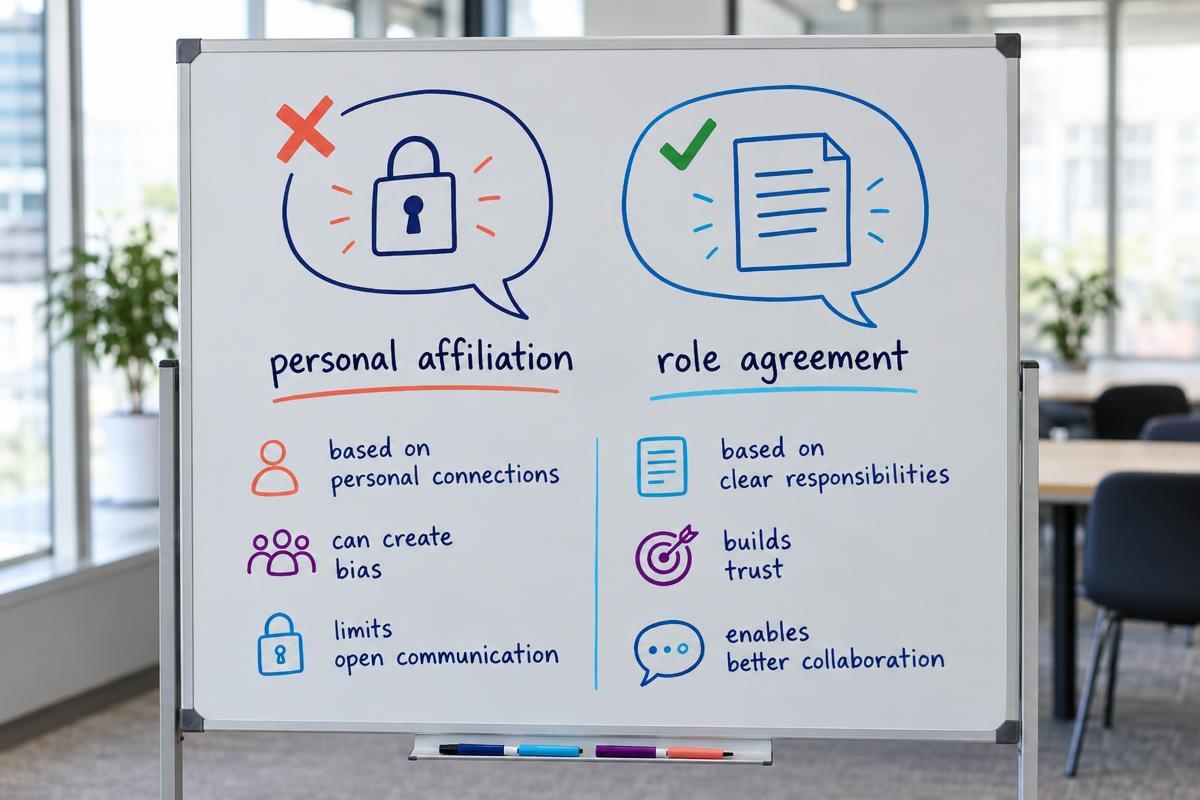
There is a clear difference between questioning someone's industrial rights and assessing their suitability for a role governed by a collective bargaining agreement. You can discuss the terms of employment without ever mentioning personal affiliations.
If the role falls under an enterprise agreement, state that fact plainly. You can ask the candidate if they are comfortable working under the specific rosters, pay structures, and conditions outlined in that document. This framing keeps the conversation anchored strictly to role eligibility and operational requirements.
If the workplace is non-unionised, you should focus entirely on the applicant's skills, qualifications, and alignment with your ways of working. You can reference our comprehensive guide on interview questions you can't ask in Australia to ensure your hiring managers understand the boundaries across all protected categories.
Applicants who face questions about their union membership possess clear legal rights, and working through these moments requires a tactical response. The most effective strategy is to pivot the discussion back to professional capabilities without directly answering the unlawful query.
A candidate can politely state that they prefer to keep their private affiliations separate from their professional work. They should then immediately reaffirm their ability to perform the required duties and their willingness to collaborate with the team. This response neutralises the question while demonstrating professionalism.
If a recruiter pushes the issue and subsequently rejects the application, the candidate has documented grounds to seek remedies through regulatory bodies like the Fair Work Ombudsman.
The safest way to manage hiring risk is to remove subjective, unstructured questioning entirely. When you start a structured process, every candidate answers the same role-relevant questions, and interviewers score those answers against a predetermined rubric.
When choosing an applicant tracking system, prioritise platforms that enforce this kind of standardisation. A system that measures objective skills alongside organisation fit helps you reduce bias in hiring. It gives your managers the exact framework they need for asking effective interview questions, leaving no room for inappropriate detours into a candidate's personal background.
This methodology works at scale. Using Compono Hire, The Coffee Club started one consistent hiring standard across more than 400 stores. This structured approach resulted in 8% lower employee turnover and helped them earn a 4.8 out of 5 rating on Capterra. Defensible hiring decisions start with objective data.
Compono provides the tools you need to build objective, structured hiring processes that protect your business and identify the best candidates based on merit.
Yes. If a candidate brings up their union affiliation voluntarily, you should acknowledge it neutrally and immediately steer the conversation back to their skills and experience. You must ensure this volunteered information does not factor into your final hiring decision.
If a manager asks an inappropriate question, the best response is to immediately withdraw it. The interviewer should clarify that the information will not be used in the hiring decision and thoroughly document the correction in their interview notes.
Yes. Protections against discrimination for industrial activity apply from the moment a person applies for a job and continue right through their probation period and entire employment lifecycle.
No. Asking about past strike action is simply another way of interrogating a candidate about their industrial activity. Keep your questions focused strictly on the candidate's professional capabilities and previous work outcomes.

Asking about age in a job interview carries legal risks under Australian law. Discover the exceptions, compliance rules, and what to ask candidates.
Learn if you can ask about religion in a job interview in Australia, the legal exceptions, and how to assess candidate availability without breaking...

Learn why you cannot ask candidates about their carer responsibilities during a job interview, the legal risks involved, and the compliant questions...