


 Mathan Allington


Can you ask about age in a job interview in Australia?
 Mathan Allington
Asking about age in a job interview carries legal risks under Australian law. Discover the exceptions, compliance rules, and what to ask candidates.
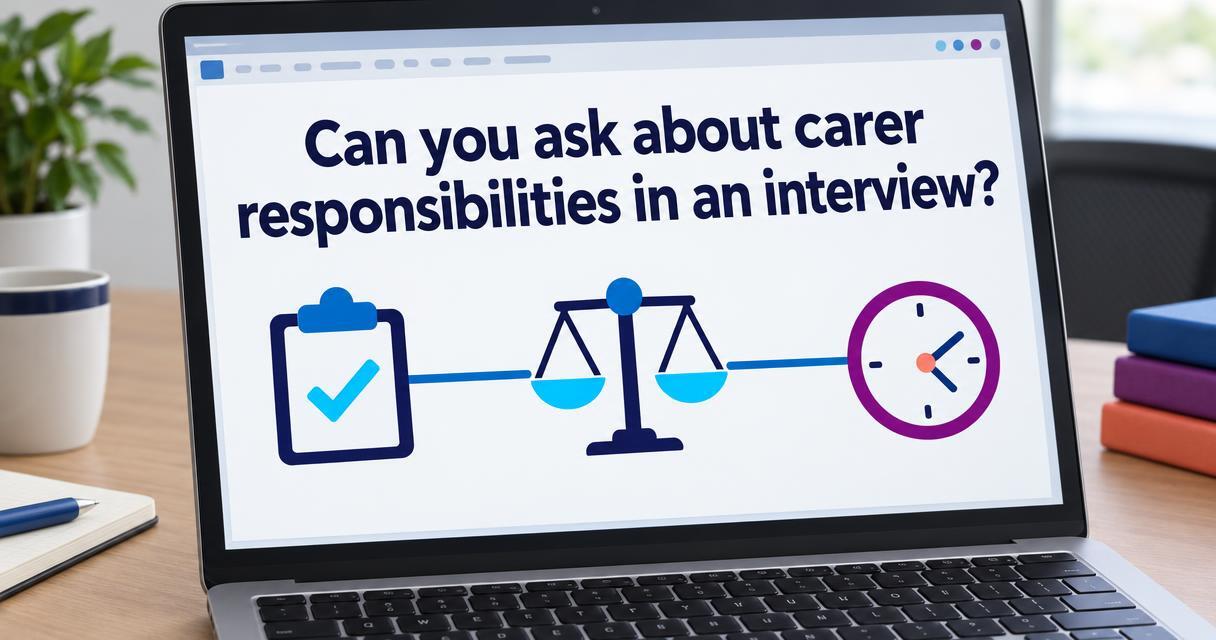
You cannot ask candidates about their carer responsibilities in an interview.
Last reviewed November 2026
It is unlawful under Australian anti-discrimination legislation to base a hiring decision on someone's family or caring duties. If you need to know whether a candidate can meet the demands of a role, you must ask about their availability to work specific hours or travel, rather than asking why they might be unavailable.
Key takeaways
- Asking direct questions about childcare, elderly parents or general caregiving duties exposes your organisation to immediate discrimination claims.
- You can and should verify if a candidate can meet the core hours, shift patterns or travel requirements of the role without asking personal questions.
- The "care penalty" is a measurable bias that causes caregivers to face lower hiring probabilities than equally qualified peers.
- Structured interviews that use consistent and role-specific questions eliminate the space for intrusive personal probes.
- Candidates asked inappropriate questions can pivot their answers to highlight their proven reliability and time management skills.
Interviews are designed to help you understand who a person is and how they work. Many hiring managers try to build rapport by asking casual questions about a candidate's weekend, family or life outside work. This conversational approach feels natural. It is also a significant process risk.
When an interviewer asks a candidate if they have children to pick up from school or elderly parents to look after, they cross a legal boundary. Even if the question comes from a place of genuine curiosity or empathy, the law views it differently. Asking the question implies that the answer will influence the final hiring decision.
Most traditional HR systems focus heavily on tracking applications and approvals. They often fail to manage the people insight risk that happens in the interview room when untrained managers "wing it". You need a reliable strategy to ensure your team evaluates candidates on their skills and culture alignment, not their personal obligations.
Under the Fair Work Act and state-based anti-discrimination laws, caring responsibilities are a protected attribute. This means you cannot treat an applicant less favourably because they provide care or support to a dependent.
You can check our free tool covering interview questions you can't ask in Australia to see the full list of protected areas. The core principle is simple. You must evaluate a candidate strictly on their professional capabilities.
It is critical to train your hiring managers on these boundaries. A casual question like "Do you have reliable childcare?" might seem like a practical way to gauge attendance reliability. In reality, it is discriminatory. It disproportionately targets women and caregivers, opening your business to legal action before the candidate even receives a rejection letter.
When interviewers let personal questions slip into the conversation, they invite bias. This bias creates a measurable disadvantage for caregivers, commonly referred to as the care penalty.
A U.S. hiring experiment found that unpaid family caregivers were 4.4 percentage points less likely to be hired than equally qualified non-caregivers. The penalty increases significantly for those returning to the workforce after a caregiving absence.
Research from Ghent University reveals that professional recruiters rated applicants returning from caregiving breaks 7.9 percentage points lower for interview invitations and 6.9 points lower for hiring probability. The same Ghent University study noted that recruiters’ negative assessments of caregivers were linked to assumptions about reduced skills, commitment and future availability.
These assumptions are both unfair and costly. They cause organisations to miss out on highly capable people simply because of flawed interviewing habits. Furthermore, SHRM’s 2025 research indicates that 20 percent of working caregivers reported being treated poorly at work because of caregiving responsibilities.
You still need to know if a candidate can do the job. If attendance, shift work or scheduling is genuinely relevant to the role, you must explain those actual requirements clearly. You can then ask whether the candidate can meet that schedule.
This approach focuses entirely on the role rather than the candidate's personal reasons. It forms the foundation of reliable and structured recruitment processes that evaluate every person fairly.
Here is how you can reframe illegal inquiries into compliant, operational questions.
| Do not ask (Illegal) | Ask instead (Compliant) |
|---|---|
| Do you have kids you need to pick up at 3:00 PM? | The core hours for this role are 9:00 AM to 5:00 PM. Are you able to commit to this schedule? |
| Do you have reliable childcare arrangements? | This role occasionally requires overtime on short notice. Are you available to work extended hours when required? |
| Will your family responsibilities stop you from travelling? | This position involves travelling interstate two days a week. Can you meet this travel requirement? |
| Are you planning to have children soon? | Where do you see your career progressing over the next three years? |
By defining the job's parameters upfront, you give the candidate the opportunity to assess their own capacity. If they say yes, you accept their professional commitment at face value.
Relying on unstructured conversation is a massive process risk. You can prevent conversational drift by equipping your team with best practices for formulating interview questions before the candidate walks in the door.
Create a standardized scoring rubric for every role. Ensure every candidate answers the exact same set of questions in the same order. This eliminates the space for intrusive personal questions. It also provides a defensible, data-backed reason for every hiring decision you make.
If you want to read more about building these frameworks, you can review our interview scoring rubric template guide for practical steps.
If you are a job seeker, you might still face inappropriate questions from untrained interviewers. You do not have to answer them directly. You can pivot the conversation back to your professional capabilities and maintain your boundaries.
If an interviewer asks who looks after your children while you work, you can reply that you have comprehensive personal arrangements in place and are fully available to work the required hours. This answers their underlying concern about reliability without validating their intrusive question.
If an interviewer asks if your family duties will interfere with travel, you can state that you are highly organised and fully prepared to meet the 20 percent travel requirement outlined in the job description.
Practise these pivots before your interview. They help you demonstrate professionalism and time management skills under pressure while keeping the focus firmly on your expertise.
You might choose to disclose your caregiving status voluntarily to negotiate flexible working arrangements. The best time to do this is usually after you receive a formal job offer, but before you sign the contract.
Once the offer is on the table, the employer has already decided you are the best person for the job based on your merits. At this stage, you can confidently discuss flexibility as a logistical detail rather than a condition of hiring.
Frame your request around productivity and outcomes. You might explain that working from home two days a week allows you to manage your caring duties while delivering focused, high-quality work during core business hours. Focus the conversation on how this arrangement benefits your output and the team.
A company's culture reveals itself long before you sign the employment contract. You can look for clues during the hiring process to see if they genuinely support work-life balance.
Check if they advertise flexible working policies publicly on their careers page. During the interview, note whether the panel respects your time by starting and finishing promptly. You can ask the interviewers how the company supports team wellbeing and listen carefully to see if their answers rely on vague promises or concrete policies.
According to a 2025 survey in the Integrated Care Journal, 43 percent of carers reported experiencing prejudice or discrimination at work, compared with 28 percent of non-carers. You want to avoid these environments. Employers who proactively discuss their flexible work policies without prompting are usually much safer bets for long-term career growth.
The global market for working carers is shifting toward greater statutory protection. In the UK, the Carer's Leave Act 2024 introduced a day-one right for employees to take unpaid leave to care for dependents with long-term needs. This legislative shift reflects a broader global movement to normalise caregiving in the workplace.
In Australia, the National Employment Standards already provide employees with the right to unpaid carer's leave and the right to request flexible working arrangements after 12 months of service. Savvy employers do not wait for the 12-month mark. They understand that offering flexibility from day one is a powerful way to attract and retain top talent.
Inclusivity must start on day one. Your onboarding process should welcome caregivers without forcing them to declare their status. You can achieve this by starting flexible working guidelines that apply to everyone by default.
When choosing an applicant tracking system, ensure it supports blind screening and structured interview notes. This limits the spread of biased information through the hiring panel. You manage process risk by keeping the workflow compliant, and you manage people insight risk by assessing actual workplace behaviours instead of personal circumstances.
Finally, ensure you assess cultural alignment properly. True culture fit is not about hiring people with identical backgrounds or family structures. You can read more about striking the balance between culture fit and diversity in hiring to build teams that are both cohesive and highly inclusive.
Our applicant tracking system ensures your hiring managers ask the right questions and score candidates on what actually matters. Compono helps you run defensible, bias-free interviews that focus on skills and culture alignment rather than personal circumstances.
No. Asking if you have children or plan to have children is discriminatory under Australian law. Employers must base their hiring decisions on your ability to perform the role, not your family status.
You can pivot the conversation by addressing the underlying concern about your availability. Simply state that you have personal arrangements in place and can fully commit to the required hours and duties of the role.
Hiring managers should state the exact operational requirements of the job, such as shift times, overtime expectations or travel commitments. They can then directly ask the candidate if they are able to meet those specific requirements.
Yes. Asking about a candidate's marital status or their spouse is prohibited under anti-discrimination laws. This information is irrelevant to a candidate's professional capability.
The safest time to negotiate flexible working arrangements is after you have received a formal job offer but before you sign the contract. At this point, the employer has already chosen you based on your merits.

Asking about age in a job interview carries legal risks under Australian law. Discover the exceptions, compliance rules, and what to ask candidates.

Learn if you can ask about religion in a job interview in Australia, the legal exceptions, and how to assess candidate availability without breaking...
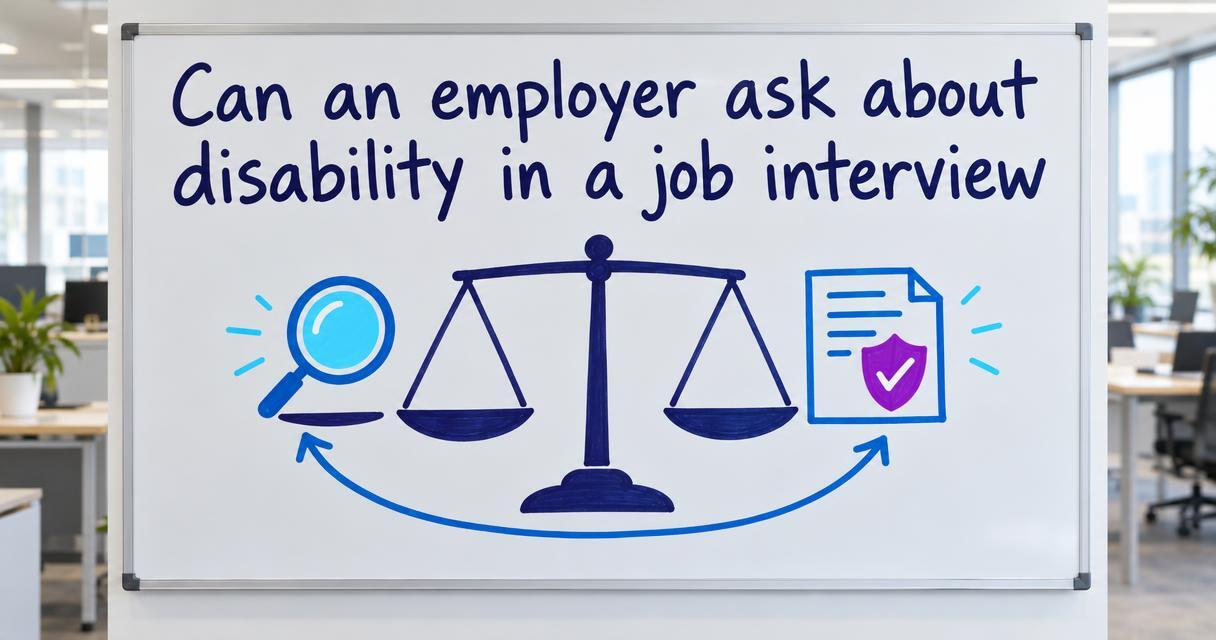
Learn what Australian employers can legally ask about disability during a job interview, the difference between general inquiries and inherent.