


 Mathan Allington


RPL Assessment Software: The Complete Guide for 2026
 Mathan Allington
Discover how RPL assessment software streamlines evidence collection, boosts learner progress, and ensures compliance.
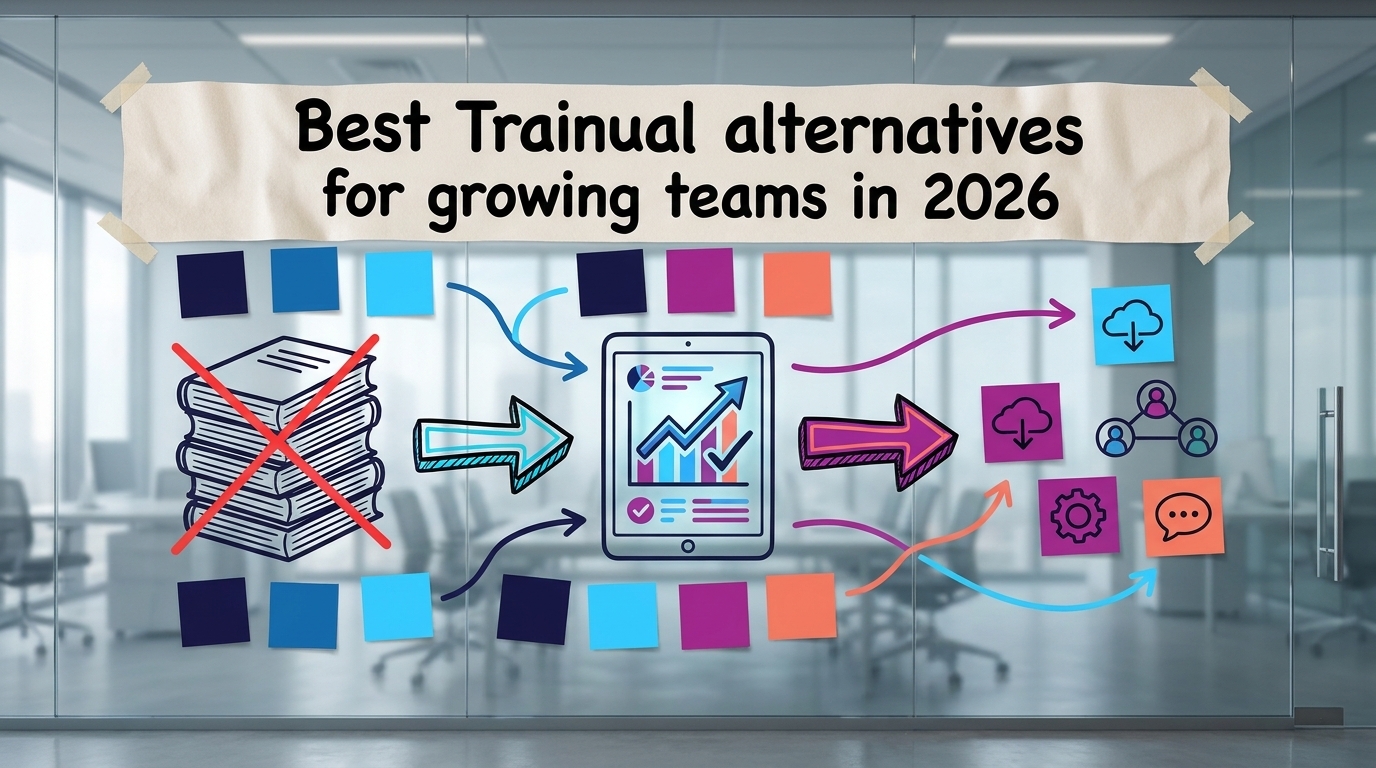
The best Trainual alternatives give your team the process documentation they need without the steep per-seat price hikes or restrictive onboarding fees.
Last reviewed November 2026
Quick answer
- Price: Modern documentation platforms range from affordable standard operating procedure tools to full learning management systems (LMS) starting around $8 per user per month.
- Best for: Mid-market organisations that need to move beyond static manuals and actively track capability, compliance, and learning outcomes.
- Verdict: Compono Develop is the top choice for teams that want to blend process documentation with reliable learning science and compliance tracking.
Creating standard operating procedures is only the first step in building a capable workforce. Many businesses start with basic manual builders to get their knowledge out of people's heads and onto a screen. However, as these organisations mature, they often hit a wall with systems that only handle passive reading.
Pricing opacity is a common frustration for growing businesses trying to forecast their software spend. According to Rework, Trainual’s pricing page lists four tiers but no dollar figures, requiring prospects to book a demo. It also separately publishes a one-time implementation fee of $1,000.
When you combine mandatory onboarding fees with escalating seat costs, the total cost of ownership becomes difficult to justify for a tool that primarily acts as a digital filing cabinet. Teams eventually realise they need a system that does more than house documents.
They need to verify that an employee actually understands a new policy, rather than just clicking a button to say they read it. If your team is ready to choose the right talent management software, you must evaluate tools based on how they handle active learning, workflow execution, and compliance tracking.
Before you commit to a platform migration, it is important to categorise the alternatives based on organisational maturity and team size. The market is split into three main categories of software, each serving a different operational need.
First, there are full learning management systems. An LMS is designed to deliver courses, track completion, and assess knowledge through quizzes and formal compliance gates. In fact, Rework points out that TalentLMS, 360Learning, iSpring Learn, and Tovuti are positioned as stronger Trainual alternatives for courses, completion tracking, quizzes, and reporting.
Second, you will find dedicated process and workflow tools. These platforms focus on active checklists and live execution. Instead of reading about how to complete a task, the employee interacts with a changing form that guides them through the steps in real time. This ensures absolute consistency across repetitive tasks.
Finally, there are general knowledge bases and wikis. These are essentially blank canvases where teams can build their own interconnected documentation. They are highly flexible and often cheaper, but they lack native accountability features. You can write a brilliant guide, but you cannot easily force a new hire to read it or test their retention.
We have evaluated the top options on the market to help you find the right fit for your business.
Compono Develop is a learning management system that treats employee training as a strategic capability rather than a compliance checkbox. While basic documentation tools rely on employees self-reporting that they have read a manual, Compono uses assessment science to prove that your workforce understands what to do. Backed by a 4.7 out of 5 rating across millions of learners, the platform provides custom learning pathways, detailed analytics, and reliable compliance reporting.
It is built to handle complex enterprise requirements without feeling heavy. For example, the Department of Transport Victoria saved $34M in operational costs over two years using our digital licensing capabilities. If you want to move beyond static pages and apply the learning science principles that actually change behaviour, Compono Develop provides the structure you need.
TalentLMS is a traditional learning management system designed to be accessible for small businesses. It allows managers to upload presentations, create basic quizzes, and assign courses to specific departments. It is a solid choice if your primary goal is to turn existing PowerPoint decks and PDFs into trackable online courses.
However, the platform is heavily focused on formal course structures. If your team is used to the fluid, continuous document editing experience of a modern wiki, adapting to a strict course builder might introduce friction into your knowledge sharing process.
360Learning positions itself as a collaborative learning platform. It helps internal subject matter experts to create and share courses quickly. This bottom-up approach is excellent for fast-moving tech companies where knowledge changes weekly and formal training departments cannot keep up.
The downside to decentralised content creation is version control. Without strict governance, you can end up with duplicate, contradictory, or outdated standard operating procedures spread across multiple user-generated courses.
Process Street takes a different approach to operations. Instead of creating a manual that sits on a virtual shelf, it turns procedures into active checklists. A guide from Trails notes that Process Street is positioned as a better fit than Trainual when the primary need is live workflow execution and compliance proof rather than documentation-based training.
This active execution makes it brilliant for client onboarding, quality assurance checks, and safety audits. It forces employees to follow the exact steps in the correct order. However, it is not designed to be a traditional learning platform, making it a poor fit for general leadership development or soft skills training.
SweetProcess is laser-focused on documenting procedures, policies, and processes. It features a clean, hierarchical structure that makes it easy for employees to find exactly what they need. In a detailed comparison, Blur Studio notes that SweetProcess costs $82.50 per month for up to 10 members on annual billing, plus $4.17 per additional member.
The platform excels at breaking complex operations down into simple, visual steps. If you need to create a PTO policy template or outline a manufacturing workflow, it works well. Yet, much like Trainual, it stops short of providing deep learning analytics or reliable instructional design features.
Notion is a highly flexible workspace that blends notes, documents, and project management. Many startups use it as their entire operating system. You can build beautiful, interconnected wikis that house everything from brand guidelines to engineering protocols.
The primary limitation is accountability. Notion is a passive system. You cannot assign a mandatory reading list with a deadline, nor can you test an employee's comprehension. It is a fantastic tool for reference, but it cannot replace an LMS when compliance and verified training are required.
| Platform | Primary use case | Starting price |
|---|---|---|
| Compono Develop | Learning management and capability tracking | Pricing on request |
| TalentLMS | Traditional course delivery | Pricing on request |
| 360Learning | Collaborative learning | Pricing on request |
| Process Street | Live workflow execution | Pricing on request |
| SweetProcess | SOP documentation | $82.50 per month (up to 10 members) |
| Notion | Internal wiki and knowledge base | Pricing on request |
Compono makes Compono Develop. We've included it and kept every entry's strengths and limits honest.
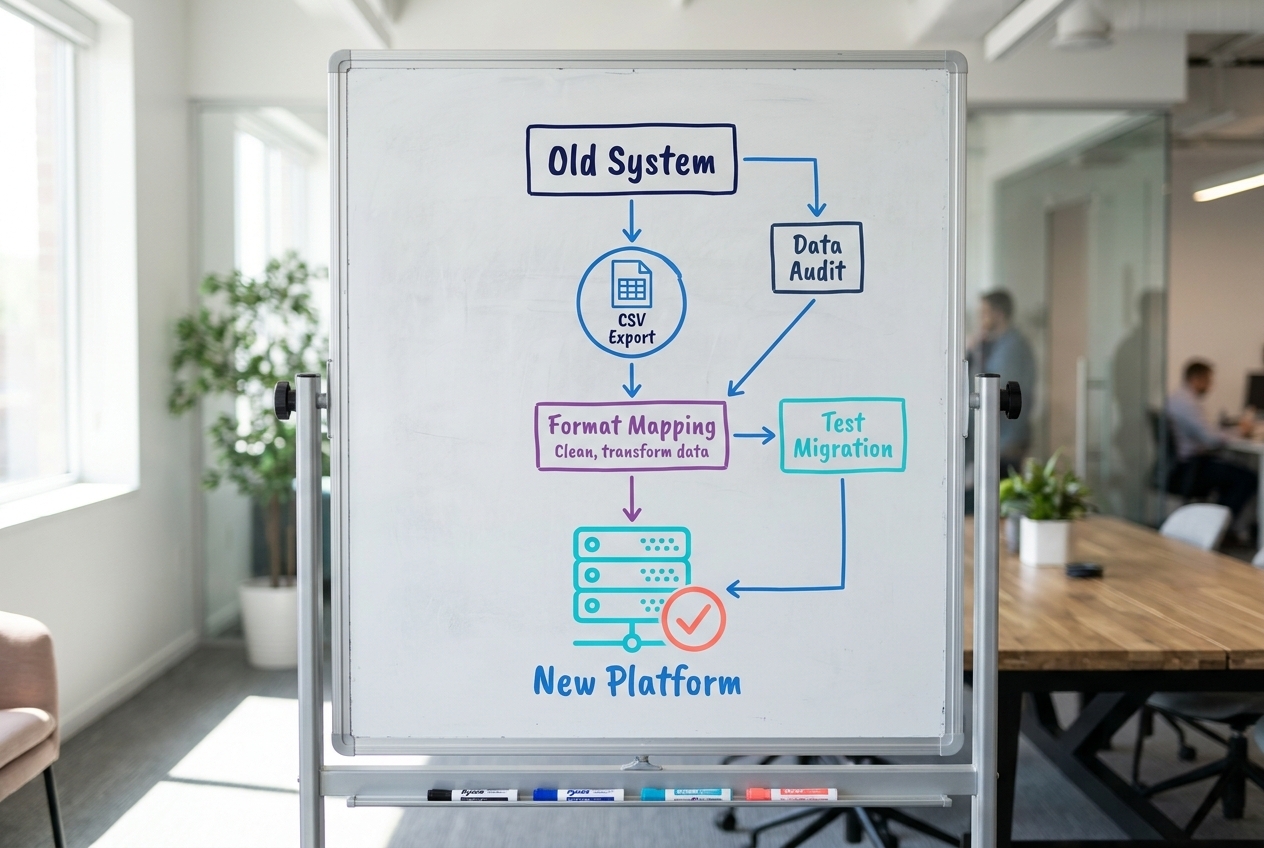
One of the biggest hurdles companies face when switching platforms is the fear of losing historical data. Migrating years of carefully crafted standard operating procedures can feel daunting, but a structured approach ensures you retain your content and your revision history.
The first step is conducting a content audit. Before exporting anything, review your existing manuals. Archiving outdated policies now saves you from paying to host irrelevant data in your new system. Next, use the export function to pull your text and media. Most modern platforms allow bulk exports to PDF or CSV formats. When exporting to CSV, ensure you map the column headers correctly to match the import structure of your new LMS.
If you are moving to a sophisticated platform, you can often use an API integration to port your data directly. This method preserves your revision history and user completion records, which is critical for compliance purposes. Once the data is imported, run a pilot test with a small group of power users to check formatting, broken links, and media rendering before rolling the new system out to the wider company.
When comparing the top learning management systems, pricing models play a massive role in your long-term return on investment. Many documentation tools use a rigid seat-based pricing model. This means that as your company grows, your software bill scales linearly. If you double your headcount, you double your costs, even if those new employees only log in once a month.
Seat-based models also create a perverse incentive for companies to share logins or limit access to save money. This completely undermines the purpose of a company-wide knowledge base. Every employee needs access to the source of truth.
Alternatively, some platforms offer active-user pricing or tiered flat rates. Active-user pricing means you only pay for employees who actually log in and take a course during that billing cycle. This is vastly superior for businesses with seasonal workers, large frontline teams, or high turnover roles.
When calculating your ROI over a three-year period, map out your projected hiring plan and model the costs against both pricing structures. You will often find that a slightly higher upfront fee for an enterprise LMS is cheaper than a per-seat documentation tool once you cross the 100-employee mark.
Not every employee sits at a desk all day. For retail staff, construction crews, and logistics teams, a desktop-only training manual is virtually useless. When evaluating alternatives, you must prioritise mobile readiness and offline access.
A strong learning platform provides a native mobile app, not just a responsive mobile website. Frontline workers need to be able to pull their phones out on the warehouse floor to check a safety protocol or verify a machine operation step. Furthermore, offline access is important for teams working in remote areas or inside facilities with poor connectivity.
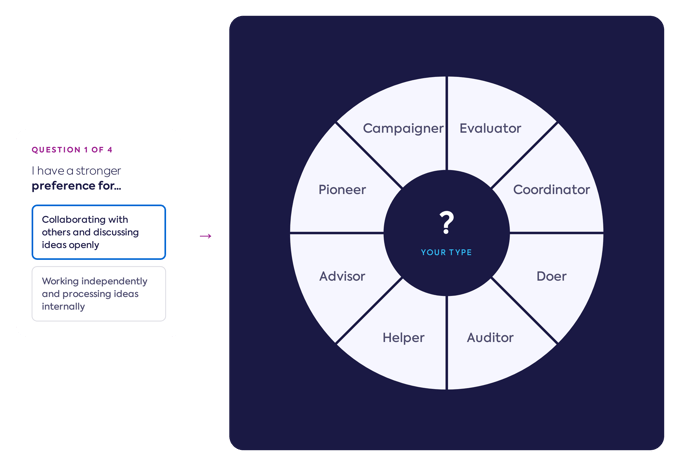
If your team includes members whose Work Personality aligns with The Doer, they will appreciate a system that allows them to get the information they need quickly and efficiently, without fighting clunky interfaces or waiting for pages to load. The ability to download modules ahead of a shift ensures that training and compliance checks never slow down operations.
For mid-market companies in regulated industries, process documentation is a legal necessity. Whether you are dealing with financial regulations, healthcare data, or strict manufacturing standards, you need an ironclad audit trail. Basic wiki tools fail in this environment because they cannot prove who read a document, when they read it, and whether they understood it.
The best LMS platforms offer granular compliance features. They require digital sign-offs that meet regulatory standards, such as SOC 2, ISO, or HIPAA requirements. These systems lock down version control, ensuring that if a policy is updated, the previous version is archived with a timestamp. The system then automatically triggers notifications to the relevant staff, requiring them to recertify on the new policy.
When auditors arrive, you do not want to be searching through email threads or shared folders. You want to generate a single report that shows a 100 percent completion rate for a specific compliance module, complete with passing quiz scores and digital signatures. This level of risk management is exactly why growing businesses graduate from simple SOP tools to comprehensive learning platforms.
If you are ready to move away from rigid pricing and static manuals, you need a system that actively verifies knowledge and builds team capability.
Tools like Notion, Google Docs, and basic internal wikis offer free or very low-cost options for small teams. However, these free tools only provide passive documentation. They do not offer the quizzes, mandatory completion tracking, or compliance reporting required to actually manage employee training.
It depends on your organisational maturity. An SOP tool is great for simply writing down the steps of a task. An LMS is better when you need to teach that task, test the employee's understanding, and prove to an auditor that the training was completed successfully.
Migration is highly manageable if you plan properly. By exporting your current data to CSV or PDF, you can map your content into a new system. Many enterprise platforms also offer API integrations or dedicated customer success teams to help you port your revision history and user records without losing valuable data.
Yes, the best modern platforms are built with mobile-first experiences. They provide native applications and offline access, allowing retail, logistics, and field workers to check safety protocols and complete training modules directly from their mobile devices while on the job.

Discover how RPL assessment software streamlines evidence collection, boosts learner progress, and ensures compliance.
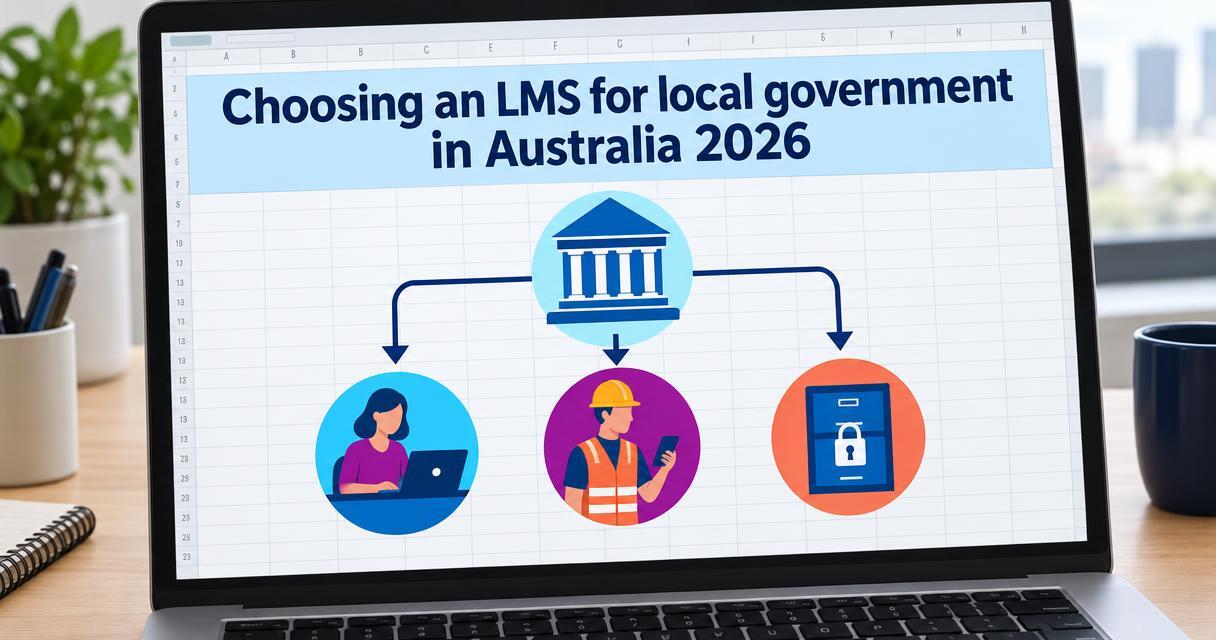
To choose an LMS for local government in Australia. We cover APPs compliance, TechnologyOne integration, deskless worker access and council...
The best LMS for NDIS providers in 2026. Compare top platforms for compliance tracking, audit readiness and building genuine support worker...