


 Mathan Allington

EdApp pricing 2026: plans, true costs and alternatives
 Mathan Allington
The true cost of EdApp in 2026. Compare per-user pricing plans, hidden fees and learning management alternatives to make the right budget choice.
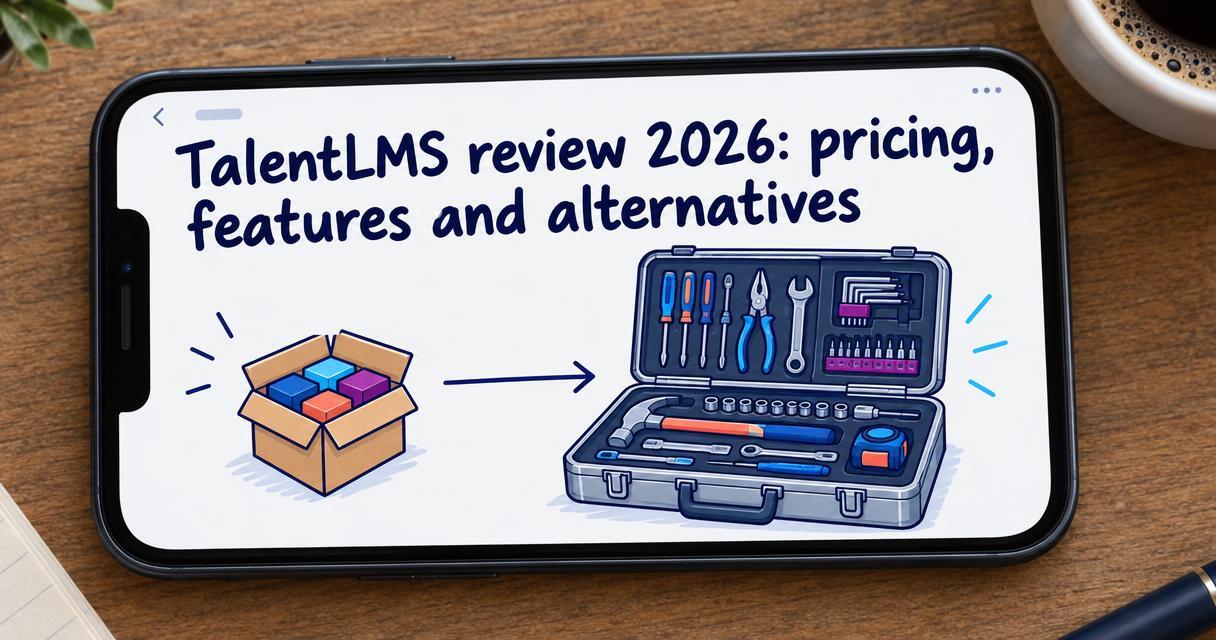
TalentLMS is an accessible learning management system that works well for small teams needing basic training delivery, but growing businesses often outgrow its reporting and capability tracking.
Last reviewed November 2026
Quick answer
- Price: Free for up to five users; paid plans start at US$119 per month for up to 40 users.
- Best for: Small to medium businesses that need a fast, straightforward way to distribute standard training materials.
- Verdict: A reliable tool for tracking compliance and course completions, though it struggles to connect that learning to actual workforce capability and performance outcomes.
Companies buy learning software to train their people and reduce compliance risk. Most platforms handle the basic delivery of modules well enough. The problems usually surface six months after implementation, when business leaders ask what the training actually achieved.
Tracking completion rates tells you who clicked through a module. It does not tell you if that person is now capable of performing the task safely or effectively. This gap between compliance tracking and real capability development is where many mid-market businesses find themselves stuck. They have an audit trail of completed courses, but they still have glaring skills gaps across their teams.
When you evaluate a platform like TalentLMS, you have to look beyond how easily it uploads a SCORM file. You need to assess whether the system treats learning as a compliance checkbox or as a driver of team performance. We have structured this review to help you understand where TalentLMS excels, where it falls short for larger operations, and what alternatives exist in the market.
Software budgets are under heavy scrutiny. A clear understanding of the pricing structure is essential before committing to an annual contract. The entry point for TalentLMS is appealing for very small operations, as the free plan supports up to 5 users and 10 courses, with no time limit or credit card required according to EdTech Map.
Once you move past the free tier, the pricing scales based on user count and administrative features. Annual pricing starts at US$119 per month for up to 40 users, while monthly billing starts at US$149 per month according to TalentLMS. This standard plan is sufficient for small businesses needing a central repository for training documents and basic video modules.
As your headcount grows, the costs accelerate. The Grow plan costs US$229 per month when billed annually and supports up to 70 users and three branches, directly via TalentLMS. If you need more capacity, the Pro plan costs US$449 per month when billed annually and supports up to 100 users and 15 branches based on TalentLMS pricing data.
Total cost of ownership goes beyond the base subscription. If you want to use TalentLibrary to access off-the-shelf courses, that incurs an additional fee. You also need to factor in the administrative time required to manage the system. For a thorough breakdown of these hidden expenses, you can review our guide on TalentLMS pricing and true costs.
The primary appeal of TalentLMS is its simplicity. Small business owners without a dedicated IT or HR department can sign up and start building courses on the same day. The interface is clean, and the course builder allows you to mix videos, presentations and basic quizzes without writing code.
User feedback supports this ease of use. G2 reviewers rate TalentLMS 4.5/5, with praise for onboarding and implementation support noted on G2. Across broader feedback channels, TalentLMS is rated 4.6/5 from 784 reviews on its pricing page at TalentLMS. For organisations that just need to get standard onboarding materials in front of new hires, the platform delivers on its promise.
The branch feature on the Grow and Pro plans allows you to set up separate learning environments for different departments or client groups. This is useful for franchising or external training, though IT administrators often note that the tenant isolation and single sign-on capabilities remain fairly basic compared to enterprise solutions.
If you want to understand the mechanics of how learning platforms operate at a broader level, reading what is a learning management system helps clarify the standard features you should expect from any vendor in this space.
While TalentLMS thrives in the small business sector, scaling it across a mid-market organisation presents specific challenges. Bringing hundreds of historical training records and SCORM packages into a new environment requires reliable data migration tools. TalentLMS supports basic imports, but complex migrations often demand manual intervention.
System integration is another common friction point. Modern HR teams need their learning platform to speak fluently to their human resource information system and payroll software. TalentLMS offers native integrations with popular tools, but building custom API connections for bespoke internal systems can be a rigid process.
White-labelling limits also frustrate growing brands. While you can change logos and basic colours, deeply embedding the LMS into your company's digital set of tools is restricted. If you want the learning environment to feel like an invisible extension of your own intranet, you will bump up against the platform's architectural walls.
Data tells the story of your workforce. Unfortunately, many learning platforms only tell you part of that story. Reviewers identify customisation and reporting limitations, while other customers praise the platform’s value and support as seen on EdTech Map. The reports in TalentLMS are great for identifying who has finished a course, but they offer little insight into whether that course improved performance.
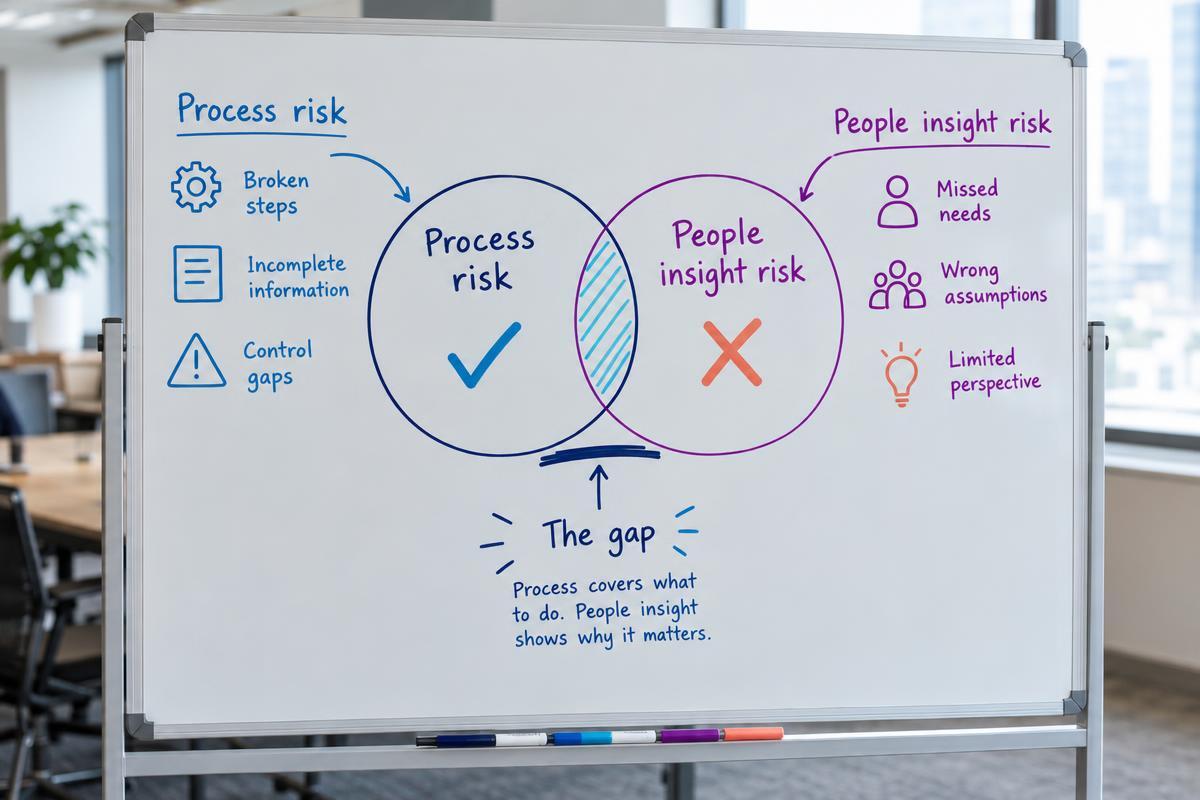
This is the difference between managing process risk and managing people insight risk. Process risk is about compliance: ensuring everyone has ticked the box on safety training. People insight risk is about knowing if your staff actually understand the material well enough to apply it in their daily work. TalentLMS handles the process side effectively, but it stops short of measuring real capability.
If your organisation is ready to move beyond completion metrics, you need a different approach to learning. Compono Develop is a learning management system that connects training directly to actual capability development and performance outcomes. It maps learning pathways to individual behavioural profiles, helping teams build skills that drive tangible business results.
Choosing the right platform depends entirely on the size of your team and what you need the software to achieve. If you are comparing vendors, you have to weigh up pricing, administrative overhead and the depth of the learning experience. For an expanded view of the market, you can explore the best TalentLMS alternatives available to modern HR teams.
To give you a clearer picture, we have mapped out how TalentLMS compares to other prominent options in the learning technology space.
| Vendor | Starting price | Best for | Limits |
|---|---|---|---|
| TalentLMS | US$119/month (40 users) | Small teams needing fast, basic course delivery. | Reporting depth and capability mapping. |
| Compono Develop | Pricing on request | Mid-market teams wanting to link learning to performance outcomes. | Not a lightweight plug-and-play for micro-businesses. |
| Docebo | Pricing on request | Large enterprises with complex compliance architecture. | High implementation costs and steep administrative learning curve. |
Compono makes Compono Develop. We've included it and kept every entry's strengths and limits honest.
If you are narrowing down your shortlist, putting vendors head-to-head is the best way to uncover the right fit. You can read our detailed Compono vs TalentLMS comparison to see exactly how process-driven platforms differ from capability-driven ones. Alternatively, if you are looking at the upper end of the market, our Docebo LMS review explains the complexities of enterprise-grade systems.
Training should never be an isolated HR function. When you treat learning as a strategic lever rather than an administrative chore, your people stay longer and perform better. For practical advice on mapping out this strategy, review our guide on how to choose talent development software.
Building real capability requires a system that understands what your people need to learn and why they need to learn it. Instead of just tracking who clicked through a video, you can map development directly to team performance and individual work profiles.
Yes. The platform offers a free tier that supports up to five users and allows you to build or host up to 10 courses. It is a good way to test the interface, but the user limit means most commercial operations need to upgrade to a paid plan almost immediately.
The most common issues raised by users relate to reporting and customisation. The standard reports focus heavily on completion rates rather than deep capability insights. Mid-market and enterprise businesses also find the branding options and API integration capabilities too restrictive for complex IT environments.
Yes. The platform includes e-commerce functionality, allowing training providers and consultants to build courses and sell them directly to external users. You can integrate payment gateways like Stripe or PayPal to handle the transactions.
TalentLMS is built primarily for straightforward training delivery and compliance tracking. Compono Develop handles those compliance requirements but goes much further by mapping learning to actual capability development. It connects the training people consume with the performance outcomes your business needs.
The true cost of EdApp in 2026. Compare per-user pricing plans, hidden fees and learning management alternatives to make the right budget choice.
Read our complete Litmos review for 2026. Discover pricing, top features, reporting limits and how it compares to capability-focused learning...

TalentLMS is free for 5 users. Core costs US$119 a month, Grow US$229 and Pro US$449 billed annually, priced on active users. What sits outside the...
 Compono