


 Mathan Allington


Docebo Pricing 2026: True Costs, Tiers, and Hidden Fees Explained
 Mathan Allington
Docebo is quote only, billed by active users. Vendr's data puts the median at US$42,019 a year (US$21,257 to $110,913). Tiers, fees and what to...
EdApp, now operating as SafetyCulture Training, offers a free tier for up to 10 learners, with paid plans typically starting between US$1.95 and US$2.95 per active user per month.
Last reviewed October 2026
Quick answer
- Price: Free for up to 10 users; paid plans run from US$1.95 to US$2.95 per active user per month.
- Best for: Mobile-first microlearning and frontline staff training.
- Verdict: EdApp delivers excellent bite-sized mobile learning, but scaling it across a mid-market workforce requires careful budget planning and active user forecasting.
EdApp is an Australian-founded microlearning platform that is now integrated and sold as SafetyCulture Training. Human resources leaders often evaluate the platform for its strong mobile-first delivery and gamified learning features. When you build a business case for a new learning management system, you need to understand exactly what the software will cost as your organisation grows.
The platform relies heavily on an active user pricing model rather than a flat annual software fee. This structure can be highly cost-effective for certain business models, but it can also lead to unexpected invoice spikes if you do not forecast your training program correctly.
The platform built its initial user base by offering generous free access to small teams. Today, the free tier is designed primarily for trial purposes or micro-businesses. Recent pricing data indicates the free plan is now strictly capped at a maximum of 10 users.
Under this free tier, you gain access to the course template library and standard mobile delivery features. If you have 11 employees or want to deploy training across a mid-market workforce, you must move to a paid tier.
This is a common strategy in human resources technology. It allows you to test the interface and build a few prototype courses before you commit your learning and development budget to a full rollout.
When you exceed the free tier limits, you move to a paid subscription. The software uses a monthly active user model. This means you only pay for employees who log in and interact with a course during that specific billing cycle.
According to a pricing analysis by SpotSaaS, the Growth plan is listed at US$1.95 per user per month when billed annually. This entry-level tier provides standard course authoring capabilities and basic analytics for your training program.
If your team requires more advanced features to drive engagement, you will need the next tier up. The same SpotSaaS research notes the Plus plan costs US$2.95 per user per month and includes unlimited course authoring alongside built-in gamification and leaderboards.
For large enterprise organisations, the vendor offers a Custom or Managed plan. Enterprise pricing is quoted on request and is based on your total volume and specific account support requirements.
How do you know if an active user pricing model will save you money or blow out your budget? You need a clear forecast of your training calendar.
Step one is mapping your mandatory compliance training. If you have 300 employees and they all must complete an annual safety induction in March, you will pay for 300 active users in March. Your invoice for that month will reflect your entire workforce.
Step two is estimating voluntary learning. If you offer a catalogue of leadership courses, perhaps only 20 percent of your staff will log in during a standard month. In this scenario, you only pay for those active users, making the software highly cost-effective during quiet periods.
Step three is factoring in employee turnover. In industries like hospitality or retail, you might hire 20 new staff members every month. Each new hire will log in to complete their onboarding. This adds 20 guaranteed active users to your monthly baseline.
By mapping these three variables, you can calculate a realistic average monthly cost. If your usage is highly concentrated, a flat-fee system might be a safer financial choice. If your usage is staggered and voluntary, the active user model works heavily in your favour.
Software licences are only one part of your learning and development budget. You must also account for content creation and technical setup.
EdApp provides a library of pre-built courses. If you need bespoke training material tailored to your specific internal processes, you have two choices. You can build it yourself using their authoring tool, or you can pay their instructional design team to build it for you. Custom course design is priced separately from your standard software subscription.
Integration with your payroll software or core human resources platform might also incur professional services fees. Always ask the vendor to itemise any integration or implementation costs before you sign the contract.
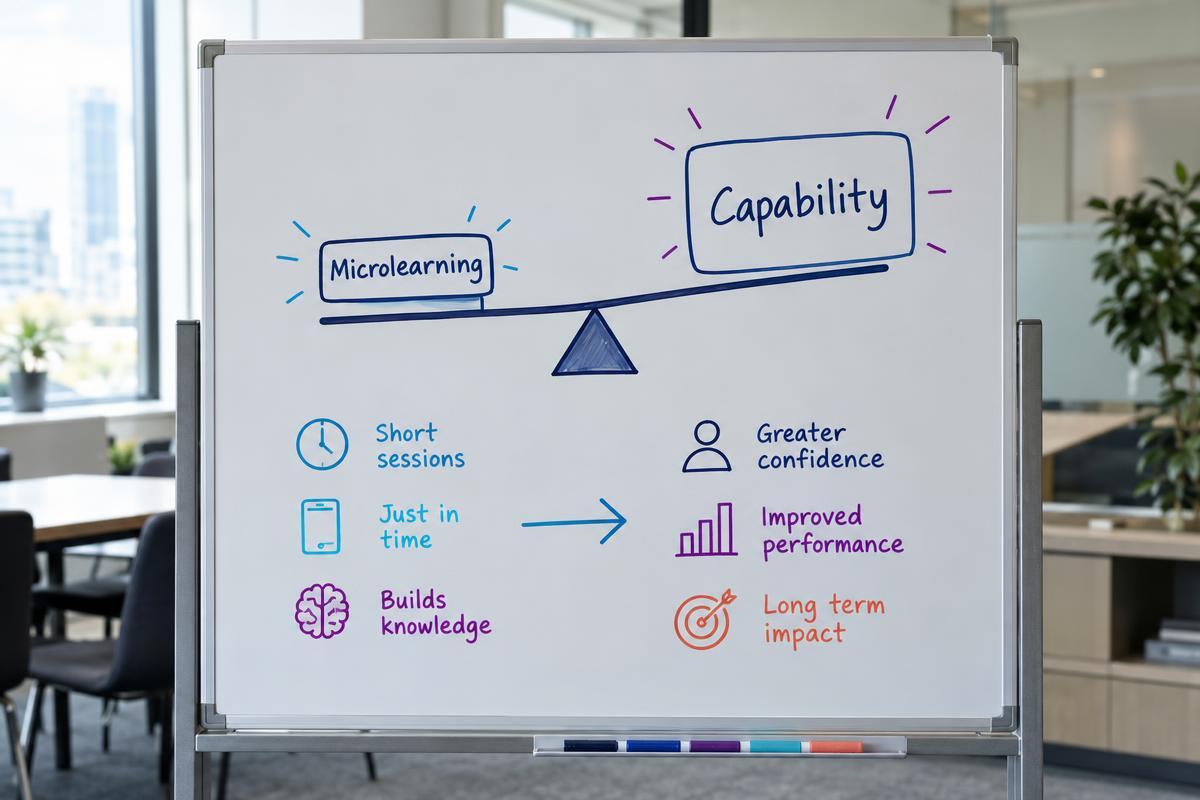
EdApp excels at microlearning. Microlearning delivers information in short and highly focused bursts. This format is right for teaching a barista how to clean an espresso machine or showing a retail worker how to process a refund.
However, mid-market human resources leaders often need more than task-based instruction. You need to identify performance gaps, build long-term capability and align learning with your organisational culture.
A traditional microlearning tool manages process risk. It proves that an employee clicked through a compliance module. A comprehensive workforce intelligence platform manages people insight risk. It helps you understand what drives your employees, how they learn best and whether your training actually improves team performance.
EdApp is a strong contender for mobile frontline training. When evaluating the best Australian LMS options for a mid-market team, it helps to compare features directly.
Some buyers look at alternatives like TalentLMS for rapid deployment. When reviewing TalentLMS pricing, you will find a mix of active user and flat-fee models to choose from. Others look at Docebo for enterprise scale, though Docebo pricing typically targets a significantly higher budget bracket.
| Platform | Price | Best for | Limits |
|---|---|---|---|
| Compono Develop | Custom quote based on size | Mid-market teams needing targeted capability building | Not designed for solo operators |
| EdApp (SafetyCulture) | From US$1.95 per active user | Mobile-first microlearning | Active user billing can cause invoice spikes |
| TalentLMS | From US$69 per month | Small businesses needing quick setup | Interface feels traditional compared to mobile-first apps |
Compono makes Compono Develop. We've included it and kept every entry's strengths and limits honest.
If you need a platform that tracks compliance, builds long-term capability and aligns learning with your team's natural work styles, our software provides a complete picture.
EdApp offers a free tier, but it is capped at a maximum of 10 users. If your team is larger than 10 people, you will need to purchase a paid subscription to deliver training to your workforce.
The platform uses a monthly active user model. You are billed based on the number of learners who actually log in and interact with a course during the billing month, rather than your total headcount.
They are the same platform. EdApp was acquired by SafetyCulture and the product is now integrated and sold under the SafetyCulture Training brand name.

Docebo is quote only, billed by active users. Vendr's data puts the median at US$42,019 a year (US$21,257 to $110,913). Tiers, fees and what to...

Discover the true cost of Litmos in 2026. We break down active user pricing, content bundles, hidden fees, and median contract values for mid-sized...

Choosing a blended learning platform for workplace training in 2026, with prices: TalentLMS from US$119 a month, 360Learning US$8 a user, Docebo by...
 Compono