


 Mathan Allington


How to post a job on LinkedIn: the complete 2026 guide
 Mathan Allington
Learn exactly how to post a job on LinkedIn manually or automatically through your ATS. Discover the best ways to attract and manage top talent in...

An eligible free LinkedIn job post costs exactly nothing in Australia, whilst a promoted listing typically costs between A$300 and A$1,500 for a 30-day campaign.
Last reviewed November 2026
Quick answer
- Price: Free for one basic listing, or a variable pay-per-click budget starting around A$10 daily for promoted posts.
- Best for: Finding passive candidates, senior professionals, and technical talent in the Australian market.
- Verdict: LinkedIn offers excellent precision targeting for competitive roles, provided you manage your daily budget carefully to avoid wasted spend.
Many Australian talent acquisition teams struggle to forecast their recruitment advertising spend. The shift away from flat-fee job boards to changing pricing models leaves hiring managers guessing what a single vacancy will cost them by the end of the month.
Traditional human resources systems track the budget, but they offer little insight into whether you are attracting the right people. Most technology focuses on process risk. You can see how many applications arrived, yet you remain blind to people insight risk until a new hire clashes with the team.
Understanding how LinkedIn prices its job advertisements helps you allocate your budget efficiently. When you combine smart spending with the right people intelligence tools, you build a high-performing team without draining your recruitment budget.
Before exploring the specific costs, you must understand the different posting options available to local employers. The platform offers a tiered approach depending on your hiring volume and urgency.
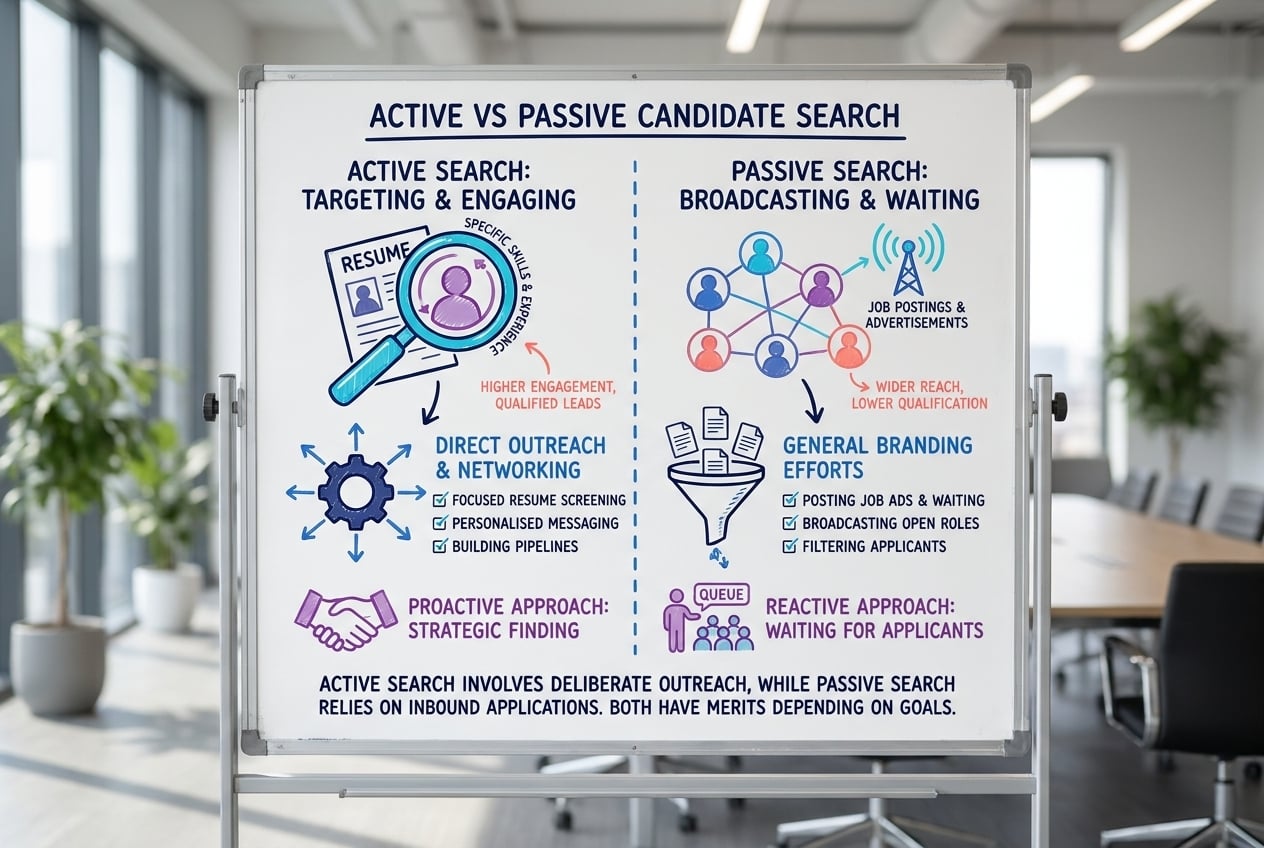
According to LinkedIn Talent Solutions, LinkedIn permits employers to post one job at a time for free; promotion is optional and is intended to increase visibility for competitive or urgent roles. This entry-level option works well for small businesses or roles with low market competition.
The second tier is the promoted job post. This uses a pay-per-click model where you set a daily budget. The platform pushes your advertisement to candidates who match the skills and experience you require.
The third tier involves enterprise agreements, commonly known as Job Slots or LinkedIn Hiring Pro. These are annual contracts designed for enterprise organisations with high-volume, continuous recruitment needs across multiple locations.
The exact cost of your advertising campaign depends entirely on the budget controls you put in place. LinkedIn Talent Solutions notes that an eligible free LinkedIn job post costs $0, while promoted posts use variable, employer-set budgets rather than a universal published price.
For a promoted campaign, Australian employers choose a daily maximum spend. A recent report by The Recruitment Alternative states that Australian employers can generally start a promoted LinkedIn campaign at roughly A$10, A$15 per day, equivalent to about A$300, A$450 over 30 days. This creates a predictable baseline for your recruitment marketing.
However, highly sought-after roles quickly consume larger budgets. The Recruitment Alternative also found that a promoted LinkedIn job advertisement in Australia typically costs about A$300, A$1,500 for 30 days, depending on seniority, targeting and location.
To put this into perspective, a LinkedIn worked example of a $10 daily budget for 30 days totals $300 or less, depending on reach. You only pay when a candidate clicks on your advertisement, meaning your actual spend might fall below your maximum limit if the role attracts fewer views.
Not all job advertisements consume their daily budget at the same rate. The platform uses a changing auction system to determine the cost per click based on real-time market demand.
LinkedIn Talent Solutions explains that promoted jobs are charged based on the number of clicks received, with pricing affected by role type, location and hiring demand. This means you will pay more to capture the attention of a software engineer in Sydney than an administrative assistant in regional Victoria.
Location is a primary driver of cost variation. Capital cities like Sydney, Melbourne and Brisbane have higher concentrations of employers bidding for the same talent pools. This intense competition naturally inflates the cost per click.
Role seniority also impacts your overall spend. Executive positions and highly specialised technical roles require sophisticated targeting. Because the pool of qualified candidates is smaller, securing their engagement requires a more aggressive daily budget.
When calculating your total recruitment spend, you must account for local tax regulations. Many overseas technology platforms handle Australian billing through international entities, which can cause confusion for local finance teams.
LinkedIn applies a 10 percent Goods and Services Tax (GST) to Australian customers. You must factor this additional cost into your daily budget calculations to ensure you do not exceed your total department allocation.
Employers should ensure their Australian Business Number (ABN) is correctly registered in their platform billing settings. This allows your finance team to accurately claim GST credits during their regular reporting cycles.
Australian employers have several strong options for job distribution. Comparing the commercial models helps you decide where to place your investment for the highest quality return.
| Platform | Pricing model | Best for |
|---|---|---|
| Pay-per-click (variable daily budget) | Passive candidates, corporate roles, networking | |
| SEEK | Variable flat fee based on salary and location | Active job seekers, broad market reach in Australia |
| Indeed AU | Pay-per-click (sponsored) or free basic listings | High-volume hiring, entry-level to mid-market roles |
SEEK remains a dominant force in the Australian market, pricing its advertisements based on the location and salary band of the role. A SEEK advertisement for a senior role in a major capital city will cost significantly more than an entry-level position in a regional town.
Whilst SEEK is excellent for active job seekers, LinkedIn excels at reaching passive candidates. LinkedIn Talent Solutions reports that promoted job posts can produce an average of 3x more qualified candidates in the hiring pipeline. This quality improvement often justifies the variable cost model.
Throwing money at a daily budget without a strategy rarely delivers a strong return on investment. You must actively manage your campaigns to lower your cost per click and improve candidate quality.
Start by writing a highly specific job title. Vague titles attract unqualified clicks, draining your budget rapidly. A clear, accurate title ensures only relevant candidates view your advertisement and trigger a charge.
Monitor your campaign daily during the first week. If your budget is exhausting by lunchtime, you may need to narrow your targeting criteria or increase your daily limit to capture afternoon traffic.
Always measure your time to hire alongside your advertising spend. A cheap job advertisement that takes three months to fill a role is far more expensive than a premium listing that secures a great candidate in two weeks.
Relying solely on paid advertisements for every new vacancy is an expensive strategy. Forward-thinking organisations focus on building a permanent talent pipeline to reduce their reliance on third-party job boards.
When you capture applicant data effectively, you create an internal database of qualified professionals. The next time a similar role opens, you can search your own talent pool before spending money on external promotion.
This approach requires technology that understands more than just a resume. Hiring on skills alone is like buying a house from the floor plan. You are missing the neighbourhood.
Managing multiple job boards manually wastes valuable administrative time. A modern applicant tracking system centralises your job distribution, allowing you to post to LinkedIn, SEEK and Indeed from a single dashboard.
This centralisation lets you track exactly which source delivers the highest quality candidates. You can stop spending money on channels that only generate noise and redirect your budget to platforms that deliver real results.
Compono Hire is an applicant tracking system (ATS) that matches candidates to culture, not just keywords. It integrates seamlessly with major job boards while applying our Work Personality framework to assess whether a candidate will truly thrive in your environment.
Organisations using this approach see measurable improvements. Using Compono Hire, The Coffee Club delivered consistent hiring standards across 400 outlets, achieving 8% lower turnover and earning a 4.8 out of 5 rating on Capterra.
Managing recruitment spend across multiple platforms is difficult when your technology only tracks the process. Compono Hire centralises your advertising campaigns and provides deep behavioural insights, ensuring you invest your budget in candidates who genuinely fit your culture.
Yes, LinkedIn applies a 10 percent Goods and Services Tax to Australian customers. You need to ensure your Australian Business Number is listed in your billing profile to manage your tax reporting correctly.
Yes, you can have one active free job post at a time. This listing will appear in search results, but it will not receive the targeted promotion or extended reach of a paid advertisement.
You set a daily maximum budget, and LinkedIn charges you a small amount each time a candidate clicks on your job advertisement. If your advertisement receives few clicks on a quiet day, you will be charged less than your daily maximum.
Pricing is changing and based on market competition. Major capital cities have more employers bidding for the same talent, which drives up the cost per click compared to regional locations.
Promoted posts are ideal for businesses with occasional hiring needs. Job Slots are enterprise contracts designed for organisations that need to maintain multiple, continuous job listings throughout the entire year.

Learn exactly how to post a job on LinkedIn manually or automatically through your ATS. Discover the best ways to attract and manage top talent in...

Compono Hire is our pick for the best ATS for small business in Australia, with JobAdder, Employment Hero and five more compared on fit, cost and...

ATS vs recruitment CRM explained for Australian businesses: what each does, why the divide is dissolving, and what to look for in 2026.