

.webp)

 Mathan Allington


Choosing the best hiring software Australia: A guide for modern teams
 Mathan Allington
How to choose hiring software in Australia: culture-fit assessment, objective scoring and candidate experience, with proof from Lyre's and The Coffee...
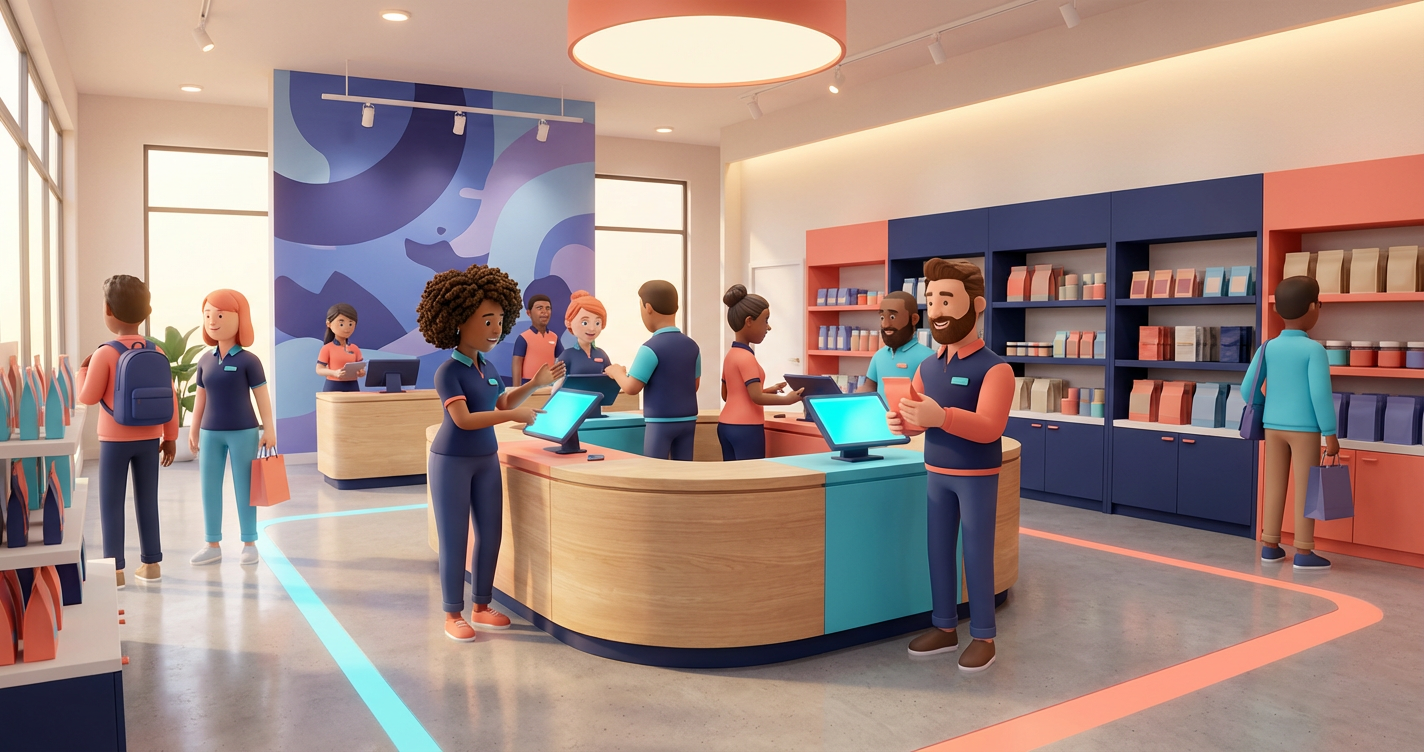
Franchise recruitment is the process of hiring people who meet one brand standard across many locations. The strategies that work are consistent: centralise your hiring process, define the work personality each role needs, assess every candidate against the same criteria, and build talent pools before vacancies open. Consistency is the whole game.
Last reviewed July 2026
Recruiting for a franchise is a different problem from hiring into a single head office. You are dealing with high-volume frontline roles, varied local labour markets and a brand promise that has to hold from one suburb to the next. One bad hire in one outlet can dent customer trust across the whole network.
Most franchise hiring problems trace back to the same pattern: reactive recruitment. A staff member resigns, the doors still need to open at 6am, and the manager hires whoever is available this week. This warm-body approach fills the roster while quietly eroding the brand. The fix is treating recruitment as a core business function with a standard process, rather than an administrative scramble.
The other failure mode is fragmentation. If one franchisee runs a rigorous vetting process while another hires on gut feel, the customer experience splinters, and no amount of operations manual can paper over it.

The strongest franchise networks centralise the hiring framework and localise the final decision. Head office defines the assessment criteria, the tools and the brand standards. Local managers run the interviews and make the call for their own team. Everyone measures candidates the same way.
This is how The Coffee Club approaches it, using Compono Hire to keep hiring consistent across 400 outlets. Every candidate is assessed against the same criteria no matter which location they apply to, so the standard travels with the brand instead of depending on which manager happens to be hiring that week.
Centralising also gives you evidence you cannot get any other way: which sourcing channels produce employees who stay, and where candidates drop out of your application process. That data lets you improve the process each quarter instead of repeating the same hiring mistakes network-wide.
Technical skills are half the picture in frontline hiring. The rest is work personality: the way someone naturally prefers to work. A fast-paced counter role suits a Doer, someone practical and efficient who gets real satisfaction from finishing things. A store manager role leans on the Coordinator's instinct for planning and keeping operations on schedule.
When you assess for these preferences before hiring, you place people in roles where the work itself suits them. That shows up in performance and, more importantly for a franchise, in retention. Compono Hire predicts culture fit, which means far fewer of the mis-hires that drive frontline churn.
Desperation is expensive. If the first time you look for candidates is the day someone resigns, you will always be choosing from whoever is available right now. Franchises that hire well maintain a standing pool of pre-vetted candidates who have already shown interest in the brand. When a vacancy opens at any location, you start with a warm shortlist instead of a blank job ad.
The application experience feeds this pool. Frontline candidates apply from their phones, often between shifts at their current job. If your process is slow or clunky, the best people (the ones with options) drop out. Keep the initial application short, make it mobile-first, and let the assessment do the heavy filtering once they are in the funnel.

Turnover is one of the biggest hidden costs in franchising. Between training time, lost productivity, recruitment fees and the load on the remaining team, every departure eats margin. The cheapest fix sits upstream: hire people whose natural work style matches the role, and they stay longer because the job suits them.
The Helper is a good example in service franchises. Their natural empathy makes them an asset in customer-facing teams, and they tend to stay where that strength is recognised. Identifying those traits at selection builds a workplace people do not want to leave.
Selection also sets up development. Once someone is in the door, tools like Compono Develop give franchise staff a visible growth path, which matters to anyone weighing up whether to stay for year two.
Compono Hire assesses every candidate against the same criteria, so your brand standard holds whether you run four outlets or 400.
Talk to usCentralise the framework and localise the decision. Head office sets the assessment criteria and the tools, while local managers run interviews and make the final call. Every candidate gets measured the same way regardless of location.
Fix selection first. Hiring people whose natural work preferences match the role is the strongest lever on retention, followed by giving staff a visible development path once they join.
It predicts how someone will actually behave on the job. Doers suit fast-paced operational roles and Helpers suit service-heavy customer work. Matching preference to role improves both performance and retention.
Both, in different parts. A hybrid model works best: head office provides the framework, standards and platform, and local managers handle interviews and final selection for their own team.

How to choose hiring software in Australia: culture-fit assessment, objective scoring and candidate experience, with proof from Lyre's and The Coffee...

How a competency framework builder works in security firms to map behaviours, standardise roles and improve hiring decisions.

Why the keywords vs fit debate is changing recruitment, and how to balance technical skills with organisational fit for better retention.
 Compono