

.webp)

 Mathan Allington
How to identify skills gaps in your team for better results
 Mathan Allington
Five practical steps to spot skills gaps in your team, from everyday warning signs to mapping the eight ways of work, and when to train or hire.

Yes, training improves performance, but only under specific conditions: it targets a real skill gap, matches how the individual naturally works, and gets applied on the job quickly with leadership support. Generic, untargeted training rarely moves performance at all. The difference is precision, not budget.
Last reviewed July 2026.
We have all sat through a generic workshop that feels miles away from our actual daily tasks. You leave with a thick folder of notes that finds its permanent home in a desk drawer. That is the great training disconnect. Whether training improves performance depends entirely on whether it is relevant, timely and aligned with how people actually work.
For many mid-sized organisations the problem is not a lack of desire to grow; it is a lack of precision. Without a clear understanding of the gaps in a team, training becomes a spray-and-pray exercise. Businesses spend thousands on leadership retreats or technical certifications without first asking whether those skills are what the team needs to hit its next milestone. Real returns come from targeted development, not generic programs.

Research consistently shows that when training aligns with organisational goals, the impact is significant. Effective training boosts confidence, reduces errors and increases employee engagement. When people feel their employer is invested in their professional growth, they go the extra mile.
The most successful teams treat training as a continuous cycle of assessment, learning and application rather than a one-time event. Focus development on high-impact work activities and every hour in the classroom translates to better outcomes on the floor. Knowing your team's natural tendencies is the advantage here: who is the hands-on doer, who leads change like a pioneer, and what each of them needs to grow.
One of the biggest hurdles to improving performance through training is the one-size-fits-all approach. Everyone learns differently because everyone is motivated by different work activities. A session built on rigid compliance and detailed reporting might be a dream for a natural auditor, but it will leave an energetic campaigner stifled and uninspired.
To answer whether training improves performance, look at the individual and the team together. The Compono Culture, Engagement & Performance Model identifies the eight key work activities that define high-performing teams: Doing, Auditing, Helping, Advising, Pioneering, Campaigning, Evaluating and Coordinating. If your team is missing a critical evaluating capability, training current staff to bridge that gap beats a general team-building day every time. Development stops being a perk and becomes a strategic lever for growth.

Training often fails not because the content is poor but because the environment does not allow for application. Leaders play a crucial role in making sure new skills are used immediately, which requires a shift from supervising to coaching. When a manager understands the work personality of each team member, they can provide the right support to make training stick.
A structured coordinator might need a clear plan for integrating new skills into their existing workflow, while a natural advisor may prefer to discuss new concepts in a collaborative setting first. Development works best when it is personalised. Compono Develop helps leaders identify these needs and build a growth roadmap that respects individual differences while lifting collective performance.
The skills gap is a moving target. Technology changes, markets shift, and the roles you hired for two years ago may look very different today. Data-driven insight shows you exactly where your teams stand, rather than relying on outdated resumes or gut feel.
Bringing in new skills is not only about external hiring. Often the talent you need is already in the building; it just needs the right development pathway. Hiring for fit gets the right people in the door, but ongoing development is what keeps them. A culture of continuous learning keeps your team ready for whatever comes next.
Compono Develop targets development at real gaps and matches it to each person's work personality, so learning turns into capability.
Talk to usTraining provides the tools for improvement, but results depend on the individual's motivation and the relevance of the content. Aligning training with a person's natural work personality significantly increases the likelihood of performance gains.
Measure productivity metrics, error rates and employee engagement scores. Comparing performance data before and after targeted development sessions gives the clearest picture of return on investment.
Training that strengthens the eight key work activities: Doing, Auditing, Helping, Advising, Pioneering, Campaigning, Evaluating and Coordinating. Identify which of these is a gap in your team and target it for the biggest impact.
The usual causes are lack of relevance, poor timing, or no opportunity to apply the new skills. Without leadership support and a clear application plan, new knowledge is quickly forgotten.
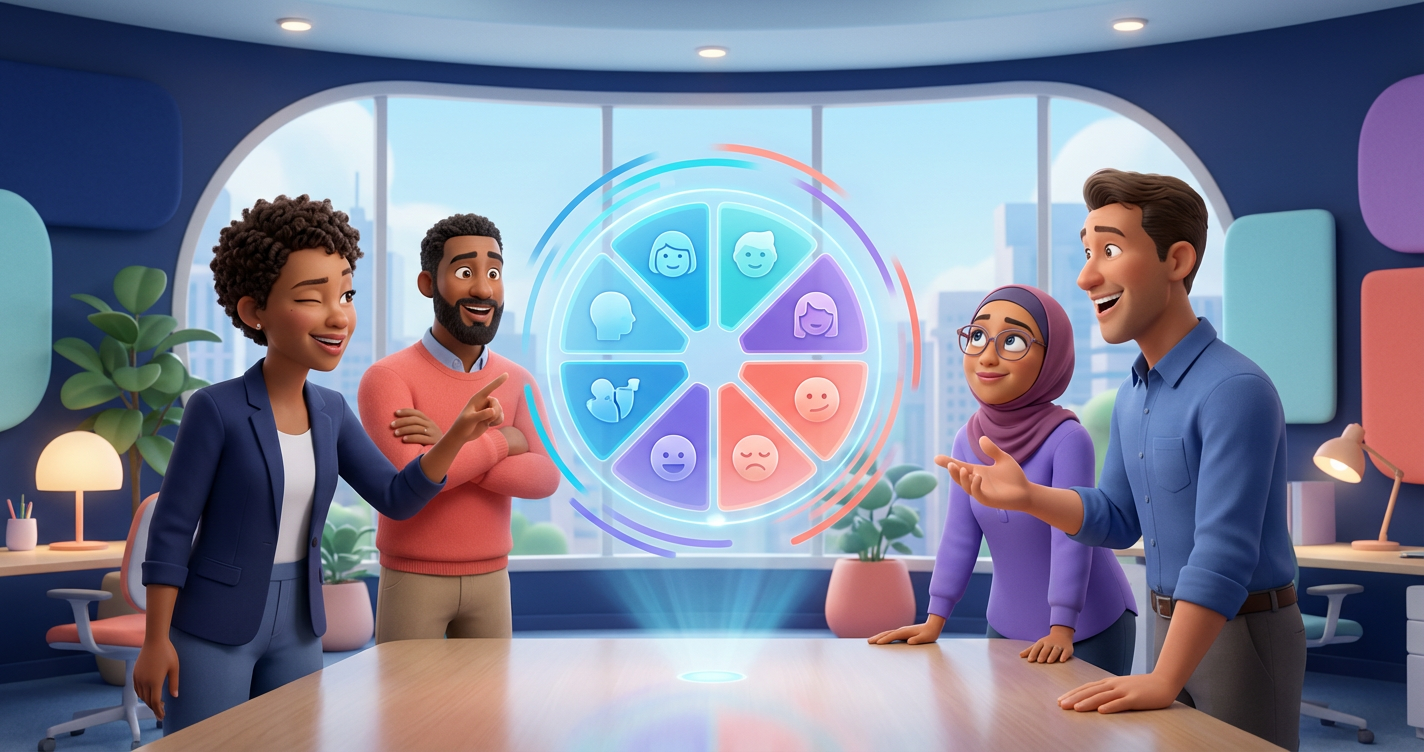
Five practical steps to spot skills gaps in your team, from everyday warning signs to mapping the eight ways of work, and when to train or hire.

Discover how to measure team competence using data-driven insights and work personality mapping. Learn how to identify skills gaps and boost...

How to build employee skill development that holds: map capability gaps, match learning to work personality, and measure application, not completions.
 Compono