

.webp)

 Mathan Allington


1 min read
HR leader tools: why process-first tech is incomplete
 Compono
People problems are real. They come from tools that manage process but ignore decisions. If you are an HR leader in today's workplace, you have...
An intelligent HR platform improves team performance by layering behavioural science over your people data: mapping the work personalities in each team, flagging gaps before projects start, connecting engagement scores to their causes, and scoring candidates against what the team is actually missing. It turns people management from reaction and luck into evidence-based design.
Last reviewed July 2026.
Most HR leaders are swimming in data yet starved of insight. Spreadsheets full of turnover rates and engagement scores are lagging indicators. They tell you what happened last month, not what will happen next week.
Managing people without that forward view means reacting to problems instead of preventing them. A team starts missing deadlines and you assume workload. A star employee resigns and you assume salary. In reality, the root cause is often a misalignment between work preferences and the actual tasks at hand.
At Compono we have spent over a decade researching high-performing teams. The friction most managers experience is not a lack of talent. It is a lack of visibility into how that talent naturally wants to work. Without it, even highly skilled people struggle to collaborate.

There is a real difference between a standard human resources information system (HRIS) and an intelligent HR platform. Basic systems are digital filing: contracts, leave, payroll. Essential, but they do not help you build a better team.
An intelligent platform layers psychological insight and behavioural data over your organisational structure to explain the why behind performance. If a project needs heavy detail work and the assigned team is made up entirely of big-picture visionaries, an intelligent system flags the gap before the project starts, not at the post-mortem.
That is the layer Compono adds. The platform does not just store employee records. It shows you the natural work personalities in the business so you can align the right people with the right challenges.
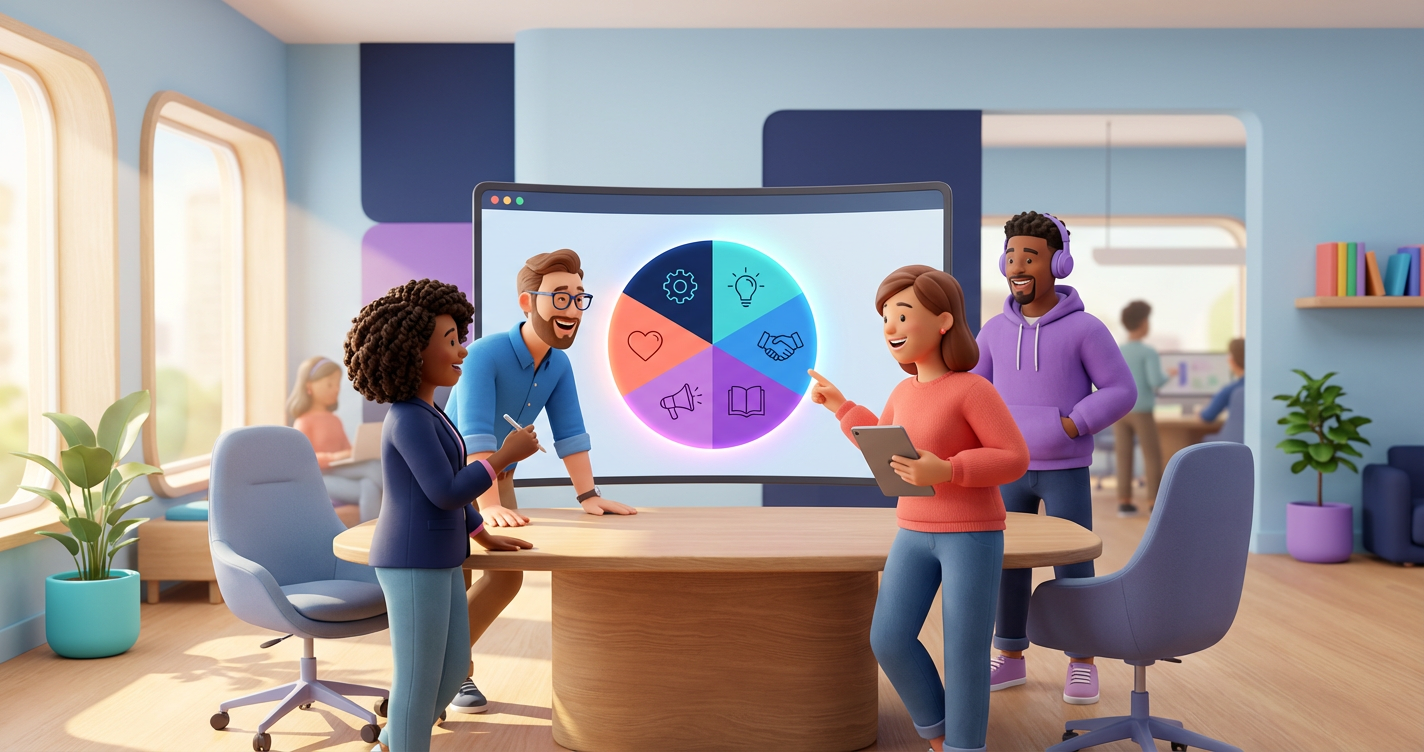
Our research identifies eight work activities every successful team must cover, and every individual has a dominant preference, their work personality.
Consider the Campaigner, who brings energy and persuades others. They sell the dream. Contrast the Auditor, who focuses on precision, standards and detail. A team with too many Campaigners has great ideas but struggles to execute. A team of Auditors is accurate but short on momentum.
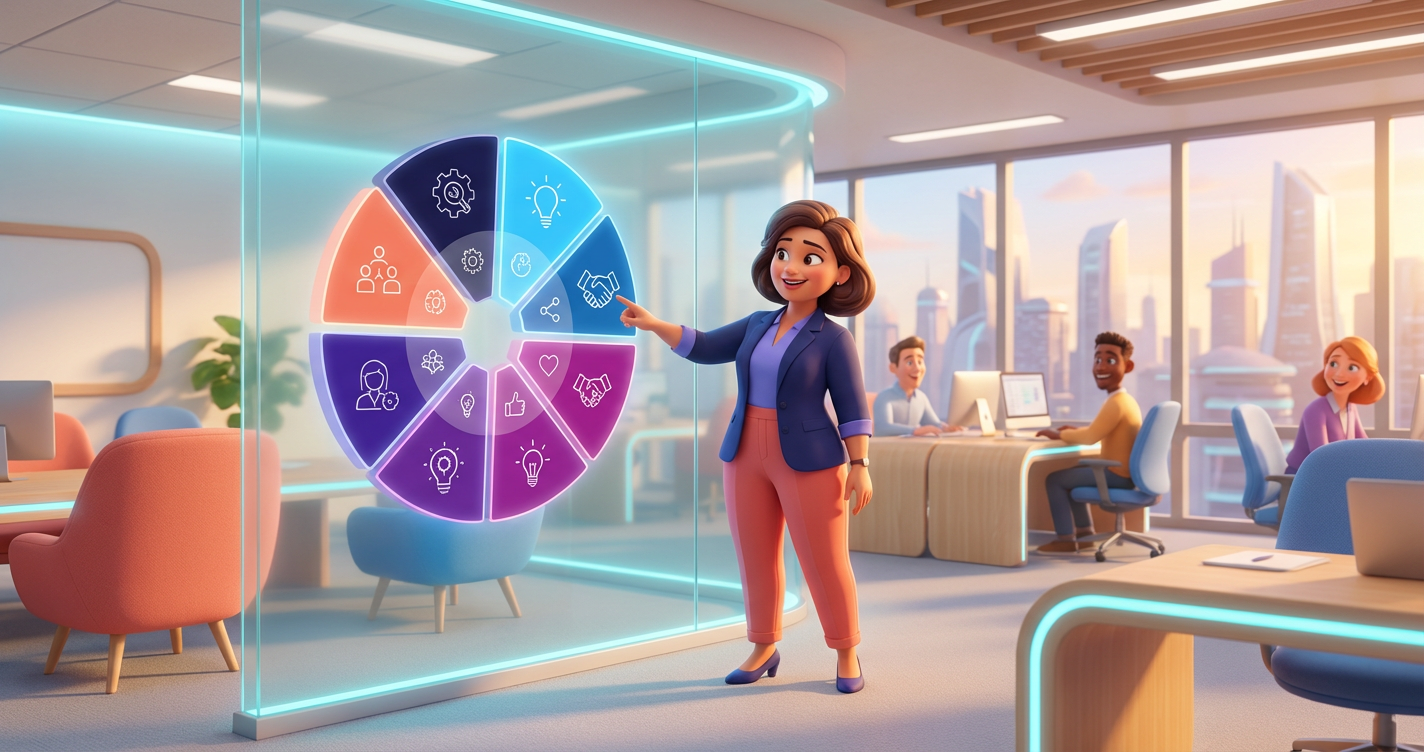
An intelligent platform maps these personalities across the organisation. You can see at a glance whether your leadership team leans too hard one way, or whether a department is missing the Doer or Evaluator needed to get projects across the line. That visibility is what turns HR from a support function into a strategic one.
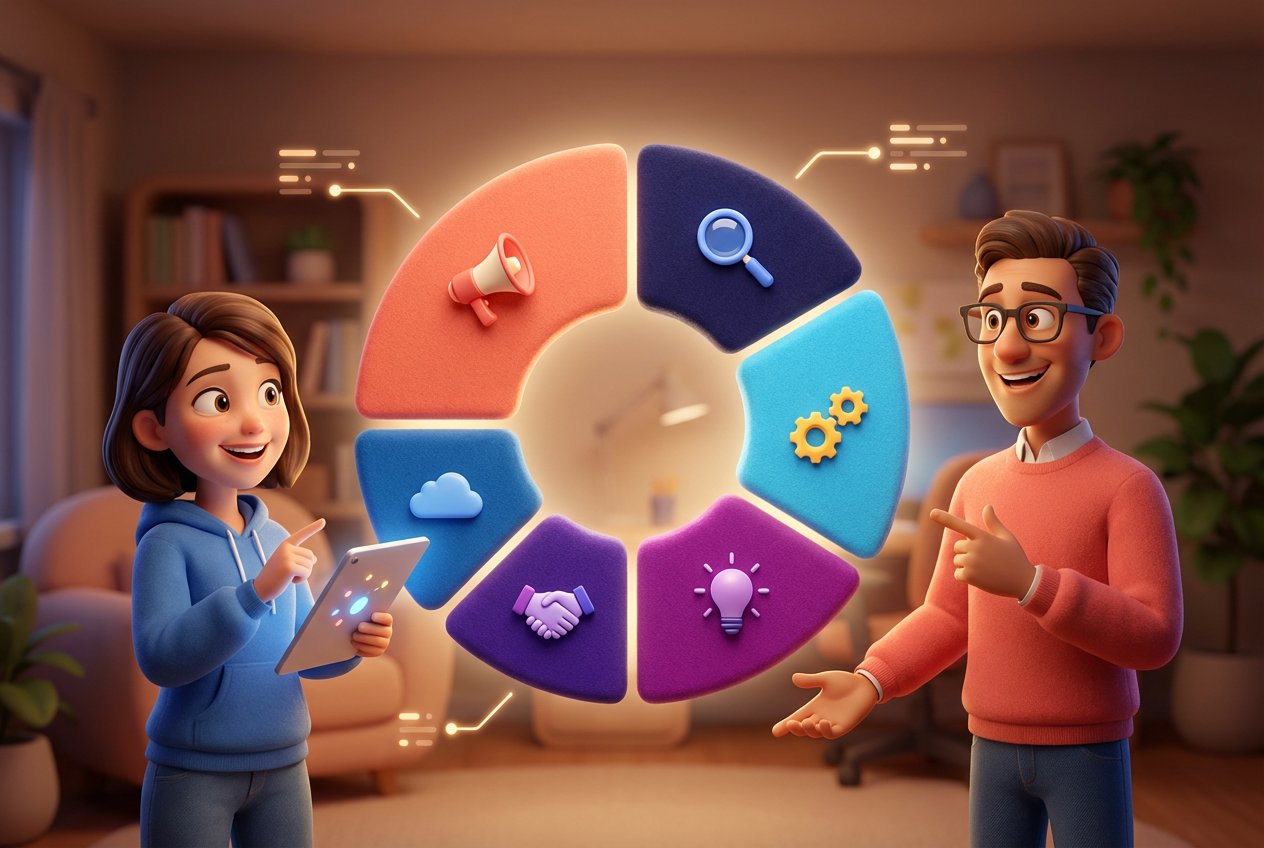
Engagement gets labelled a soft metric, but it carries hard costs. Disengaged employees produce less and leave sooner, triggering expensive recruitment cycles. Traditional surveys fail because they ask how people feel without explaining why.
Connect engagement levels to work preferences and the why appears. If a Pioneer who thrives on innovation is stuck doing repetitive admin, their engagement will plummet. That is not a culture problem. It is a role alignment problem, and it has a specific fix.
Compono Engage moves you past satisfaction scores to the specific performance drivers for each individual, so managers can have better conversations and make small workflow adjustments that produce outsized gains in morale and retention.
Most hiring asks whether a candidate can do the job. Skills matter, but they do not guarantee fit with the existing team dynamic. An intelligent platform reframes the task from hiring a person to designing a team.
Say you are hiring a project manager and three candidates have identical experience. Your team is already full of Advisors and Helpers. You do not need another collaborator. You need a Coordinator who will enforce deadlines and set priorities. Compono Hire lets you select the work personality the role needs and ranks candidates on how well they fill that gap, so each hire is a performance fit, not a vague culture fit.
Managers are now expected to be people scientists without psychology training. They need tools that translate behavioural data into simple, usable advice. An intelligent platform acts as a digital coach: lead with logic and data when briefing an Evaluator, lead with the big-picture vision when winning over a Campaigner.
This spreads expertise that used to be reserved for executive coaching to every team lead in the business. When collaboration runs on evidence rather than assumption, the whole organisation gets more resilient. You can experience the underlying model yourself with the free work personality assessment.
Map the work personalities in your business and find the gaps holding performance back, all in one people intelligence platform.
Talk to usAn intelligent HR platform goes beyond data storage. It uses behavioural science and personality assessment to show how people work best together, helping leaders make evidence-based decisions about hiring, engagement and team design.
Every team needs a balance of work activities such as Evaluating, Doing and Campaigning. When a team is missing a specific work personality, blind spots, missed deadlines or stalled innovation follow. Mapping the team reveals and fills those gaps.
Yes. Understanding each employee's natural work preferences lets you keep them in roles that energise them. An intelligent platform flags the misalignments that cause disengagement, so you can intervene before someone decides to leave.
Traditional recruitment leans on resumes and gut feel. Data-driven hiring assesses how a candidate's work personality will complement the existing team, so each hire brings the specific traits the team needs to succeed.

1 min read
People problems are real. They come from tools that manage process but ignore decisions. If you are an HR leader in today's workplace, you have...

1 min read
Innovation and collaboration are linked because innovation is almost never a solo act. New ideas come from people with different perspectives working...
 Mathan Allington