


 Mathan Allington
Best Maki People alternatives for 2026: a buyer's guide
 Mathan Allington
Explore the top Maki People alternatives in 2026. Compare pricing, ATS integrations, and behavioural assessment capabilities for mid-market HR teams.

The best Culture Index alternatives offer transparent software, intuitive candidate experiences and integrated hiring data without forcing HR teams to rely on expensive certified consultants to interpret the results.
Last reviewed October 2026
Quick answer
- Price: Most legacy assessment vendors hide their pricing and require expensive ongoing consultant retainers. Modern platforms offer transparent software-as-a-service models based on business size or hiring volume.
- Best for: Mid-market HR teams wanting to combine candidate tracking, behavioural science and culture fit into one process.
- Verdict: Compono Hire leads the market by replacing isolated personality tests with a complete applicant tracking system that measures culture fit automatically.
Organisations adopted tools like Culture Index because they wanted predictability in hiring. The premise was simple. If you can map human behaviour, you can match people to the right roles and build stronger teams. That underlying behavioural science remains valuable. The delivery model is what creates friction for modern businesses.
Traditional assessment tools operate on a consultancy model. You buy the software, but the software is deliberately complex. To actually use the data for hiring decisions, your team members must become certified advisors or you must pay an external consultant to translate the results. This approach traps HR leaders in a bottleneck. When a hiring manager needs to move quickly on a candidate, waiting three days for a consultant to interpret a dot plot costs you top talent.
Legacy platforms also focus entirely on people insight risk while ignoring process risk. They tell you about a candidate's traits but they sit entirely outside your applicant tracking system. This creates a disconnected process where recruiters manually cross-reference personality reports against resumes in completely different systems.
In 2026, HR technology needs to handle both risks at once. You need a system that tracks applications, manages compliance and provides clear people insights in the exact place where you make the hiring decision.
When you evaluate alternatives to older behavioural assessments, the software must solve for speed, independence and candidate experience. You are looking for a platform that your internal team can use confidently without external hand-holding.
The biggest shift in HR technology is the move from gated expertise to embedded intelligence. Modern assessment platforms build the interpretation directly into the software. Instead of generating abstract graphs that require a certification to decode, the tool should tell you exactly how a candidate matches the role and the culture.
This independence changes the pricing model entirely. You should expect software pricing, not consultancy pricing. Look for vendors who provide clear subscription models based on your company size or hiring volume. You should not have to pay mandatory certification fees just to read your own candidate data.
Your assessment tool is an extension of your employer brand. Candidates today have little patience for 45-minute tests that ask repetitive, intrusive questions. Long assessments cause massive drop-off rates, especially in tight talent markets where top candidates have multiple offers.
Speed and relevance matter. The best alternatives gather valid behavioural data in under ten minutes. They respect the candidate's time and often provide immediate, automated feedback to the applicant so they get something valuable out of the process.
A single personality profile gives you an incomplete picture. You need to know if someone has the skills for the job, the qualifications for compliance and the behaviours that fit your specific company culture. Relying entirely on a personality test is dangerous. A meta-analysis spanning 38 years of research found an overall corrected validity of 0.22 for personality tests, supporting their use as one hiring input rather than a standalone decision tool (MyCulture.ai).
Compono Hire is a complete applicant tracking system that manages process risk and people insight risk in one place. Instead of running a separate behavioural test after you shortlist candidates, Compono assesses culture fit, skills and qualifications from the moment they apply. The platform uses data to show you exactly who will thrive in your specific work environment without requiring you to hire an external consultant to interpret the results.
By standardising how candidates are measured, Compono delivers repeatable hiring outcomes. For example, The Coffee Club uses Compono Hire to apply one consistent hiring standard across more than 400 stores. This approach results in better quality hires and typically an 8% or greater reduction in staff turnover. The platform currently holds a 4.8 out of 5 rating on Capterra.
The Predictive Index offers a six-minute behavioural assessment with job-target benchmarking as a Culture Index alternative (MyCulture.ai). It is a well-known legacy player in the assessment space, providing quick behavioural profiles and cognitive tests. Like Culture Index, it focuses heavily on mapping abstract drives and needs.
The system is fast for candidates and offers a wide range of team design and hiring modules. However, businesses evaluating The Predictive Index must account for the partner model. Many organisations find they need ongoing consultant support to translate the behavioural patterns into practical hiring decisions.
Talen.to focuses on speed and established psychological frameworks. Talen.to uses the OCEAN/Big Five personality model, a five-minute assessment, and self-serve reporting as an alternative to Culture Index's proprietary trait system (Talen.to). This makes it highly accessible for companies that want to move away from confusing proprietary jargon and use a globally understood personality standard.
The self-serve reporting removes the need for consultants. The challenge for HR teams is that Talen.to sits outside the core hiring workflow. You still have to integrate it with your existing ATS to manage the actual recruitment process.
Marlee takes a different approach by focusing heavily on coaching and personal development rather than just pre-hire screening. It maps individual motivations and work styles, offering AI-driven debriefs that help people understand how they work best. This is a strong option for teams looking to invest in continuous feedback and management coaching.
While useful for development, Marlee is less suited to being the primary compliance and tracking engine for a high-volume talent acquisition team. It works best as an internal development tool rather than a strict hiring gate.
Criteria Corp provides a massive library of cognitive, personality and skills assessments. If you need to test a candidate's typing speed, numerical reasoning and behavioural traits at the same time, Criteria offers those modules. This flexibility makes it a powerful standalone assessment suite.
The main drawback is candidate experience. Without careful governance, hiring managers tend to assign too many tests to a single role. This inflates the time required to apply and drives top talent away to competitors with faster application processes.
Understanding how these tools stack up requires looking at their core delivery models. The table below compares the primary alternatives on assessment speed, software independence and platform type.
| Vendor | Assessment Focus | Requires Consultant | Full ATS Included |
|---|---|---|---|
| Compono Hire | Culture, skills and qualifications | No | Yes |
| The Predictive Index | Behaviour and cognitive drives | Often | No |
| Talen.to | OCEAN/Big Five personality | No | No |
| Marlee | Motivations and coaching | No | No |
| Criteria Corp | Aptitude, skills and personality | No | No |
Compono makes Compono Hire. We've included it and kept every entry's strengths and limits honest.
Moving away from legacy assessments gives you the chance to upgrade your scientific frameworks. Many traditional platforms rely on models developed decades ago. Today, organisational psychology demands broader, more inclusive data sets.
Modern science understands that culture and behaviour are not static. For example, a 2025 study created an individualism-collectivism index covering 102 countries using World Values Survey and European Values Study data, offering a more current alternative to older cultural frameworks (CultureFlow). Relying on a single proprietary behavioural model isolates you from this broader, peer-reviewed progress.
To hire effectively, you need an approach that evaluates multiple dimensions of a person. You need to know their qualifications, their practical skills and how their working style fits your team environment. A tool that only measures abstract behavioural drives will only ever give you half the picture. The best platforms combine these dimensions into one free culture fit assessment or an integrated scoring key so you can make confident, evidence-based decisions.
Using personality assessments for hiring introduces compliance responsibilities. Equal Employment Opportunity Commission (EEOC) guidelines and global fair work laws require that any test used in hiring must be strictly relevant to the job and free from adverse impact.
Legacy tools that rely on subjective consultant interpretations create legal risk. When a consultant looks at a graph and tells a hiring manager that a candidate is a poor fit based on abstract traits, the business struggles to defend that decision if challenged. Subjectivity opens the door to unconscious bias.
Modern alternatives solve this through structured data and clear job mapping. When you use software that benchmarks a specific role and measures candidates objectively against that standard, your hiring process becomes highly defensible. The software provides an auditable trail showing exactly why one candidate scored higher on role fit than another. This protects the business and ensures a fairer process for all applicants.
One common mistake companies make is trying to use a pre-hire behavioural assessment to measure ongoing employee engagement. These are two completely different problems requiring different tools.
A behavioural assessment tells you how a person prefers to work. It does not tell you if they are currently happy, burnt out or lacking the right tools to do their job. To understand the ongoing health of your team, you need dedicated engagement and culture measurement tools.
For example, Gallup's Q12 engagement survey contains 12 core items plus nearly 400 additional validated questions covering leadership, culture, AI adoption, and remote work (Gallup). This kind of ongoing diagnostic work requires continuous listening platforms. Do not expect a single personality test taken during recruitment to serve as your entire talent management strategy.
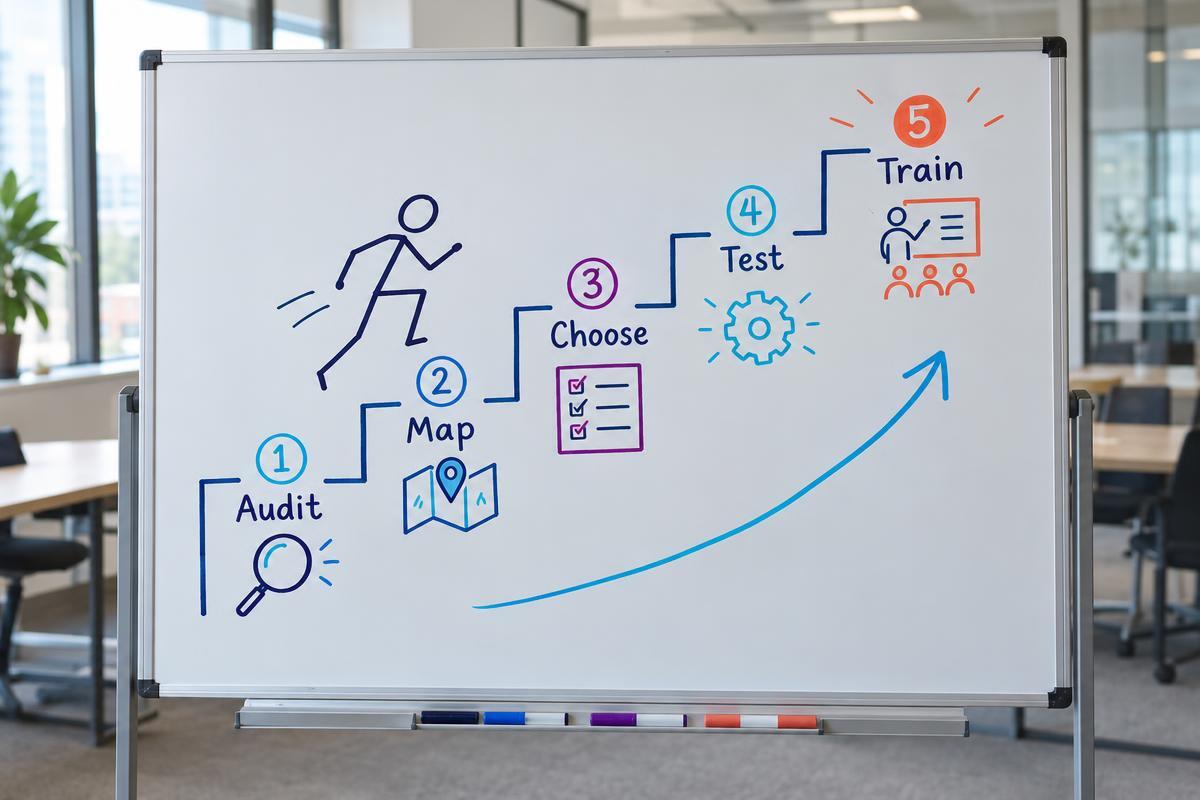
Transitioning away from a legacy assessment vendor requires a clear plan. You are not just changing software. You are changing how your hiring managers think about candidate data. Follow this structured approach to ensure a smooth transition.
Review exactly where and how your current assessment tool is used. Is it applied to every role or only executive hires? Are hiring managers actually reading the consultant reports, or do they ignore them? Understanding your current usage highlights exactly what functionality you need to replace and what expensive extras you can discard.
Evaluate Predictive Index alternatives and other modern platforms that remove the consultant bottleneck. Look for software that integrates the behavioural data directly into your applicant tracking system. This ensures the data is available to hiring managers exactly when they review resumes.
Before rolling out the new tool to candidates, establish your new benchmarks. The best platforms allow you to assess your current top performers to create a baseline for what success looks like in your specific culture. This gives you a data-driven standard to measure new applicants against.
During the final month of your old contract, run both systems simultaneously on a small subset of roles. Compare the candidate experience, the time to hire and the quality of the insights provided to the hiring manager. This builds confidence in the new system and proves its value to the executive team.
Your hiring managers no longer need to rely on a consultant to tell them who to hire. Train them on how to read the new software dashboards. Show them how to use the built-in interview guides that modern platforms generate based on a candidate's specific culture fit score. When managers see how much faster they can move, adoption happens naturally.
The primary reason HR teams abandon legacy tests is candidate feedback. In a competitive market, a clunky, hour-long psychological assessment signals to the candidate that your company uses outdated technology and does not value their time.
Modern platforms respect the applicant. They gather necessary data quickly, using mobile-friendly interfaces that candidates can complete on their commute. They also frame the questions around workplace behaviour rather than abstract psychological scenarios. When candidates feel the assessment is highly relevant to the job they applied for, completion rates rise and your employer brand strengthens.
The right alternative gives you deep insight into how a person works without alienating them before the first interview. It balances the company's need for predictive data with the candidate's need for a respectful, efficient process. If you want to dive deeper into other assessment options, you can explore the best Criteria Corp alternatives to round out your market research.
If you want to stop paying consultant fees to understand your own candidates, you need a system that builds culture matching directly into your recruitment process.
Culture Index is primarily a standalone behavioural assessment that often requires certified consultants to interpret the results. Modern applicant tracking systems handle both the recruitment workflow and the culture assessment automatically, giving hiring managers immediate, clear data without external fees.
Personality tests alone are poor predictors of success. Research shows they have a low overall validity when used in isolation. To predict performance accurately, you must measure a candidate's behaviours, their practical skills and their alignment with your specific company culture.
Moving to a modern platform speeds up your hiring process. Legacy tools delay decisions by forcing you to wait for third-party debriefs. A modern ATS provides instant culture fit scores as soon as the candidate applies, allowing you to shortlist top talent immediately.
Candidates strongly prefer modern tools. They take five to ten minutes to complete, use mobile-friendly interfaces and ask highly relevant workplace questions. This improves completion rates drastically compared to older, hour-long psychological tests.
No. A hiring assessment measures a person's working style and culture fit. It does not track their current morale or engagement levels. To understand how your team feels right now, you need dedicated employee engagement software that uses continuous feedback and validated surveys.
Explore the top Maki People alternatives in 2026. Compare pricing, ATS integrations, and behavioural assessment capabilities for mid-market HR teams.
Compare the best Testlify alternatives for 2026. Discover how top assessment platforms manage recruitment costs, evaluate skills, and measure culture...

How a behavioural assessment for hiring predicts job performance, reduces bias, and helps you build teams that work well together.