

.png?width=383&height=200&name=team%20(1).png)
 Compono


1 min read
Culture management software: how to build high-performing teams
 Compono
Culture management software is a digital solution designed to help organisations measure, analyse, and influence the shared values and behaviours...
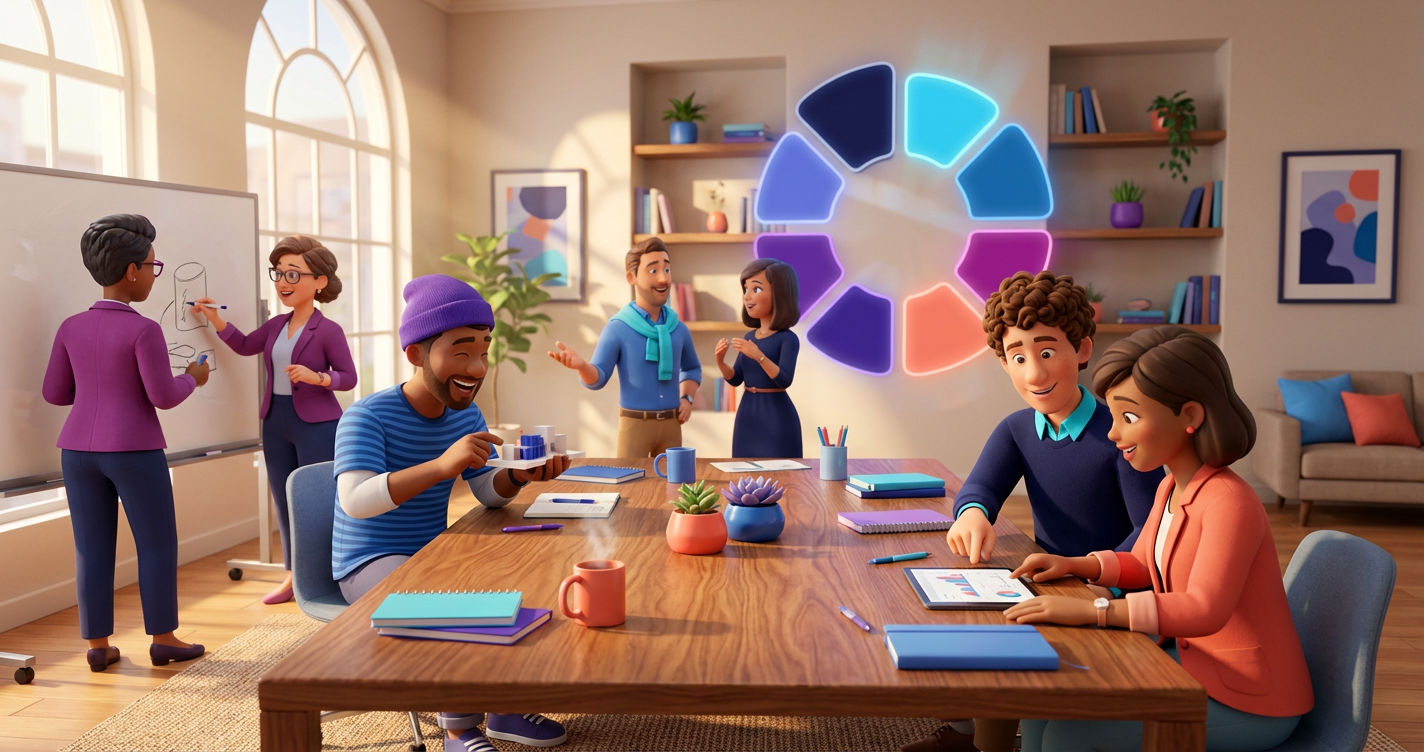
Building a thriving workplace isn't about office perks or colourful beanbags – it’s about the underlying behaviours and values that drive how your people work together every day. Effective company culture development creates a sense of belonging and purpose that directly impacts your bottom line and employee retention.
Many leaders treat culture as a vague concept that happens by accident, rather than a strategic asset that requires intentional design. When culture is left to chance, silos form, communication breaks down, and your best talent starts looking for the exit. We see this often in modern teams where the 'vibe' feels off, but nobody can quite put their finger on why.
At Compono, we believe that culture is the sum of the work individuals do and how they interact. It isn't just about what you say in your mission statement; it's about what your employees do when no one is watching. Developing this intentionally requires a deep understanding of the people within your organisation and the natural work preferences they bring to the table.
If you've noticed a dip in engagement or a lack of alignment on key projects, it's likely a sign that your culture needs a refresh. The good news is that culture isn't static. It can be analysed, measured, and evolved using evidence-based frameworks that move beyond guesswork and into the realm of people intelligence.
To develop a strong culture, you first need to understand the unique mix of individuals in your team. Every person has a dominant work personality that influences how they approach tasks and collaborate with others. When you align these natural preferences with your company values, you create a culture that feels authentic and sustainable.
For example, The Pioneer thrives on innovation and doing things differently. If your culture development goals include driving more creative solutions, you need to ensure these individuals have the autonomy to explore new ideas. Conversely, if your team is mostly comprised of Auditors, your culture will naturally lean towards precision, methodical work, and high attention to detail.
Recognising these differences allows you to build a diverse culture where different strengths are celebrated rather than stifled. At Compono, we’ve spent over a decade researching how these personality types interact to form high-performing team environments. By mapping these preferences, you can identify cultural gaps – like a lack of 'big picture' thinking or a need for more empathetic support – and address them through targeted hiring and development.
Leadership is the primary driver of company culture development. The way you lead – whether it’s directive, democratic, or non-directive – sets the tone for the entire organisation. If your goal is to foster a culture of collaboration and empowerment, your leadership style needs to reflect those values consistently.
Consider The Campaigner leader. They are naturally enthusiastic and visionary, excellent at 'selling the dream' and motivating the team towards a future goal. This style is fantastic for building a high-energy, growth-oriented culture. However, they might need to balance this with the input of The Evaluator to ensure that cultural initiatives are grounded in logic and measurable results.
We often find that the most successful cultures are those where leaders are self-aware enough to adapt their style. You might need to be directive during a crisis but shift to a democratic approach when brainstorming new cultural initiatives. This flexibility ensures that the culture remains resilient and inclusive of all personality types, from the vocal promoters to the quiet, methodical contributors.

Culture and engagement are two sides of the same coin. You cannot have a high-performance culture without highly engaged employees. Engagement is the emotional commitment an employee has to the organisation and its goals. When people feel that their work personality is understood and valued, their engagement naturally rises.
To keep a pulse on your cultural health, you need to move beyond the annual survey. Real-time insights into how your teams are feeling and performing are essential for modern company culture development. This is where Compono Engage comes in, helping you measure and improve team performance by understanding the underlying drivers of engagement within your unique workforce.
When you focus on engagement, you’re essentially maintaining the 'engine' of your culture. This involves checking in on team morale, resolving conflicts before they escalate, and ensuring that every team member – whether they are Helpers or Doers – feels they have the support they need to succeed. A healthy culture is one where feedback is a two-way street and successes are celebrated collectively.
Company culture development shouldn't stop once a new hire is through the door. A truly high-performing culture is one that prioritises growth and learning. When employees see a clear path for their personal and professional development, they are more likely to stay committed to the organisation's long-term vision.
This means creating opportunities for people to expand their skills in ways that align with their natural work preferences. For instance, Advisors might flourish in mentorship roles, while Coordinators might find satisfaction in leading complex project implementations. By tailoring development plans to the individual, you reinforce a culture that values the person, not just the output.
You can facilitate this growth by using tools like Compono Develop, which allows you to create personalised learning journeys that keep your team's skills sharp and aligned with your cultural objectives. When learning becomes a core part of your cultural identity, your organisation becomes more adaptable and better equipped to handle the challenges of the modern workplace.
The first step is gaining a deep understanding of your current state. This involves assessing the work personality types within your team and identifying the existing values – both stated and unstated – that drive behaviour today.
Leaders act as cultural architects. A directive leader creates a culture of structure and efficiency, while a democratic leader fosters collaboration. The key is ensuring your leadership behaviour matches the culture you want to build.
Yes, culture can be measured through engagement metrics, retention rates, and by analysing the alignment between employee work preferences and organisational goals using platforms like Compono.
Culture is evergreen, but your strategy should be reviewed at least annually. However, engagement levels should be monitored much more frequently to ensure your cultural initiatives are actually having the desired effect.
Hiring is critical. It’s not just about 'culture fit', which can lead to lack of diversity, but about 'culture add' – finding individuals whose work personality fills a gap or strengthens your existing team dynamics.
1 min read
Culture management software is a digital solution designed to help organisations measure, analyse, and influence the shared values and behaviours...

1 min read
An enterprise learning platform is a centralised digital ecosystem designed to manage, deliver, and track professional development across a...

1 min read
How would you describe your company’s culture? Collaborative, innovative, fast-paced? Now, how confident are you that your job ads and website...
 Mathan Allington