


 Mathan Allington


Udemy Business pricing 2026: actual costs and negotiation
 Mathan Allington
Actual Udemy Business pricing in 2026, from Team Plan thresholds to Enterprise quotes. Get negotiation tactics and total cost of ownership insights.

Coassemble pricing starts at $250 per month for the Build plan, increases to $500 per month for the Scale plan, and reaches $2,000 per month for the Strategic Partner tier.
Last reviewed November 2026
Quick answer
- Price: The Build plan costs $250 per month, the Scale plan costs $500 per month, and the Strategic Partner plan starts at $2,000 per month.
- Best for: Software development teams wanting to embed training natively into their own applications using an API.
- Verdict: Coassemble offers a powerful API-first training infrastructure, but human resources teams looking for a ready-to-use learning management system will find the usage limits and developer requirements restrictive.
The learning technology market looks completely different today than it did a few years ago. Many vendors have shifted away from the traditional model where you simply buy a software portal and assign courses to your staff. Coassemble changed its entire architecture to become an API-first training platform. This means you are no longer buying a standalone website for your team to visit. You are buying the underlying code and infrastructure to embed training directly into your own software products.
For software developers and product managers, this shift offers incredible flexibility. They can pipe learning modules natively into their applications. However, this architectural change creates confusion for human resources teams and people leaders who just want a working platform to train their workforce. Buyers looking for standard compliance tracking or employee onboarding courses often find themselves staring at API documentation instead of a simple user dashboard.
We see many leaders struggle to accurately forecast their total cost of ownership under this new infrastructure model. Traditional platforms charge a flat fee per seat. Infrastructure platforms charge based on data usage, API calls, identified user limits, and artificial intelligence generation caps. If you do not understand these metrics, your monthly software bill will escalate quickly.
This guide breaks down exactly what you get for your money. We cover the current pricing tiers, the hidden technical limits, and whether an API-first tool is the right fit for your organisation.
Understanding the current pricing model requires a mindset shift. You are purchasing a developer toolkit alongside a learning engine. Because of this architectural choice, every plan includes the complete platform and full API capabilities. According to Coassemble, the pricing differences are based on usage allowances, infrastructure, contract terms, and support rather than withheld features.
This approach differs from traditional vendors who lock premium features behind enterprise plans. With an API-first product, the vendor wants you to integrate deeply with their code. The more you integrate, the more data you consume, which inevitably pushes you into higher usage tiers.
The entry-level tier targets early-stage startups and development teams building their first embedded learning experiences. Coassemble notes that the Build plan costs $250 per month and includes 600 identified recipients and 12,000 anonymous recipients per year.
A limit of 600 identified users is extremely tight for a growing business. An identified recipient is a specific user who logs in, tracks their progress, and saves their completion data. If you are a mid-market company with 400 employees, you will consume almost your entire allowance just delivering annual compliance training. Anonymous recipients are users who view public content without logging in. This is useful for public knowledge bases, but it offers zero value for mandatory corporate training where completion records are a legal requirement.
Companies experiencing rapid growth will quickly outgrow the base tier. The Scale plan costs $500 per month and includes 2,400 identified recipients and 24,000 anonymous recipients annually, as verified by Toolradar.
This tier provides enough headroom for a mid-market organisation to deliver authenticated training to a larger user base. The jump from $250 to $500 per month represents a significant increase in your baseline operating expenses. Software teams embedding training into customer-facing applications will appreciate the higher limits, but internal human resources teams might find the cost per user steep compared to traditional alternatives.
Enterprise organisations require custom solutions and dedicated infrastructure. Toolradar reports that the Strategic Partner plan starts at $2,000 per month and includes 6,000 identified recipients per year.
This tier moves beyond basic software provision. It includes dedicated architectural support, custom deployment options, and improved service level agreements. A monthly commitment of $2,000 places this product firmly in the enterprise software category. You must possess absolute certainty about your integration strategy before signing a contract at this level.
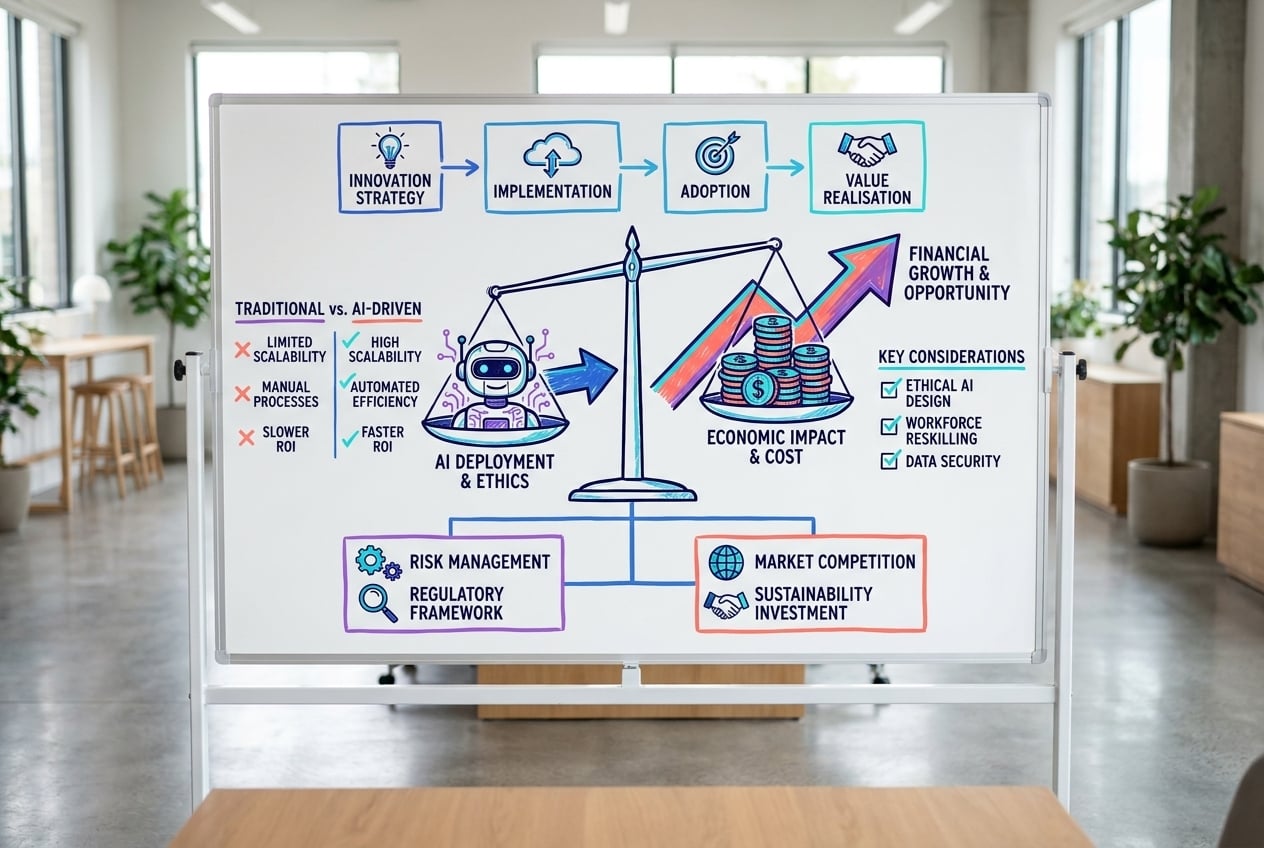
A major source of confusion for buyers researching this vendor is the historical pricing model. Previously, you could purchase standard software tiers designed for small businesses. These legacy plans were built for simple course delivery. The shift to an infrastructure model changed everything.
If you are an existing customer on a legacy plan, migrating to the new API model requires careful financial modelling. Your costs will change from a flat monthly fee to a usage-based matrix. You must evaluate how your current learners interact with the platform. If you have thousands of casual users who only log in once a year, the new identified recipient limits will force you into a much higher pricing tier than you previously occupied.
Modern software pricing relies heavily on usage metrics. The headline price only tells part of the story. You must account for the computing power required to generate courses, translate text, and produce synthetic voiceovers. Artificial intelligence features consume massive amounts of server resources, and vendors pass those costs directly to the consumer.
When you build courses automatically, you burn through usage credits. Coassemble states that the Build plan includes 1.2 million narration characters and 600 image-generation events per year. While 1.2 million characters sounds vast, a comprehensive onboarding program with multiple modules, translated into three languages, will deplete that allowance rapidly.
Upgrading provides more capacity. The Scale plan provides 3 million narration characters and 1,800 image-generation events annually, according to Coassemble. You must monitor this usage constantly. If a course creator generates dozens of unused draft modules, they will drain your annual artificial intelligence quota.
We need to talk about total cost of ownership. The monthly subscription fee is just the starting point. Because this is an API-first platform, you need software engineers to integrate it into your set of tools. Developer time is expensive, and testing code requires dedicated sandbox environments.
If you choose a ready-made learning system, a human resources manager can deploy it in a week using standard settings. If you choose an infrastructure product, you need a project manager, a frontend developer, and a backend engineer to build the integration. You must factor these internal labour costs into your software budget before making a final decision.
Vendor lock-in is a serious consideration for any technology purchase. You need to know exactly how long you are committing for and what happens if you need to cancel. Software providers prefer guaranteed revenue, and their pricing structures reflect this preference.
Coassemble current paid plans are annual contracts, although Coassemble notes that monthly payment schedules can be requested. This means you are signing up for a full twelve months of service regardless of how you structure the cash flow.
If your product launch is delayed, or if your integration project fails, you are still liable for the remainder of the contract. This creates a high risk profile for experimental projects. Mid-market teams must ensure they have full executive alignment before committing to a twelve-month infrastructure deployment.
Cash flow is critical for growing businesses. Vendors incentivise upfront payments to secure their own cash reserves. Paying upfront for a Coassemble annual plan saves the equivalent of two months compared with monthly payment schedules, according to Coassemble.
If you have the capital, paying $2,500 upfront for the Build plan is more efficient than paying $250 every month. Tying up capital in software licenses reduces your financial agility in other areas of the business, so you must weigh the discount against your need for liquid cash.
The biggest question you must ask is whether you actually need learning infrastructure or if you just need a learning management system. They are completely different product categories that solve completely different problems.
If you are a software company wanting to build a training academy directly into your proprietary application, an API-first tool makes right sense. You have the developers, you own the interface, and you want embedded content. However, if you are a people leader trying to train a workforce, track compliance, and reduce attrition, an API product introduces unnecessary friction.
You do not want to build an interface. You want a product that works immediately. You can read our guide to the best Australian LMS platforms to see how traditional solutions operate.
| Vendor | Pricing model | Best for |
|---|---|---|
| Compono Develop | Per-user licensing | HR teams wanting out-of-the-box compliance tracking and capability building. |
| Coassemble | Usage tiers (Build, Scale, Partner) | Development teams embedding training natively into proprietary software via API. |
| Docebo | Enterprise quote (annual contract) | Large enterprises needing complex global learning set of tools. |
| TalentLMS | Tiered plans based on active users | Small businesses looking for basic course delivery and tracking. |
Compono makes Compono Develop. We've included it and kept every entry's strengths and limits honest.
Most HR tech only manages process risk. Compono Develop does that too, and adds people insight risk. It is a learning management system that tracks completion and builds capability without requiring a team of software engineers.
With a 4.7 out of 5 rating across millions of learners, it handles process risk while delivering actionable people insights. The platform works instantly, offering a clear learner experience from day one. For example, Compono Develop helped the Department of Transport Victoria save $34M in operational costs over two years with digital licensing and compliance tracking.
If you want to evaluate other options, our Docebo LMS review provides insight into enterprise-grade alternatives. You can also explore our guide on how to choose the right talent management software for a wider view of the HR set of tools, or read about the evolving learning management system market to understand where the market is heading.
If you want a learning system that works immediately without developer intervention, we can help. Compono Develop gives you the tools to track compliance, deliver training, and build high-performing teams without the technical overhead.
An API platform provides the underlying code and infrastructure for you to build your own training experience inside an existing software product. A traditional learning management system provides a complete, ready-to-use website where you can upload courses and assign them to staff immediately.
Yes. The platform restricts how many identified recipients can access your content per year. The base plan allows 600 identified users. If you exceed this limit, you must negotiate overage fees or upgrade to a higher usage tier.
The plans include access to generative tools, but they are strictly capped. You receive an allowance of narration characters and image generation events per year. Heavy users of automated content creation will need the Scale or Partner plans to avoid restrictions.
Most infrastructure platforms require a significant commitment due to the technical support involved in deployment. You should speak with their sales team to understand what sandbox environments are available before signing a twelve-month agreement.
Anonymous access allows users to view content without logging in or creating a profile. This is useful for companies building public help centres or customer knowledge bases. However, it does not track completion data, making it unsuitable for internal compliance training.
Actual Udemy Business pricing in 2026, from Team Plan thresholds to Enterprise quotes. Get negotiation tactics and total cost of ownership insights.

Understand iSpring Learn pricing for 2026. Compare Business and Enterprise tiers, calculate total costs, and see how it stacks up against the top.

The true cost of EdApp in 2026. Compare per-user pricing plans, hidden fees and learning management alternatives to make the right budget choice.