


 Mathan Allington

Docebo Pricing 2026: True Costs, Tiers, and Hidden Fees Explained
 Mathan Allington
Docebo is quote only, billed by active users. Vendr's data puts the median at US$42,019 a year (US$21,257 to $110,913). Tiers, fees and what to...
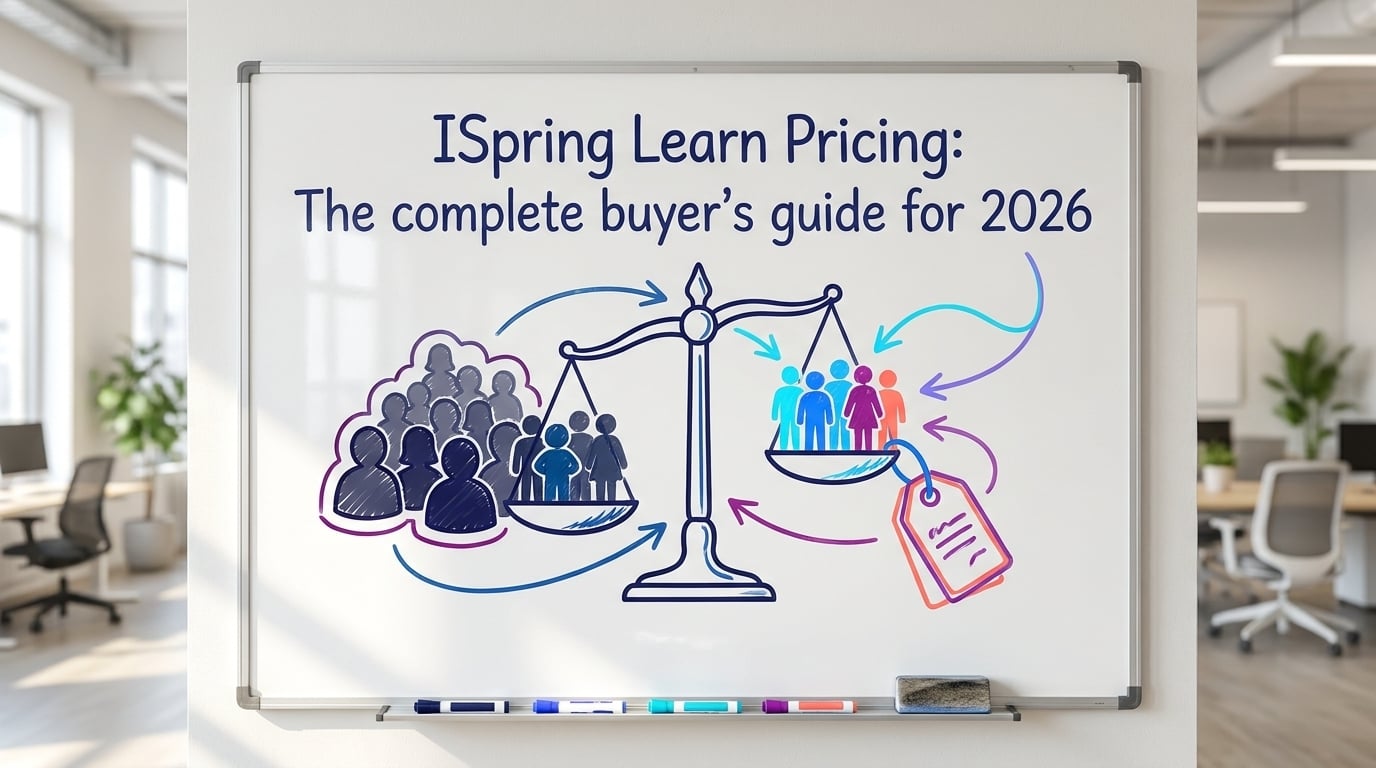
iSpring Learn pricing starts at $8,286 annually for the 100-user Business tier, which breaks down to $6.91 per active user per month.
Last reviewed November 2026
Quick answer
- Price: Listed pricing ranges from $3.97 to $6.91 per active user per month on the Business tiers, scaling up to 500 users.
- Best for: Teams that want rapid content authoring using familiar slide-based tools and have highly predictable monthly login numbers.
- Verdict: The active user model keeps costs down for seasonal workforces, but heavy baseline usage and limited native HR integrations often push growing companies toward custom Enterprise pricing or alternative platforms.
Budgeting for a learning management system is rarely as simple as looking at a sticker price. The way vendors charge dictates how your business can scale. Some platforms charge a flat fee for every person in your database. Others charge only for those who actually log in. Choosing the wrong model traps HR teams into paying for empty seats or scrambling for emergency budget when usage spikes unexpectedly.
Understanding exactly what you pay for is the first step to building a sustainable learning strategy. The 2026 market demands systems that align with real capability rather than just tracking course completions. This guide breaks down the iSpring Learn pricing model, analyses the total cost of ownership, and compares it to the best Australian LMS options available today.
The defining feature of this platform is its billing structure. iSpring Learn charges based on active users rather than all registered users, according to CostBench. An active user is defined as any learner who logs into the platform during a single billing month. You can have thousands of employee profiles sitting dormant in the system at no extra cost.
This structure is highly appealing for businesses with seasonal staff, high turnover, or project-based contractors. If a retail business hires 200 casual staff for the December holiday rush, those employees only count towards the active user limit during the months they access their training materials.
However, this model requires strict oversight. If you purchase a 300-user plan and 350 employees log in during a compliance rollout month, you breach your tier limit. The platform enforces strict caps on these active user brackets. HR managers must carefully schedule training rollouts to ensure they do not trigger a higher pricing tier accidentally.
The Business plan is the entry point for most mid-market organisations. iSpring Learn does not offer a free plan, but it provides a 30-day trial without requiring a credit card, according to an iSpring Learn Pricing Review. Once you commit, you select a specific active user bracket.
This is the minimum commitment available. iSpring Learn’s Business plan costs $8,286 annually for up to 100 active users, equivalent to $6.91 per user per month, according to Learning Revolution. For small businesses with 50 or 60 employees, this entry price can feel steep because you are paying for the full 100-seat capacity regardless of your actual usage.
As your user base grows, the cost per head decreases significantly. The 300-user Business tier costs $16,050 annually, or $4.46 per active user per month, as noted by Learning Revolution. Scaling further yields even better unit economics. The 500-user Business tier costs $23,790 annually, or $3.97 per active user per month.
The published per-user rate falls 43% between the 100-user and 500-user tiers, according to TrainingCost. This aggressive volume discount encourages growing companies to commit to larger brackets early. Listed pricing ranges from $3.97 to $6.91 per active user per month across these Business-tier commitments.
Once an organisation regularly exceeds 500 active users, the standard Business tiers no longer apply. At this stage, you must negotiate a custom contract.
Enterprise pricing is quote-based for organisations exceeding the published Business tiers, with support for up to 150,000 users, as detailed in a Front Desk Review. This transition is a critical moment for HR procurement teams. The leap from transparent pricing to a custom quote often brings additional negotiation variables like multi-year discounts, premium support levels, and custom implementation fees.
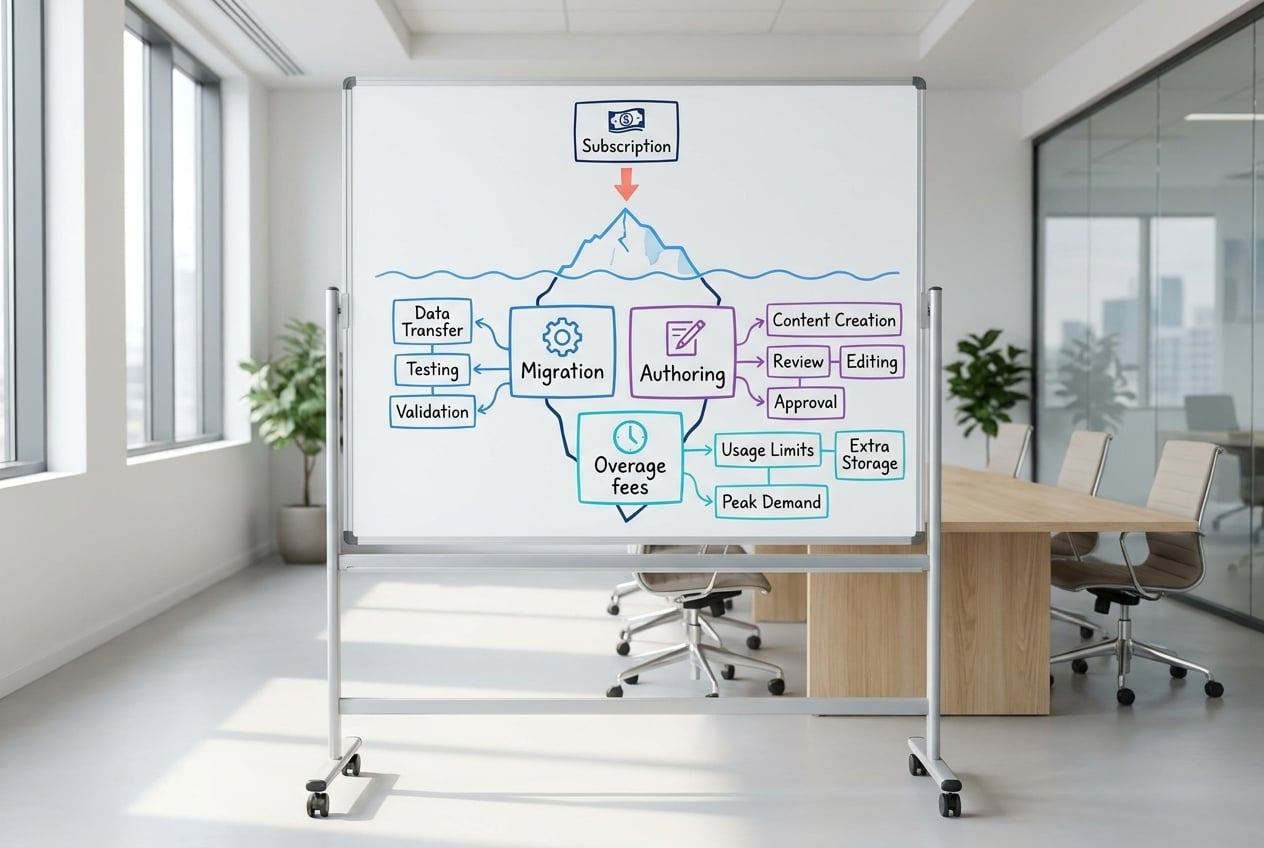
Enterprise plans open up advanced functionality that large teams require. This includes multiple sub-portals for different brands or franchises, advanced single sign-on capabilities, and higher API limits for integrating with custom HR data warehouses. When working through this transition, buyers must request a clear breakdown of user overage penalties to avoid surprises during peak training months.
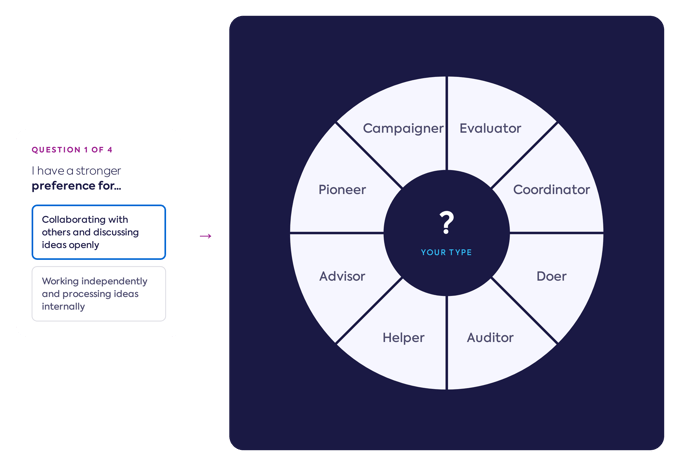
When you sit down to calculate the true cost of a new platform, you need the mindset of The Evaluator. This work personality type excels at identifying risks and setting efficient action steps. A software subscription is only a fraction of what an organisation actually spends to deploy learning.
One of the major selling points of this vendor is the iSpring Suite authoring tool. The Business plan includes one license for this desktop software, which integrates heavily with Microsoft PowerPoint. If your instructional design team requires multiple authoring licenses, you must purchase them separately. These additional licenses quickly inflate the baseline subscription cost.
The standard Business plan covers the software access, but complex rollouts cost extra. Custom domain configurations, advanced technical support hours, and bespoke integration work are typically billed as professional services. If your organisation requires historical data migration from an older system, you must budget for external consulting or dedicated internal IT resources.
Consider a real-world invoice scenario for a mid-market retailer. They purchase the 300-user tier for $16,050 annually. In November, they launch a mandatory safety module right as they hire 150 seasonal workers. Their active user count hits 450 for that single month. Because they breached their 300-user cap, they are forced to upgrade to the 500-user tier at $23,790. A single month of high activity permanently increased their annual software expenditure by over $7,000.
The evolving Learning Management System market means buyers have distinct choices based on their exact needs. Some platforms focus purely on content delivery, while others integrate learning deeply into broader workforce capability.
| Vendor | Price model | Best for | Limits |
|---|---|---|---|
| Compono Develop | Pricing on request | Teams wanting to align learning directly with capability, compliance and performance. | Not built for businesses looking for a lightweight, standalone course authoring tool without broader HR capability. |
| iSpring Learn | $8,286 annually (100 active users) | PowerPoint-heavy course creation and seasonal workforces. | Desktop-heavy authoring tool; limited advanced HR integrations natively. |
| Docebo | Pricing on request | Enterprise organisations needing complex external and internal training at scale. | High entry price and complex implementation for mid-market teams. |
| TalentLMS | From $1,068 annually (40 users) | Small businesses wanting a simple, fast setup. | Lacks deep compliance tracking or advanced organisational mapping. |
Compono makes Compono Develop. We've included it and kept every entry's strengths and limits honest.
When comparing these options, intent matters. If your primary goal is converting legacy PowerPoint presentations into basic quizzes, a content-first tool works well. However, if your business requires detailed skills matrices and audit-ready compliance tracking, you need a system built for capability management. A comprehensive Docebo LMS review often reveals that while enterprise tools offer immense power, they carry implementation costs that overwhelm mid-market teams.
Compono Develop sits in the sweet spot for mid-market organisations. It is a learning management system that connects training completion directly to workplace capability. Rather than just recording that a video was watched, it helps HR leaders prove that their workforce is compliant, competent, and ready to perform.
Assessing the return on investment requires looking beyond the monthly user fee. You must factor in the time saved by your instructional designers. If your team already relies heavily on PowerPoint, the bundled authoring tool provides a familiar workflow that speeds up content creation.
The active user model offers genuine savings for companies with high turnover or highly rotational staff. You avoid paying for former employees or contractors who remain in the system purely for compliance record-keeping. The platform handles standard onboarding pathways and basic certification needs competently.
However, the value diminishes if your entire workforce logs in every month. A company with 400 full-time staff who all complete monthly training will find the active user model costs exactly the same as a registered user model, losing its primary cost advantage. Furthermore, the lack of a native, sophisticated workforce intelligence layer means HR leaders must export data to spreadsheets to truly understand the link between their training programs and team performance.
Building a capable team requires more than just tracking who logged into a course. You need a platform that aligns learning with real-world competency and compliance, giving you total visibility over your workforce's skills.
If you exceed your purchased tier limit during a billing cycle, you are required to upgrade to the next available tier. The vendor will typically contact your account administrator to process the upgrade, and you will be billed the pro-rated difference for the remainder of your annual contract.
The standard Business plans do not include mandatory implementation fees. However, if your team requires custom domain configurations, advanced technical support, or complex data migrations from a legacy system, you will need to purchase professional services packages at an additional cost.
No. The Business plan includes exactly one license for the iSpring Suite authoring toolkit. If you have multiple instructional designers or trainers who need to build interactive courses simultaneously, you must purchase additional standalone licenses for those users.
The standard published tiers require an annual commitment paid upfront. While custom billing terms are occasionally negotiated during the Enterprise quoting process, mid-market buyers should expect to pay for the entire twelve-month period in advance.
Administrators and managers who log into the system exclusively to pull reports or manage users do not consume an active user seat. A seat is only consumed when an employee actually launches and interacts with training content during that specific calendar month.

Docebo is quote only, billed by active users. Vendr's data puts the median at US$42,019 a year (US$21,257 to $110,913). Tiers, fees and what to...
Actual Udemy Business pricing in 2026, from Team Plan thresholds to Enterprise quotes. Get negotiation tactics and total cost of ownership insights.
The true cost of LinkedIn Learning pricing for business in 2026. Compare the Teams and Enterprise plans with alternatives for your organisation.