

.webp)

 Mathan Allington


Psychometric Testing for Recruitment: 2026 Guide & Alternatives
 Mathan Allington
The advantages and disadvantages of psychometric testing for recruitment in 2026, and how behavioural science is replacing pass or fail exams.
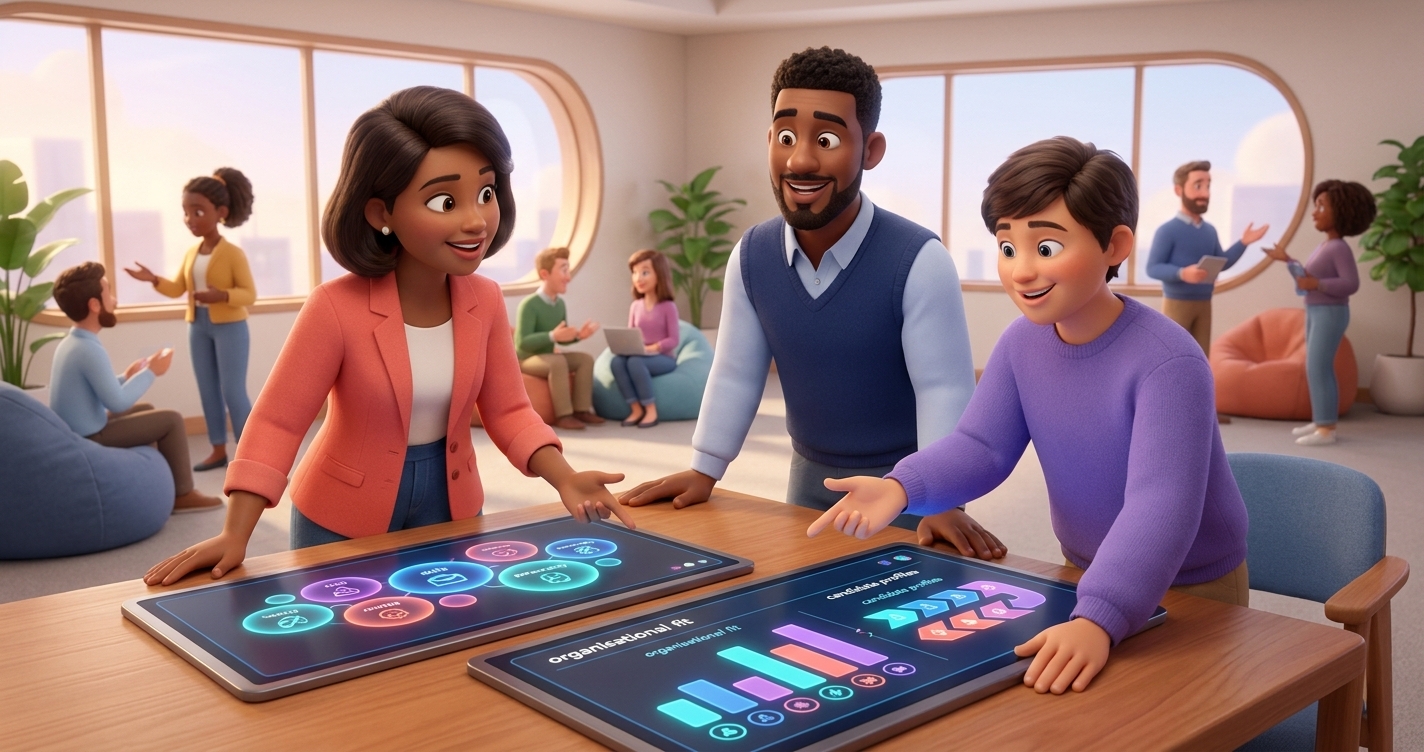
The best TestGorilla alternatives in 2026 include platforms like HackerRank for technical roles, High5 for aptitude, and comprehensive solutions like Compono that combine skills testing with behavioural and organisational fit.
Key takeaways
- Traditional skills testing is becoming vulnerable to generative AI, prompting a shift toward whole-of-business and behavioural assessments.
- Technical hiring often requires specialised platforms like Codility or HackerRank over generalist tools.
- Aptitude-only testing creates high false-negative rates, rejecting capable candidates who simply lack test-taking practice.
- Modern alternatives focus on candidate experience, reducing assessment fatigue and protecting employer brand.
- The best platforms evaluate Organisation Fit, skills, and qualifications simultaneously to predict long-term success.
Finding the right talent in today's workplace requires more than just a quick multiple-choice quiz. While TestGorilla popularised accessible pre-employment skills testing, many modern HR teams are beginning to hit the platform's limitations. Whether it is a rigid pricing structure, a clunky candidate experience, or the growing threat of AI-assisted cheating, relying solely on basic skills tests is no longer enough to build high-performing teams.
The recruitment environment has shifted dramatically. Candidates are experiencing assessment fatigue, being asked to complete two-hour tests before they have even spoken to a human being. Meanwhile, hiring managers are drowning in data that tells them if a candidate can use a spreadsheet, but fails to indicate if they will thrive in the company culture.
If you are exploring TestGorilla alternatives, you are likely looking for a solution that offers deeper insights, better candidate experiences, and a more solid defence against modern hiring challenges. In this guide, we will explore the top alternatives across different categories, unpack why companies are making the switch, and help you determine which assessment approach is right for your organisation.
The most pressing issue facing traditional skills assessment platforms is the rapid normalisation of artificial intelligence. When a platform relies heavily on standard multiple-choice questions or basic coding challenges, it becomes incredibly vulnerable to candidates using AI tools to generate perfect answers in seconds.
This is not a fringe issue. Research indicates that 80% of companies reported using generative AI by late 2024, and candidate usage of these tools during unproctored assessments has skyrocketed. If your assessment platform cannot distinguish between a candidate's genuine capability and a prompt they fed into an AI chatbot, the integrity of your entire hiring process is compromised.
To combat this, TestGorilla alternatives are taking different approaches. Some are doubling down on invasive proctoring software, tracking eye movements and recording screens. However, this often damages the candidate experience and raises privacy concerns. The smarter alternatives are evolving the assessments themselves, moving away from easily searchable trivia towards scenario-based situational judgment tests, behavioural evaluations, and interactive challenges that AI cannot easily fake.
If your primary reason for using an assessment tool is to hire software engineers, data scientists, or IT professionals, a generalist platform might not offer the depth you need. Technical hiring requires environments where candidates can write, compile, and execute code in real-time.
Platforms like HackerRank, Codility, CodeSignal, and iMocha have established themselves as the primary technical assessment platforms used alongside or instead of TestGorilla. These tools provide authentic coding environments that mirror the actual work a developer will do on the job. They also offer advanced plagiarism detection and code-playback features, allowing hiring managers to see how a candidate approached a problem, not just the final result.
The demand for these specialised technical skills is only growing. Projections show that 170 million new jobs will be created between now and 2030 geared toward human-AI collaboration. Assessing a candidate's ability to work with and engineer these emerging technologies requires specialised platforms that generalist tools struggle to match.
Many companies turn to assessment platforms to run cognitive or aptitude tests, hoping to measure a candidate's raw intelligence or problem-solving speed. However, relying too heavily on these metrics can be a dangerous game that severely narrows your talent pool.
Industry data reveals a startling reality: 60–80% of candidates are rejected based on aptitude test results. While this might seem like efficient filtering, it often results in massive false negatives. You are not necessarily filtering out incapable candidates; you are filtering out candidates who are out of practice with standardised testing.
54–84% of candidates who do not practice assessments fail at the first hurdle of psychometric and aptitude tests. This means that a highly experienced, capable professional who hasn't taken a timed math test in ten years might be rejected in favour of a recent graduate who is well-versed in exam techniques. When looking for TestGorilla alternatives, it is crucial to find platforms that evaluate practical job readiness rather than abstract test-taking abilities.
For roles that do not require deep technical coding but still need a baseline of aptitude and general skills, platforms like High5 serve as direct alternatives. These tools often focus on career trends, general problem-solving, and basic software proficiencies.
One major driver for using these platforms is the shift in how we work. With data showing that 24% of new U.S. positions in Q2 2025 were advertised as hybrid, and 70% of job seekers preferring hybrid work as a top arrangement, employers need remote-friendly assessment alternatives that can reliably evaluate a candidate's ability to communicate, manage their time, and operate digital tools effectively from afar.
However, even the best general skills platforms share a common limitation: they only tell you if a person *can* do the job, not *how* they will do the job, or if they will align with your team's culture.
The most significant gap in traditional skills testing platforms is their failure to account for behavioural alignment and organisational fit. You can hire the most technically proficient candidate in the world, but if their work style clashes with your team's dynamics, or their values misalign with your company culture, the hire will ultimately fail.
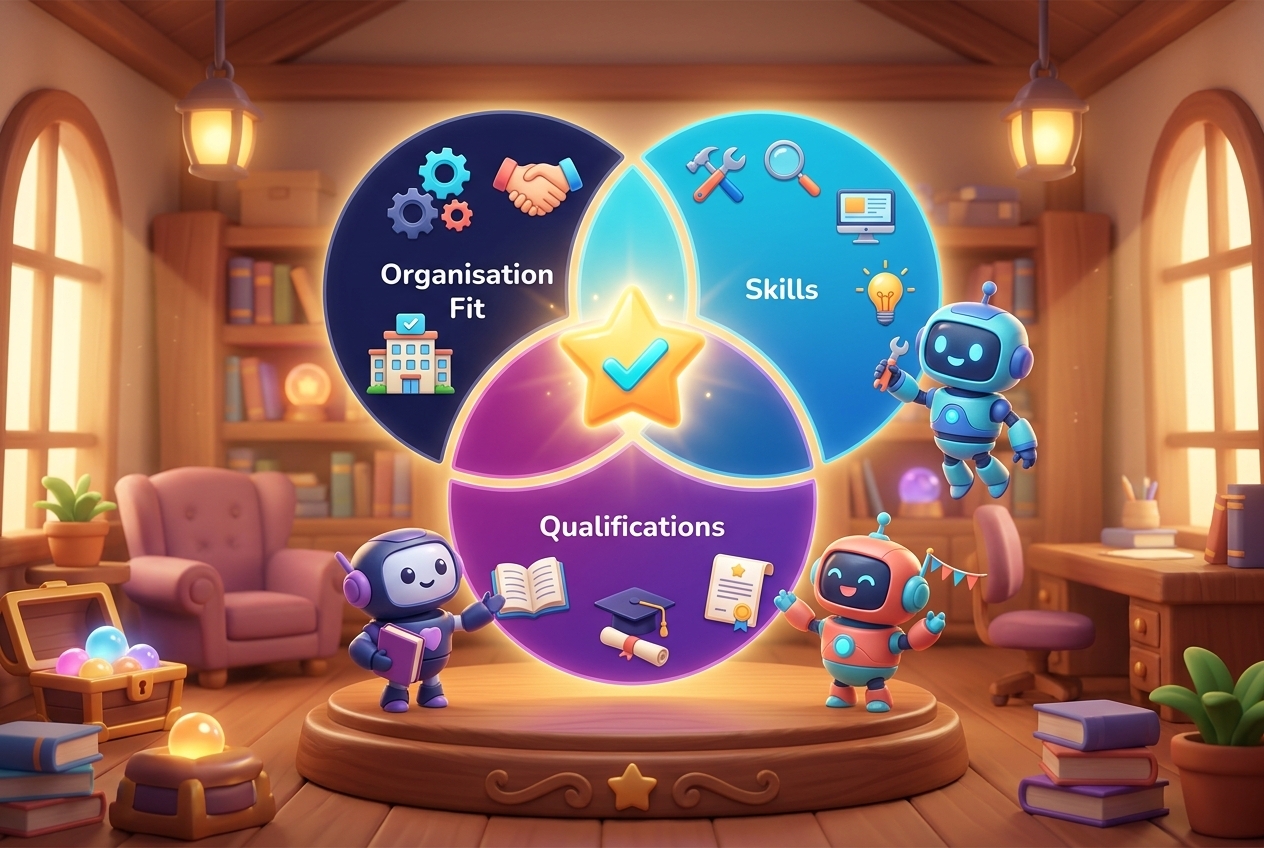
This is where modern workforce intelligence platforms differentiate themselves. Rather than just testing hard skills, they look at the whole person. When evaluating how Compono Hire assesses candidates, for example, the focus is never just on one dimension. The platform evaluates candidates across Organisation Fit, Skills, and Qualifications simultaneously.
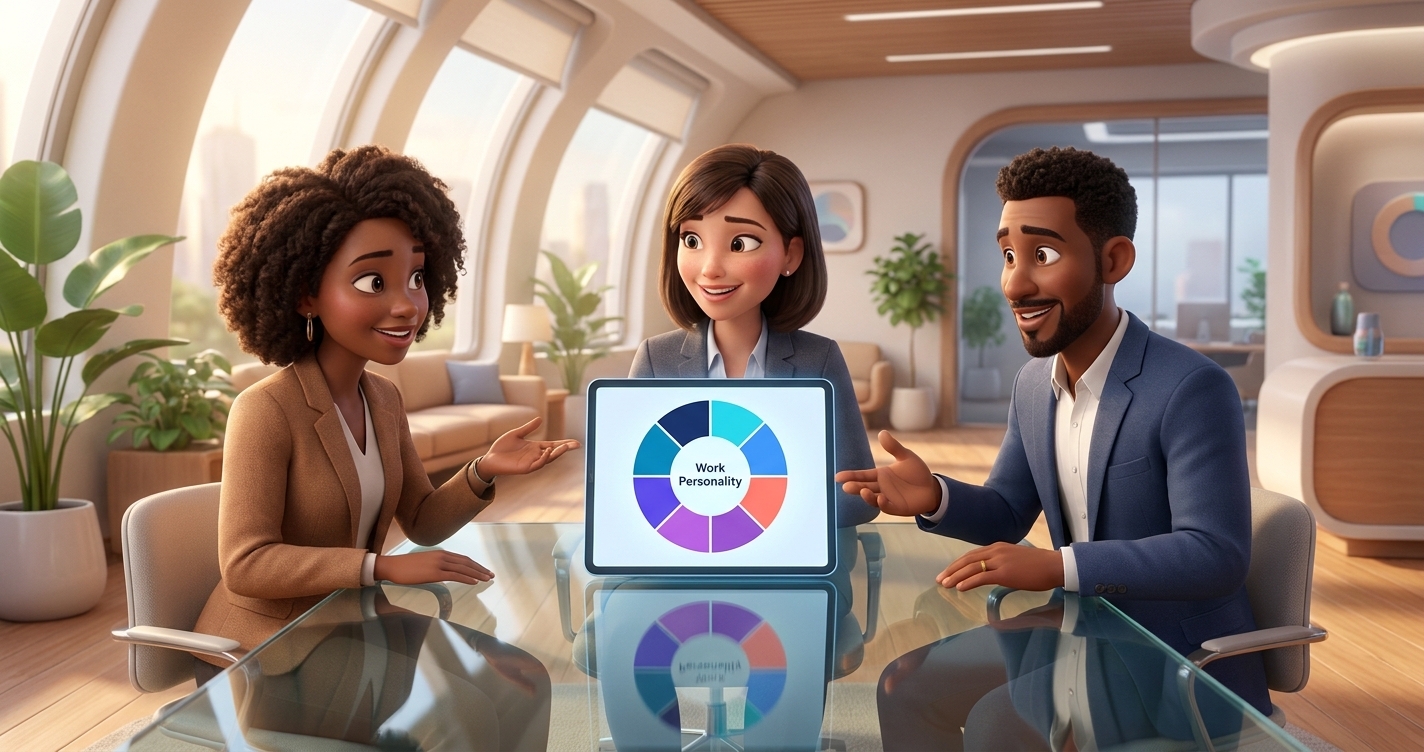
By incorporating Work Personality insights into the hiring process, you gain an understanding of what naturally motivates a candidate, how they prefer to communicate, and how they handle conflict. A platform like Compono Hire does not just act as a filter; it acts as a matching engine, ensuring that the people you bring into your organisation have the right mix of capabilities and cultural alignment to thrive long-term.
In a competitive talent market, your assessment process is a reflection of your employer brand. When candidates are forced to jump through hoops, create multiple accounts, and spend hours completing irrelevant tests before securing an interview, they often abandon the application entirely.
The best TestGorilla alternatives prioritise a frictionless candidate experience. They keep assessments concise, highly relevant to the role, and respectful of the candidate's time. If an assessment feels like a generic hurdle rather than a meaningful evaluation of their specific professional capabilities, high-quality candidates will simply take their talents to an employer who respects their time.
When reviewing alternatives, take the tests yourself. If you find the experience tedious, frustrating, or irrelevant, your candidates will too. Look for platforms that offer mobile-friendly interfaces, clear instructions, and assessments that feel directly connected to the day-to-day realities of the job they are applying for.
Selecting the right tool requires a clear understanding of your hiring volume, the types of roles you recruit for, and your long-term talent strategy. If your hiring is heavily skewed toward software engineering, a dedicated coding platform is likely your best bet. If you are hiring for high-volume entry-level roles, a general aptitude tool might suffice.
However, if you are a mid-market company looking to build high-performing, cohesive teams across various departments, you need a platform that provides deep behavioural insights alongside skills verification. Choosing hiring assessment tools should always come down to predictive validity, which platform gives you the most accurate prediction of a candidate's future success in your specific environment?
Do not let your hiring process be dictated by the limitations of basic testing software. By moving toward whole-of-business assessments that value Work Personality and organisational fit just as highly as technical capability, you can significantly reduce turnover, boost team engagement, and build a workforce that is truly aligned with your business goals.
Key insights
- Generative AI has rendered many traditional multiple-choice skills tests obsolete, requiring a shift toward behavioural and situational assessments.
- High failure rates on aptitude tests often reflect a lack of practice rather than a lack of capability, leading to missed talent.
- Technical roles require specialised coding environments that generalist platforms struggle to provide adequately.
- The candidate experience must be a primary consideration; overly long or irrelevant tests damage employer branding and increase drop-off rates.
- True predictive hiring requires evaluating a candidate across Organisation Fit, skills, and qualifications, rather than relying on isolated metrics.
Ready to move beyond basic skills testing and hire for true potential?
If you'd like to talk through how Compono can support your team, we're happy to walk you through it. No pressure, just a conversation.
Related reading
Companies typically seek alternatives when they outgrow basic skills testing, need more solid behavioural and cultural fit insights, require specialised technical coding environments, or want a platform that offers a better, less tedious candidate experience.
Yes, but they must be part of a broader evaluation strategy. With the rise of AI, basic knowledge tests are easily manipulated. Modern hiring requires combining skills verification with behavioural assessments and situational judgment to get an accurate picture of a candidate.
For purely technical roles, platforms like HackerRank, Codility, and CodeSignal are widely considered the industry standard. They provide live coding environments and advanced plagiarism detection that generalist platforms lack.
Unlike basic testing platforms, Compono takes a whole-of-business approach. Compono Hire evaluates candidates across Organisation Fit, Skills, and Qualifications, using behavioural science and Work Personality insights to ensure candidates align with your team's culture and working style, not just the technical requirements of the job.
Absolutely. Top talent is often passive and time-poor. If an assessment takes hours to complete or feels irrelevant to the role, high-quality candidates are highly likely to abandon the application process, damaging your employer brand in the process.
The advantages and disadvantages of psychometric testing for recruitment in 2026, and how behavioural science is replacing pass or fail exams.
The Predictive Index alternatives worth shortlisting in 2026, compared on cost and on how well they measure behaviour, skills and culture fit.

How to hire for culture fit by shifting to a culture add mindset: assessing values, reducing bias and building teams that perform.