

.webp)

 Mathan Allington


1 min read
Keywords vs fit hiring: moving beyond the resume
 Compono
Hiring for fit rather than just matching keywords on a resume is the most effective way to build a high-performing team that stays together for the...
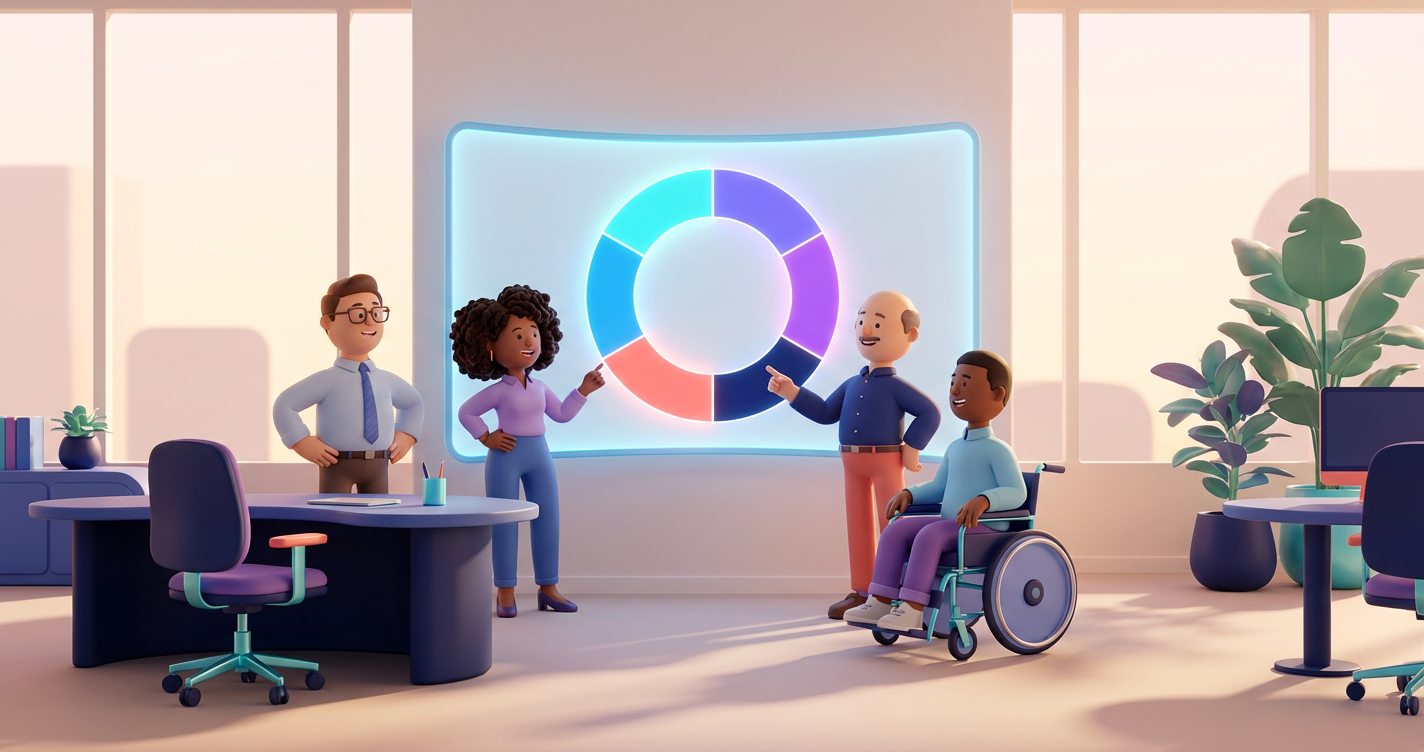
Hiring assessment tools are digital evaluations that measure a candidate's skills, personality and organisational fit before you make an employment decision. The right choice measures all three at once, because skills tell you what a candidate can do while fit predicts whether they will stay and perform in your team.
Last reviewed July 2026.
Key takeaways
- Modern hiring assessment tools must evaluate more than technical skill to protect long-term retention.
- Measuring personality, cognitive ability and culture fit together gives the most accurate prediction of job success.
- Running assessments early in the process reduces bias and sharpens the shortlist.
- The best tools respect the candidate's time while giving managers usable data for post-hire development.
We have all seen it: a candidate looks flawless on paper, interviews with charisma, then struggles to adapt to the team's actual rhythm within three months. Traditional recruitment leans too heavily on intuition, and the mis-hires are expensive. Research suggests a bad hire can cost up to 30% of the employee's first-year earnings.
The problem is rarely a lack of talent. It is a lack of visibility into how that talent will behave once the first-week honeymoon ends. Evidence-based assessments give you a structured way to compare candidates against the real needs of the role and the specific make-up of your organisation.
Shifting the question from "who do we like best?" to "who is most likely to succeed here?" also reduces the influence of unconscious bias, producing a fairer process for everyone in the funnel.

A complete picture of a candidate covers three areas. Skills are the "can do": the technical ability to perform tasks. Qualifications are the "has done": the proof of experience. Fit is the "will do": the motivation and behavioural alignment that keeps someone engaged. Most traditional tools measure the first two and ignore the third, yet fit is usually what decides whether a hire stays two years or two months.
Fit is not a vibe check. It is a measurable alignment between a person's work preferences and the team's requirements. Compono Hire assesses candidates across organisation fit (culture, job and personality fit) alongside technical skills, and predicts culture fit. You are not just hiring a great accountant; you are hiring a great accountant who will thrive in your environment.
Tools that measure all three pillars simultaneously give hiring managers far more confidence than an interview alone ever could.
Every person has a dominant preference for certain types of work, and performance rises when those preferences match the role. Compono's research identifies eight key work activities that high-performing teams cover, and a candidate's work personality shows where they will add the most value. A Pioneer brings new ideas; an Auditor makes sure every detail is right. Both are valuable, and the right one depends on what your team is currently missing.
Personality mapping also protects you from mini-me syndrome, the tendency to hire people who think and act like the interviewer. It feels comfortable and it creates cognitive blind spots. A balanced team, with Helpers for cohesion and Evaluators for logical critique, solves complex problems better and stays productive longer.
Interviews are inherently subjective. We warm to people who share our interests or background, and that affinity bias quietly excludes capable candidates who simply did not click on a personal level.
Assessments level the field. When every candidate completes the same tasks and profiles, you get objective data points you can compare side by side. That does not replace human judgement; it gives the final conversation a factual foundation and sharper interview questions.
Defining what a high performer looks like before the first resume is read, based on skills and work personality together, means candidates are ranked on actual match. Better hires, and a more inclusive process that does not hinge on the interviewer's mood that day.
An assessment is often a candidate's first real interaction with your brand. If it is clunky, too long or feels irrelevant to the job, top talent drops out of the funnel. The best assessments feel like a value-add, giving candidates insight into their own strengths as they apply. Short and engaging beats a three-hour marathon every time.
The data should keep working after the hire, too. Sharing a new starter's work personality results with their manager helps the team understand how to communicate and collaborate from day one, turning the assessment from a gatekeeper into a development tool.
Compono Hire assesses skills, qualifications and organisation fit in one platform, with culture fit predicted. Rated 4.8/5 on Capterra.
Talk to usCognitive ability tests, personality assessments, job knowledge tests and work sample simulations. Most modern HR teams use a combination to get a well-rounded view of a candidate's potential.
They apply a standardised set of criteria and objective data points to every candidate. Focusing on measurable skills and work preferences rather than subjective interview impressions keeps decisions grounded in merit and fit.
Early, usually right after the initial application. Shortlisting on objective data saves time for the hiring manager and for the candidates who are genuinely the best match for the role.
No tool guarantees retention, but assessments that measure organisational fit and work personality are strong predictors of engagement. People whose natural preferences align with their daily tasks stay significantly longer.

1 min read
Hiring for fit rather than just matching keywords on a resume is the most effective way to build a high-performing team that stays together for the...

1 min read
Culture fit hiring in healthcare works by identifying candidates whose personal values, work behaviours, and interpersonal styles align with an...
1 min read
To compare hiring software feature by feature, score every platform against seven criteria: depth of candidate assessment, team and culture matching,...
 Mathan Allington