

.webp)

 Compono


1 min read
Predictive hiring software: how to stop guessing and start deciding
 Mathan Allington
Predictive hiring software uses behavioural science, psychometric assessment and culture-fit data to forecast how a candidate will actually perform...
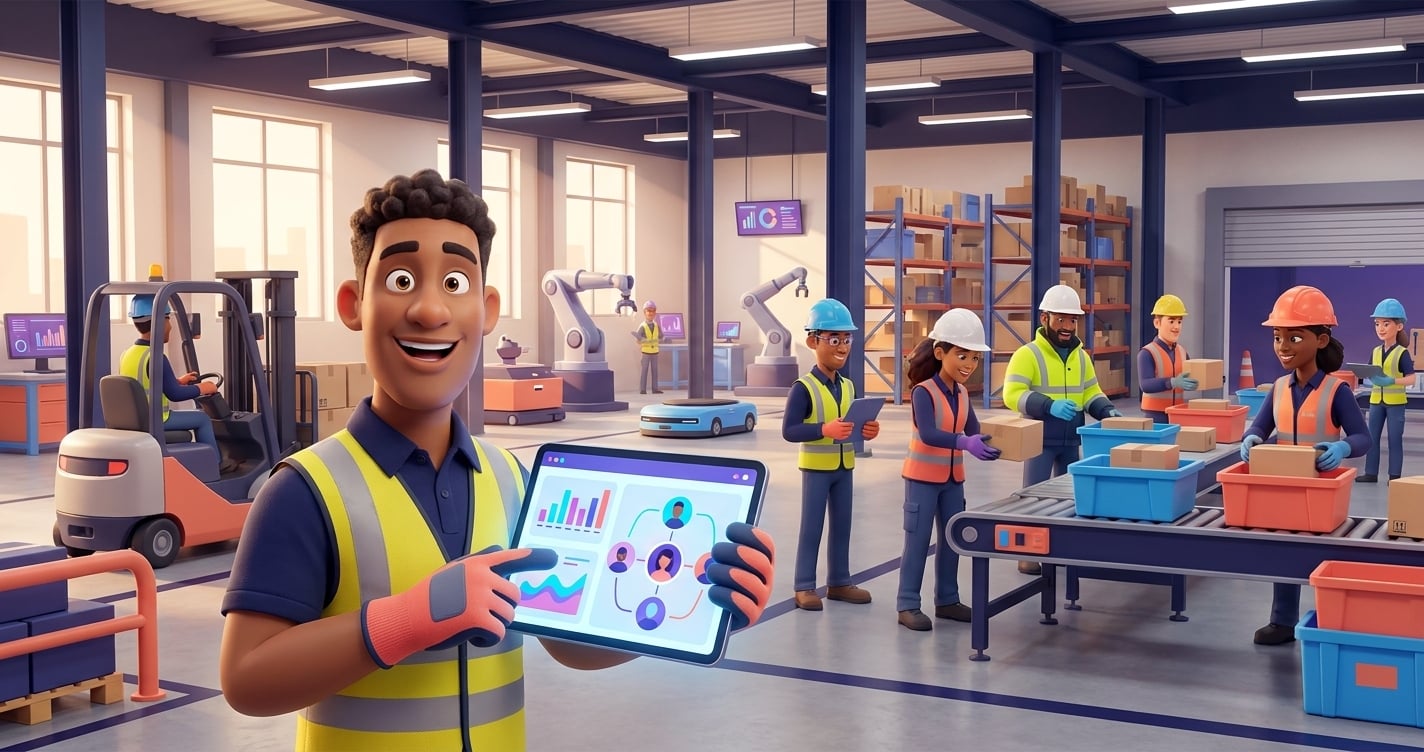
Behavioural hiring in labour hire firms works by assessing candidates based on their natural work preferences and personality traits rather than just their work history, allowing agencies to place candidates who are naturally wired for specific site cultures and roles.
Key takeaways
- Labour hire agencies use behavioural data to predict reliability, safety adherence, and cultural fit before placing a candidate on site.
- Automated behavioural assessments allow recruiters to rank high-volume talent pools instantly, speeding up time-to-hire without sacrificing quality.
- Matching a candidate's natural work personality to the specific demands of a role drastically reduces early turnover and candidate ghosting.
- Moving beyond the traditional resume helps agencies differentiate their service by providing clients with highly compatible, productive workers.
The traditional labour hire model relies heavily on speed. When a client needs twenty warehouse staff for a 5 AM start on Monday, agencies scramble to fill the roster from their available database. Historically, this meant scanning resumes for past experience, making a few quick phone calls, and hoping the candidates actually turn up.
But a resume cannot tell you if someone will handle the pressure of a chaotic distribution centre, follow strict safety protocols, or get along with an abrasive shift supervisor. This reliance on surface-level skills often leads to high turnover, safety incidents, and frustrated clients.
This is why forward-thinking agencies are changing their approach. By understanding how people naturally prefer to work, recruiters can make smarter, faster placement decisions. Here is a look at the mechanics of behavioural hiring in the labour hire sector and why it produces better outcomes for both agencies and their clients.
In high-volume recruitment, the sheer number of applicants makes it difficult to interview everyone thoroughly. Agencies traditionally use skills filters or keyword searches to narrow down the list. The problem is that most entry-level or blue-collar roles require very similar basic skills, making it nearly impossible to distinguish a highly reliable worker from one who might quit after their first shift.
Behavioural hiring flips this process. Instead of just collecting a CV, agencies integrate a short psychometric or behavioural assessment into the initial application process. These assessments measure underlying traits, things like attention to detail, preference for structure, and comfort with ambiguity.
When you understand these traits, you can predict how a person will behave on site. A candidate who scores highly for methodical, structured work is highly likely to follow safety procedures to the letter. A candidate who prefers variety and fast-paced environments will thrive in a dynamic, unpredictable setting where priorities shift hourly.
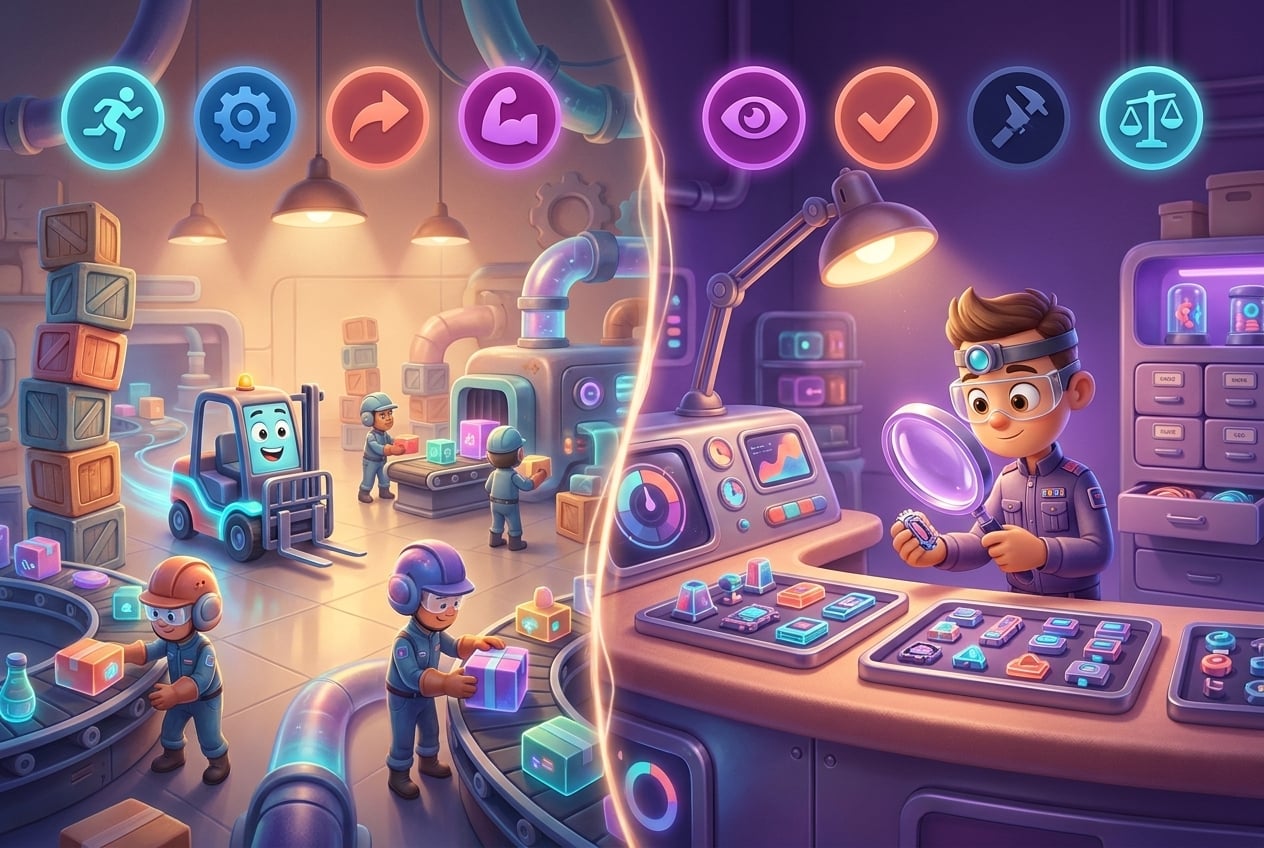
Implementing behavioural hiring does not mean adding days to the recruitment process. In fact, when done correctly, it actually speeds up decision-making. The process typically follows a simple, automated workflow designed for high volume.
First, the agency works with their client to profile the role and the site culture. They determine what behaviours lead to success in that specific environment. Is the site highly regulated and strict? Or is it a fast-moving, adaptable workplace where people need to think on their feet?
Next, candidates complete a brief assessment when they apply or join the agency's talent pool. This is where people intelligence for recruiters becomes incredibly valuable. The assessment data is captured and stored in the agency's database, creating a rich profile for every candidate.
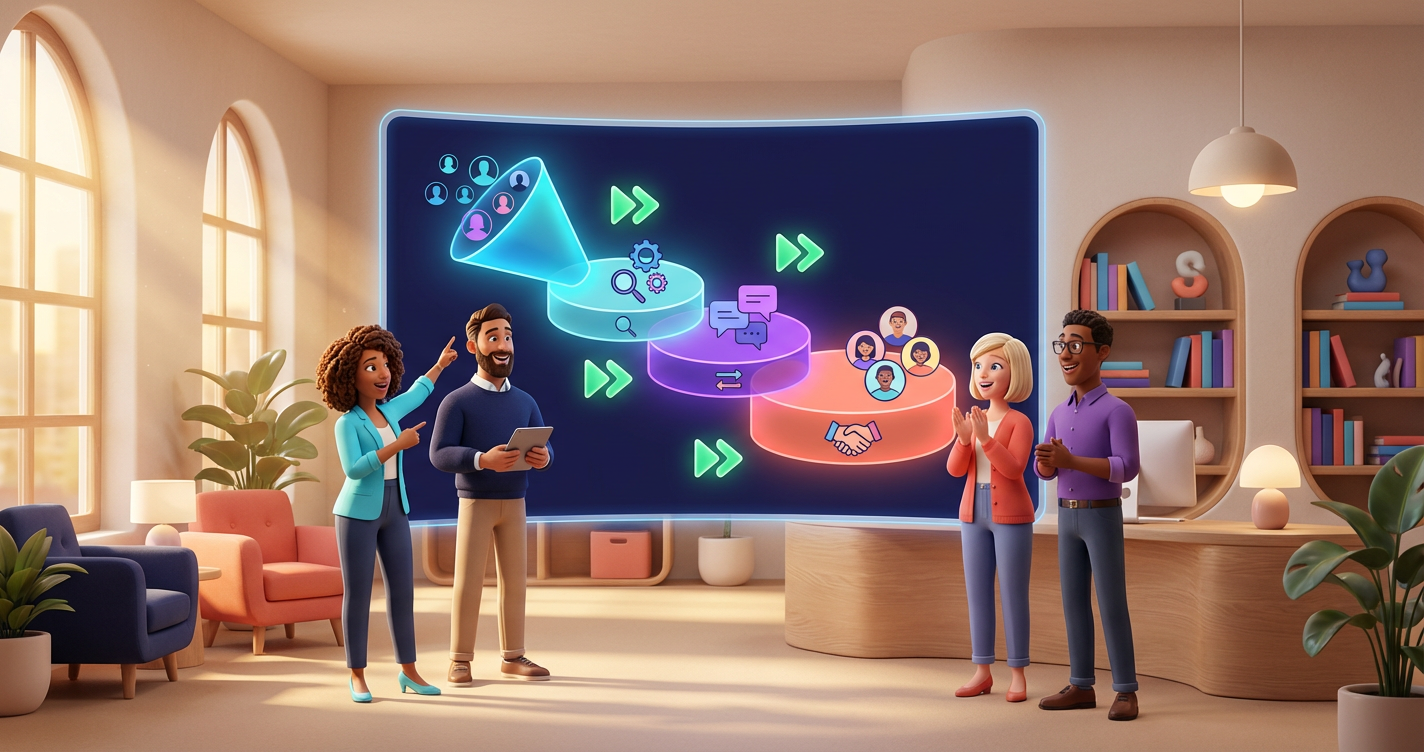
Finally, when a job order comes in, the recruiter uses this data to filter and rank the talent pool. Instead of manually reading through hundreds of profiles, the system automatically highlights the candidates whose behavioural profiles match the client's specific requirements. This automated matching is a core feature of Compono Hire, allowing agencies to rank candidates instantly based on organisational fit and natural work preferences.
To make behavioural data actionable, it helps to categorise candidates into understandable profiles. At Compono, we use the concept of Work Personality to map natural work preferences. This gives recruiters an immediate understanding of how a candidate will operate on site.
Consider two common profiles found in labour hire environments. The Doer is practical, task-focused, and highly reliable. They want clear instructions and prefer to get straight to work. If you have a client who needs a team to execute a repetitive, physical task efficiently, you want a roster full of Doers.
On the other hand, The Auditor is reserved, methodical, and highly focused on details and rules. They are naturally cautious and risk-averse. If a client needs staff for a highly regulated environment, such as operating heavy machinery, managing hazardous materials, or performing quality control, The Auditor is the perfect fit. They will naturally adhere to compliance standards without needing constant supervision.
By tagging candidates with these profiles, recruiters can fill rosters with people who are naturally suited to the work, rather than forcing people into roles that drain their energy.
One of the biggest headaches for any labour hire firm is candidate ghosting, when a worker accepts a shift but fails to show up. This damages the agency's reputation and forces recruiters into a frantic state of reactive backfilling.
Ghosting and early turnover rarely happen because the candidate lacks the physical skills to do the job. They happen because the environment is a poor fit for the candidate's natural preferences. If you place someone who craves structure and clear direction onto a chaotic, disorganised construction site, they will feel overwhelmed and disengaged. They are highly likely to walk away.
Applying behavioural science in HR helps agencies avoid these mismatches. When you place a candidate in an environment that aligns with how they naturally like to work, they feel more comfortable, more competent, and more engaged. They show up for their shifts, they stay longer, and they perform better.
Labour hire is a highly competitive industry. Clients often use multiple agencies and will quickly drop a supplier if they consistently provide unreliable staff. Competing on price alone is a race to the bottom that destroys margins and limits growth.
Agencies that adopt behavioural hiring create a distinct competitive advantage. They can walk into a client meeting and explain exactly why their candidates perform better. They can show the data behind their placement decisions, proving that they assess for safety adherence, reliability, and cultural fit.
This data-driven approach improve the agency from a transactional resume-pusher to a strategic talent partner. Clients are willing to pay a premium for a reliable workforce that requires less management and causes fewer safety incidents. By taking the guesswork out of high-volume recruitment, agencies can build stronger, stickier relationships with their most valuable clients.
Key insights
- Traditional resume screening fails in labour hire because it cannot predict reliability, safety behaviour, or cultural alignment on site.
- Behavioural hiring automates the matching process, allowing recruiters to instantly identify the best-fit candidates for urgent, high-volume roles.
- Understanding a candidate's Work Personality ensures they are placed in environments where they naturally thrive, significantly reducing turnover and no-shows.
- Agencies that use behavioural data differentiate themselves in a crowded market by providing clients with measurable, predictable workforce quality.
The labour hire industry moves fast, and recruiters need tools that keep up with the pace while improving the quality of every placement. When you base your hiring decisions on how people actually behave, you build a more reliable, safer, and more productive workforce for your clients.
If you want to speed up your placement times while drastically improving the quality and reliability of your candidates, it is time to look at how behavioural data can transform your recruitment process.
No, modern assessments take only a few minutes for the candidate to complete via their mobile phone. Because the results are processed instantly, it actually speeds up the recruiter's workflow by automatically ranking the best candidates, eliminating hours of manual CV screening.
Quality psychometric assessments are designed with built-in measures to detect inconsistent answering patterns or attempts to game the system. More importantly, because there are no right or wrong work personalities, only different preferences, candidates are encouraged to answer honestly to ensure they get placed in a role they will actually enjoy.
Agencies typically use a brief job profiling tool with the client before sourcing candidates. This establishes the baseline for the site culture and the specific demands of the role, creating a benchmark that all incoming candidates are measured against.
Absolutely. Behavioural hiring is highly effective for entry-level roles because skills and experience are less relevant. When everyone has a similar lack of experience, assessing for reliability, safety focus, and ability to follow instructions becomes the best way to predict who will be a good worker.

1 min read
Predictive hiring software uses behavioural science, psychometric assessment and culture-fit data to forecast how a candidate will actually perform...
1 min read
You can speed up hiring by automating manual screening and using predictive assessments to identify strong candidates before the first interview....

1 min read
Science-backed hiring means using objective data, validated psychological assessments and structured interviews to predict how a candidate will...