

.webp)

 Mathan Allington


AI HR software in 2026: a guide for Australian leaders
 Compono
Discover how AI HR software is transforming recruitment and engagement in 2026. Learn how to choose the right tools for your Australian business...
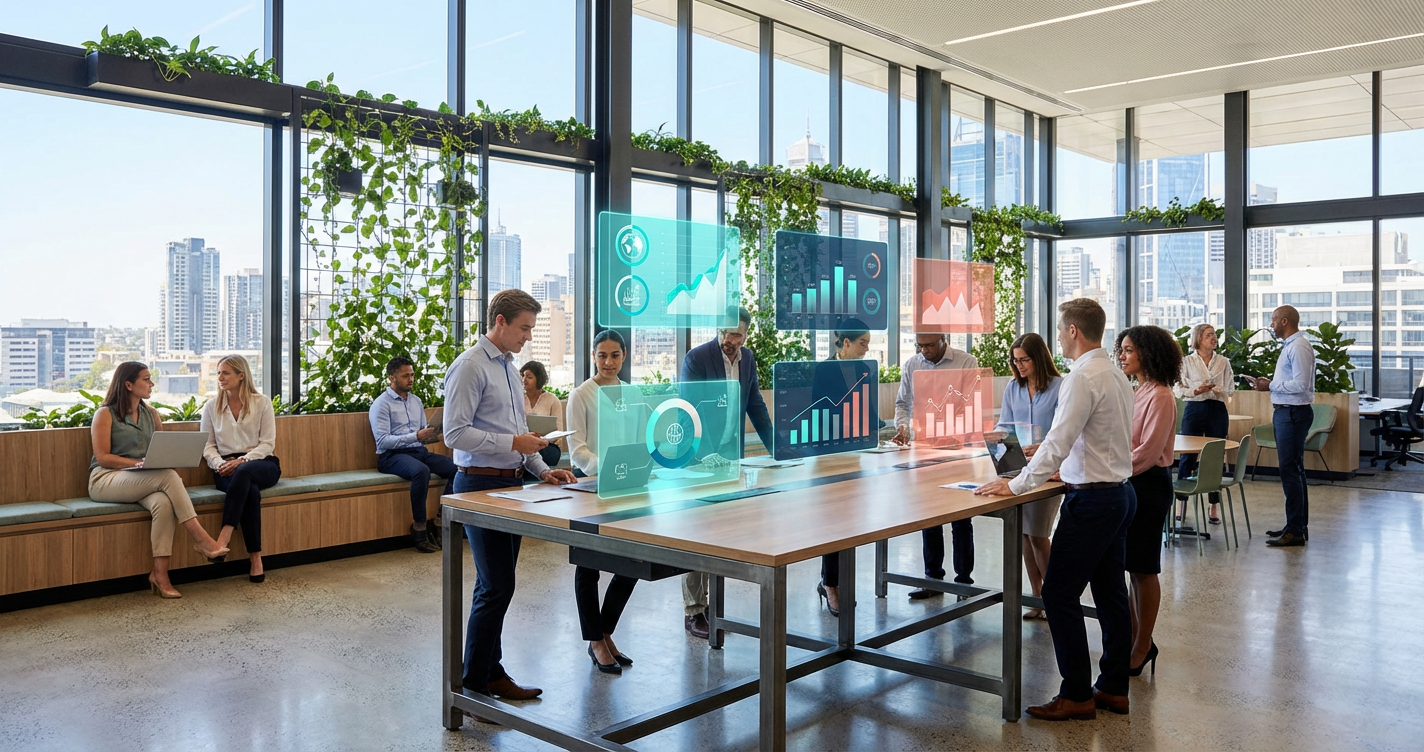
Australian HR in 2026 is shaped by a twin transition: the shift to an AI-driven economy alongside the move to a net-zero, sustainable one. The practical response is to make AI literacy and green skills baseline capabilities, protect people from fear of obsolescence, and hire and upskill for potential rather than static experience.
Last reviewed July 2026.
Job descriptions written even eighteen months ago now read like relics. Teams need a blend of technical AI fluency and environmental awareness, and HR is being asked to hold culture together and prevent burnout while everything moves faster. This guide looks at why AI literacy and green skills sit at the centre of your 2026 talent strategy, and how to turn both into an advantage.
In 2026, AI literacy is the baseline for professional work in Australia, not a nice line on a CV. The novelty phase of generative tools has passed, and AI now sits inside everyday business processes. For HR leaders, that means moving past teaching people to write a prompt and towards systemic fluency across teams.

Real AI literacy includes understanding the ethical implications, data privacy requirements and the limits of the models people use. It is knowing when to trust an algorithm and when to apply human judgement. Assessment is shifting too, away from static qualifications and towards demonstrations of tech-augmented problem-solving.
To manage this volume of change, many teams turn to Compono Hire. It helps you identify candidates who bring the underlying cognitive flexibility to work well alongside evolving AI, not just the right keywords on a profile. Organisations that invested early in structured AI training report meaningful gains in operational efficiency and stronger retention. When people feel competent with the tools of their trade, satisfaction rises and anxiety drops. The best antidote to the fear of robots taking jobs is giving people the skills to lead those tools.
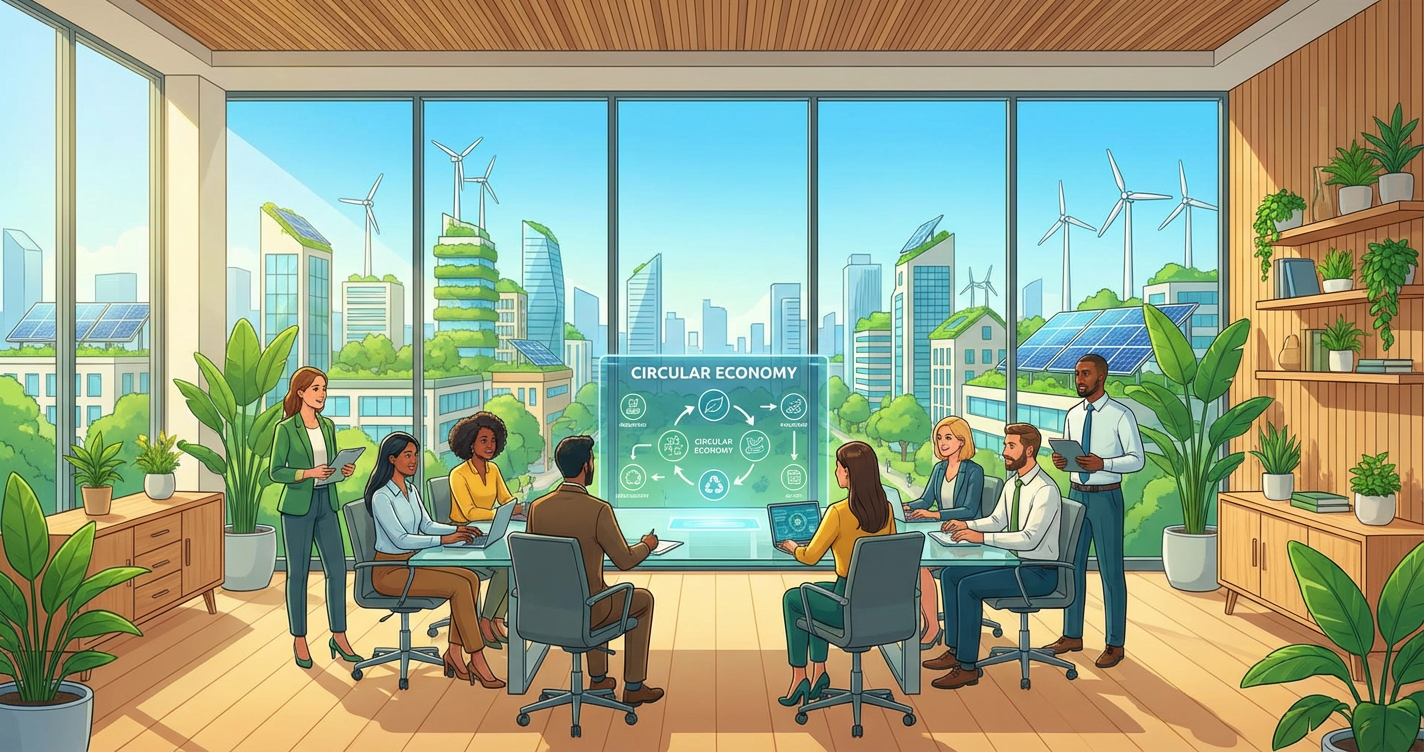
While AI grabs the headlines, a quieter shift is reshaping the Australian workforce: the greening of work. As the country pushes towards its emissions targets, most roles are becoming green roles to some degree. HR now sits at the front of the circular economy, responsible for finding and developing the talent that helps businesses meet their environmental, social and governance (ESG) commitments.
Green skills are no longer just for environmental scientists. Think sustainable procurement for office managers, carbon accounting for finance teams and circular design for product developers. An Australian HR professional needs to understand the national taxonomy of green skills to build a workforce that can deliver on those sustainability promises.
The greening of work calls for a rethink of your learning and development program. You are not only recruiting experts, you are upskilling existing staff. This is where Compono Engage helps. Pulse surveys and feedback loops reveal where the green skills gaps sit within your current teams, so you can tailor your engagement to build a culture of sustainability. New job categories are emerging too, from carbon roles to circular supply chain coordinators, so map those future roles today.
Fear of becoming obsolete is one of the biggest psychological challenges facing the Australian workforce in 2026. As AI capability expands, many of your best people quietly wonder whether their roles will exist in two years. That anxiety saps productivity and feeds the burnout we see across the industry.
To ease it, prioritise psychological safety. Be transparent about how AI will be used and, just as importantly, how it will not be used. Move the conversation from replacement to augmentation. When you frame AI as a tool that removes repetitive, draining tasks, people can focus on the higher-value, human work they enjoy.
Leadership has to evolve with it. Managers in 2026 need to be more than taskmasters. They need to guide difficult conversations about displacement and offer clear pathways for redeployment. If someone's primary task is automated, what is their next move? Providing that roadmap is the best answer to fear. A tool like Compono Engage lets you catch the early signs before they turn into turnover, so you can step in with targeted support or an honest conversation about where the business is heading.
One of the more interesting trends of 2026 is the intersection of the two, using AI to solve environmental problems. Optimising energy grids, cutting waste in manufacturing and predicting climate patterns all draw on both skill sets, and that fusion is where a lot of value is being created.
For Australian HR, this means looking for people with deep expertise in one area and a broad grasp of both digital and environmental literacy. Picture a marketing team using AI to analyse the carbon footprint of its campaigns, or a logistics team using machine learning to cut empty return journeys. The ethical dimension matters here too. AI that is biased or energy-hungry can undermine your sustainability profile, so AI literacy must include ethical use. Your HR team should help build the governance that keeps your tech stack aligned with your values.
Hiring purely for experience no longer holds up in 2026. With the half-life of many technical skills now short, you have to hire for potential and train for skills. That calls for skills-based workforce planning, breaking roles down into their component competencies.
Start with a skills audit. What do you have, what do you need, and what can you build internally? Government incentives for green and tech upskilling are worth taking advantage of. Create an internal learning marketplace where employees can opt into micro-credentials in AI ethics or sustainable design. Give teams specific milestones rather than a vague goal like become more sustainable. Something like completing a circular economy certification by the third quarter makes the shift feel manageable and gives people a sense of progress.
This is a marathon, not a sprint, and 2026 will look different by 2027. Building a culture of continuous learning is the surest way to keep your organisation ready. Encourage curiosity, reward people who experiment with new tools, and treat learning as part of the daily workflow rather than an interruption to it.
Hire for potential, spot skills gaps early, and keep your people engaged through fast change with one connected platform.
Talk to usThe two defining trends are AI literacy and green skills, often called the twin transition. Together they are reshaping job descriptions, hiring criteria and learning programs across nearly every role.
AI literacy goes beyond writing prompts. It covers ethical use, data privacy, knowing the limits of the models, and understanding when to rely on an algorithm versus human judgement.
As Australia works towards its emissions targets, sustainability responsibilities are spreading into finance, procurement, product and operations, so most roles now need some level of green skill.
Be transparent about how AI will and will not be used, frame it as augmentation rather than replacement, and give people clear redeployment and upskilling pathways.

Discover how AI HR software is transforming recruitment and engagement in 2026. Learn how to choose the right tools for your Australian business...
How Hey Compono coaches people through difficult conversations at work, what changes in day to day behaviour, and where AI coaching has limits.
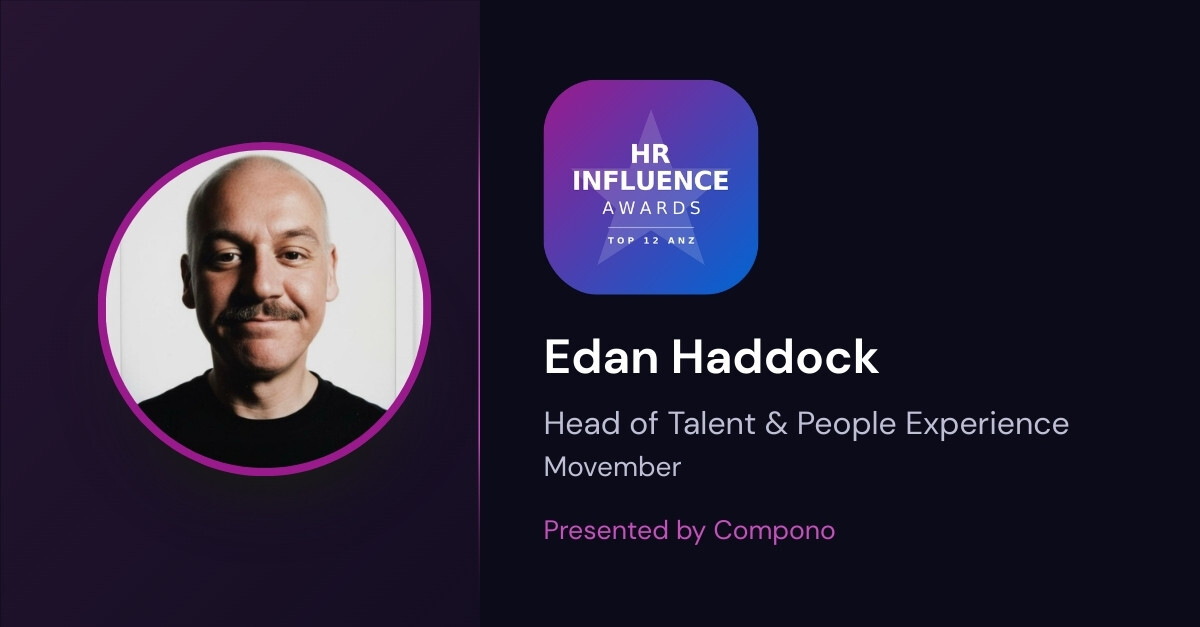
Edan Haddock built an AI agent into Movember's hiring process so every applicant can share why they care. Here's what HR leaders can learn from it.
 Rudy Crous