

.webp)

 Mathan Allington


Most common work personality by industry 2026
 Compono
Which work personalities show up most in different industries, and what that pattern means when you hire or build a team.

Analysing work personality by job function data reveals that matching an employee's natural behavioural preferences to the specific demands of their role is the strongest predictor of long-term performance, job satisfaction, and retention.
Key takeaways
- Work personality by job function data provides an evidence-based framework for aligning natural behavioural traits with the specific demands of a role.
- Conscientiousness remains a universal performance predictor, but traits like extraversion and agreeableness are highly function-specific.
- In 2026, emotional stability and resilience have become the most sought-after traits across all job functions due to increasingly dynamic work environments.
- Understanding the eight core work personalities allows HR leaders to build balanced, high-performing teams while mitigating natural blind spots.
- Organisations that use behavioural data in their hiring and team design processes see significant reductions in turnover and faster times to productivity.
For decades, organisations have hired based on a combination of technical skills, past experience, and a subjective feeling of culture fit. Yet, despite refining interview techniques and upgrading applicant tracking systems, new hires still fail at alarming rates. The core issue is rarely a lack of technical capability. Instead, it is a fundamental misalignment between the individual's natural behavioural preferences and the day-to-day realities of their job function.
When we look at modern workplaces, the cost of this misalignment is staggering. An employee might possess an exceptional résumé for a project management role, but if their natural preference leans heavily towards spontaneous ideation rather than structured execution, they will quickly burn out under the weight of Gantt charts and compliance tracking. This is where the strategic application of work personality insights becomes essential.
Today's HR leaders are moving away from gut-feel hiring and embracing a more scientific approach. By examining work personality by job function data, we can move beyond the surface level of what a candidate has done in the past, and uncover how they are naturally wired to behave in the future. This data-driven alignment is the foundation of building resilient, high-performing teams in 2026.
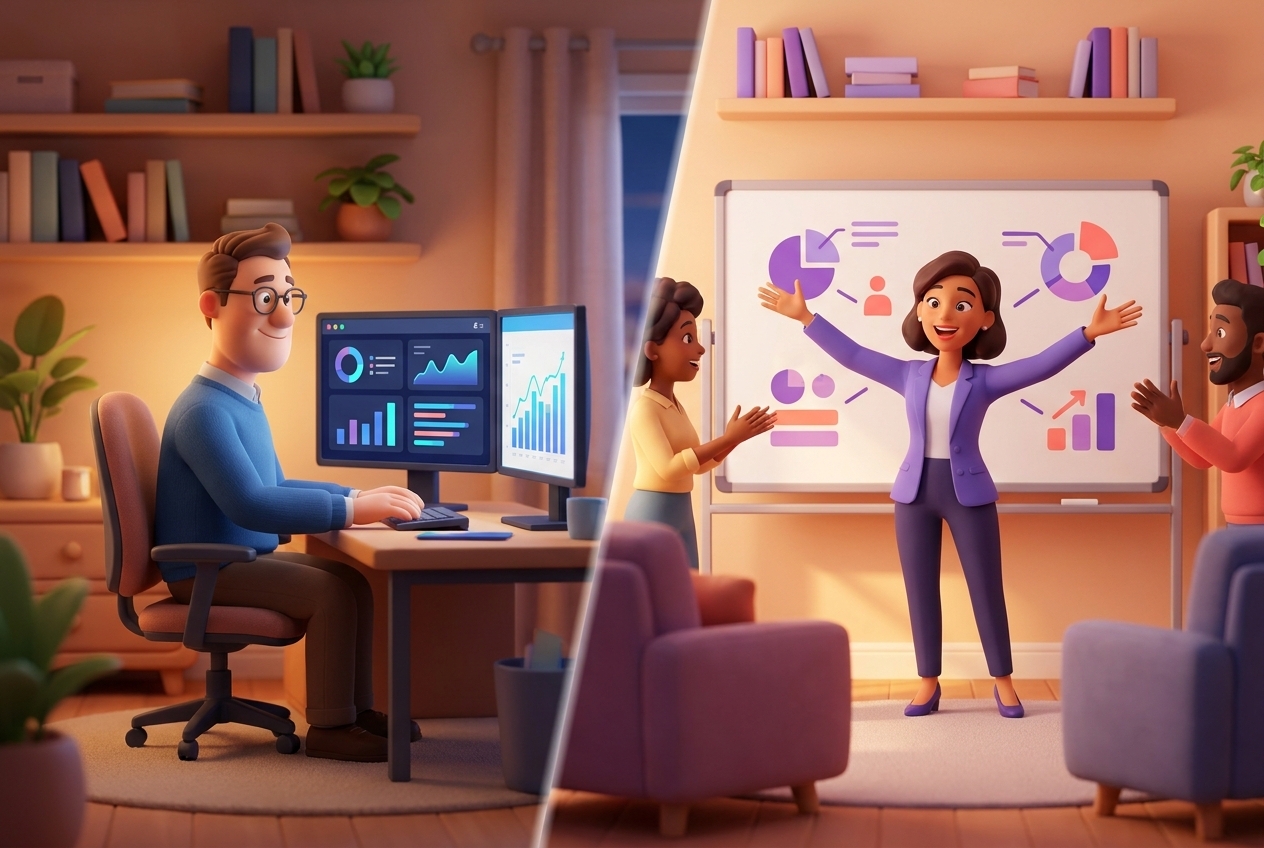
The relationship between personality and job performance is not a new concept, but the granularity of the data available today has transformed how we apply it. Behavioural science has long established that certain traits lend themselves to specific types of work. Understanding this intersection is crucial for any talent acquisition strategy.
Academic research consistently highlights the importance of matching traits to tasks. For example, conscientiousness is the universal predictor of job performance across all occupations, confirmed by a meta-analysis of over 2,000 effect sizes (Wilmot and Ones, 2019). Regardless of whether someone is a software engineer or a sales director, a baseline of reliability, organisation, and goal-directed behaviour is necessary for success.
However, once we move past conscientiousness, the data becomes highly specific to the job function. We see that extraversion is the strongest differentiator for success in jobs requiring social interaction and leadership, such as sales and management. Conversely, high extraversion might actually hinder performance in roles that require long periods of isolated, deep-focus work. This nuanced understanding is why generic personality testing falls short, and why role-specific behavioural mapping is the future of talent architecture.
As we work through the complexities of the 2026 workplace, the demands placed on employees have shifted. The pace of change, the integration of new technologies, and the blurring of traditional industry lines mean that adaptability is no longer a nice-to-have, it is a critical requirement across almost all job functions.
This shift is clearly reflected in recent talent acquisition data. In fact, resilient has become the most assessed personality trait across all roles in Q2 2025, jumping from 7th to 1st as organisations prioritise emotional stability under pressure. Whether a role is client-facing, strategic, or purely technical, the ability to bounce back from setbacks and maintain focus during periods of ambiguity is paramount.
When mapping work personality by job function data, we must account for the environmental stress of the role. A brilliant creative mind might excel in a supportive, flexible environment but crumble under the rigid, high-stakes pressure of a fast-paced agency. By understanding these dynamics, HR leaders can better support their teams, ensuring that individuals are placed in environments where their natural resilience can shine.
To truly operationalise work personality by job function data, we need a practical framework. At Compono, our research into high-performing teams has identified eight distinct work personality types. Each type represents a dominant preference for specific work activities. By understanding these profiles, we can see exactly why certain personalities thrive in specific job functions.
Let us explore how these eight personalities map to different areas of the business, backed by industry data and behavioural science.
Roles in finance, operations, engineering, and logistics require precision, structure, and a deep focus on details. These functions are the engine room of any organisation, relying on individuals who find satisfaction in accuracy and methodical execution.
The Auditor is defined by their thorough, accurate, and exacting nature. They are reflective and contemplative, preferring fact-based, detail-oriented tasks. When we look at the data, it is clear why they excel in compliance, accounting, and quality assurance. Industry insights show that analytical "Auditors" are the most common work personality type dominating the finance industry, while empathetic "Helpers" lead healthcare. Auditors enforce standards and control mechanisms, ensuring that the organisation operates safely and efficiently. Their primary blind spot is a tendency to get bogged down in minor details, which can delay decision-making in fast-paced scenarios.
The Doer is the practical, task-focused powerhouse. They are reliable, efficient, and hands-on, thriving in environments where they can see tangible results from their efforts. According to recent talent mapping, practical "Doers" are the dominant work personality driving construction and logistics sectors due to the core demands of those fields. They enjoy routine and tried-and-true methods, making them invaluable in operations, facilities management, and administrative execution. However, they may resist sudden changes or abstract, theoretical planning that lacks immediate, practical application.
The Evaluator brings a logical, critical, and realistic approach to the table. They are objective risk evaluators who excel in strategic planning and problem-solving. Job functions such as project management, business analysis, and corporate strategy are ideal for Evaluators. They prefer data-driven decision-making and are not afraid to challenge the status quo if the numbers do not add up. Their direct and sometimes blunt communication style can occasionally be perceived as overly critical, so they must consciously balance their critique with positive reinforcement when collaborating with more sensitive team members.
The Coordinator is the master of structure and efficiency. They set priorities, implement targets, and enforce deadlines. In job functions like operations management, procurement, and quality assurance, Coordinators ensure that complex projects are delivered on time and within budget. They value predictability and methodical progress towards goals. The challenge for a Coordinator is remaining flexible when unexpected changes occur; they can become rigid if their carefully crafted systems are disrupted without warning.
Marketing, business development, product innovation, and sales require a very different set of behavioural preferences. These functions demand imagination, the ability to influence others, and a comfort with ambiguity and risk.
The Campaigner is the vibrant, enthusiastic promoter. They are big-picture thinkers who excel at networking, persuading, and inspiring others. In job functions like public relations, sales leadership, and brand strategy, Campaigners use their natural charisma to drive growth and build vital relationships. They thrive on the thrill of the chase and prefer variety over routine. Because they are so focused on the future and the big idea, they can sometimes overlook crucial details or overcommit their time, requiring structured support to help execute their visions.
The Pioneer is the imaginative, risk-taking innovator. They are future-focused and spontaneous, always looking for a better, more creative way to solve a problem. Roles in product development, UX design, and growth hacking are perfect for Pioneers, as these functions require out-of-the-box thinking and a willingness to experiment. Pioneers can struggle with rigid schedules and routine tasks; they need autonomy and a dynamic environment to truly flourish. Without proper deadlines, they may endlessly ideate without ever moving to the implementation phase.
Human resources, customer success, counselling, and healthcare rely on individuals who are naturally empathetic, supportive, and focused on maintaining harmony and developing others.
The Helper is characterised by genuine altruism and compassion. They are perceptive of others' feelings and driven by strong personal values. In job functions such as social work, employee relations, and healthcare, Helpers create inclusive, supportive environments where people feel valued. They find deep satisfaction in service-oriented tasks. The primary blind spot for a Helper is a tendency to avoid necessary conflict to maintain harmony, which can sometimes lead to unresolved issues or personal burnout if they do not set healthy boundaries.
The Advisor is the flexible, collaborative, and open-minded guide. They excel in roles that require mediation, coaching, and talent development. As HR business partners or learning and development specialists, Advisors balance empathy with practical guidance, helping teams navigate change and resolve conflicts. They are adaptable and prefer to lead through consensus rather than directive control. However, their desire to accommodate everyone's viewpoint can sometimes delay crucial decisions, making it important for them to set firm timelines when finalising strategies.
Understanding work personality by job function data is only the first step; the real value comes from integrating these insights into your talent acquisition strategy. When you align your hiring process with behavioural science, you move from guessing to knowing.
The first phase is to map the specific behavioural requirements of the open role. Before writing a job description, HR leaders should ask: Does this role require the meticulous detail of an Auditor, or the dynamic influence of a Campaigner? By defining the ideal work personality upfront, you create a clear benchmark for candidate evaluation. Understanding work personality allows you to look past a polished interview performance and assess whether the candidate will actually enjoy the day-to-day realities of the job.
This is where modern HR technology makes a significant impact. For instance, the Compono Hire platform allows you to select the specific work personality you need for a role, and then automatically assesses and ranks candidates based on their natural behavioural alignment. This ensures that you are not just hiring someone who can do the job, but someone who is naturally wired to thrive in it.
While matching an individual's personality to their job function is critical, it is equally important to consider how that individual fits into the broader team set-up. A high-performing team is rarely made up of a single personality type. Instead, it requires a balanced blend of Doers to execute, Pioneers to innovate, and Helpers to maintain cohesion.
When analysing work personality by job function data at the team level, you can identify critical gaps. If a marketing team is full of Campaigners and Pioneers, they will generate incredible ideas but may fail to launch campaigns on time. Introducing a Coordinator or a Doer into that set-up provides the necessary structure and execution focus to bring those ideas to life.
Leaders must also understand how different personalities handle conflict and communication. An Evaluator's blunt, logical feedback might inadvertently crush a Helper's morale if not delivered carefully. By sharing work personality insights openly within the team, leaders build a culture of empathy and self-awareness, where diverse working styles are celebrated rather than misunderstood.
As we look further into 2026, the application of work personality by job function data will only become more sophisticated. Organisations are beginning to use these insights not just for hiring, but for proactive role design and internal mobility.
If an employee is showing signs of disengagement, behavioural data can often reveal the root cause. Perhaps a Doer has been promoted into a strategic planning role that requires the abstract thinking of an Evaluator, leading to frustration and burnout. By realigning their responsibilities to better match their natural preferences, HR leaders can retain top talent and reignite their engagement.
Ultimately, work personality data provides a common language for discussing performance, motivation, and career development. It removes the guesswork from team design and equips organisations to build workplaces where every individual has the opportunity to do the best work of their lives.
Key insights
- Aligning a candidate's natural work personality with the behavioural demands of their job function is a critical driver of long-term success and retention.
- The eight core work personalities, from the analytical Auditor to the visionary Pioneer, offer a precise framework for mapping talent to specific organisational needs.
- High-pressure roles in 2026 increasingly demand emotional stability and resilience, traits that must be carefully assessed during the hiring process.
- Effective team design requires balancing diverse personality types to ensure that innovation, execution, and team harmony are all adequately supported.
- Integrating behavioural data into your hiring platform allows for objective, science-backed candidate ranking that goes beyond traditional résumés.
Understanding the intricate relationship between human behaviour and job performance is the key to opening up your team's full potential. By use data-driven insights, you can build a workforce that is not only highly skilled but deeply engaged and naturally suited to their roles.
Four questions, about two minutes, one of eight work personality types. Free.
Related reading
Work personality by job function data refers to the behavioural science insights that map specific personality traits to the day-to-day requirements of different roles. It helps organisations understand which natural working styles, such as being highly analytical or deeply empathetic, are most likely to drive success and satisfaction in a specific job.
Research consistently shows that conscientiousness is a universal predictor of job performance. Regardless of the specific function, traits like reliability, organisation, and a strong work ethic are fundamental baseline requirements for an employee to consistently meet their goals and contribute positively to the team.
The Auditor personality is naturally thorough, accurate, and detail-oriented. Finance roles require strict compliance, risk management, and meticulous data analysis. Auditors thrive in these environments because their natural preference for precision aligns perfectly with the core demands of the job.
Yes, people can adapt and succeed in roles that do not perfectly align with their natural preferences, but it often requires significant conscious effort. Over time, working against one's natural behavioural tendencies can lead to faster burnout and lower job satisfaction, which is why aligning personality to the role is highly recommended for long-term retention.
HR teams can use work personality data to define the behavioural requirements of a role before they start interviewing. By using assessment tools to evaluate candidates against these specific criteria, HR leaders can make objective, data-driven hiring decisions that focus on true role alignment rather than just technical skills or interview performance.
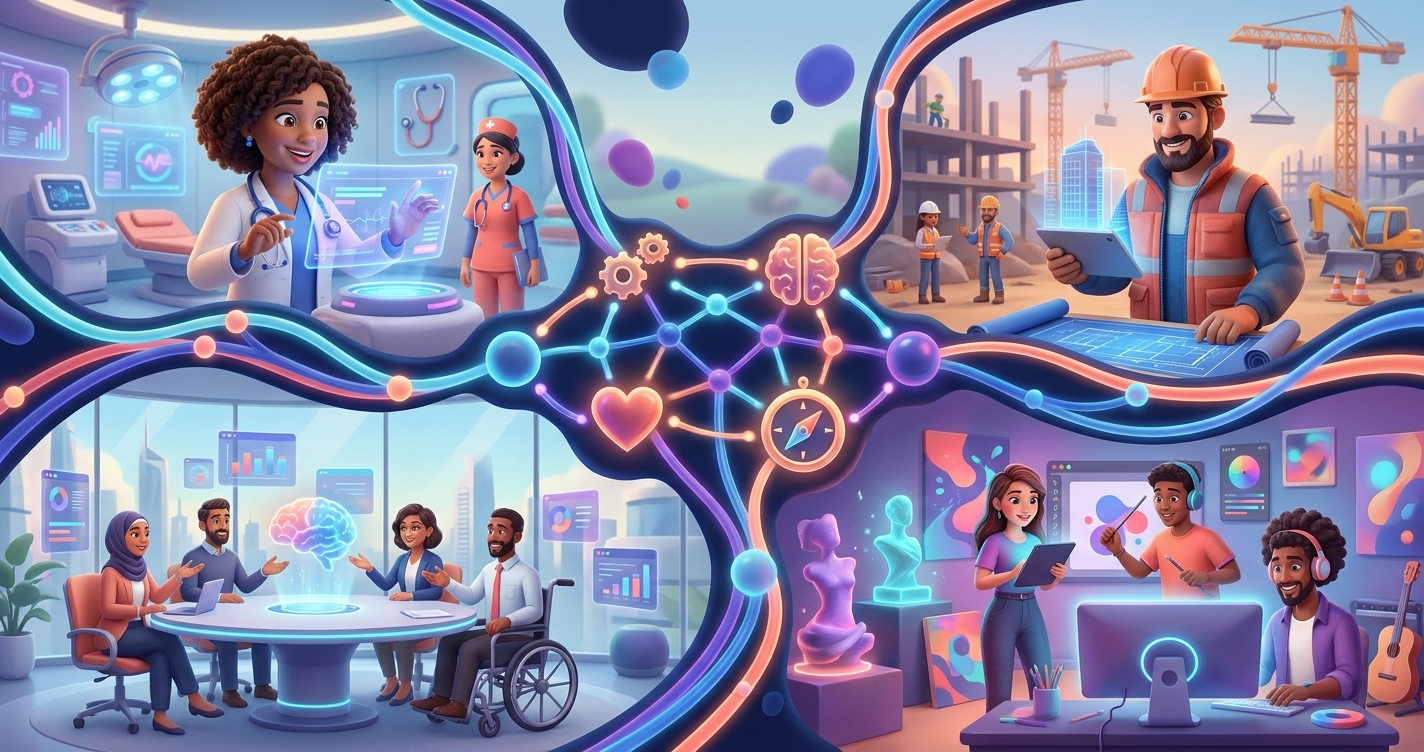
Which work personalities show up most in different industries, and what that pattern means when you hire or build a team.

How team personality mapping works in 2026: choosing tools, building profiles, reading the results and managing team dynamics.

What a work personality assessment gives a small team, where the return shows up in hiring and retention, and how to read results sensibly.
 Mathan Allington