

.webp)

 Compono


1 min read
Psychometric Testing for Recruitment: 2026 Guide & Alternatives
 Mathan Allington
Psychometric testing for recruitment is a standardised scientific method used to measure a candidate's mental capabilities, behavioural style, and...

Psychometric assessments matter because they measure the behavioural traits and work preferences that a standard CV hides, giving you a reliable predictor of how a candidate will actually perform in your team.
Key takeaways
- Psychometric testing moves hiring decisions away from gut feeling and toward objective behavioural data.
- These assessments reveal a person's natural work personality, showing how they handle conflict and solve problems.
- Using behavioural science in recruitment reduces unconscious bias by evaluating candidates on measurable traits rather than interview polish.
- Teams built with complementary work preferences perform better and experience less destructive friction.
The traditional hiring process relies heavily on the interview. Managers review a CV, ask a series of questions, and make a decision based on how well the candidate answered. The problem is that interviews primarily measure how good someone is at interviewing. They tell you very little about how that person will react under pressure or communicate with a difficult stakeholder.
When business leaders ask, "why does psychometric assessments matter?", they are usually looking at the cost of a bad hire. Most new hires do not fail because they lack the technical skills required for the job. They fail because their natural working style clashes with the team culture or the specific demands of the role. Someone might have ten years of project management experience, but if they naturally avoid conflict and the role requires constant negotiation, they will struggle.
Psychometric assessments bridge this gap. They provide an objective measurement of a candidate's cognitive abilities and behavioural preferences. This data allows you to see beyond the rehearsed interview answers and understand the person's natural defaults.
A common misconception is that these tests are designed to find flaws. In reality, they are designed to find alignment. A well-designed psychometric assessment evaluates how a person naturally prefers to work.
Some people thrive in highly structured environments with clear rules. Others need autonomy and the freedom to test new ideas. Neither preference is wrong, but putting a highly creative, unstructured person into a role that requires strict compliance will lead to frustration for everyone involved. By measuring these traits before making a hiring decision, you can ensure a strong match between the person and the position.
To understand the full scope of these tools, you can read our guide on psychometric assessments: the good, the bad, the ugly. It breaks down the different types of tests and how they apply to the workplace.
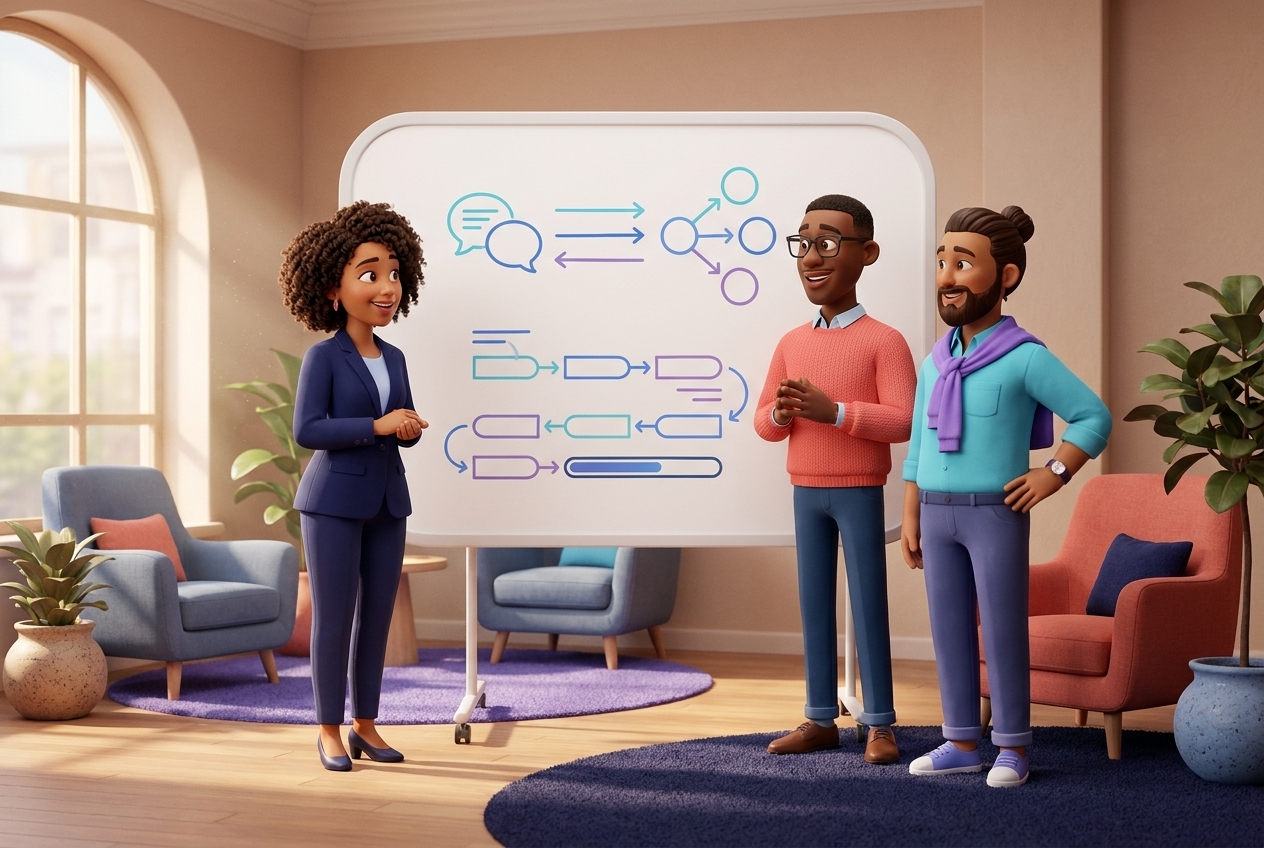
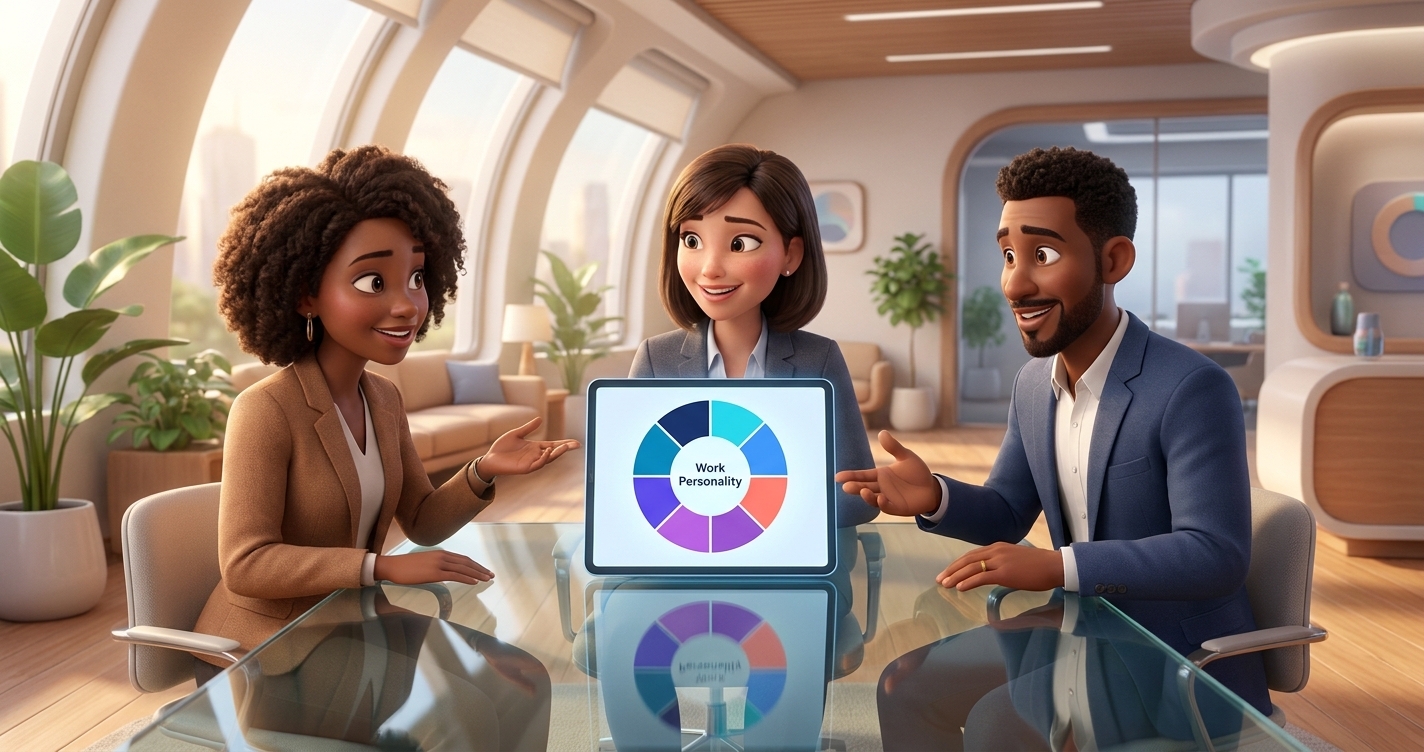
At Compono, we use the concept of Work Personality to categorise these natural preferences. Work Personality is the intersection of the activities a role requires and the tasks a person is naturally motivated to do.
Our research identifies several distinct work personalities. For example, The Campaigner is enthusiastic and future-focused. They excel at selling a vision and motivating a team. The Evaluator is logical and objective. They excel at analysing data and identifying risks.
If you put a Campaigner and an Evaluator in a room to solve a problem, they will approach it from entirely different angles. The Campaigner will generate big ideas and focus on the possibilities. The Evaluator will look for the flaws in those ideas and demand data to back them up. Without understanding their respective work personalities, this dynamic can quickly turn into conflict. The Campaigner might feel the Evaluator is being negative. The Evaluator might feel the Campaigner is being unrealistic.
When you use psychometric assessments to map these personalities, you give your team the language to understand their differences. The Campaigner learns to bring data to the Evaluator. The Evaluator learns to give the Campaigner space to brainstorm before critiquing the ideas. This level of self-awareness transforms potential friction into productive collaboration. You can learn more about this approach in our article on understanding Work Personality.
Human beings are naturally biased. We tend to favour people who look like us, talk like us, and share our background. In an unstructured interview, this bias often dictates the outcome. A hiring manager might select a candidate simply because they attended the same university or share a similar hobby.
Psychometric assessments introduce a layer of objective data into the process. When you evaluate candidates based on their behavioural traits and cognitive abilities, you level the playing field. You are no longer relying on a gut feeling or an impressive CV. You are looking at measurable data that predicts job performance.
This objective approach is especially valuable for mid-market companies looking to scale. When you standardise your hiring process with behavioural science, you ensure that every candidate is evaluated against the same criteria. This creates a fairer experience for the applicants and results in stronger hires for the business.
Hiring is rarely about finding a single brilliant individual. It is about adding the right person to an existing team. A high-performing team requires a mix of different work preferences. You need people who can generate ideas, people who can execute those ideas, and people who can manage the details.
If a team is entirely made up of Pioneers, people who love to innovate and start new projects, they will likely struggle with follow-through. They need a Doer or an Auditor to provide structure and ensure tasks are completed. Psychometric assessments allow you to map the existing personalities on your team and identify the gaps.
When you know what your team is missing, you can hire with intention. Instead of just looking for a marketing manager, you can look for a marketing manager with a Coordinator work personality to bring order to a chaotic creative team. This is where tools like Compono Hire become highly valuable. The platform allows you to define the specific behavioural traits required for a role and automatically assesses candidates against those criteria.
Conflict in the workplace is inevitable, but how a team handles that conflict determines their success. Psychometric assessments provide a roadmap for navigating these difficult conversations. When you know a team member's work personality, you can adjust your communication style to reach a resolution faster.
Consider a disagreement between a Doer and a Helper. The Doer is practical, task-oriented, and prefers direct communication. When a problem arises, they address it in a matter-of-fact way, seeking a quick resolution to keep the project moving. The Helper, on the other hand, is empathetic and highly focused on team harmony. They tend to avoid direct confrontation and worry about how a decision will affect team morale.
If the Doer pushes too hard for a quick fix, the Helper may withdraw emotionally. If the Helper avoids the issue to keep the peace, the Doer will become frustrated by the lack of progress. By understanding these behavioural defaults, a manager can intervene effectively. They can encourage the Doer to check in on the team's emotional well-being and create a safe space for the Helper to voice their concerns confidently.
The benefits of psychometric assessments extend far beyond the hiring phase. They provide valuable data for leadership development and team management. A manager's natural leadership style is heavily influenced by their personality.
Leadership generally falls along a continuum from Directive to Non-Directive. Directive leadership involves high levels of control and clear instructions. Democratic leadership focuses on shared decision-making. Non-Directive leadership takes a hands-off approach, providing teams with autonomy.
A Coordinator will likely default to a highly structured, directive leadership style. An Advisor will naturally lean toward a more collaborative, democratic approach. Neither style is universally effective. The best leaders adapt their approach to fit the situation and the needs of their team. However, adapting your style requires a deep understanding of your own natural tendencies and the preferences of your employees.
If a highly directive leader is managing a team of independent, creative thinkers, their natural approach will likely cause resentment. By using psychometric data, that leader can recognise the mismatch and consciously adopt a more hands-off, non-directive style. They can provide the team with the autonomy they need to perform at their best.
Employee turnover is a significant expense for any business. When people leave, you lose their institutional knowledge and incur the costs of recruiting and training a replacement. A major driver of turnover is a poor fit between the employee and the role.
When an employee is forced to work against their natural preferences every day, they experience rapid burnout. A highly empathetic Helper will struggle in a role that requires constant, aggressive negotiation. A detail-oriented Auditor will quickly become overwhelmed in a chaotic, unpredictable environment.
Psychometric assessments help you avoid these mismatches. By ensuring a strong alignment between the person and the role from day one, you set your employees up for success. They are more likely to feel engaged in their work and stay with the company long-term.
Key insights
- Traditional interviews measure interview skills, while psychometrics measure actual working behaviour.
- Objective behavioural data reduces unconscious bias in the hiring process.
- Understanding the work personalities within a team helps managers resolve conflict and improve collaboration.
- Mapping team dynamics allows you to hire for specific behavioural gaps rather than just technical skills.
- Aligning an employee's natural preferences with their daily tasks significantly improves long-term retention.
Take the guesswork out of your next hire by integrating behavioural science into your recruitment process.
A psychometric assessment is a standardised test used to measure an individual's mental capabilities, cognitive abilities, and behavioural style. In the workplace, these tests help employers understand how a candidate naturally prefers to work, communicate, and solve problems.
Employers use these tests to look beyond a candidate's CV and interview performance. The assessments provide objective data on whether a person's natural working style aligns with the demands of the role and the culture of the team, reducing the risk of a bad hire.
When it comes to behavioural or personality assessments, there is no pass or fail. The test simply identifies your natural preferences. A result that makes you a poor fit for a highly structured accounting role might make you the perfect fit for a creative marketing position.
Human interviewers are naturally drawn to candidates who share their background or communication style. Psychometric assessments provide measurable, objective data about a candidate's traits. This allows hiring managers to evaluate people based on their actual capabilities rather than gut feelings.
No. While they are highly effective for recruitment, many organisations use psychometric data for employee development, team building, and leadership coaching. Understanding an employee's work personality helps managers tailor their communication and support.
If you'd like to talk through how Compono can support your team, we're happy to walk you through it. No pressure, just a conversation.
1 min read
Psychometric testing for recruitment is a standardised scientific method used to measure a candidate's mental capabilities, behavioural style, and...

1 min read
Pre-employment assessment ROI is calculated by comparing what you save in turnover costs, screening hours and faster time-to-productivity against...
1 min read
A competency framework builder works in security firms by systematically mapping the specific behavioural traits, physical skills, and communication...
 Compono