

.webp)

 Compono


How behavioural assessment hiring builds high-performing teams
 Compono
How behavioural assessment hiring finds the work personality a team is missing, and what it does for retention and performance.

Objective hiring decisions are reached by replacing gut feel with standardised frameworks, consistent scoring criteria, and evidence-based assessments that measure a candidate's actual fit for the role and organisation.
Making the right choice during recruitment is about more than just a positive conversation; it requires a deliberate shift toward data over intuition to ensure every person you bring on board contributes to a high-performing culture.
Key takeaways
- Standardising the interview process ensures every candidate is evaluated against the same benchmarks, reducing the impact of unconscious bias.
- Using work personality assessments helps leaders understand how a candidate will naturally behave and contribute to the existing team dynamic.
- Combining skill-based testing with cultural alignment data provides a multi-dimensional view of a candidate’s potential for long-term success.
- Objective hiring leads to better retention rates by matching the right person to the right role based on verified traits rather than subjective impressions.
We have all been there – sitting in an interview, feeling a great connection with a candidate, and thinking, "They are perfect for the team." It is a natural human reaction to gravitate toward people who share our interests or communication style. However, relying on this "spark" often leads to poor hiring outcomes because it prioritises personal chemistry over professional capability and organisational alignment.
Subjectivity in hiring is the primary driver of turnover and cultural misalignment. When we rely on intuition, we inadvertently let unconscious biases take the lead. We might favour a candidate because they went to the same university or because they remind us of a top performer we worked with five years ago. These shortcuts – while efficient for our brains – do not actually predict job performance. To build a resilient workforce, we must move toward a model where every decision is backed by clear, measurable evidence.
The cost of a bad hire is significant, impacting team morale, productivity, and the bottom line. By the time you realise a new starter isn't the right fit, you have already invested weeks of training and salary. Transitioning to a process that focuses on objective hiring decisions isn't just about being fair; it is a strategic necessity for any growing business that wants to protect its culture and its investment in people.

Before you even post a job advertisement, you need to know exactly what success looks like in that role. This goes beyond a list of tasks. You need to define the specific behaviours, skills, and personality traits required to excel. When we define these criteria upfront, we create a scorecard that keeps us honest throughout the recruitment journey.
Start by identifying the core competencies. If the role requires high-level problem-solving and logical analysis, you are likely looking for someone with traits similar to The Evaluator. If the role is about driving vision and inspiring others, you might need The Campaigner. Having these profiles in mind allows you to tailor your questions to elicit evidence of these specific traits, rather than letting the conversation wander into unrelated territory.
At Compono, we help businesses identify these requirements through our workforce intelligence tools. By understanding the DNA of your current high performers, you can build a blueprint for future hires. This ensures that your search is targeted and that your final decision is based on how well the candidate matches the pre-defined needs of the business, rather than how well they performed in a high-pressure social situation like an interview.
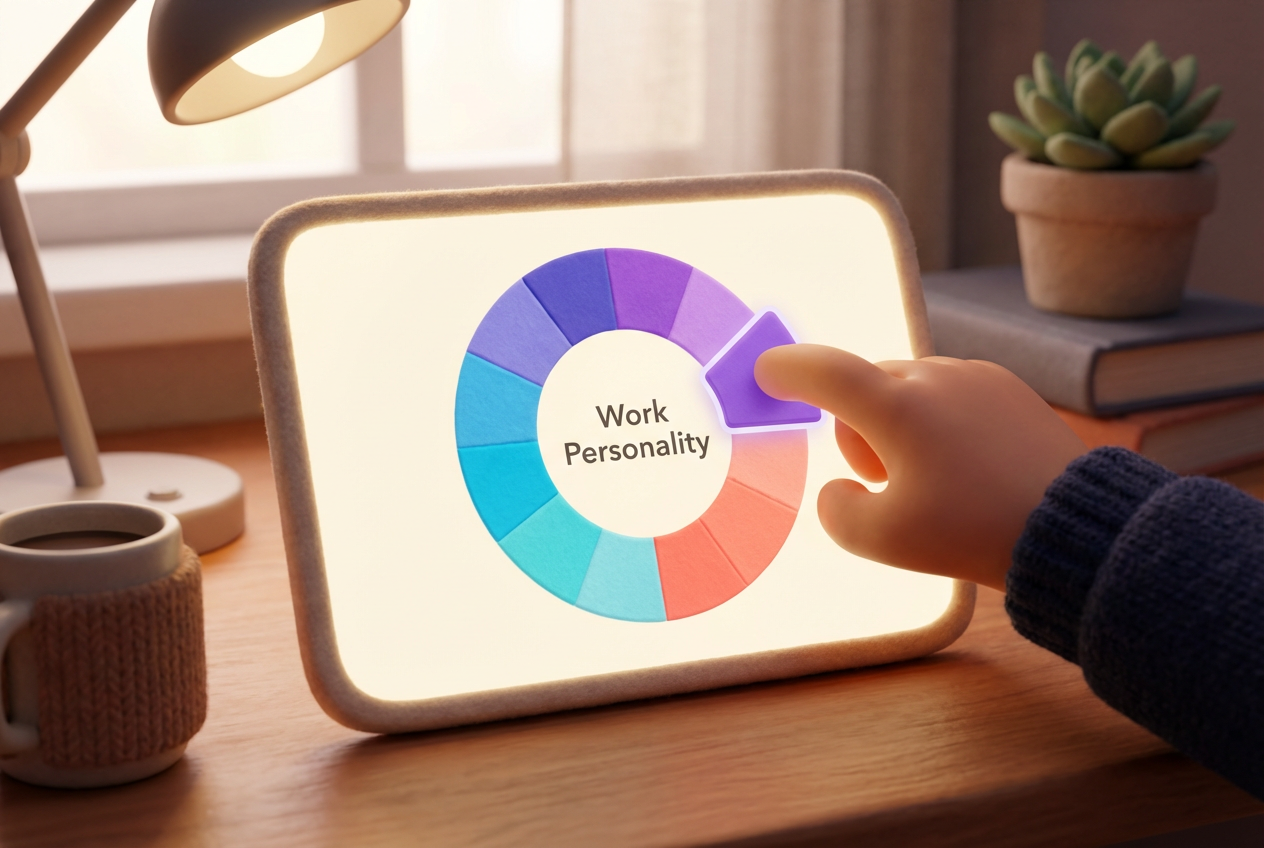
Resumes tell you where someone has been, but they rarely tell you how they will work once they arrive. This is where work personality assessments become invaluable. These tools provide a window into a candidate's natural preferences – how they communicate, how they handle conflict, and what motivates them to do their best work.
For instance, knowing if a candidate is naturally a Doer or an Auditor tells you if they will thrive in a fast-paced execution role or a methodical compliance role. These insights allow you to make objective hiring decisions based on the actual requirements of the position. It removes the guesswork and provides a common language for the hiring team to discuss a candidate's potential fit.
Using the Compono Hire platform, you can assess candidates across three critical dimensions: Organisation Fit, Job Fit, and Personality Fit. This multi-layered approach ensures that you aren't just looking for someone who can do the job, but someone who will thrive within your unique culture. It turns the "gut feel" of culture fit into a measurable data point that can be compared across all applicants.
If every candidate is asked different questions by different interviewers, it is impossible to compare them fairly. Standardisation is the antidote to inconsistency. This means using a structured interview format where every applicant is asked the same set of core questions in the same order.
Each question should be tied back to your success criteria. Use behavioural questions that require candidates to provide real-world examples of how they have handled specific situations in the past. Instead of asking, "Are you a good leader?", ask, "Tell us about a time you had to lead a team through a significant change." This forces the candidate to provide evidence, which you can then score against a pre-determined rubric.
This structured approach also helps the hiring team stay aligned. When everyone is using the same scorecard, the post-interview discussion becomes much more productive. Instead of debating vague feelings, you are comparing scores on specific competencies. This process naturally highlights the best candidate and makes the final choice much clearer and more defensible.
The goal of recruitment isn't just to fill a seat; it is to find someone who will stay and grow with the company. Objective hiring decisions are the foundation of long-term retention. When a person is hired because their natural work personality matches the demands of the role, they are more likely to be engaged and satisfied in their work.
Data-driven hiring also allows you to plan for the future development of your new hire. If you know from the outset that your new Coordinator is excellent at structure but might struggle with spontaneous change, you can provide the right support and training from day one. This proactive approach to management is only possible when you have deep insights into the people you are hiring.
By integrating these insights into your broader culture and engagement strategy, you create a seamless experience for the employee. They feel understood and valued for their unique contributions, which is a powerful driver of loyalty. Ultimately, making objective choices at the start of the journey sets the stage for a high-performing and stable team environment.
Key insights
- Objective hiring requires a shift from intuitive 'gut feel' to evidence-based frameworks that prioritise data over personal chemistry.
- Pre-defining success criteria and using structured scorecards prevents unconscious bias from influencing the final selection.
- Work personality assessments provide a measurable way to evaluate how a candidate's natural behaviours align with the role's requirements.
- Standardising the interview process for all candidates ensures a level playing field and allows for direct, fair comparisons.
- Hiring based on objective data significantly improves long-term retention by ensuring a genuine fit between the individual and the organisation.
The most effective way is to use structured interviews and blind resume reviews. By removing identifying information and asking every candidate the same questions, you force your brain to focus on their answers and evidence rather than your initial impressions or shared backgrounds.
Job fit refers to whether a candidate has the skills and traits to perform the specific tasks of the role. Culture fit – or organisation fit – is about whether their values and work style align with the broader company environment. Both should be measured objectively to ensure a successful hire.
When using scientifically validated tools like Compono, yes. They are designed to measure stable work preferences rather than temporary moods. These assessments are one piece of the puzzle, providing data that should be used alongside interviews and skill tests to make a well-rounded decision.
Casual conversations are highly susceptible to bias and often fail to extract the information needed to predict job performance. A structured interview ensures you gather the same evidence from every candidate, making your final comparison much more accurate and fair.
Absolutely. By focusing on objective criteria and verified skills, you remove the barriers that often prevent diverse candidates from progressing. It ensures that the best person for the job is selected based on merit and fit, rather than how well they 'mesh' with the existing majority.
How behavioural assessment hiring finds the work personality a team is missing, and what it does for retention and performance.

Why the keywords vs fit debate is changing recruitment, and how to balance technical skills with organisational fit for better retention.

Why relying only on resumes in New Zealand leads to bad hires, and how work personality and psychometrics build better teams.