

.webp)

 Daryl Ning
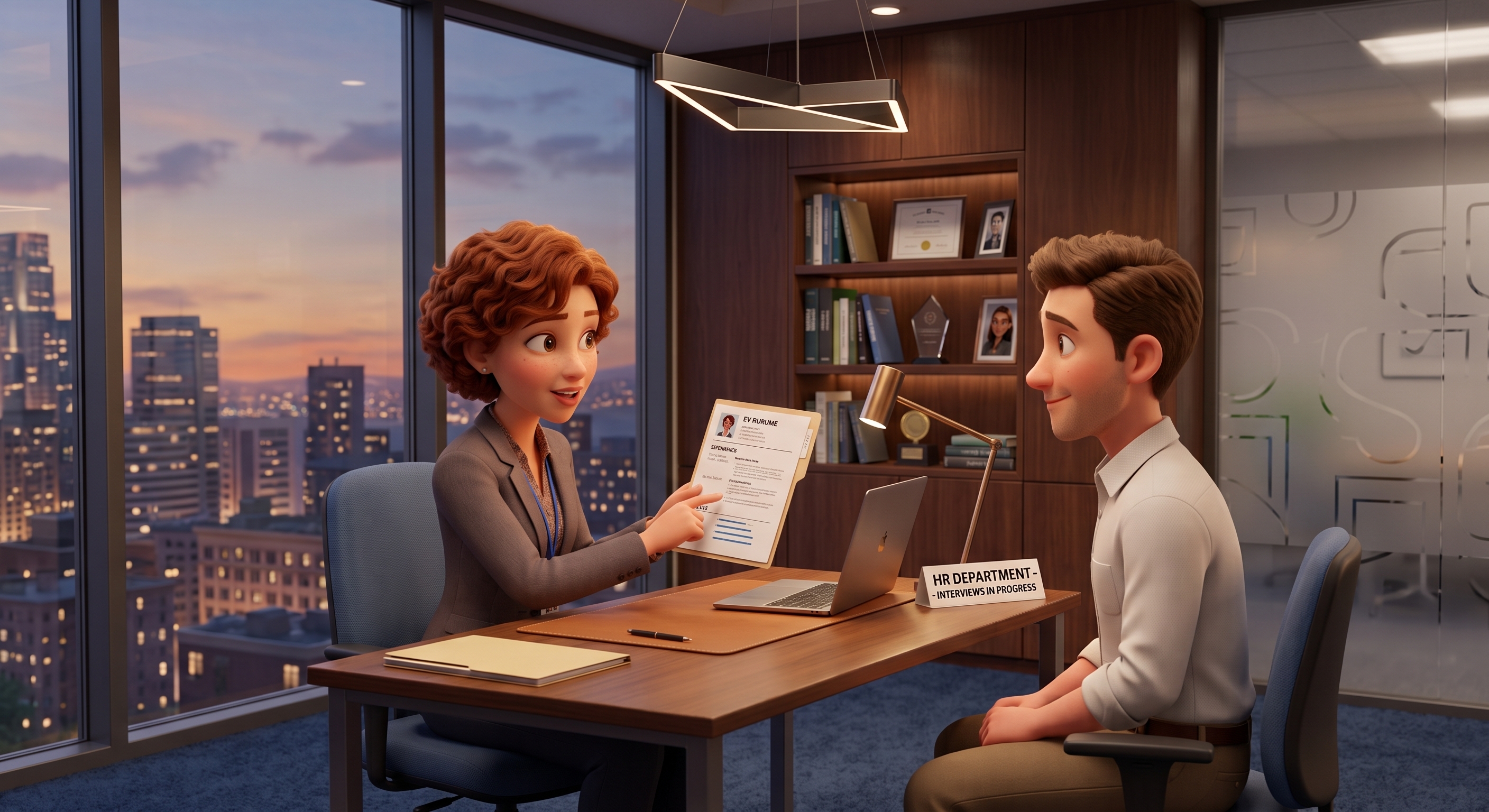
For a long time, most companies have stuck to a pretty shaky idea: if a new employee fails, it must be HR’s fault.
Since HR wrote the job ad, checked the CVs, and handled the paperwork, they should own the result, right?
Actually, that’s not quite right.
Thinking hiring is only HR’s job is a huge, expensive mistake. HR handles the process - like compliance and workflows. But whether a hire actually succeeds depends on people insight - things like team dynamics, cultural fit, and how someone actually behaves at work.
Getting that insight isn't just an HR task. It’s something the whole company needs to take part in, from the people on the ground to the bosses at the top.
Teams need different personalities, and employees know the dynamic best
It’s easy to check if someone has the right technical skills on paper. But finding the right person is about more than just ticking boxes. You want someone who can do the job and fit in with the team to help the company reach its goals.
Every team is its own little world. If you bring in a superstar who doesn’t get along with the rest of the group, it just creates drama, slows everyone down, and ruins the mood.
That’s why the team itself has to help define what the work environment is really like. Culture isn’t just a fancy slogan on a wall; it’s how people actually work together every day. And the team on the ground knows this best.
When team members are empowered to provide feedback about how they work and what they’re missing, hiring becomes a lot smarter. You stop hiring the same types of people over and over and start finding the missing pieces the team actually needs.
Leadership needs to map out the future
You can’t hire well without a plan. Leaders need to clearly explain where the company is headed in the next few years.
Without a clear goal, hiring is just reacting - filling empty seats as fast as possible instead of building a team for the future. Leaders have to make sure they’re putting the right people in the right spots at the right time.
For example, if a team has a short term goal to execute some set priorities, hiring someone who naturally likes to explore new ideas and "disrupt" might be a bad move.
What happens when a "bad fit" slips through?
Even with the best interviews and behavioural assessments, no process is perfect. People are complicated, and sometimes someone who isn't a good fit will still get hired.
When that happens, how fast the company reacts makes all the difference.

Too often, teams stay quiet when a new hire starts showing red flags. People are afraid to speak up because they don't want to get someone in trouble or they figure the boss will notice eventually. This silence is a big problem. Leaders need to make it safe for staff, and even encourage them to have honest conversations about how things are going early on.
This goes both ways, too. Colleagues should feel just as comfortable sharing praise when someone is doing great. When managers get regular, honest feedback, they can fix problems or reward success instead of just guessing.
A perfect example is described in this case study by OzHarvest, where they turned feedback into fuel.
A real-life example of staying silent
To see how much staying silent can cost, look at this scenario that happens in offices all the time.
Mark was hired as a Senior Project Lead. On paper, he was perfect. His CV had everything, and he breezed through the quick hiring process.
By month two, his team knew there was trouble. He wouldn’t plan with anyone else, blamed junior staff for his mistakes, and was generally hard to work with. But nobody said anything.
His manager thought the team was just getting used to Mark’s "style." The team didn’t want to cause a scene, so they just did his work for him and fixed his errors in secret.
By month nine, two of the best employees quit because they were burnt out. By month eleven, after a huge project failed, leadership finally let Mark go.
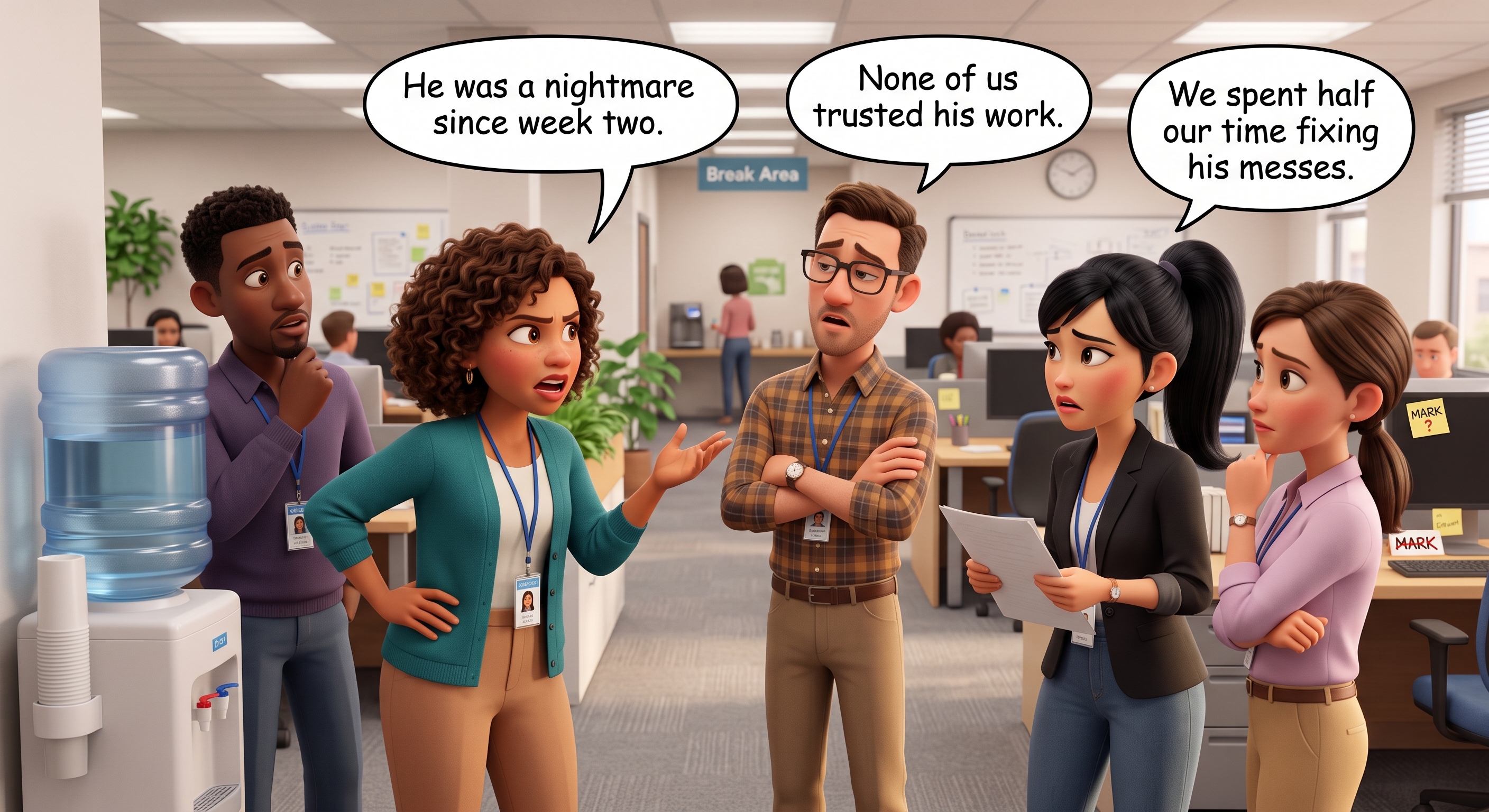
The second Mark left, everyone started talking. They had months of complaints:
- "He was a nightmare since week two."
- "None of us trusted his work."
- "We spent half our time fixing his messes."
The lesson? Management couldn’t act sooner because they didn’t have the info. HR couldn’t help because there was no record of the problem. That lack of communication cost the business eleven months of work, two great employees, and a lot of money.
Moving beyond "HR’s responsibility"
When a hire fails, HR usually gets blamed. But most HR systems are built for paperwork, not for finding the right fit. They make the process faster, but they don't necessarily make it better.
To move away from the myth that hiring is just an HR job, we need two shifts:
- Share the Load: Hiring is a team sport. Leaders set the strategy, employees uphold the culture, and HR provides the tools and collects data to find someone who fits.
- Use People Intelligence: Stop relying just on resumes and gut feelings. Use real insights into behavior and culture to make choices you can actually stand by.
Companies need to stop treating hiring as an admin task and start seeing it as a shared strategy driven by data. With this approach, bad hires aren't just "bad luck" anymore - they become something we can predict and prevent together.
Learn about Inside-Out hiring and how it can revolutionise the way you build high-performing teams.
Daryl Ning is a Customer Success Specialist at Compono, an Australian people and culture platform that combines hiring, culture, and learning with people insight.

