

.webp)

 Compono


How culture fit hiring works in disability services
 Compono
Support work asks for patience under pressure. Here is how culture fit hiring finds people who hold up in the role and share how your team works.

Culture fit hiring in retail works by identifying candidates whose natural work behaviours and personal values align with your brand’s service standards and team environment.
It moves beyond checking if someone can operate a point-of-sale system and instead focuses on how they interact with customers and colleagues during high-pressure shifts. By prioritising alignment over just technical skills, retail leaders can significantly reduce the high turnover rates that often plague the sector.
Key takeaways
- Retail culture fit is about aligning a candidate’s natural work personality with the specific demands of a customer-facing environment.
- Effective hiring in this sector requires moving past the resume to assess behavioural traits like empathy, resilience, and proactivity.
- Successful retail teams use structured assessments to ensure new hires complement existing team dynamics rather than just filling a roster gap.
- Aligning values between the employee and the brand leads to higher engagement and better customer service outcomes.
Retail environments are notoriously fast-paced and unpredictable, making the 'people' element of the business your most significant competitive advantage. Many managers fall into the trap of hiring for availability or basic experience, only to find that the new starter lacks the temperament required for the role. This mismatch is often the primary reason why new hires fail in a retail setting, leading to a cycle of constant recruitment and training costs.
When we talk about culture fit in retail, we aren't talking about hiring a group of identical people who all think the same way. Instead, it is about finding individuals who share a common approach to service and collaboration. For a boutique brand, this might mean someone with a high degree of empathy and patience, whereas a high-volume discount retailer might need someone who thrives on efficiency and rapid task completion.

You cannot hire for fit if you haven't clearly defined what your culture actually looks like in practice. In retail, culture is often defined by the 'micro-decisions' staff make when a manager isn't watching – how they handle a difficult return, how they support a teammate during a busy period, or how they represent the brand's voice. We see many organisations struggle because their stated values on the wall don't match the reality of the shop floor.
To build a foundation for success, you need to look at your top performers and identify the traits they share. Are they natural Helpers who prioritise customer well-being, or are they Doers who ensure the inventory is always perfectly organised? Understanding these archetypes allows you to create a benchmark for future hires. At Compono, we help businesses build a foundation for organisational success by providing the tools to decode these cultural nuances before the first interview even happens.
In a retail environment, a resume tells you very little about how a person will behave at 3 PM on a Saturday afternoon when the queue is out the door. This is where the concept of 'Work Personality' becomes vital. Every individual has a dominant preference for how they approach tasks and people. Some are visionary and future-focused, while others are methodical and detail-oriented. Both have a place in retail, but their 'fit' depends on the specific role and team they are joining.
For example, a store manager role might require an Coordinator who can enforce standards and keep the team focused on targets. Conversely, a front-of-house sales role might benefit from a Campaigner who can inspire customers and sell the brand's dream with unbridled enthusiasm. Recognising these traits early in the recruitment process prevents the friction that occurs when someone's natural style clashes with their daily responsibilities.
Using a workforce intelligence platform like Compono allows you to move beyond gut feel and use data to see how a candidate’s work personality matches your team’s needs. By assessing these traits during the application phase, you can filter for candidates who are naturally inclined to succeed in your specific retail environment, rather than just those who interviewed well.
Traditional retail hiring is often 'outside-in' – you post an ad, look at external candidates, and hope they stick. However, the most successful retail groups are moving toward an inside-out hiring model. This involves looking at the internal health of your team first. By understanding the existing strengths and gaps within your current staff, you can hire specifically to balance the team.
If your current team is full of highly creative individuals who struggle with stocktake and admin, your next 'culture fit' hire shouldn't necessarily be another creative. Instead, you might look for an Auditor – someone who finds satisfaction in maintaining order and compliance. This isn't just about filling a seat; it's about architectural team design. When teams are balanced this way, conflict reduces and productivity increases because everyone is operating in their zone of genius.
Once you have identified the traits you need, the interview process must be structured to test for them. Generic questions like 'Tell me about yourself' rarely reveal cultural fit. Instead, use behavioural questions that force candidates to demonstrate their values. In retail, you want to hear about specific times they had to choose between a quick fix and the 'right' way of doing things. This reveals their alignment with your brand standards.
We recommend using a scoring key to ensure every candidate is evaluated against the same cultural criteria. This removes the 'likeability bias' where managers hire people who are similar to them rather than people who are right for the role. Compono Hire facilitates this by providing a structured framework to assess candidate fit across organisation, job, and personality dimensions, ensuring every hiring decision is backed by objective intelligence.
Key insights
Culture fit in retail is a strategic alignment between a candidate’s natural work personality and the brand's operational values. By defining these traits early and using structured assessments, retail leaders can build balanced teams that are more resilient to the pressures of the industry. Moving toward an inside-out hiring model ensures that each new hire fills a specific behavioural gap, leading to higher engagement and significantly lower turnover.
Where to from here?
Building a high-performing retail team starts with understanding the unique culture of your stores and finding the people who will thrive within it. By using data-driven insights instead of gut instinct, you can transform your recruitment process into a competitive advantage.
How do you measure culture fit without being biased?
We recommend using objective psychometric assessments and structured scoring keys that focus on specific work behaviours and values rather than personal interests or backgrounds.
Can culture fit hiring hurt diversity in retail?
Actually, when done correctly, it improves diversity. By focusing on 'Work Personality' and values alignment rather than 'people like us', you naturally build teams with diverse backgrounds who share a common goal.
What is the best way to define a retail store's culture?
The best way is to observe the micro-decisions of your top performers. Identify the behaviours that lead to the best customer outcomes and use those as your cultural benchmark.
Does culture fit matter for seasonal casual staff?
Yes, often even more so. Because seasonal staff must hit the ground running, hiring people whose natural work style fits the environment reduces training time and prevents team friction during peak periods.
How can technology help with retail culture fit?
Workforce intelligence platforms like Compono automate the assessment of work personality and values alignment, allowing managers to see a candidate's fit score before they even meet them.

Support work asks for patience under pressure. Here is how culture fit hiring finds people who hold up in the role and share how your team works.
How science-backed hiring works: validated assessments, structured interviews and culture fit analysis that predict performance instead of gut feel.
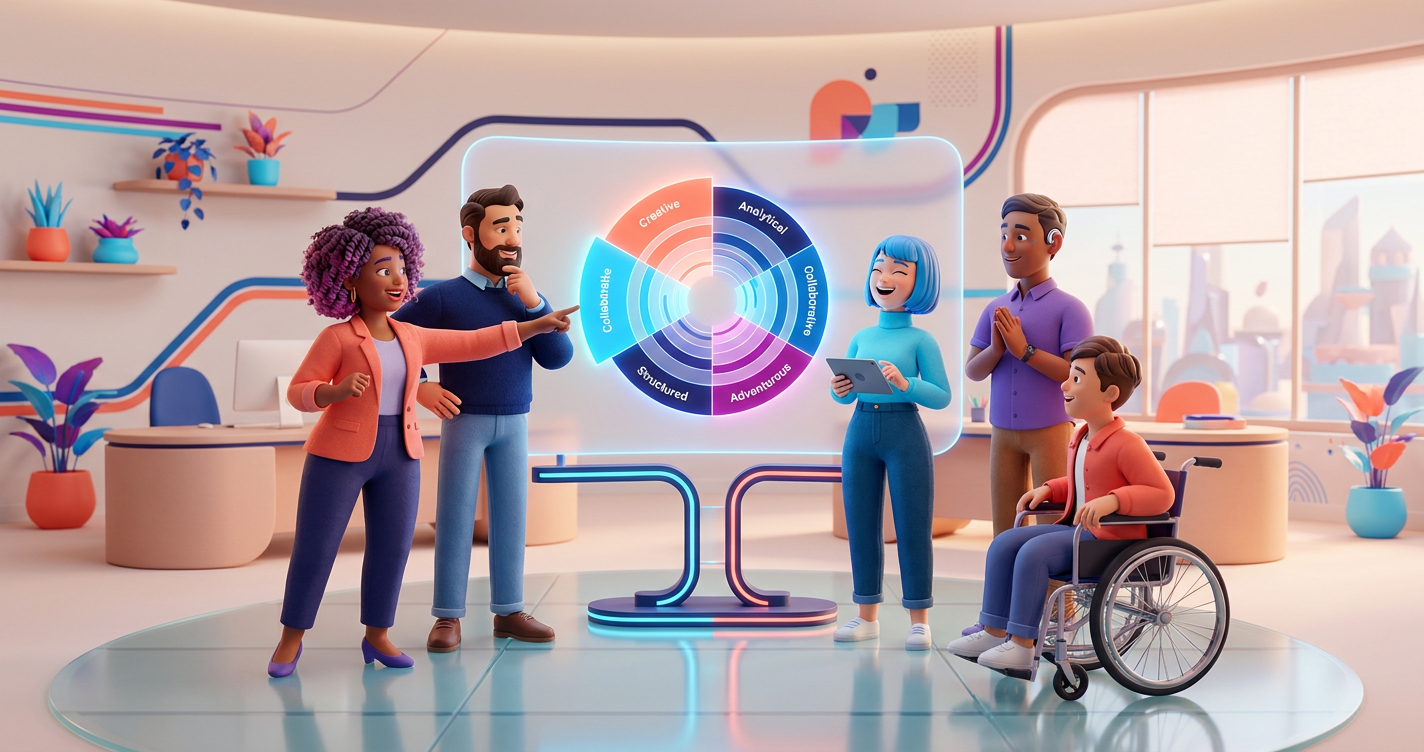
Quality of hire improves when you measure more than the CV. How hiring data and work personality cut bias in shortlisting and reduce early turnover.
 Mathan Allington