 Compono


Best alternatives to Greenhouse hiring for modern teams

Finding the right applicant tracking system (ATS) often feels like searching for a needle in a haystack, except the haystack is made of expensive...


Become the expert on delivering
valid and fair assessments for
your training and education.


.png?width=383&height=200&name=team%20(1).png)

What drives employee turnover is often a combination of poor cultural alignment, lack of development opportunities, and a disconnect between individual work personalities and their daily tasks.
Understanding these drivers allows you to move beyond reactive hiring and start building a workforce that genuinely wants to stay and grow with your organisation. While salary always matters, the modern employee is looking for deeper connections to their work and their team, making it essential for leaders to look at the psychological and structural reasons why people choose to leave.
Key takeaways
- Turnover is frequently caused by a mismatch between a person's natural work personality and their job requirements.
- A lack of clear career progression and development is a leading reason why high performers seek opportunities elsewhere.
- Poor team dynamics and a lack of psychological safety can drive even the most skilled employees to exit.
- Effective retention starts with hiring for cultural fit and understanding how different personalities interact within a team.
- Regular engagement check-ins and data-driven insights help identify turnover risks before they result in a resignation.
When we talk about what drives employee turnover, we often focus on the immediate exit interview. However, the seeds of a resignation are usually sown months – or even years – before a person actually hands in their notice. For mid-market leaders, the cost of this turnover is not just the recruitment fee to replace them. It is the lost institutional knowledge, the dip in team morale, and the significant time your remaining staff spend covering the gaps.
We see many organisations struggling to pin down exactly why their best people are leaving. It can feel like a mystery, especially when the perks and pay seem competitive. The reality is that today's workplace requires a more nuanced approach to retention. We need to look at the intersection of individual motivation and organisational design to find the real answers. By identifying the root causes early, you can implement strategies that protect your culture and your bottom line.

One of the primary factors in what drives employee turnover is a fundamental mismatch between an individual's natural work preferences and the tasks they are asked to perform daily. When a person is forced to work against their grain for extended periods, they experience cognitive fatigue and decreased job satisfaction. This isn't about their ability to do the job – it is about the energy cost of doing it.
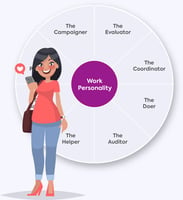
For example, imagine a person whose work personality is The Pioneer. They thrive on innovation, imaginative problem-solving, and creative expression. If this person is placed in a highly rigid, repetitive administrative role, they will eventually feel stifled. Conversely, The Auditor, who finds satisfaction in precision, methodical work, and following established standards, might feel overwhelmed in a chaotic, fast-paced startup environment where the rules change daily.
At Compono, we've spent over a decade researching how these preferences impact performance and longevity. Our workforce intelligence platform helps you map these personalities to ensure people are in roles that energise them rather than drain them. When you align a person's natural tendencies with their work activities, you significantly reduce the likelihood of them looking for the exit.
Another major driver of turnover is the feeling of standing still. Modern employees, particularly those in the middle of their careers, prioritise growth and skill acquisition. If they cannot see a clear path forward within your organisation, they will naturally start looking for one elsewhere. This 'stagnation trap' often affects your most ambitious and capable staff first.
Development is not just about formal training sessions or expensive certifications. It is about the daily opportunities to learn, the mentorship available within the team, and the clarity of the career ladder. When leaders fail to have regular, meaningful conversations about an employee’s future, the employee assumes there isn't one. This lack of transparency creates a vacuum that is easily filled by a recruiter's LinkedIn message.
To combat this, you can use tools like Compono Develop to create personalised learning pathways and clear development goals. By showing your team that you are invested in their long-term success, you build a sense of loyalty that is hard for competitors to break. Retention is an active process of proving to your people that their best future is right here with you.

We often hear that people join companies but leave managers. While there is truth in that, people also leave cultures that don't resonate with their values. Cultural misalignment is a silent driver of turnover because it often manifests as a general sense of 'not belonging' rather than a specific grievance. When the way work gets done feels foreign or uncomfortable to an individual, they never truly settle in.
This often starts at the very beginning of the employee lifecycle. If your hiring process focuses solely on technical skills and ignores organisational fit, you are essentially rolling the dice on retention. A candidate might have the perfect CV, but if their preferred way of working clashes with your team's established behaviours, the relationship is likely to be short-lived. This is why assessing for culture and personality fit during recruitment is so vital.
Using a system like Compono Hire allows you to evaluate candidates across three dimensions: skills, qualifications, and organisation fit. By ensuring that new hires are aligned with your company's values and team dynamics from day one, you set the foundation for long-term retention. It is much easier to keep someone who feels like they belong than to try and 'fix' a cultural mismatch later on.
The daily experience of an employee is largely shaped by the people they sit next to (or Zoom with) and the person they report to. If team dynamics are strained – or if there is a lack of psychological safety – turnover will inevitably spike. Conflict is a natural part of any high-performing team, but how that conflict is managed determines whether it leads to innovation or an exodus.
Different work personalities react to conflict in different ways. The Helper might withdraw or become overly accommodating to maintain harmony, while The Evaluator might become more forceful and critical under pressure. If a manager doesn't understand these nuances, they can't effectively mediate disputes or support their team through stressful periods. This lack of support is a massive factor in what drives employee turnover.
By gaining insight into team design and how different personalities interact, leaders can build more resilient groups. Understanding that The Coordinator needs structure to feel secure, while the The Campaigner needs a platform for their ideas, allows a manager to tailor their leadership style. This level of personalised management is what keeps teams together during challenging times.
Key insights
- Turnover is rarely about a single event; it is the culmination of a mismatch in personality, values, or growth opportunities.
- Aligning work activities with an individual's natural work personality is one of the most effective ways to boost job satisfaction.
- Hiring for organisational fit is just as important as hiring for technical skills when it comes to long-term retention.
- A lack of clear development and career progression is a primary reason why top talent leaves for competitors.
- Managers who understand the unique work personalities of their team members are better equipped to reduce conflict and prevent exits.
While salary is a factor, the main drivers are often poor cultural fit, a lack of development opportunities, and a mismatch between their personality and their daily work tasks. People want to feel that their work matters and that they are growing.
Signs often include decreased engagement, withdrawal from team activities, and a shift in their usual work behaviour. Using engagement tools can help you spot these patterns early and intervene before they decide to leave.
Yes, significantly. When a person's natural work personality aligns with their job requirements, they are more engaged and less likely to feel burnt out. Mismatches lead to chronic stress, which is a leading cause of turnover.
Absolutely. By assessing for organisation fit and personality alignment during the recruitment phase, you ensure that new hires are more likely to thrive in your specific environment and stay for the long term.
Start by understanding the work personalities within your team. When people understand how their colleagues think and communicate, it reduces friction and builds a more supportive, cohesive culture that people want to remain part of.
Finding the right applicant tracking system (ATS) often feels like searching for a needle in a haystack, except the haystack is made of expensive...

To unlock employee potential, you must align individual work preferences with specific team activities while providing a leadership style that...

Finding that one person who always hits their deadlines, double-checks the fine print, and organises the office social club without being asked feels...